The Nelson Museum & Local History Centre
Recommended by


Overview
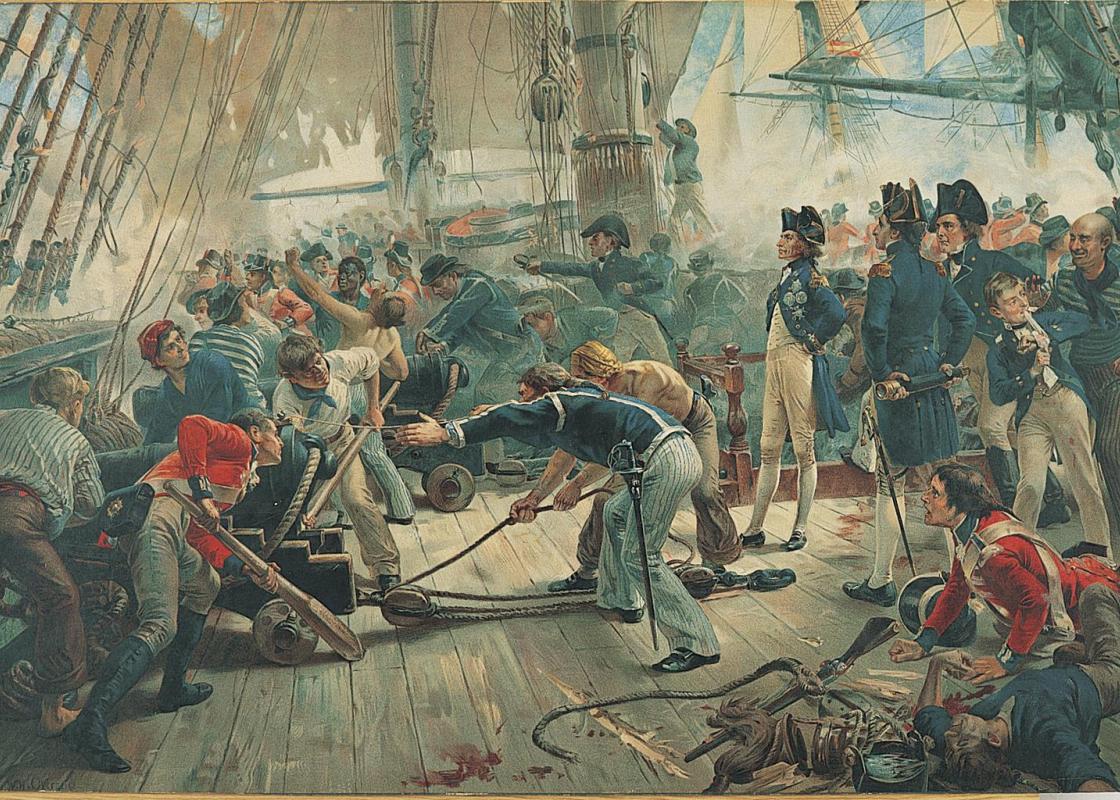
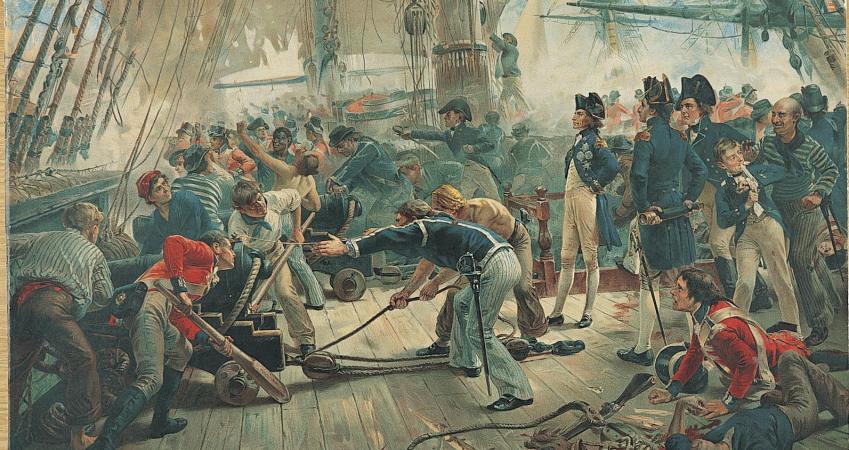
One of the world's major collections of Admiral Nelson-related items, including original letters, glass, china, silver, medals, books, models, prints and Nelson's fighting sword feature here. The local history displays deal with Monmouth's past as a fortress market town, and include a section on the co-founder of the Rolls Royce company, Charles Stewart Rolls, who was also a pioneer balloonist, aviator and, of course, motorist.
Features
- Opening Times
- Open all year
- Opening Times: Open all year, Mar-Oct, Mon-Sat & BH 11-1 & 2-5, Sun 2-5; Nov-Feb, Mon-Sat 11-1 & 2-4, Sun 2-4
- Facilities
- Parking nearby
- Children
About the area
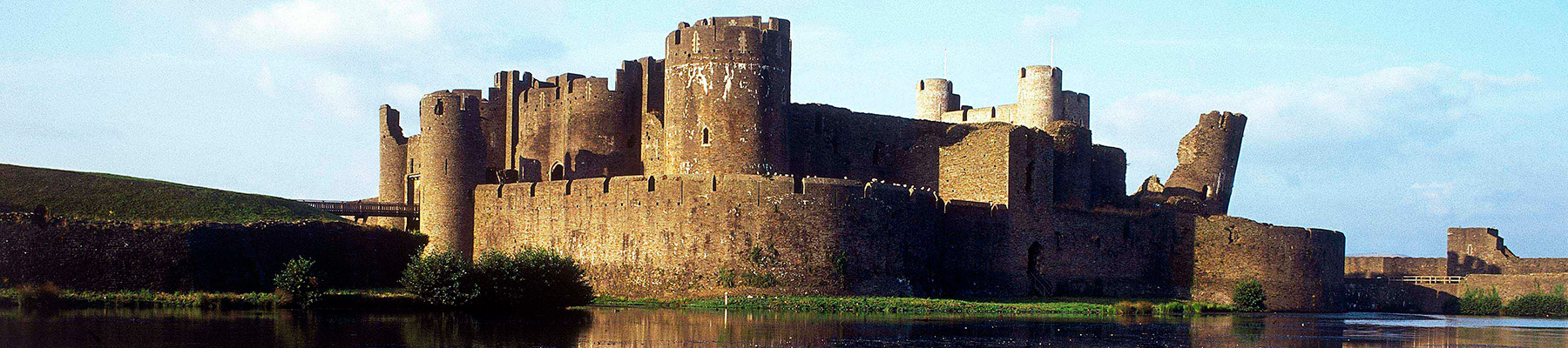
In their bid to control the borderlands of Monmouthshire – also known as the Marches – the Normans built a triangle of castles: Grosmont, Skenfrith and White. At first, they were simple wooden structures strengthened by earthworks, but when the lively Welsh refused to stop attacking them, it was decided more permanent fortresses were needed.
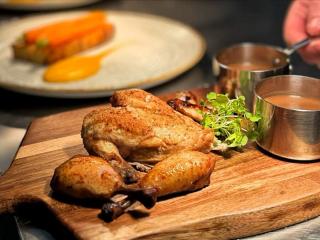
Places to eat nearby View all

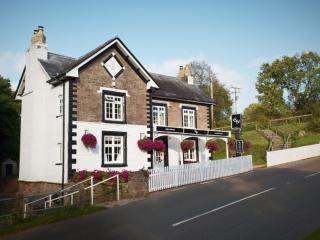
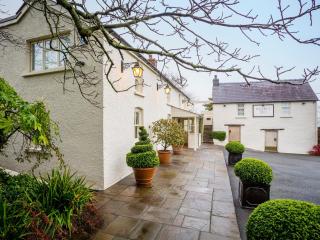
Nearby places to stay
View all (8)

Nearby places to stay
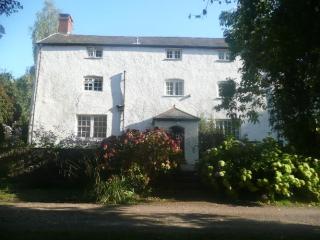
Church Farm Guest House
Located in the village of Mitchel Troy, this 16th-century former farmhouse retains many original features including exposed beams and open fireplaces. There is a range of bedrooms and a...
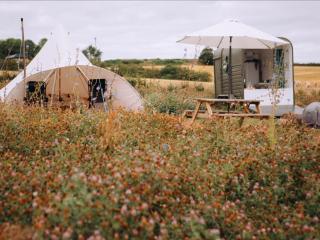
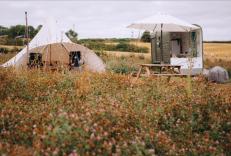
Rockfield Glamping
Located on a working farm in a stunning landscape of undulating hills, quality, well spaced bell tents are strategically placed to maximise the excellent views. Interiors are furnished ...
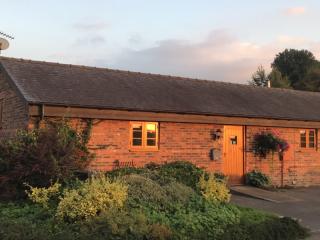
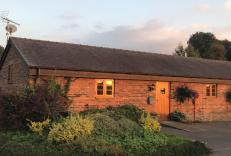
Cowshed Cottage & The Dairy
Cowshed Cottage and The Dairy are finished to an exceptional standard, providing a cosy and comfortable base for your next holiday. Located near to the pretty Gloucestershire village of...
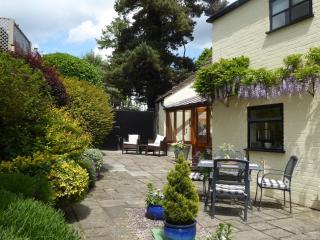
The Coach house
The Coach House is a converted Coach House in historic and tranquil village of Newland furnished to high standard. Expect three large bedrooms, two bathrooms, laundry, open fire, cycle ...
The Coach House
The Coach House is a converted Coach House in historic and tranquil village of Newland furnished to high standard. Expect three large bedrooms, two bathrooms, laundry, open fire, cycle ...
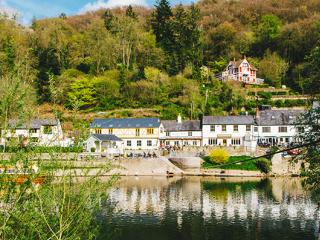
Saracens Head Inn
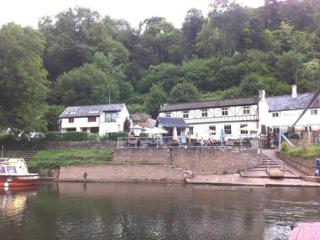
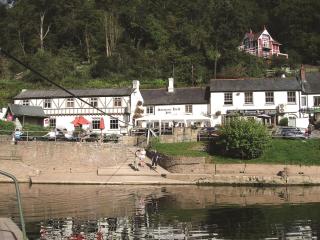
Dating from the 16th century, the friendly, family-run Saracens Head faces the River Wye and has wonderful views. The well-equipped bedrooms are decorated in a cottage style, and there ...
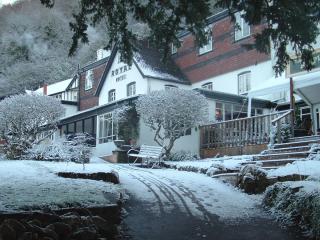
The Royal Lodge
The Royal Lodge stands at the top end of the village overlooking the River Wye. Bedrooms vary though mostly spacious and comfortable. There is a cosy lounge with an open fireplace and t...
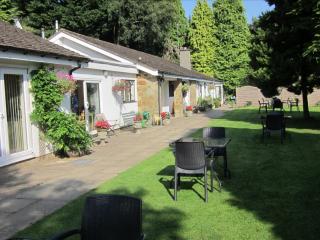
Paddocks Cottages
Situated in the picturesque and tranquil area of Symonds Yat, The Cottage makes a perfect base for exploring the Wye Valley. Enjoy the beautiful countryside of three surrounding countie...