Tintern Abbey
Recommended by


Overview
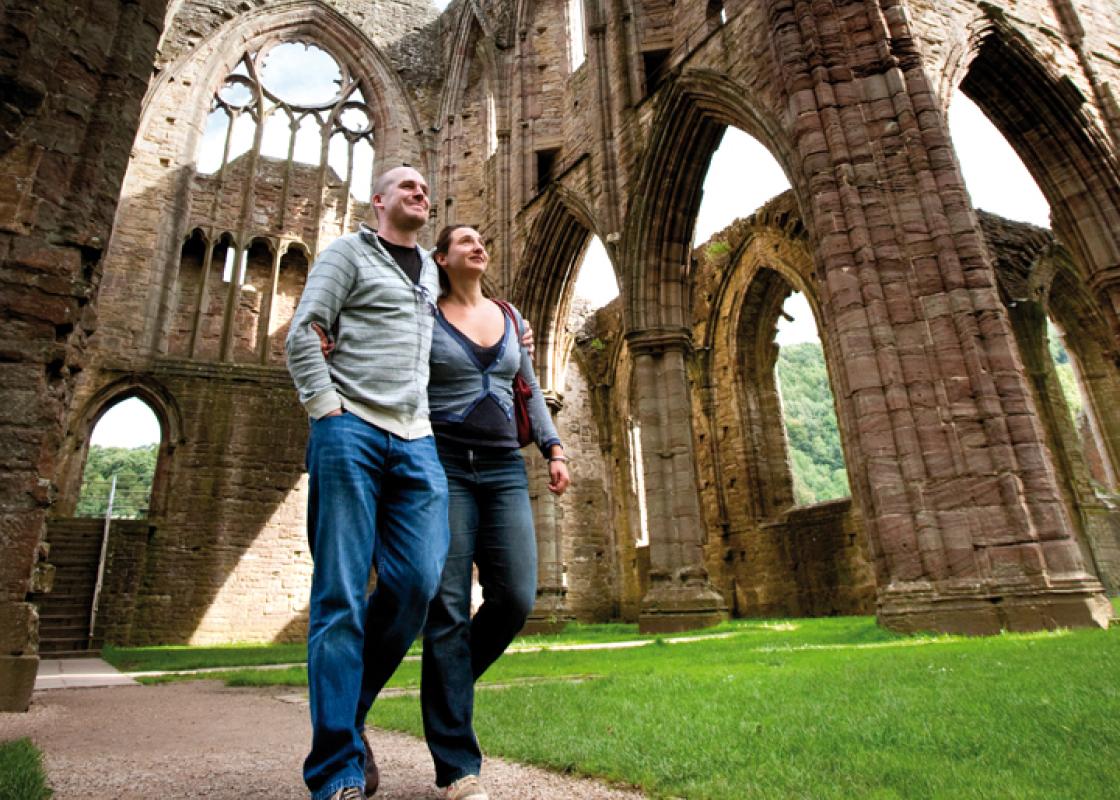
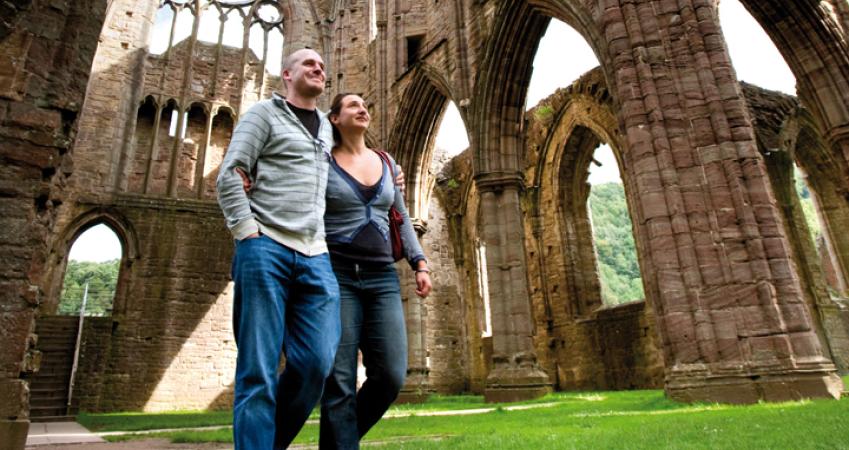
The ruins of this Cistercian monastery church, founded in 1131 by Walter de Clare, Lord of chepstow, are still surprisingly intact. The monastery was established in 1131 and became increasingly wealthy well into the 15th century. During the Dissolution it was closed and most of the buildings were completely destroyed. During the 18th century many poets and artists including William Wordsworth, came to see the ruins and recorded their impressions in words and art. It is still a wonderful sight, accentuated by the green wooded valley and neighbouring river.
Features
- Opening Times
- Open all year
- Opening Times: Open all year, daily Mar-Jun & Sep-Oct, 9.30-5; Jul-Aug, 9.30-6; Nov-Feb, Mon-Sat 10-4, Sun 11-4 (last admission 30mins before closing)
- Facilities
- Parking onsite
- Children
About the area
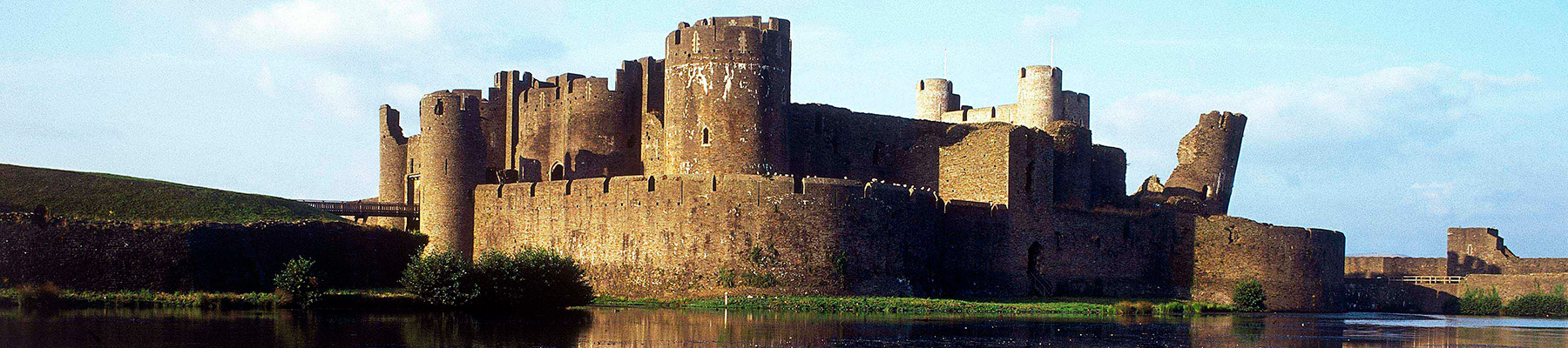
In their bid to control the borderlands of Monmouthshire – also known as the Marches – the Normans built a triangle of castles: Grosmont, Skenfrith and White. At first, they were simple wooden structures strengthened by earthworks, but when the lively Welsh refused to stop attacking them, it was decided more permanent fortresses were needed.
Places to eat nearby View all
Nearby places to stay
View all (8)





Nearby places to stay
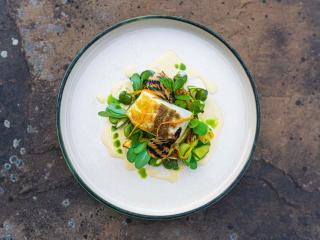
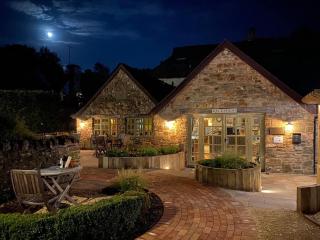
The Whitebrook
Peacefully located and surrounded by woods and rivers, this delightful restaurant with rooms offers a tranquil escape. The bedrooms are located above the main restaurant and come in a r...
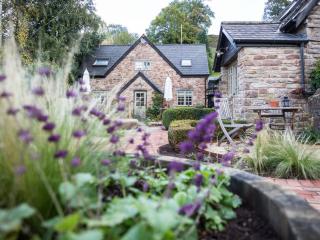
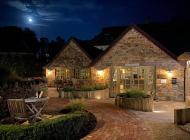
Tudor Farmhouse Hotel & Restaurant
Dating from the 13th century, Tudor Farmhouse Hotel is a 20-room boutique retreat in the village of Clearwell, on the edge of the Forest of Dean and the Wye Valley. Original features th...
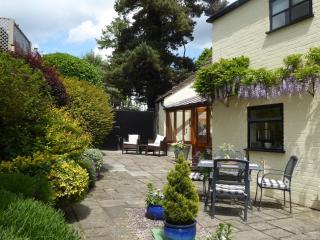
The Coach house
The Coach House is a converted Coach House in historic and tranquil village of Newland furnished to high standard. Expect three large bedrooms, two bathrooms, laundry, open fire, cycle ...
The Coach House
The Coach House is a converted Coach House in historic and tranquil village of Newland furnished to high standard. Expect three large bedrooms, two bathrooms, laundry, open fire, cycle ...
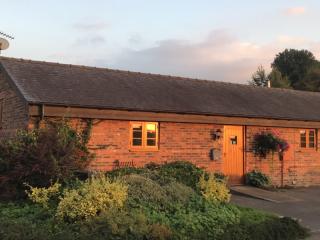
Cowshed Cottage & The Dairy
Cowshed Cottage and The Dairy are finished to an exceptional standard, providing a cosy and comfortable base for your next holiday. Located near to the pretty Gloucestershire village of...
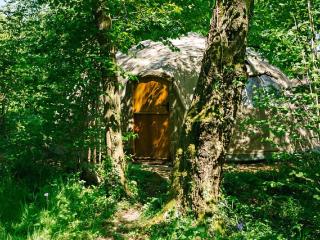
Penhein Glamping
Tucked away in secluded woodland surrounded by peaceful countryside, Penhein Glamping offers eight beautiful Alachigh (pronounced alla-cheeg) tents, that are cosy, warm and kitted out w...
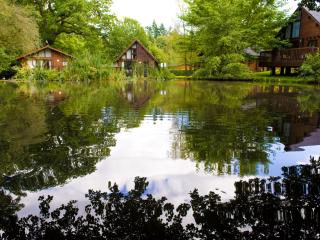
Whitemead Forest Park
Set in the magical Forest of Dean, Whitemead offers both a beautiful setting and impressive facilities. Whitemead has a great range of accommodation to choose from, including glamping p...
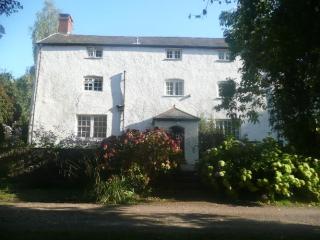
Church Farm Guest House
Located in the village of Mitchel Troy, this 16th-century former farmhouse retains many original features including exposed beams and open fireplaces. There is a range of bedrooms and a...