Ogof Ffynnon Ddu National Nature Reserve
Recommended by


Overview
The Ogof Ffynnon Ddu NNR consists of large areas of moorland and some small areas of limestone pavement, and is best known for its cave systems, which – with nearly 30 miles of passages – are one of the most extensive in Europe. Apart from the fascinating geological features, including stalagmites and stalagtites, to be seen at this nature reserve, there are also impressive waterfalls. Plants you can expect to see include wild thyme, tormentil, herb Robert, small scabious, wood anemone and lily of the valley. One of the special alpine flowers to look out for higher up in the reserve where there are exposed fragments of limestone pavement is mossy saxifrage. The moorland is ideal habitat for nesting birds, which include skylarks and summer migrant wheatears. The caves are also home to bats and many insects, while in the dark underground streams there are small pigment-free crustaceans and also little white blind fish.
About the area
The largest unitary authority in Wales, Powys covers an area of approximately 2,000 square miles. Much of that is mountainous because it actually has the lowest population density of all the Welsh counties.

Places to eat nearby View all







Nearby places to stay
View all (8)



Nearby places to stay
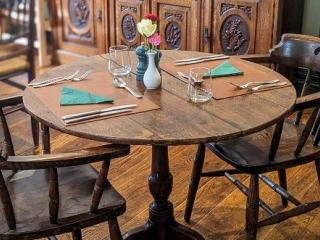
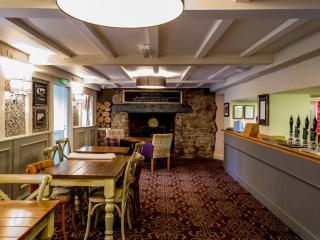
The Castle Coaching Inn
The Castle Coaching Inn is a refurbished Georgian hotel set on the edge of the Brecon Beacons National Park. It has ten stylish en suite rooms, a cosy bar, and a restaurant serving loca...
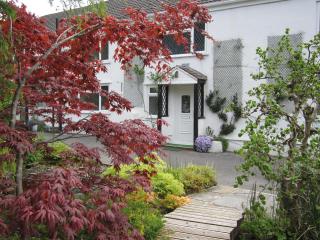
Cwmbach Cottages Guest House
This terrace of former miners' cottages has been restored to provide a range of thoughtfully furnished bedrooms, with one on the ground floor for easier access. Spacious public areas in...
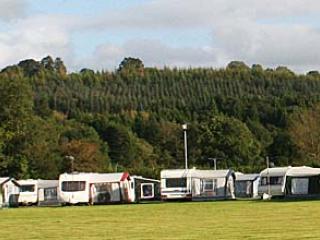
Llandovery Caravan Park
Within easy walking distance of the town centre and adjacent to the notable Llandovery Dragons Rugby Club, this constantly improving park is an ideal base for touring the Brecon Beacons...
Castle of Brecon
Set within the historic heart of Brecon, this charming hotel blends centuries of heritage with modern comfort. Reputed as Wales’ oldest hotel, The Castle of Brecon offers 42 individuall...
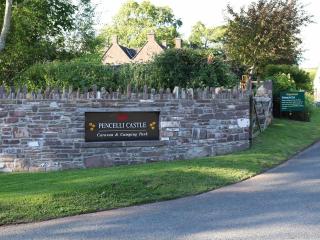
Pencelli Castle Caravan & Camping Park
Lying in the heart of the Brecon Beacons National Park, this charming park offers peace, beautiful scenery, high-quality facilities and a wildflower meadow. It is bordered by the Brecon...
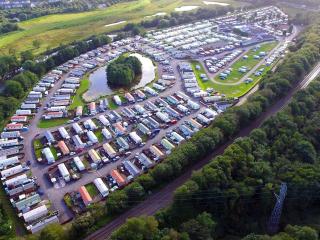
Riverside Caravan Park
A large and busy park close to the M4 but in a quiet location beside the River Taw. This friendly, family orientated site has a licensed club and bar with a full high-season entertainme...
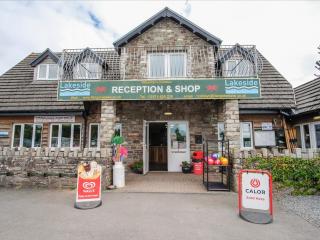
Lakeside Caravan Park
Surrounded by spectacular mountains and set close to Llangorse Lake, with mooring and launching facilities, Lakeside Caravan Park is a must-do holiday destination for lovers of outdoor ...
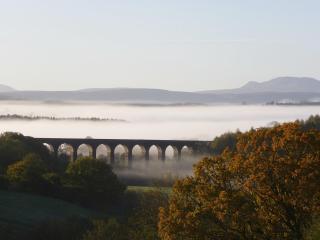
Llanerchindda Farm
Llanerchindda Farm is set in 50 acres of Welsh countryside with spectacular views over the Black Mountains and the Brecon Beacons. It makes an ideal base for various activities includin...