The Lenches

Recommended by
Walk directions

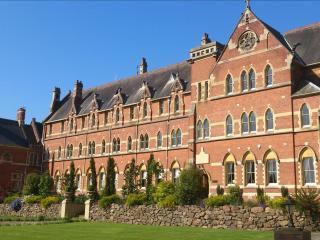
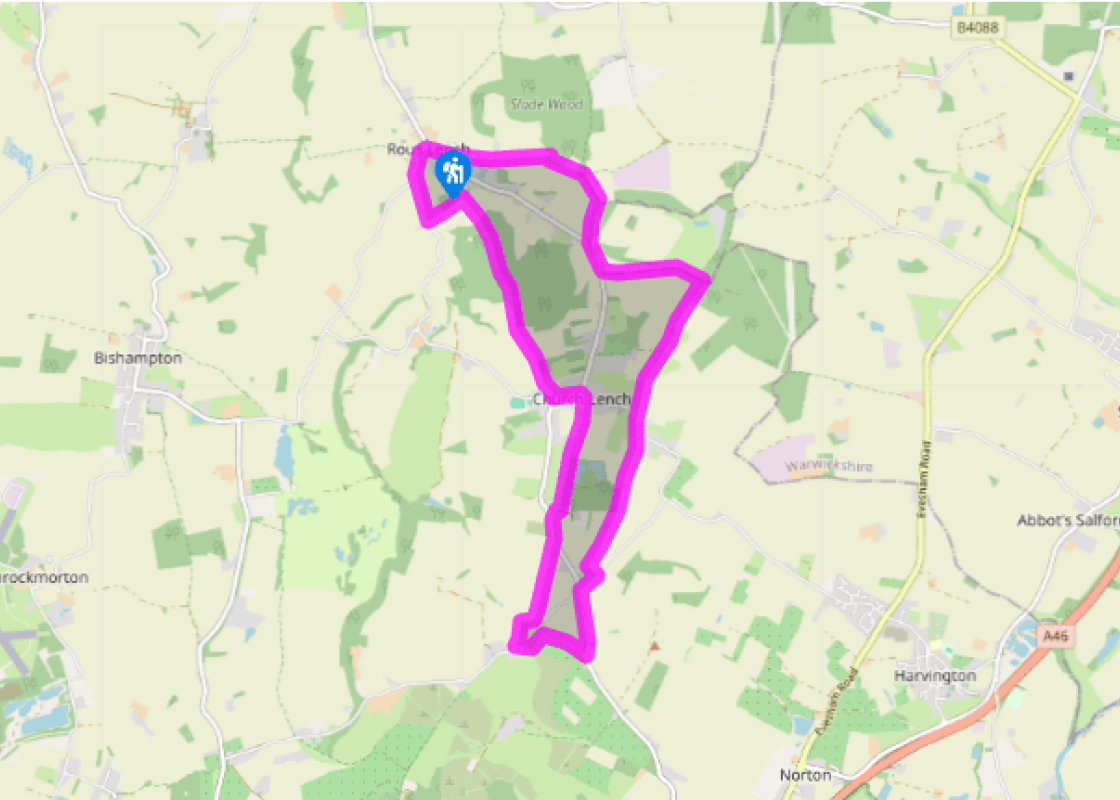
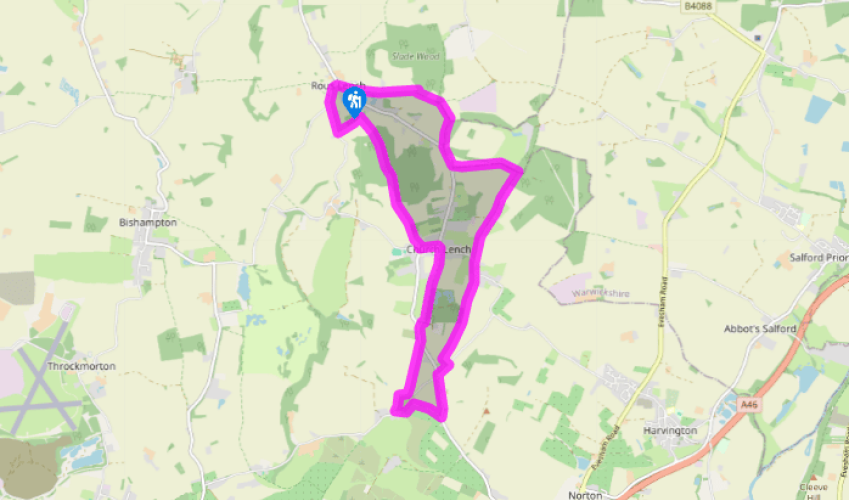
Head into churchyard and exit via a kissing gate into a field. Instantly, you’ll see views of the impressive Rous Lench Court ahead. Pass up the side of an old moat on your left and follow the line up beyond a very tall Wellingtonia to a stile. Cross a track to a further stile and climb towards pines and a stile (turn around for your first glimpse of The Malverns). Cross a field using the same line to a copse beyond.

Beneath a lime tree, cross a stile, skirt the edge of a fenced plantation to a stile. Maintain the right hand field margin to a metal gate. Pass between trees to a further gate and farm building. Take the bridleway half-right for 546yds (500m) to a road. Turn left and in 328yds (300m) left again beside decorative double electric gates (and just before a bridge) to walk beside a driveway then sunken path for 0.5 miles (800m). Arriving at a gravel track in woodland, turn right. Follow the track, becoming a lane, for 0.75 miles (1.2km), before joining a road to ‘Atch Lench’. Atch Lench has attractive half-timbered black and white houses that are worth a look on a short detour along the main street.

View all directions
Location
Additional information
  Terrain  - <p>Quiet lanes, farm tracks and field footpaths</p>
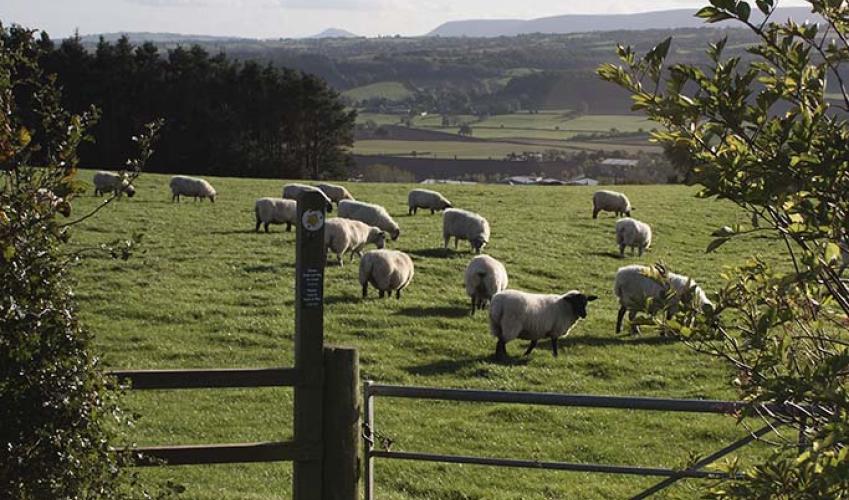
  Landscape  - <p>Rolling countryside, pastures, orchards and woodland</p>
  Dog friendliness  - <p>On lead near livestock though lots of off-lead opportunities between Points 2 and 3</p>
  Parking  - <p>Layby next to church in Rous Lench (avoid parking next to bus stop)</p>
  Toilets en route  - <p>None on route</p>
About the walk
On a ridge at the northern boundary of the Vale of Evesham sits a collection of five villages. All five bear the same name – Lench – each one with a preceding clue as to who once owned the villages. Collectively, the villages are known as The Lenches. All five villages once belonged to...
Read more
Been on this walk placeholder

Been on this walk?

Send us photos or a comment about this route. Or recommend a route of your own.

Walking in Safety placeholder

Walking in Safety

Read our tips to look after yourself and the environment when following this walk.
Get an AA guide placeholder

Get an AA guide

Explore our range of ‘50 Walks in’ guides - they’re the ideal companion for a ramble.
About the area
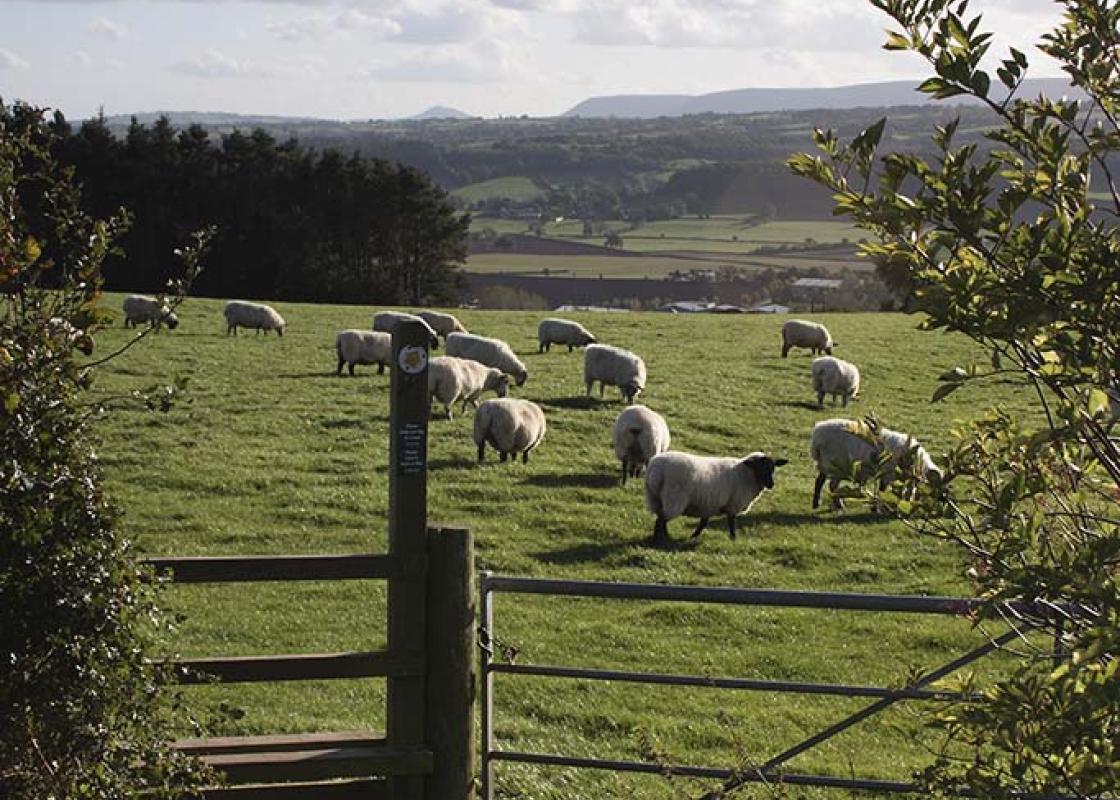
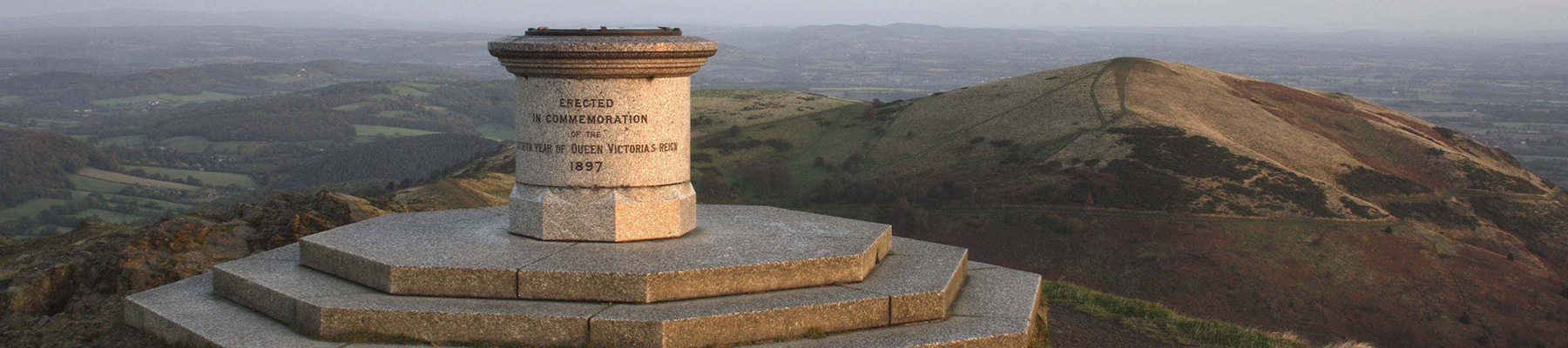
Worcestershire is a county of rolling hills, save for the flat Vale of Evesham in the east and the prominent spine of the Malverns in the west. Nearly all of the land is worked in some way; arable farming predominates – oilseed rape, cereals and potatoes – but there are concentrated areas of specific land uses, such as market gardening and plum growing.
Area image

The Lenches

Recommended by
Dog friendly
Location
Nearest postcode:
Additional information
  Terrain - <p>Quiet lanes, farm tracks and field footpaths</p>
  Landscape - <p>Rolling countryside, pastures, orchards and woodland</p>
  Dog friendliness - <p>On lead near livestock though lots of off-lead opportunities between Points 2 and 3</p>
  Parking - <p>Layby next to church in Rous Lench (avoid parking next to bus stop)</p>
  Toilets en route - <p>None on route</p>
About the walk
On a ridge at the northern boundary of the Vale of Evesham sits a collection of five villages. All five bear the same name – Lench – each one with a preceding clue as to who once owned the villages. Collectively, the villages are known as The Lenches. All five villages once belonged to...
Read more
Been on this walk placeholder

Been on this walk?

Send us photos or a comment about this route. Or recommend a route of your own.

Walking in Safety placeholder

Walking in Safety

Read our tips to look after yourself and the environment when following this walk.

Get an AA guide placeholder

Get an AA guide

Explore our range of ‘50 Walks in’ guides - they’re the ideal companion for a ramble.

About the area
Area image
Worcestershire
Worcestershire is a county of rolling hills, save for the flat Vale of Evesham in the east and the prominent spine of the Malverns in the west. Nearly all of the land is worked in some way; arable farming predominates – oilseed rape, cereals and potatoes – but there are concentrated areas of specific land uses, such as market gardening and plum growing.