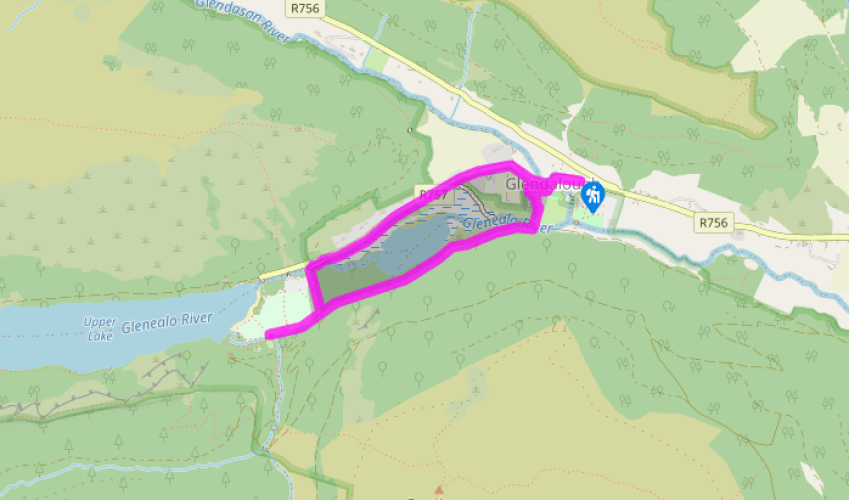
A pilgrimage to Glendalough
 Our view
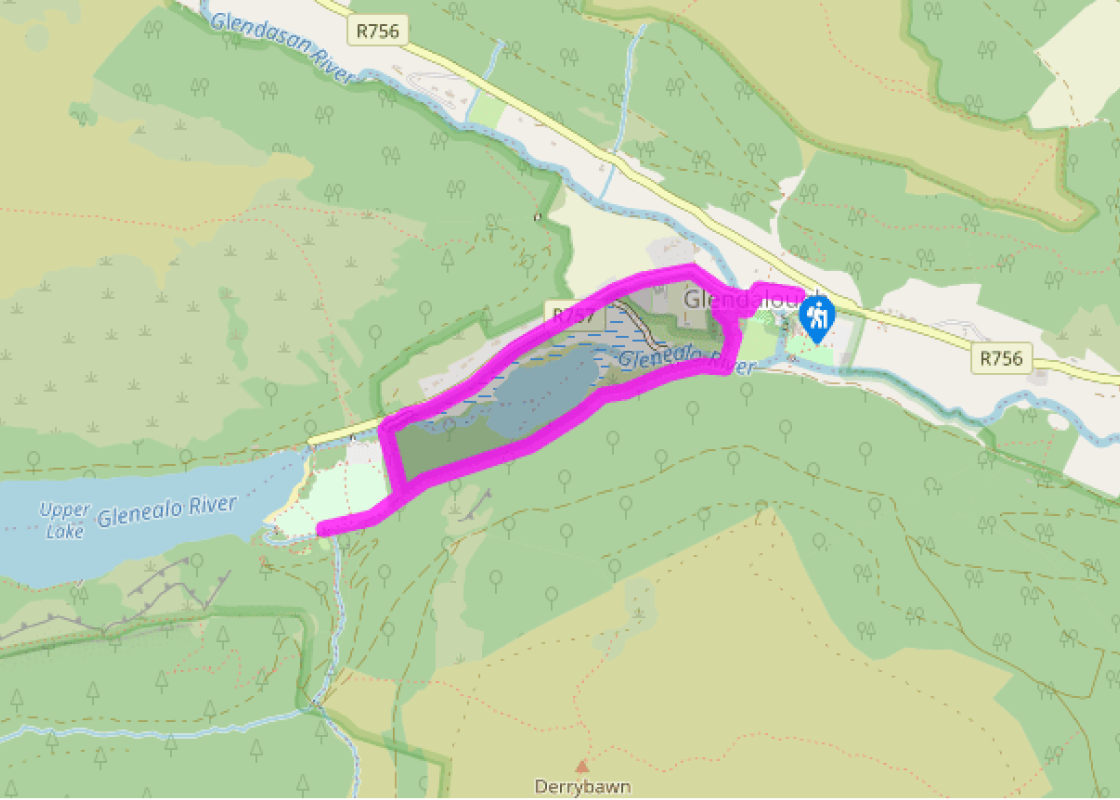
From the bus stop on the R756 road from Dublin, next to the car park on your left, walk up to the Glendalough Visitor Centre. Start your exploration of Glendalough with a visit to the centre’s exhibition and multimedia show, which helps to place the site in its historical context. Most of Glendalough’s buildings were built between the 8th and 12th centuries AD. All show the ravages of time, but some are in better shape than others, having been restored in the late 19th century. Like all Ireland’s monasteries, Glendalough and its treasures attracted the unwelcome attention of Viking marauders from the late 9th century onwards, and it was repeatedly looted and pillaged. It gained a respite after the Dublin Vikings accepted Christianity in the 11th century, and after the Anglo-Norman conquest of Dublin it received some protection from the new English rulers. In 1398, however, it was partly destroyed by King Richard II’s troops during one of Ireland’s many rebellions against English rule. Glendalough’s final downfall came with Henry VIII’s dissolution of the monasteries of Ireland in 1539, but devout Catholics continued to make pilgrimages to St Kevin’s shrine, as many do to this day.
From the visitor centre, take the road that forks left round the visitor centre to the stone gateway to enter the site. This grey stone archway is the original entrance to the monastery precincts and is the only monastery gatehouse still standing in Ireland.
Been on this walk?
Send us photos or a comment about this route. Or recommend a route of your own.

Walking in Safety
Read our tips to look after yourself and the environment when following this walk.
Get an AA guide
Explore our range of ‘50 Walks in’ guides - they’re the ideal companion for a ramble.
Been on this walk?
Send us photos or a comment about this route. Or recommend a route of your own.
Walking in Safety
Read our tips to look after yourself and the environment when following this walk.
Get an AA guide
Explore our range of ‘50 Walks in’ guides - they’re the ideal companion for a ramble.
Nearby places to stay
View all (3)
- Family rooms: 0

- En-suite rooms:
- Family rooms: