Cowgill and the River Dee
Walk directions
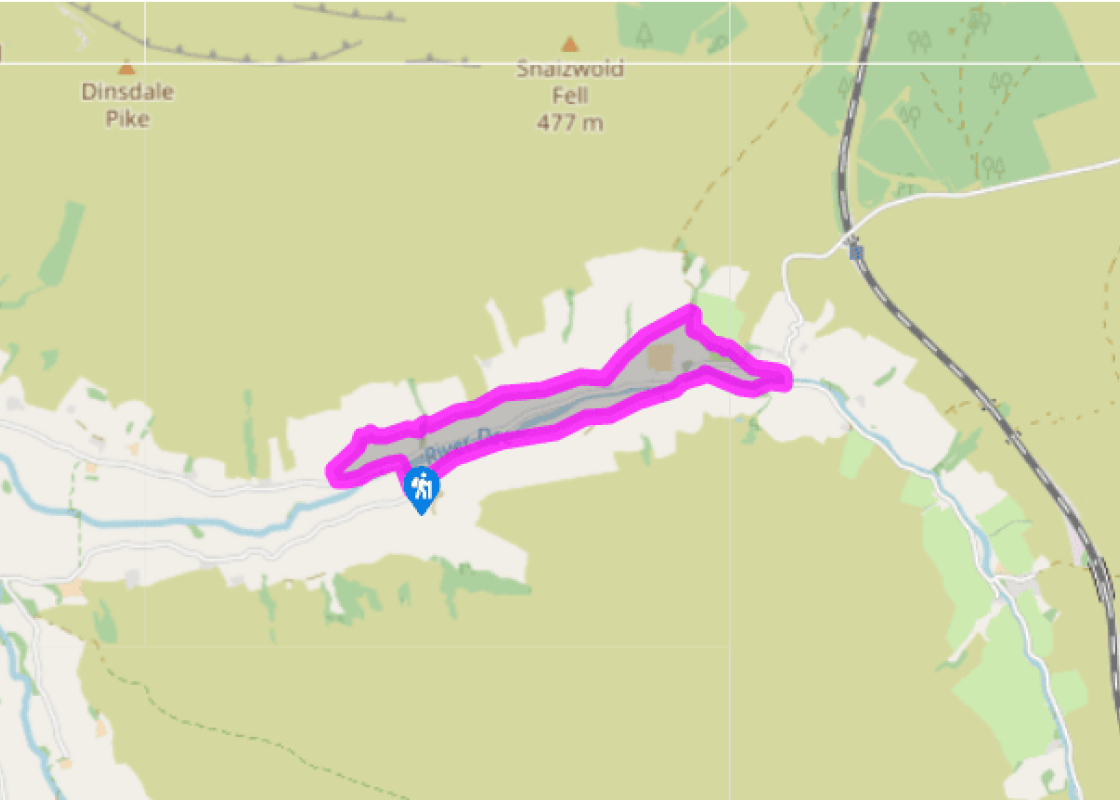
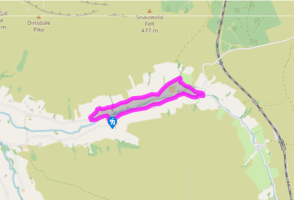
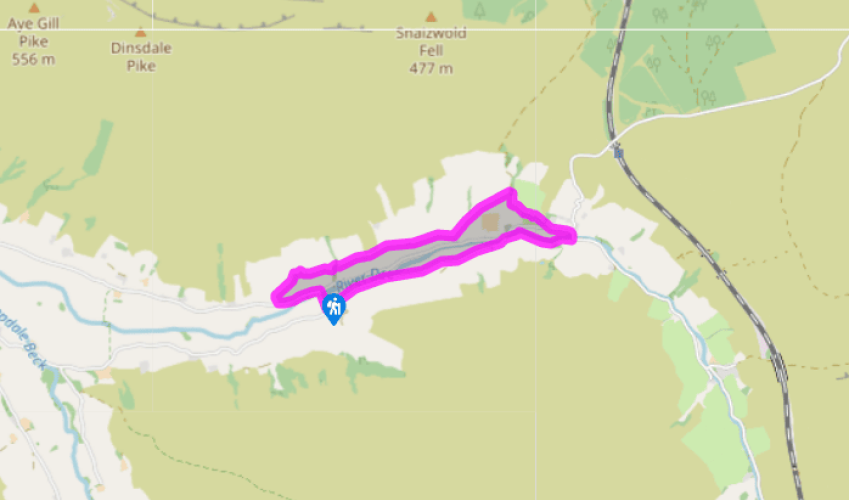
Opposite the car park entrance, a short footpath leads to a footbridge. Cross, then head across the field to a gate and turn left along the road. Follow the road for 1 mile (1.6km) until you get to a stone bridge over the River Dee.
Don't cross the bridge, but go over a stile signed 'Lea Yeat' and continue along the riverside path until a wooden stile leads onto Lea Yeat Bridge. Cross the bridge, then turn left at the signpost towards Dent and Sedbergh.
Just beyond the postbox on the left, follow a sign on the right to Dockra Bridge. Go a short way up the drive for Cowgill Grange, then bear left behind another house to a stile. Continue to walk below another house, then bear right to a gate. Continue through more gates to skirt left of another house and out to a track. Go right and soon reach Dockra Bridge.
Cross the bridge, bend right, then go over a stile on your left. Go half left to a stile in a crossing wall. Continue with a wall on your left and cross a track to a waymarked gate. Go right of a barn, through a gateway below a power line and cross a small stream. Bear left across a field to a signpost and stile by a farm.
Go half right to another stile. Continue along a wall to another stile and footbridge, then head towards farm buildings. Follow the track through the farmyard, then turn right immediately after the farmhouse, before a stone barn. Go left behind the barn to a bridge with steps and a gated stile beyond.
Cross the field to another stile in the corner. Just beyond, turn right along a track. As it bends right, go straight ahead to pass below a house and down to a gate. Go round behind another house to a wooden stile. Go ahead across the field to a stone stile, then go left of the barn onto a track over a stream.
Curve round left of the next barn and follow the wall. At the next farm buildings, go through a metal gate by a barn, then follow the walled, often wet, track bending right. At the next gate bear left, go through a stile, go to the right of the farm building and onto a track. Turn right, bear left through a waymarked gate, pass the farmhouse and follow the track to the road. Turn left to return to the car park; you can join a parallel path through the trees near the end.
Additional information
Terrain
- Tracks, field and riverside paths, some roads, 17 stiles
Landscape
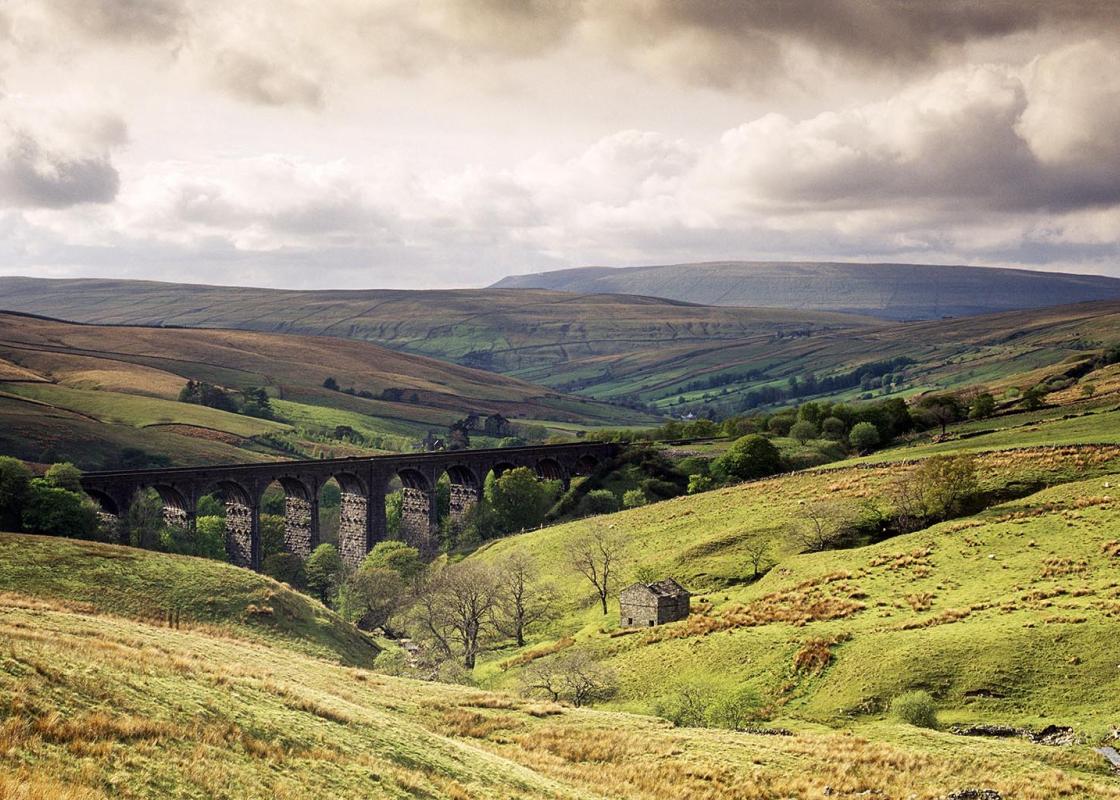
- Lush valley bottom, views of the fells and farmland
Dog friendliness
- Keep under close control; lots of stiles
Parking
- Parking place at Ibbeth Peril
Toilets en route
- None on route
About the walk
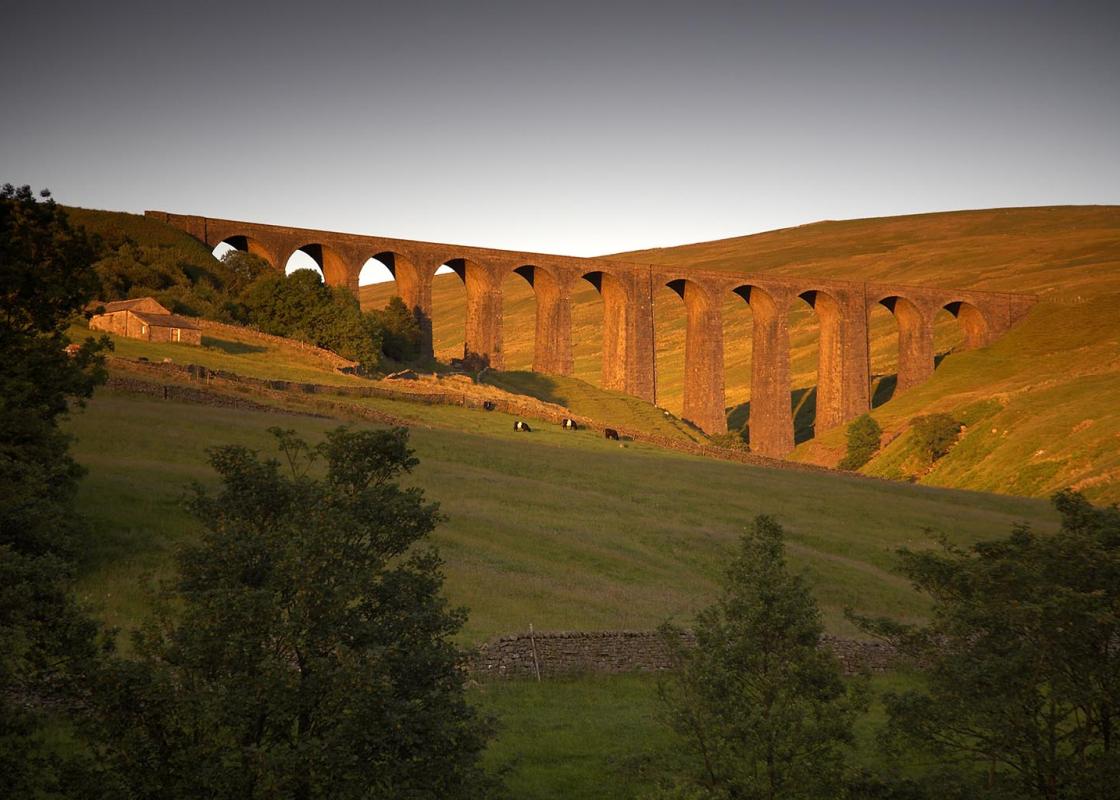
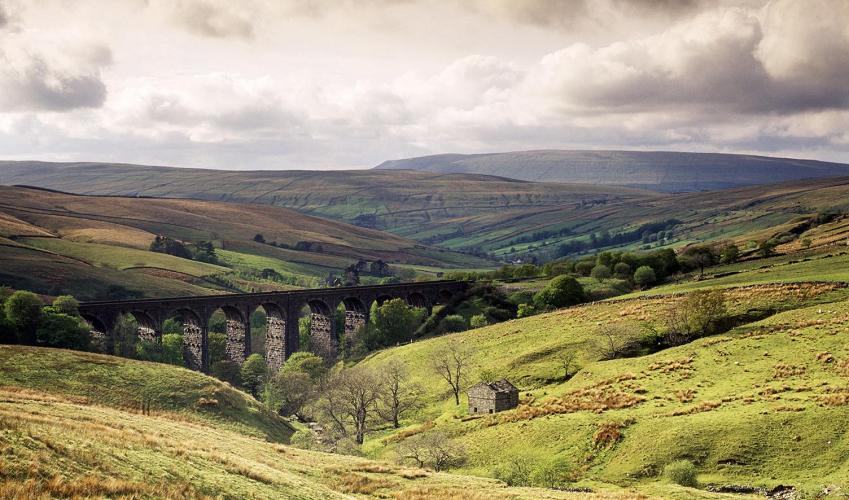
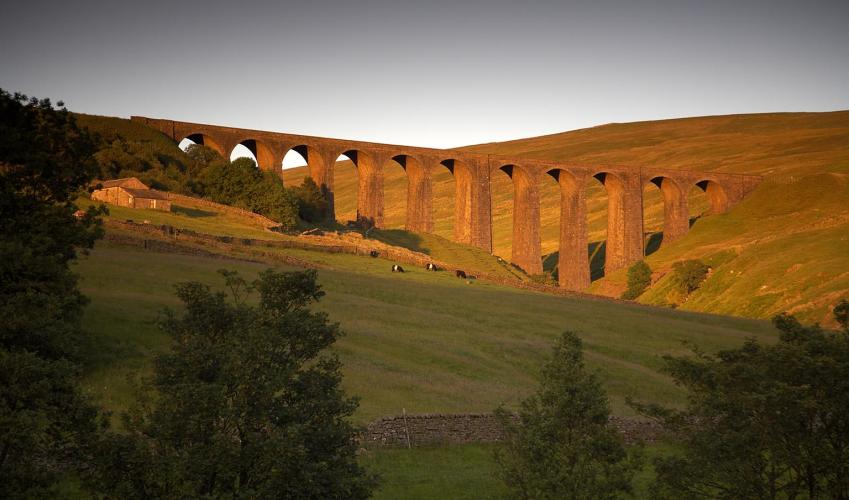
Cowgill, near the narrow head of Dentdale, is a cluster of houses alongside the River Dee. Now mostly an agricultural, holiday and residential settlement, in the past it housed both miners and mill workers – near Ewegales Bridge was Dee Mill, where worsteds were spun at the beginning of the 19th... century. The fast-flowing Dee, which may be named after a Celtic river goddess, and in turn gives its name to Dentdale, provided the motive power; it tumbles and slides across limestone terraces and through gorges on its way to join the River Rawthey near Sedbergh. Though innocent in good weather, the river can be fierce after rain – in 1870 Ewegales Bridge and Lea Yeat Bridge, both on the walk, were swept away. Perilous Undertaking The start of the walk crosses a footbridge over the river as it rushes through a gorge where there is a waterfall called Ibbeth Peril. The waterfall has a cave (reputedly the home of a witch called Ibby) behind it – just one of a series of caves and passages that riddle the limestone in this part of the dale. Much favoured by speleologists, access to the main system (for the experienced only) is through a narrow entrance in the riverbank, which leads to a passage eventually opening into a large cavern. There are other caverns and underground waterfalls beyond, though the whole system has yet to be explored in full. The Queen Intervenes St John's Church at Cowgill, seen across the river near Ewegales Bridge, owes much to geologist Adam Sedgwick. His sister started a Sunday school in Cowgill at the beginning of the 19th century, and by the 1830s there was a pressing need for a church. Sedgwick himself laid the foundation stone in 1837, when a crowd of 700 gathered in celebration. 'I handled the trowel,' he later wrote, 'and laid the stone, then addressed my countrymen, after which we again uncurled ourselves into a long string to the tune of God Save the King and the strangers, school children, and some others went down to Dent and had cold meat and coffee at the old parsonage. My sister made thirty-six gallons of coffee in a brewing vessel.' The early days of the chapel were not straightforward; diocesan officials first failed to register it as a place of worship at all, then called it by the wrong name. It took the personal intervention of Queen Victoria – Sedgwick had been a close acquaintance of Prince Albert – to sort out the mess.
Read more
Been on this walk?
Send us photos or a comment about this route. Or recommend a route of your own.
Walking in Safety
Read our tips to look after yourself and the environment when following this walk.
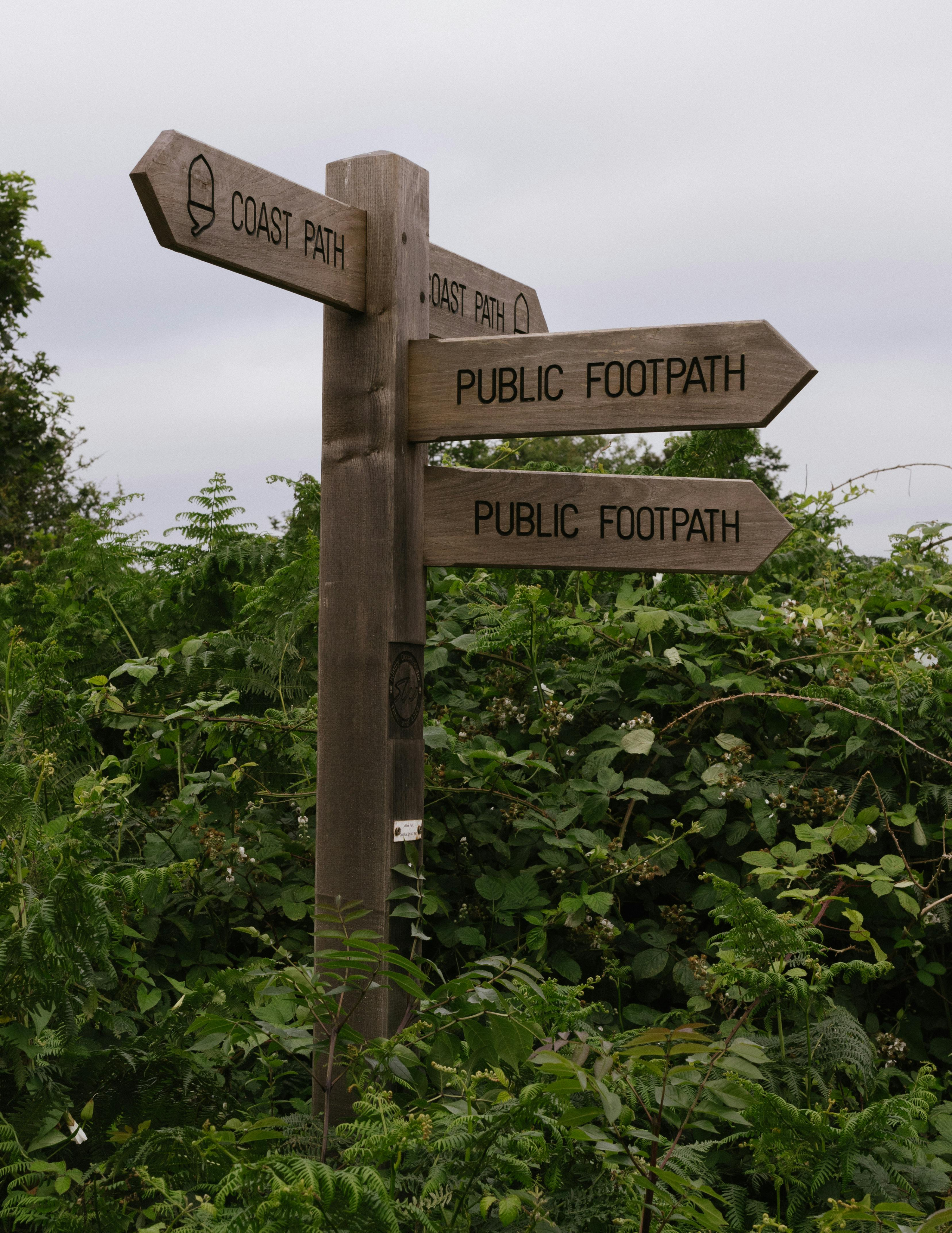
Get an AA guide
Explore our range of ‘50 Walks in’ guides - they’re the ideal companion for a ramble.
Been on this walk?
Send us photos or a comment about this route. Or recommend a route of your own.
Walking in Safety
Read our tips to look after yourself and the environment when following this walk.
Get an AA guide
Explore our range of ‘50 Walks in’ guides - they’re the ideal companion for a ramble.
About the area
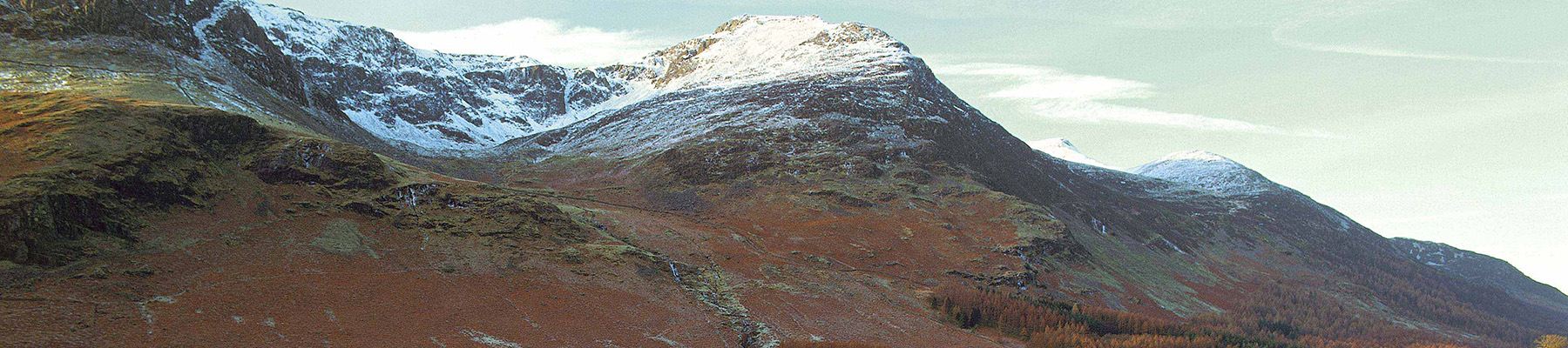
Cumbria's rugged yet beautiful landscape is best known for the Lake District National Park that sits within its boundaries. It’s famous for Lake Windermere, England’s largest lake, and Derwent Water, ‘Queen of the English Lakes', but other lesser-known areas in the south, such as the Lune Valley and the coastal towns, are secret gems of wide cobbled streets and rolling hills.
Nearby places to stay
View all (8)
Nearby places to stay
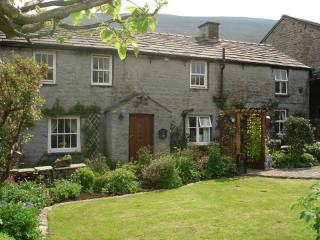
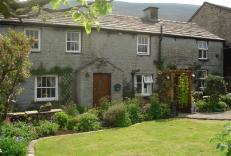
Mire Garth
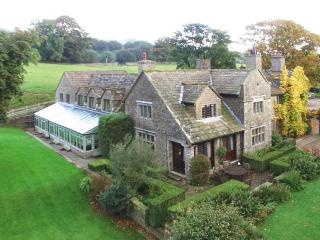
Up a single-track road three miles from Dent, in a beautiful natural amphitheatre, lies stone-built, 17th-century Mire Garth and its lovingly tended garden. Here, on the north-western f...
★★★★ Rating
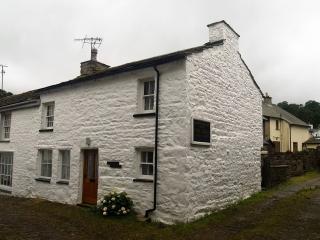
Mire Garth
Up a single-track road three miles from Dent, in a beautiful natural amphitheatre, lies stone-built, 17th-century Mire Garth and its lovingly tended garden. Here, on the north-western f...
★★★★ Rating
Middleton's Cottage
Awaiting description...
★★★ Rating
Middleton's Cottage and Fountain Cottage
Both cottages date from the 17th or 18th century and have been updated to provide cosy accommodation for upto 4 people. They are located on the cobbled Main Street in Dent close to the...
★★★ Rating
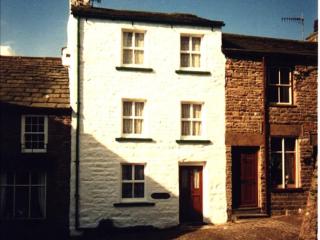
Fountain Cottage
Awaiting description...
★★★ Rating
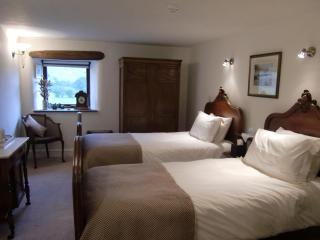
The Old Craft Barn
The Old Craft Barn is located in Dentdale on the western edge of the Yorkshire Dales, and is ideal for visiting both the Dales and the Lake District. There are three individually design...
★★★★★ Rating
Thorns Hall
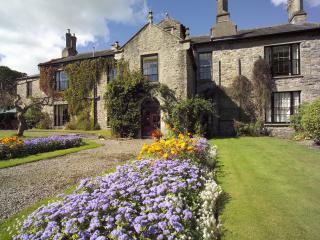
An intimate, stone-built manor house dating from 1535, Thorns Hall delivers historic charm with its oak-panelled public rooms, open fireplaces and cobbled courtyard. After a day’s hikin...
★★★★ Rating
The Black Bull
The Black Bull, a former 17th century coaching inn, has been lovingly and sympathetically restored. Each of the guest rooms is named after a local fell, referencing the inn's deep-seate...
★★★★★ Rating
Places to eat nearby View all