From Eskdale to Miterdale
"Discovering peaceful hills that were once a Norman hunting preserve."
Walk directions
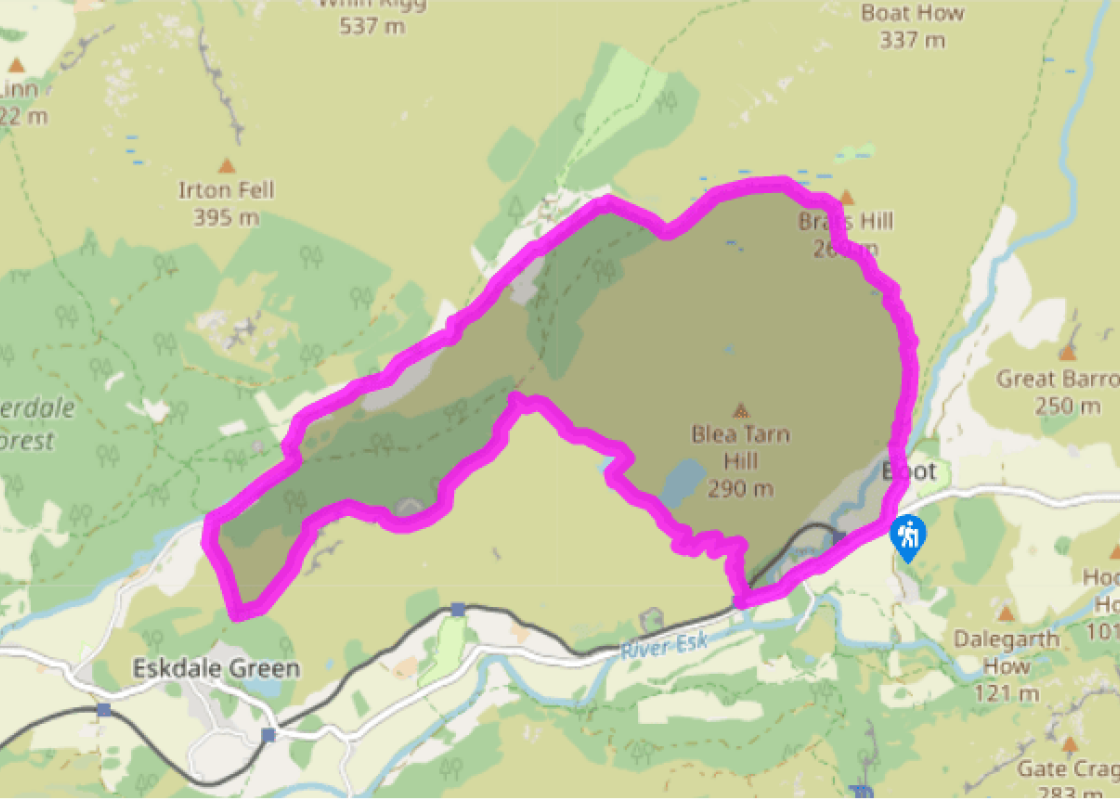
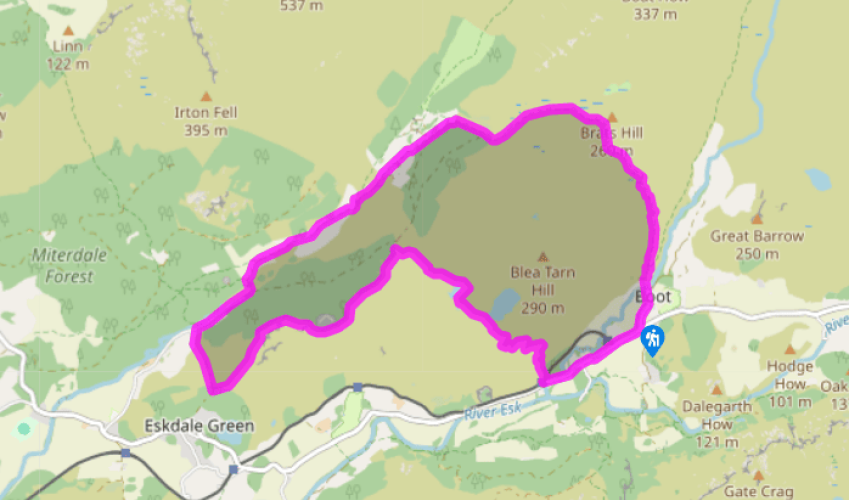
From the car park turn right down the valley road. At Beckfoot railway halt cross the line to a gate. A clear path starts by a wall then zig-zags up the hillside. Approaching Blea Tarn, go left, crossing a stream.
A few paces past a low tumbledown wall, fork right on a narrower path. This skirts right of Blind and Siney tarns. Keep left at a fork and pass a lone tree. Go left again before the slope drops away ahead. Pick the driest route across marshy ground, aiming for a wall around a conifer plantation.
Keep the wall on your right and reach a stile over a fence. Continue along the wall for another 0.75 miles (1.2km). As another wall converges, bear right to a gate in the corner and follow a short walled track to a junction. Another right turn takes you into Miterdale.
Turn right on a tarmac lane at the bottom of the track. Follow this and its stony continuation to a bridge over the River Mite, after which bear right and continue up the valley to Low Place Farm.
Walk past the farmhouse then take a gate on the right, signed ‘Wasdale’. Walk upstream then cross a slightly hidden bridge to a track that continues along the opposite bank. Keep ahead for just under 0.75 miles (1.2km) before climbing more steeply to a gate at the far end of a cleared plantation. Immediately after, turn right and climb steeply beside the wall to a gate and stile at the top.
Bear left, cross a beck (Black Gill) and fork right, climbing gently over the moor. Pass a prominent boulder and follow the path bearing right across a slight dip to a couple of low stone circles.
Bear right at the second circle, and keep right past a wider circle and under a rocky outcrop. Go over a small rise then fork left on a vague path past a large cairn. A group of stone huts comes into view. Below these a clear track descends rightwards.
Follow the track down Boot Bank and into Boot. Cross Whillan Beck by Eskdale Mill to continue through the village. At the end turn right to Dalegarth Station and the start of your walk.
Additional information
Terrain
- Good paths in valleys, but often indistinct on hills
Landscape
- Heath and moor, with views across surrounding valleys
Dog friendliness
- On lead as sheep roam moors
Parking
- Car park beside Dalegarth Station (pay-and-display)
Toilets en route
- At Dalegarth Station
About the walk
Although William the Conqueror arrived in England in 1066, much of the North remained controlled by the Scots, and it was not until William II took Carlisle in 1092 that Norman influence spread through Lakeland. Some settlement was encouraged and land granted to found monastic houses, but much of... the mountainous area remained undeveloped. The main reason for this lay in the Normans’ almost fanatical devotion to the hunt, an activity exclusively reserved for the king and a few favoured subjects. Vast tracts of this northern ‘wasteland’ were ‘afforested’ – not in today’s sense with the planting of trees, but rather set aside as wild game reserves and subject to special regulation, the Forest Law. Noble hunting ground The area around Eskdale lay within the barony of Copeland, a name which derives from the Old Norse kaupaland meaning ‘bought land’, and was granted to William de Briquessart in the early 12th century. His forest, together with the neighbouring Derwentfells Forest, extended all the way from the Esk to the Derwent and remained under Forest Law for more than a century. The forest was not devoid of settlement, but the few peasants who lived within its bounds were subject to many draconian laws that affected almost every aspect of their meagre existence. The clearance of additional land for grazing or cultivation, known as ‘assarting’, was forbidden and it was illegal to allow cattle or sheep to stray into the forest. Felling a tree for timber to repair a cottage or fencing required special permission, and even the collection of wood for fuel was strictly controlled. The estate was policed by foresters, who brought malefactors before the forest courts for judgement. The penalties were often severe, ranging from fines for minor infringements to flogging, mutilation or even death for poaching. Often near to starvation themselves, the commoners were required to assist as beaters, butchers and carriers for the hunts, and watch their overlords kill perhaps 100 deer in a single day. Yet if game animals broke through the fences around their allotments and destroyed the paltry crop, they were powerless to do anything more drastic than chase them away. The hunting preserve gradually diminished during the 13th century, as larger areas were turned over to sheep farming. Constant nibbling has prevented the regeneration of natural woodland, leaving the open landscape now so characteristic of the area.
Read more
Been on this walk?
Send us photos or a comment about this route. Or recommend a route of your own.

Walking in Safety
Read our tips to look after yourself and the environment when following this walk.
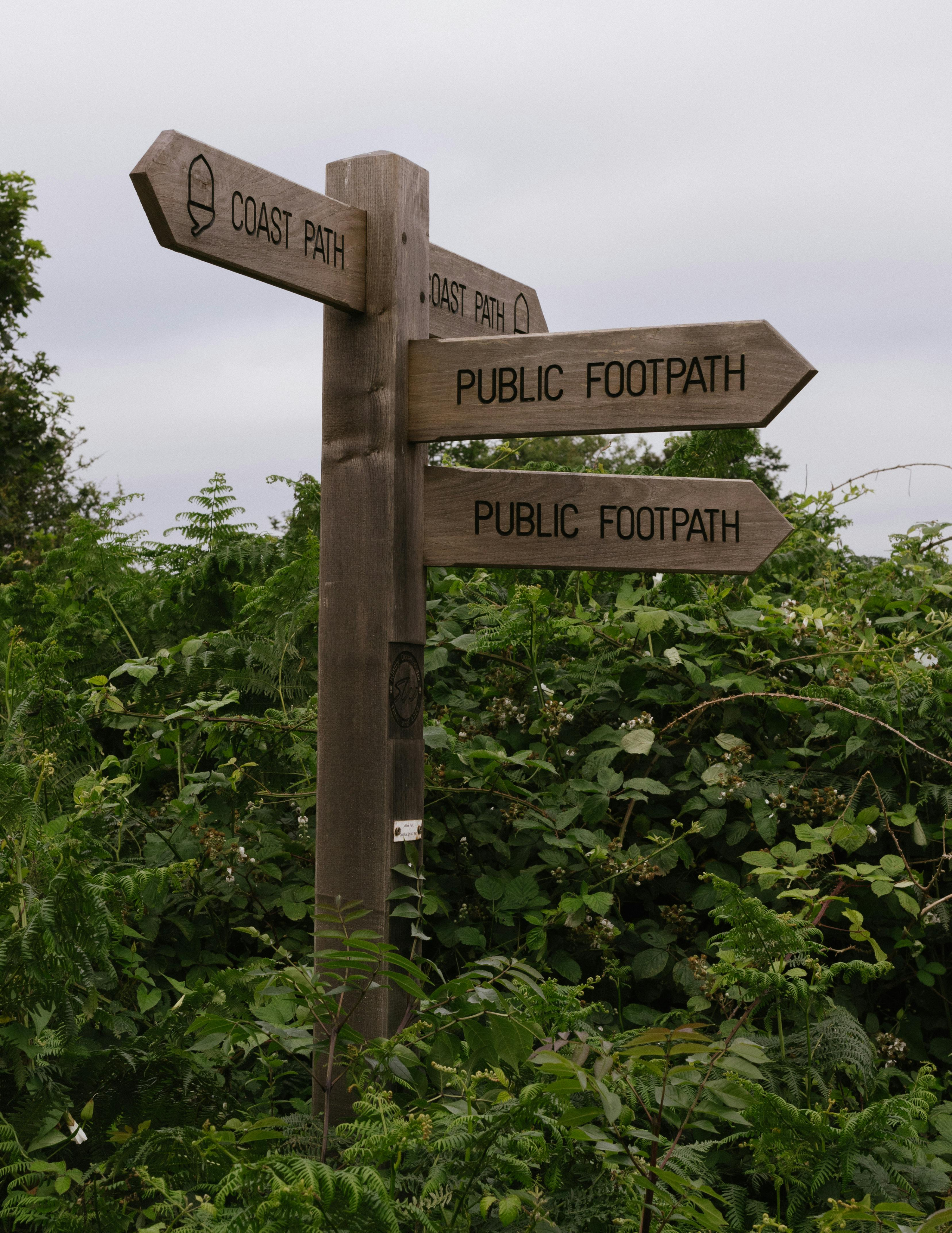
Get an AA guide
Explore our range of ‘50 Walks in’ guides - they’re the ideal companion for a ramble.
Been on this walk?
Send us photos or a comment about this route. Or recommend a route of your own.
Walking in Safety
Read our tips to look after yourself and the environment when following this walk.
Get an AA guide
Explore our range of ‘50 Walks in’ guides - they’re the ideal companion for a ramble.
About the area
Cumbria's rugged yet beautiful landscape is best known for the Lake District National Park that sits within its boundaries. It’s famous for Lake Windermere, England’s largest lake, and Derwent Water, ‘Queen of the English Lakes', but other lesser-known areas in the south, such as the Lune Valley and the coastal towns, are secret gems of wide cobbled streets and rolling hills.
Nearby places to stay
View all (8)
Self-Catering
Church House
★★★★★
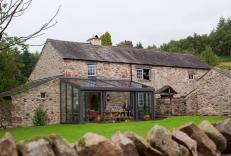
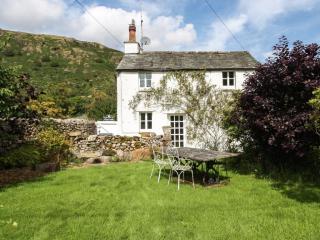
"Idyllic Lakeland farmhouse with mod cons and plenty of character...."
- Total units: 1
- Private garden
- Washing machine
- Sky or freeview
Nearby places to stay
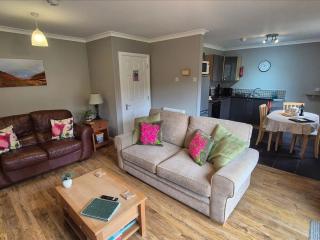
Lane End
The hamlet of Boot nestles in the Eskdale valley, one of the more tranquil valleys of the Lake District. Lane End holiday cottage is a rare find, a true gentleman's residence superbly d...
★★★★ Rating
Lane End
The hamlet of Boot nestles in the Eskdale valley, one of the more tranquil valleys of the Lake District. Lane End holiday cottage is a rare find, a true gentleman's residence superbly d...
★★★★ Rating
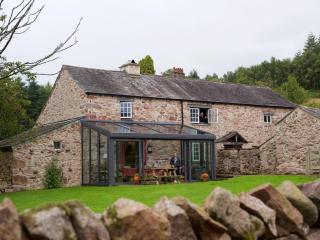
Church House
Church House is a beautifully renovated Lakeland farmhouse in a stunning location by the church and River Esk. Reached via the single track lane, the house is set in two acres of garden...
★★★★★ Rating
Church House
Church House is a beautifully renovated Lakeland farmhouse in a stunning location by the church and River Esk. Reached via the single track lane, the house is set in two acres of garden...
★★★★★ Rating
Oak Chalet
Awaiting description...
★★★★ Rating
Maple Chalet
Awaiting description...
★★★★ Rating
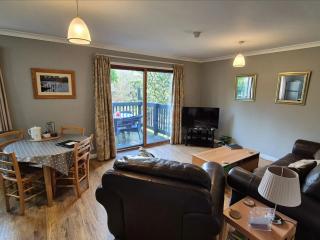
The Chalets
At The Chalets you will find four Self-catering cottages, close to the village of Boot. Each chalet is spacious and beautifully furnished. Set in large, mature riverside gardens on the ...
★★★★ Rating
Larch Chalet
Awaiting description...
★★★★ Rating
Places to eat nearby View all