Chatsworth Park and Gardens
Recommended by

Our view
"Explore the landscape created by Joseph Paxton and the 6th Duke of Devonshire; and contrast it with some rugged deer park away from the house"
Walk directions
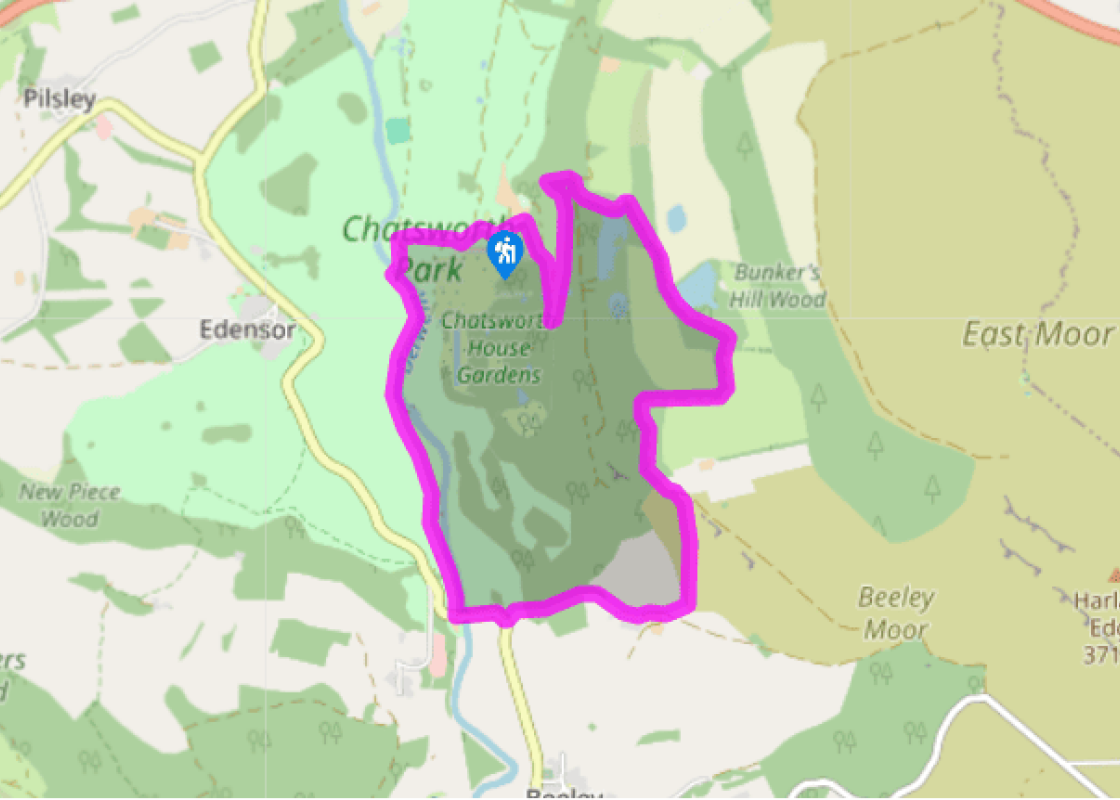
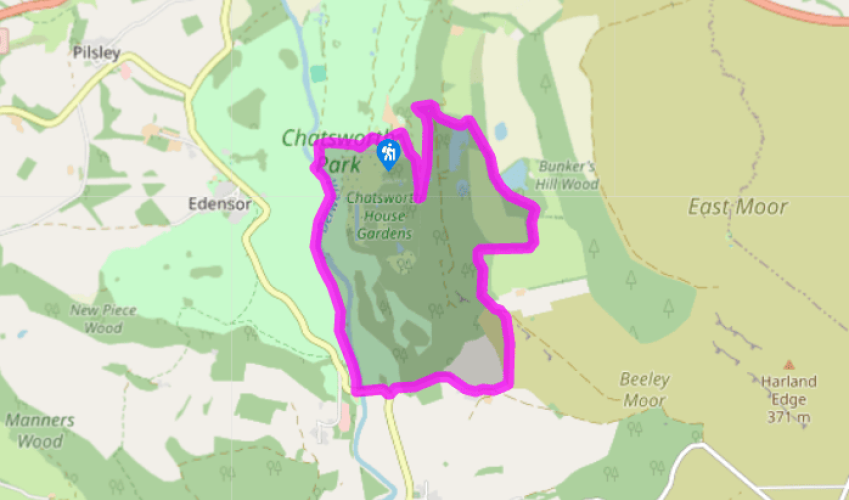
Head to the bottom of the car park, and pass the former Game Larder. Now follow exit signs out to the northern edge of the car park. Take the pedestrian/’estate traffic only’ tarmac track heading north. For the walk extension continue ahead, otherwise cut across parkland left towards Queen Mary’s Bower. Head left and back through a gate to the main drive to Chatsworth House then cross the road bridge on your right.
Immediately after the bridge, cross the road and walk downhill to the riverbank. Follow the River Derwent past a couple of weirs and the remains of an old mill to the next bridge which carries the B6012 over the river. Go through a metal kissing gate on to the road and across the narrow bridge.
View all directions
Additional information
Terrain
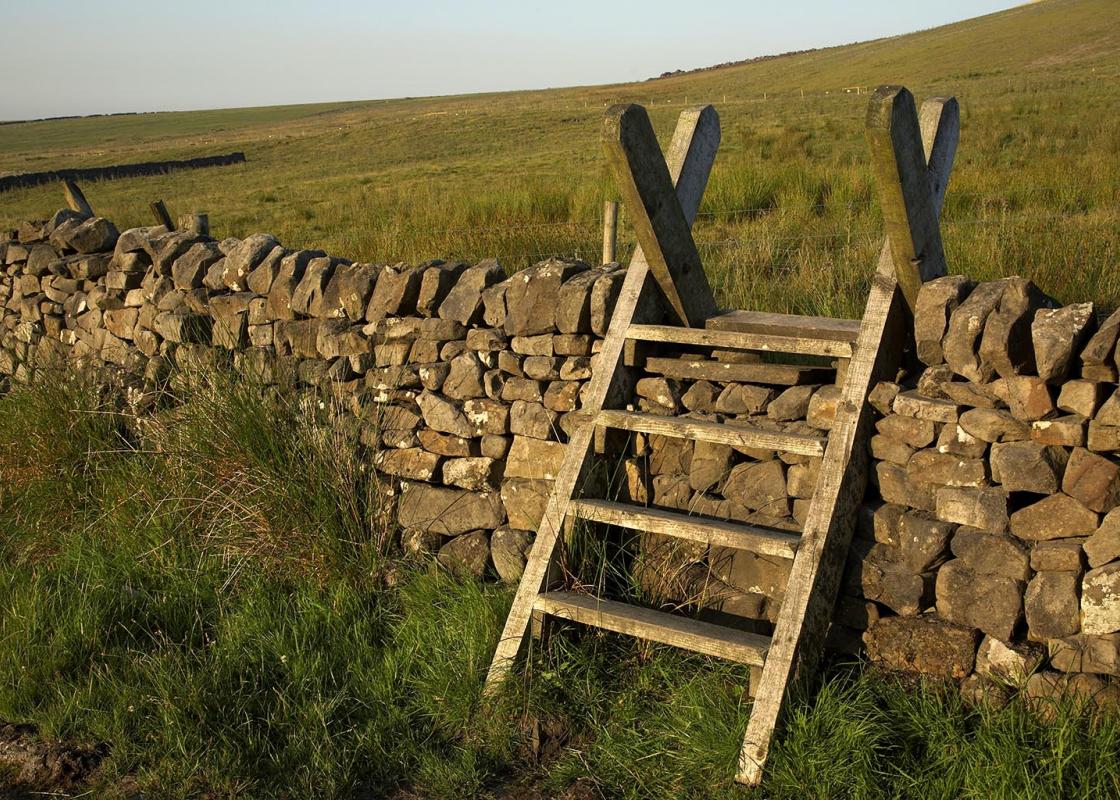
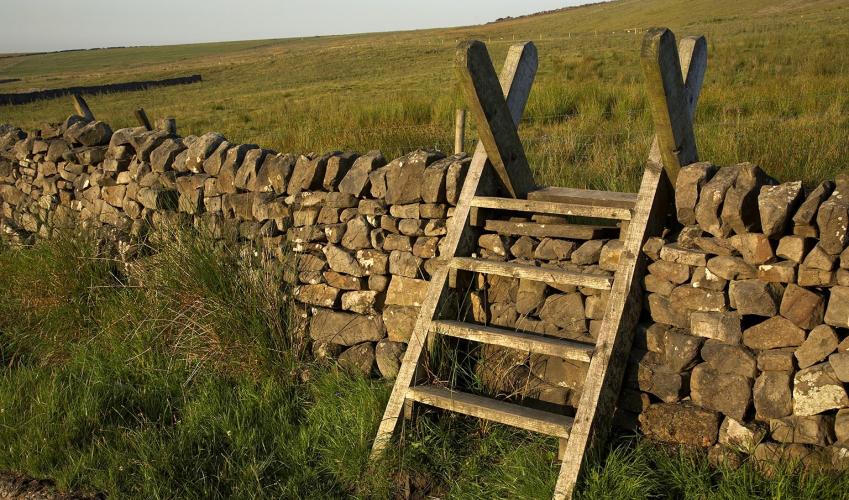
- Mostly good paths and forest trails, estate roads, rougher and sometimes muddy in deer park, narrow road bridge, no pavement at Calton Lees Bridge, 2 stiles
Landscape
- Parkland, woodland and rugged moorland
Dog friendliness
- Keep on lead at all times
Parking
- Chatsworth House car park (pay car park)
Toilets en route
- In the stable block
About the walk
Sitting on the banks of the River Derwent, surrounded by lush green parkland, moors and a backdrop of wooded hillsides, Chatsworth is one of the most elegant and popular of England’s stately homes. First opened to the public in 1844 it continues to attract large numbers of visitors. Work first...
Read more

Been on this walk?
Send us photos or a comment about this route. Or recommend a route of your own.

Walking in Safety
Read our tips to look after yourself and the environment when following this walk.
Get an AA guide
Explore our range of ‘50 Walks in’ guides - they’re the ideal companion for a ramble.
Been on this walk?
Send us photos or a comment about this route. Or recommend a route of your own.
Walking in Safety
Read our tips to look after yourself and the environment when following this walk.
Get an AA guide
Explore our range of ‘50 Walks in’ guides - they’re the ideal companion for a ramble.
About the area
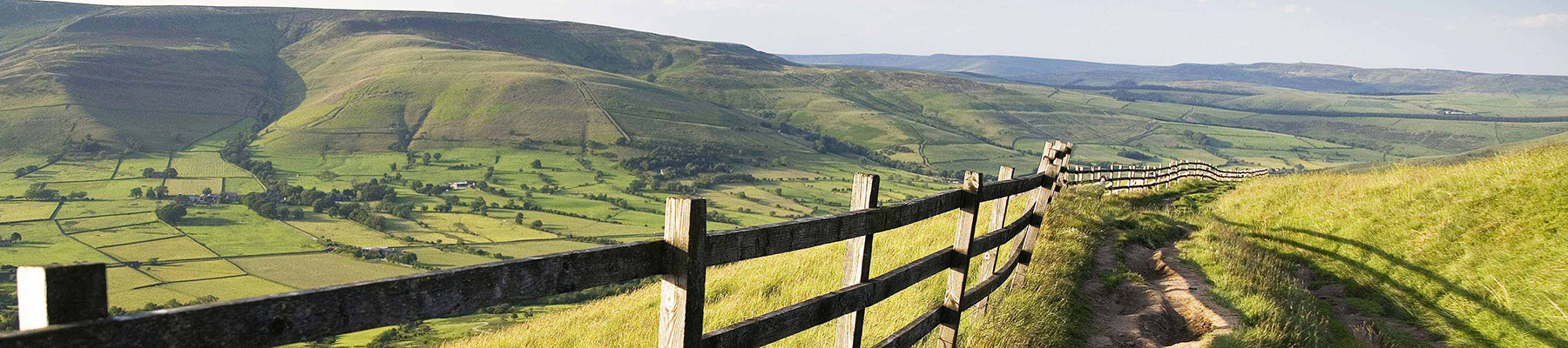
The natural features of this central English county range from the modest heights of the Peak District National Park, where Kinder Scout stands at 2,088 ft (636 m), to the depths of its remarkable underground caverns, floodlit to reveal exquisite Blue John stone. Walkers and cyclists will enjoy the High Peak Trail which extends from the Derwent Valley to the limestone plateau near Buxton, and for many, the spectacular scenery is what draws them to the area.
Nearby places to stay
View all (8)
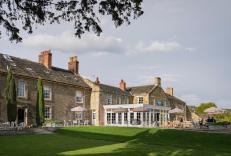




Nearby places to stay
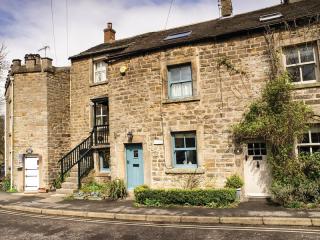
Baslow Cottage
Close to the River Derwent, overlooking Chatsworth Park, Baslow Cottage is a cosy stone-built cottage in the centre of the lovely village of Baslow. Just cross the river for a visit to ...
Baslow Cottage
Close to the River Derwent, overlooking Chatsworth Park, Baslow Cottage is a cosy stone-built cottage in the centre of the lovely village of Baslow. Just cross the river for a visit to ...
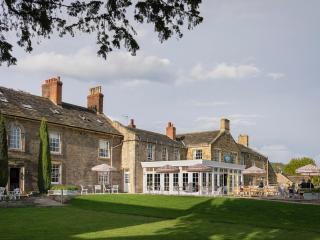
The Cavendish Hotel
Cavendish Hotel is a stylish property, dating back to the 18th century, and situated on the outskirts of the Chatsworth Estate. All rooms enjoy far-reaching views across the estate and ...
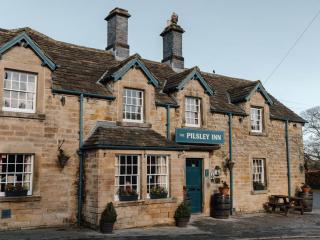
The Pilsley Inn
Pilsley Inn, part of the Chatworth Escapes collection, (formerly The Devonshire Arms at Pilsley) is just two miles from Chatsworth House, and also a minute's walk from the Chatsworth fa...
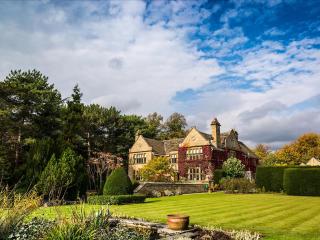
Fischer's Baslow Hall
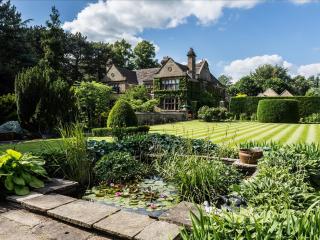
Located at the end of a chestnut tree-lined drive on the edge of the Chatsworth Estate, Fischer's Baslow Hall is a beautiful Derbyshire manor house that sits in marvellous gardens and o...
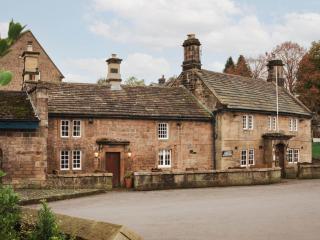
The Beeley Inn
The Beeley inn, part of the Chatworth Escapes collection (formerly The Devonshire Arms at Beeley) is a charming 18th-century village inn, located on the Chatsworth Estate, with Chatswor...
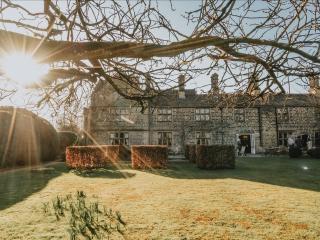
The Peacock at Rowsley
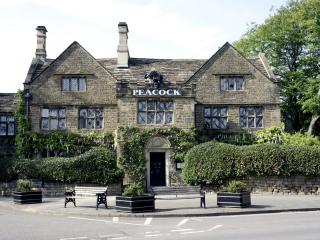
Set in the village of Rowsley only a few miles from Bakewell, The Peacock combines stylish contemporary design with original period and antique features. Individually designed bedrooms ...
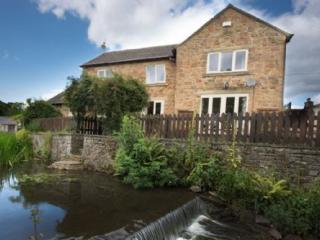
Millbrook House
Close to the River Wye, Millbrook House is a large detached house that sleeps eight. One major attraction is the small brook that runs along the bottom of the small garden. Inside, the ...
Places to eat nearby View all