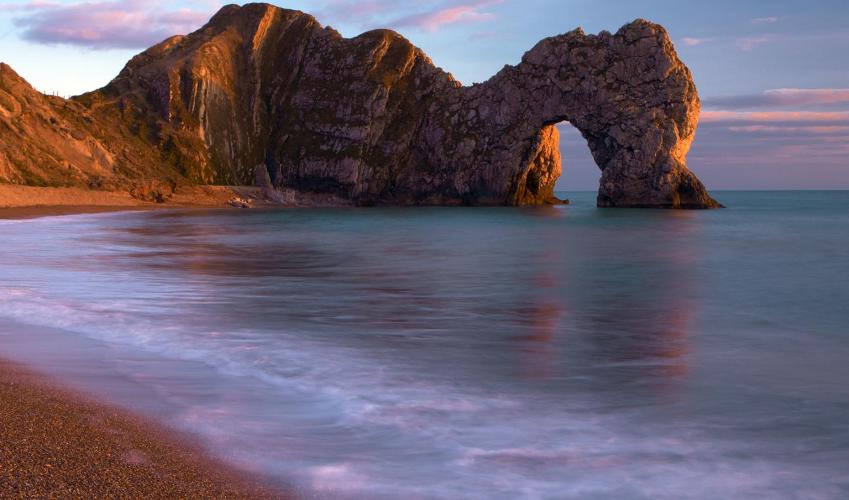
Lulworth and Durdle Door
Recommended by

Walk directions
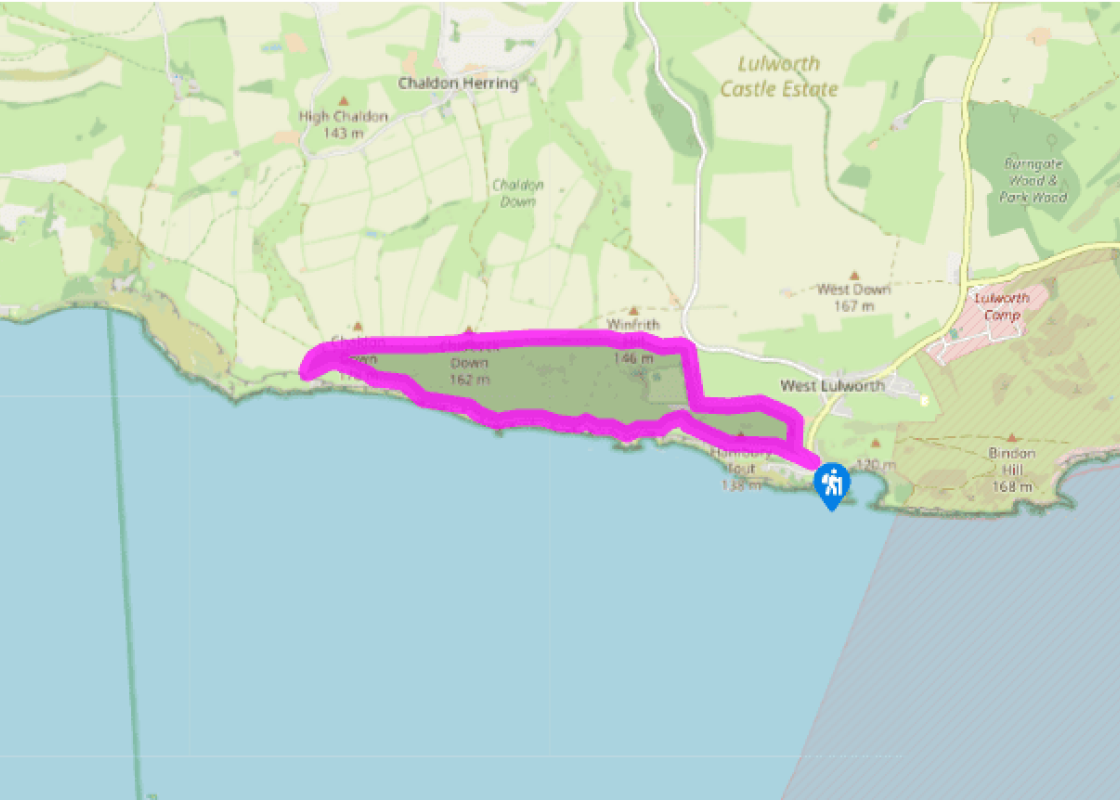
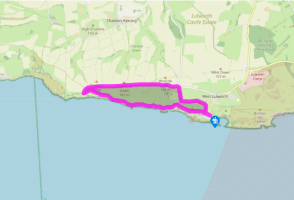
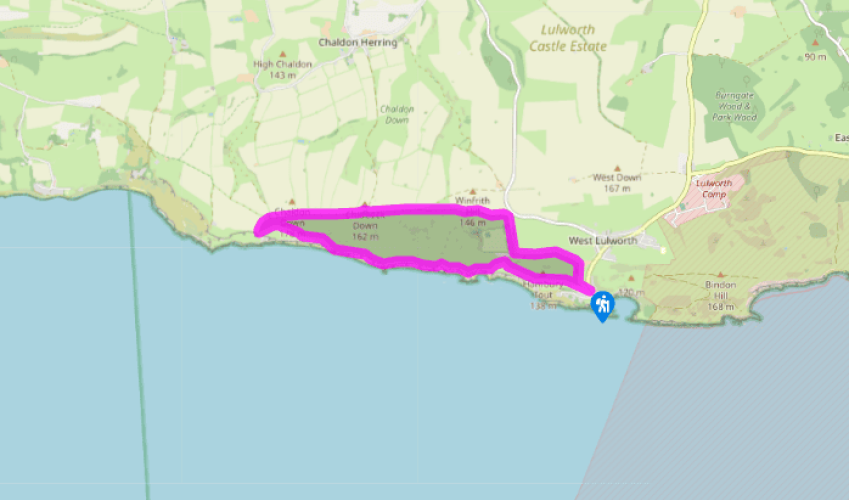
From the gate at the top of the car park take the broad, paved footpath up shallow steps to the top of the first hill. Continue along the brow, and down the other side, to pass below a caravan park. At a gate, turn left to Durdle Door.
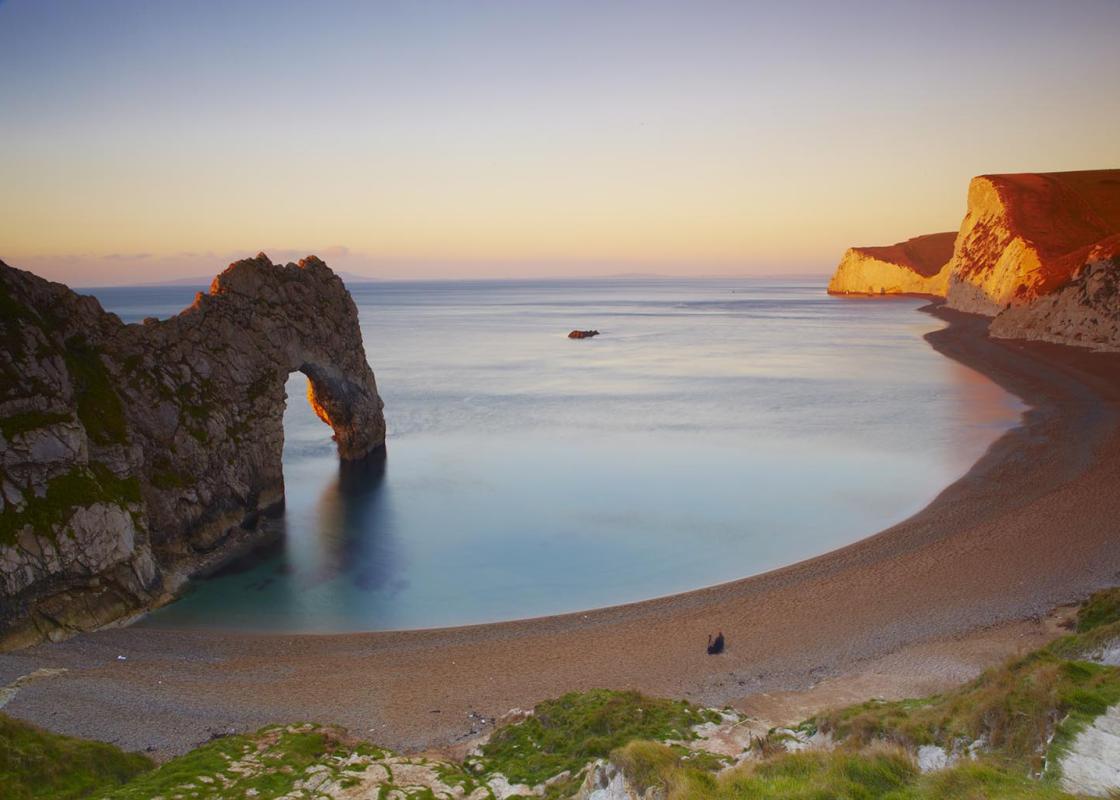
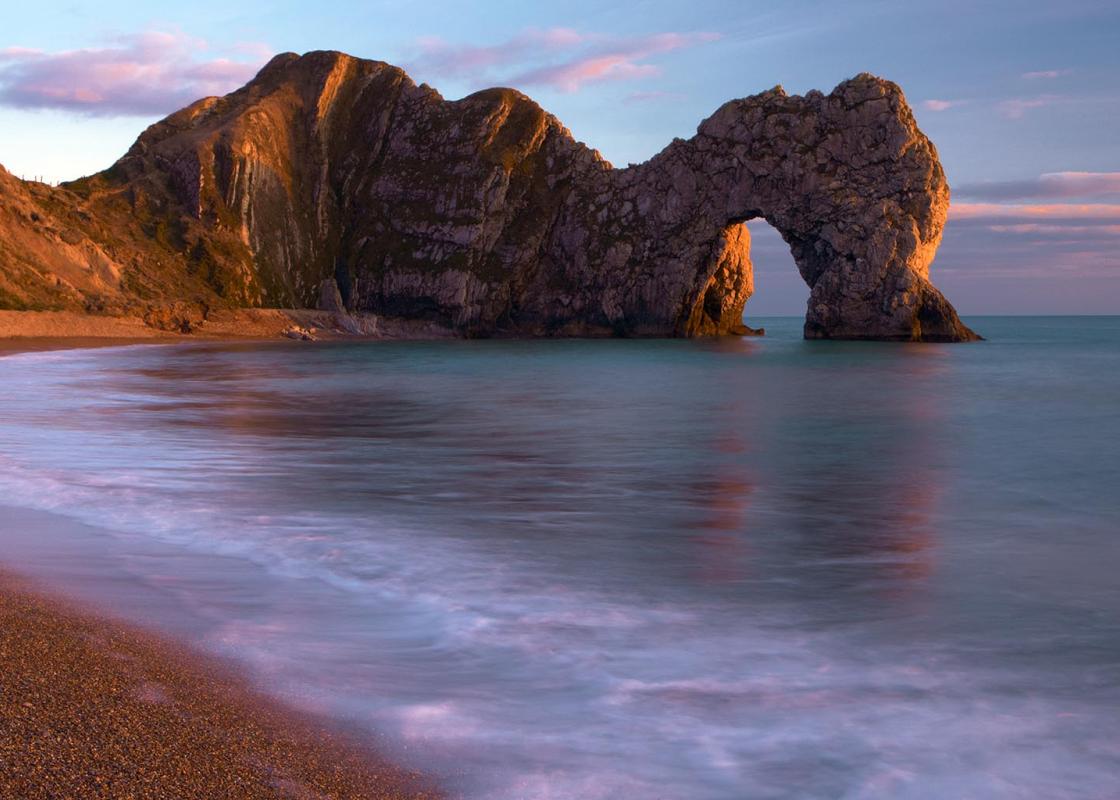
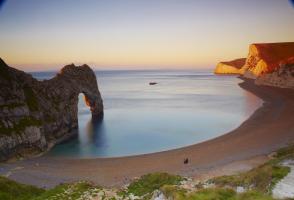
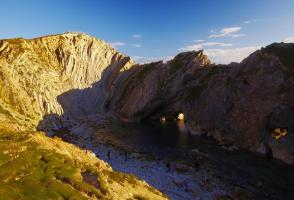
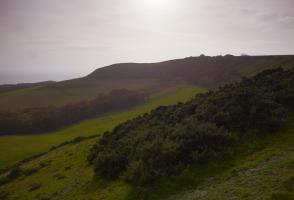
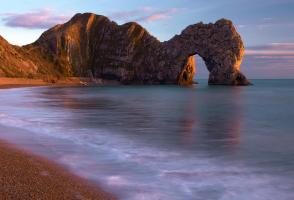
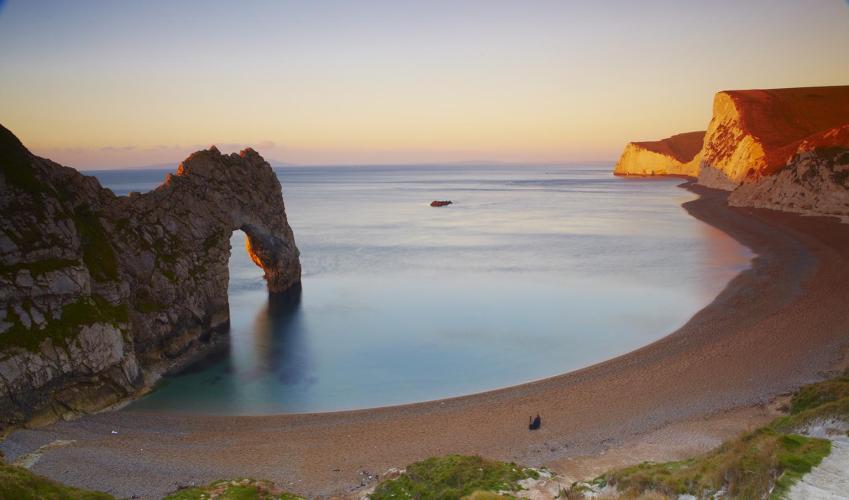
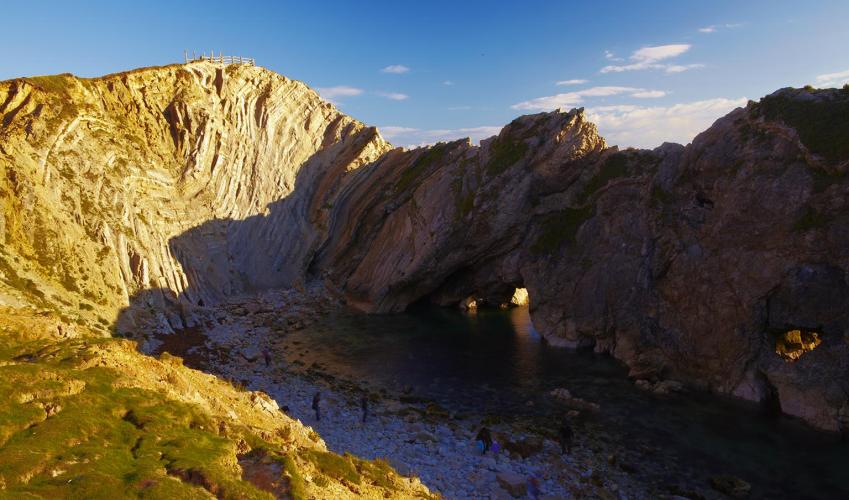
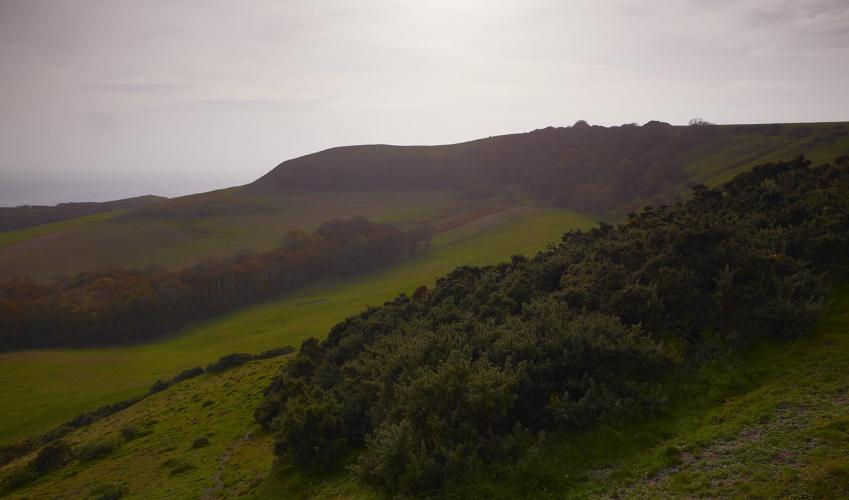
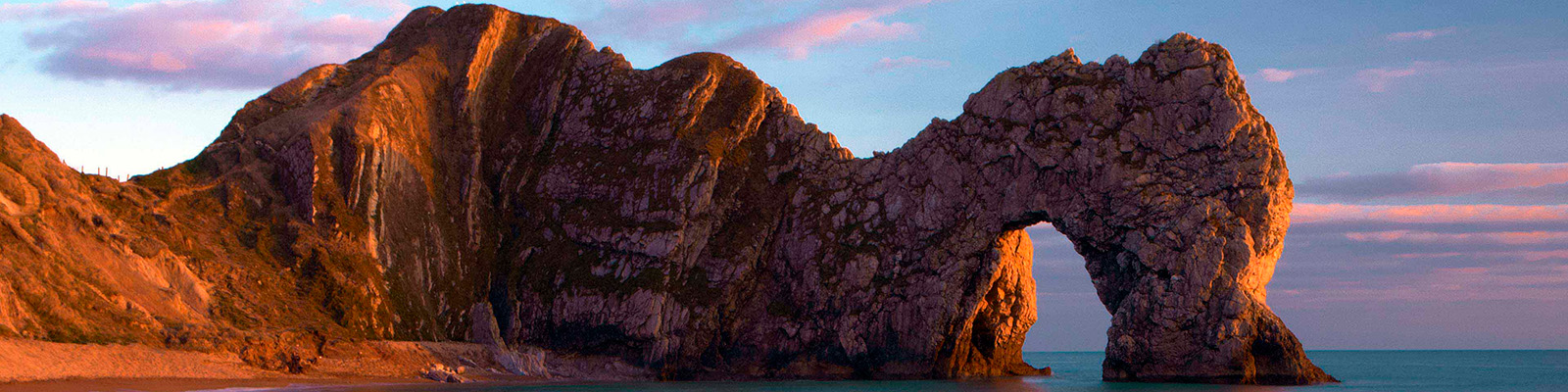
Reach a cove enclosed from the sea by a line of rocks. Turn left and follow the path and steps down to the beach if you wish, otherwise carry on ahead on the coast path, and the natural stone arch is revealed in Durdle Door Cove below you. The mass of Swyre Head looms close and, yes, that is the path you’re going to take, straight up the side. The coast path descends a little, then climbs up to Swyre Head. The path leads steeply down again on the other side, to a cove with a sea stack and a small arch (Bat’s Hole) on the right. Climb the next steep hill. Descend along the path just behind the cliffs, where the land tilts away from the sea.
View all directions
Additional information
Terrain
- Stone path, grassy tracks, tarmac, muddy field path
Landscape
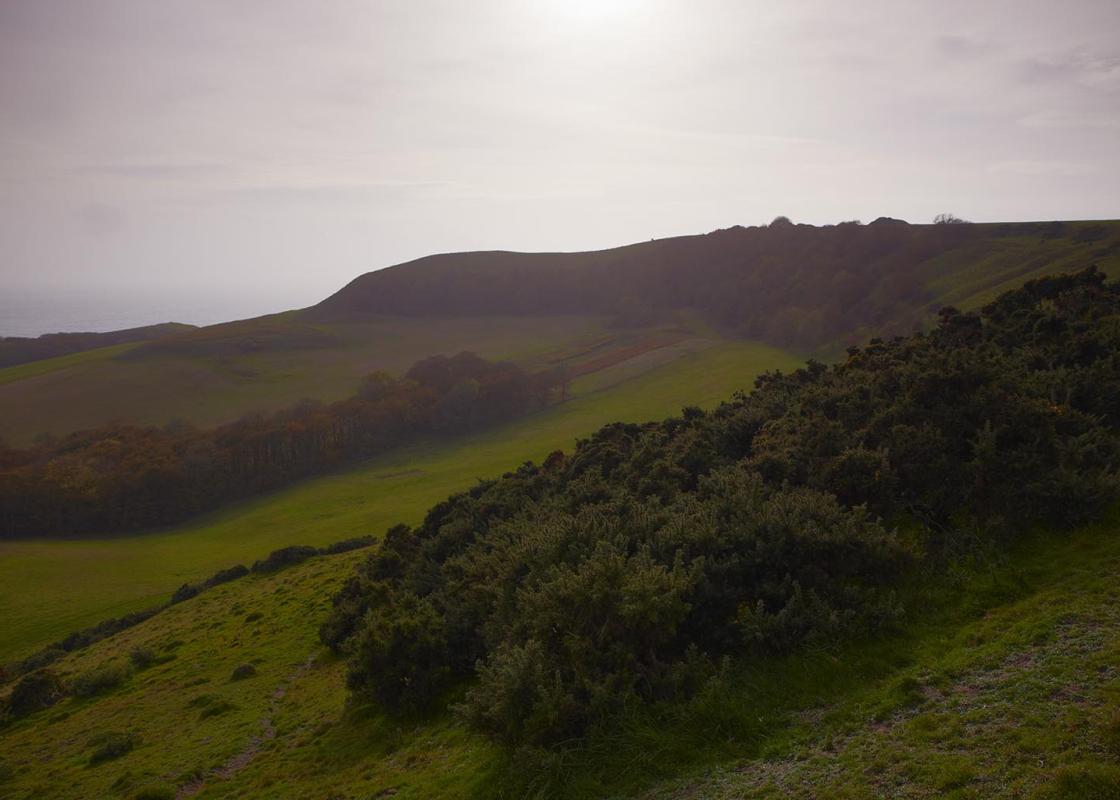
- Steeply rolling cliffs beside sea, green inland
Dog friendliness
- Dogs on leads near cliff edge
Parking
- Pay-and-display car park, signed at Lulworth Cove
Toilets en route
- By Visitor Centre and on lane to Lulworth Cove
About the walk
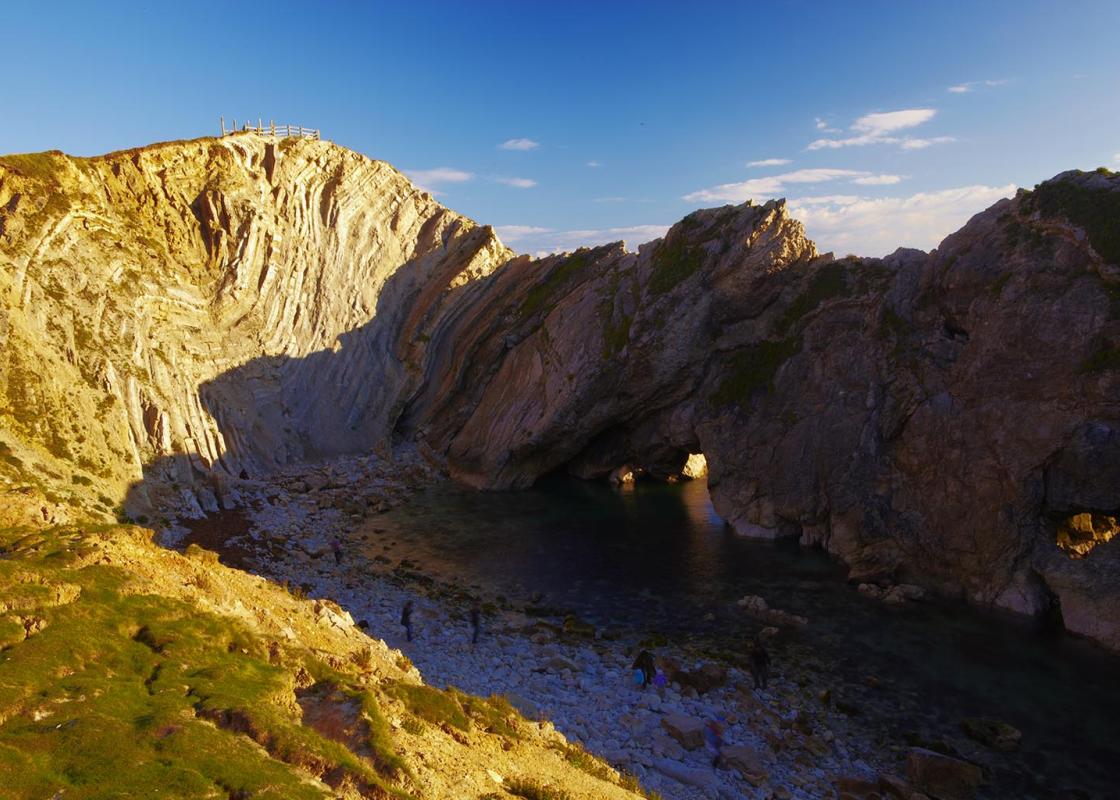
Lulworth Cove is an almost circular bay in the rolling line of cliffs that form Dorset’s southern coast. The cliffs around the eastern side of the bay are crumbly and brightly coloured in places, while beyond the opposite arm, at Stair Hole, the rock is folded. The intriguing geology earned...
Read more

Been on this walk?
Send us photos or a comment about this route. Or recommend a route of your own.

Walking in Safety
Read our tips to look after yourself and the environment when following this walk.
Get an AA guide
Explore our range of ‘50 Walks in’ guides - they’re the ideal companion for a ramble.
Been on this walk?
Send us photos or a comment about this route. Or recommend a route of your own.
Walking in Safety
Read our tips to look after yourself and the environment when following this walk.
Get an AA guide
Explore our range of ‘50 Walks in’ guides - they’re the ideal companion for a ramble.
About the area
Dorset is made up of rugged coastlines, high chalk downlands and a chain of picturesque villages and seaside towns that make up Britain’s Jurassic Coast, a UNESCO World Heritage Site and Area of Outstanding Natural Beauty, noted for its layers of shale and numerous fossils embedded in the rock. Hidden gems of Dorset can be found down winding, country lanes that lead to snug villages hidden from view.
Nearby places to stay
View all (8)





Nearby places to stay

Castle Inn
The Castle Inn is a quintessential, thatched village inn which has been welcoming travellers for centuries. It's perfect option for rest and relaxation with well appointed bedrooms offe...
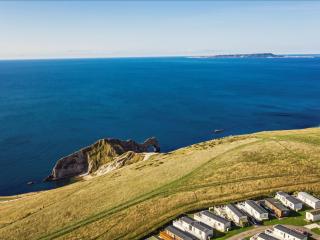
Durdle Door Holiday Park
Open since 1928, Durdle Door Holiday Park lies just along the South West Coast Path from the famous rock arch it takes its name from, and the equally famous Lulworth Cove, both of which...
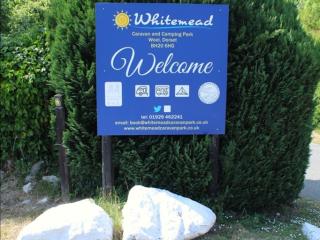
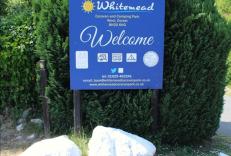
Whitemead Caravan Park
Whitemead Caravan Park, situated in the village of Wool, is well placed for visiting the many attractions of the area and also has the advantage of a train station within walking distan...
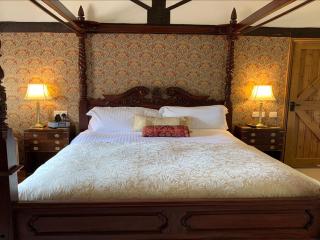
Owls Roost Cottage
Awaiting description...
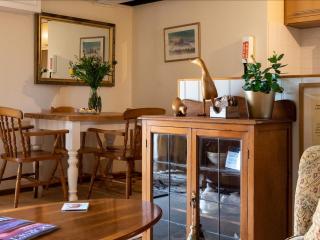
Foxes Cottage
Awaiting description...
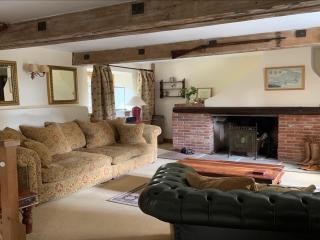
Pheasants Cottage
Awaiting description...
Upton Grange
In a secluded location between Dorchester and Weymouth near Ringstead Bay, this is an exclusive conversion of six luxury holiday cottages – 2 ,3, 4 and 6 berth historical properties, so...
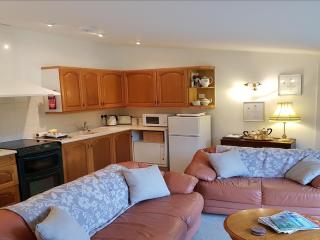
Poachers Cottage
Awaiting description...
Places to eat nearby View all