From Buscot to Kelmscott and back
"On the Thames Path to the home of William Morris."
Walk directions
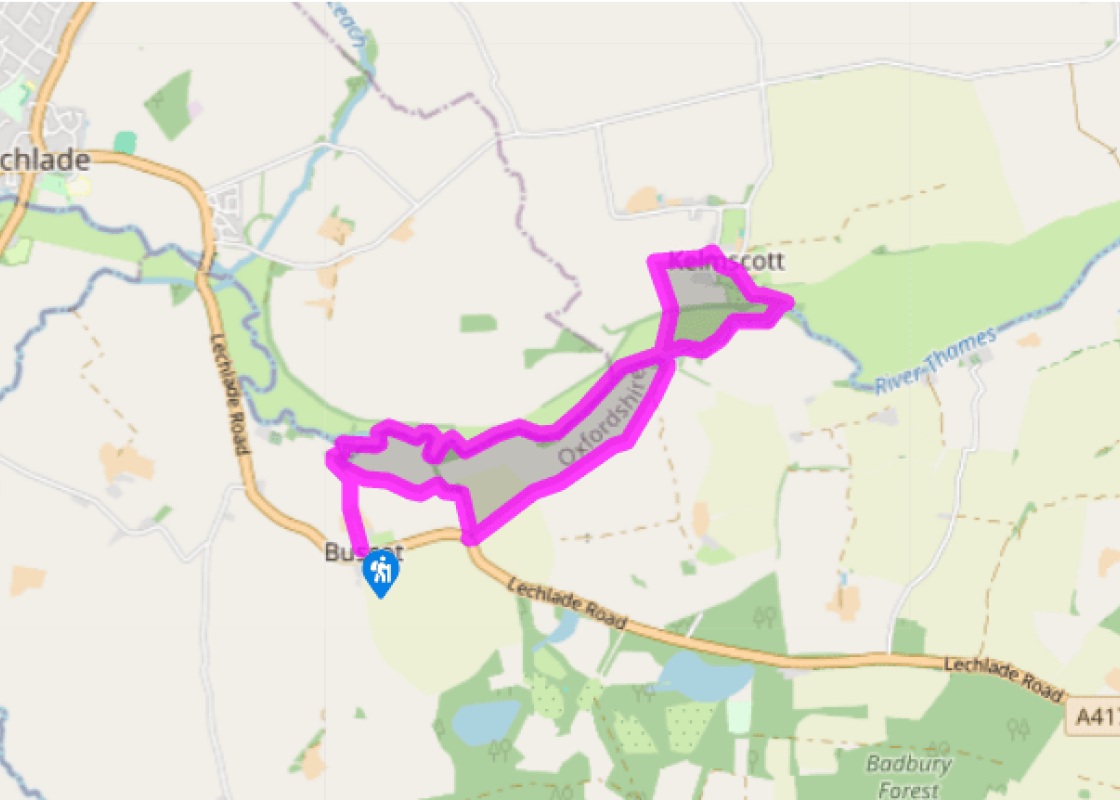
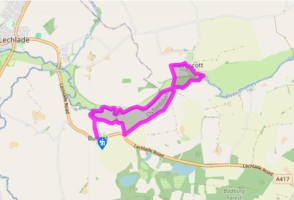
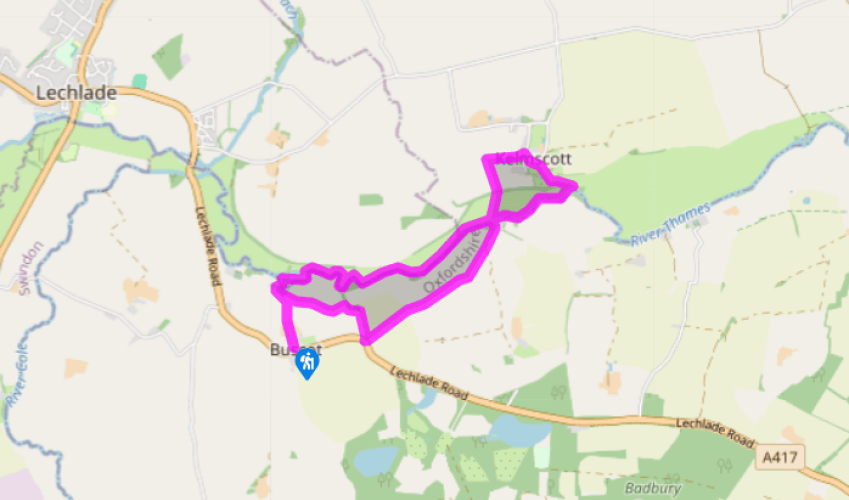
From the car park, turn left and walk back into Buscot to admire the arcaded pump. Retrace your steps to the car park and continue ahead on the road, signed to the weir. Follow the road past the Village Field and keep right down a path to pass Lock Cottage. Follow the footpath over a weir. Then bear left and cross the lock gate.
Turn right immediately, pass the lock, go through a gate and follow the path beside the river. Soon bear left through a gate and cross a bridge, with a view left to the main weir. Turn right and follow the Thames Path beside the river. Go through two gates, and continue past two wartime pill boxes and a gate. Go through another gate. The roofs of Kelmscott appear ahead. Go through a gate and continue towards the bridge, passing through some trees.
Pass the bridge, go through a gate and turn left immediately up the field. At the far side cross a stile and two footbridges. Bear left and ahead beside the hedge (yellow waymarker). At the end, turn right along the path, which may be overgrown. Follow this into Kelmscott village.
Turn right to pass The Plough pub at Kelmscott. Bear right along the road, passing Memorial Cottages and Manor Cottages, keeping right to reach Kelmscott Manor. Maintain your direction ahead down the track and turn right just before you get to the river.
Cross a bridge and go through a gate to join the Thames Path National Trail. Go past another old wartime pill box on your left, go through the gate by the footbridge and turn left over the bridge. Bear left and right, go through a kissing gate, and walk up the track. Soon this crosses a ditch; step over the encased wire and head diagonally right across the field. At the corner, go through the gate, bearing right by the fingerpost. Keep straight on up the edge of the field, with views of Buscot House to the left. Follow the track downhill and bend right, then turn left over a footbridge. Continue on the path diagonally right across the next field, then skirt the right perimeter of the following field.
At the road turn right up a farm track. Look out for a yellow waymarker and take the footpath off to the left. Go through a kissing gate and along the right edge of the field. Go through a gate at the other end. Turn left and walk along the edge of the field. Then cross the footbridge into the Village Field and turn left to retrace your route back to the start of the walk in Buscot.
Additional information
Terrain
- Riverside paths, fields, village lanes, several stiles
Landscape
- Open, flat lands of the Thames floodplain
Dog friendliness
- On lead around weir, not permitted in Manor gardens
Parking
- National Trust car park in Buscot
Toilets en route
- Beside the village shop in Buscot
About the walk
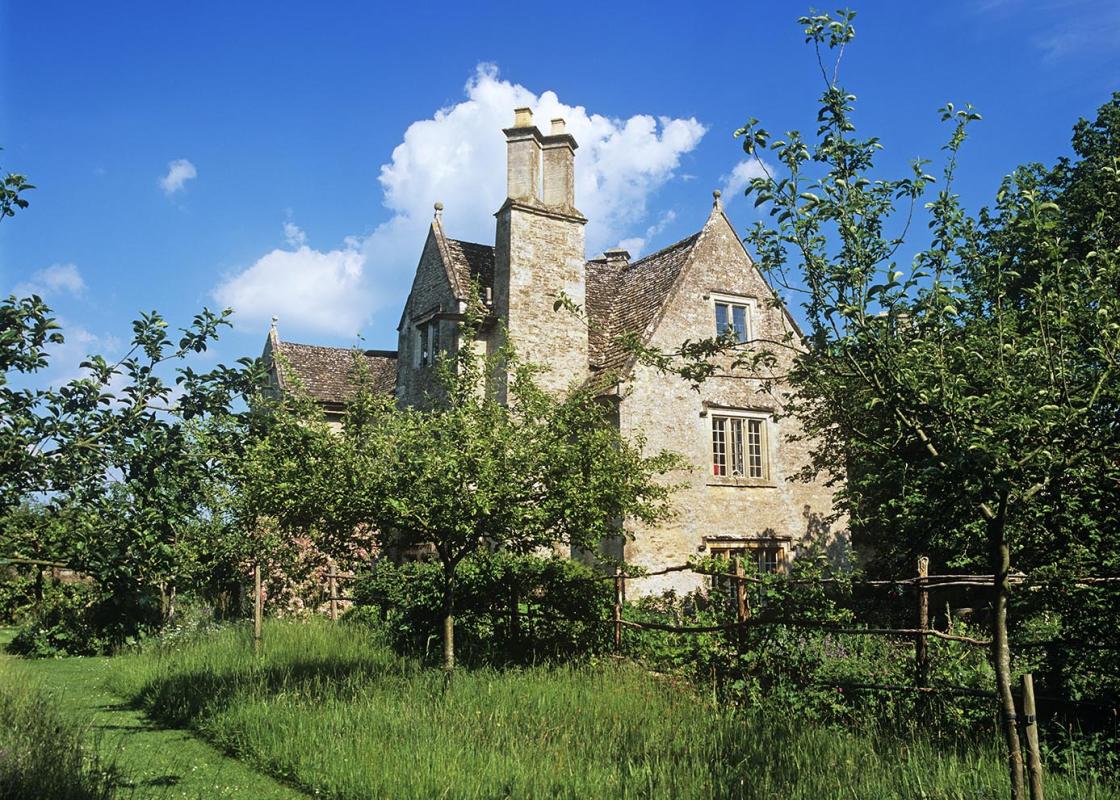
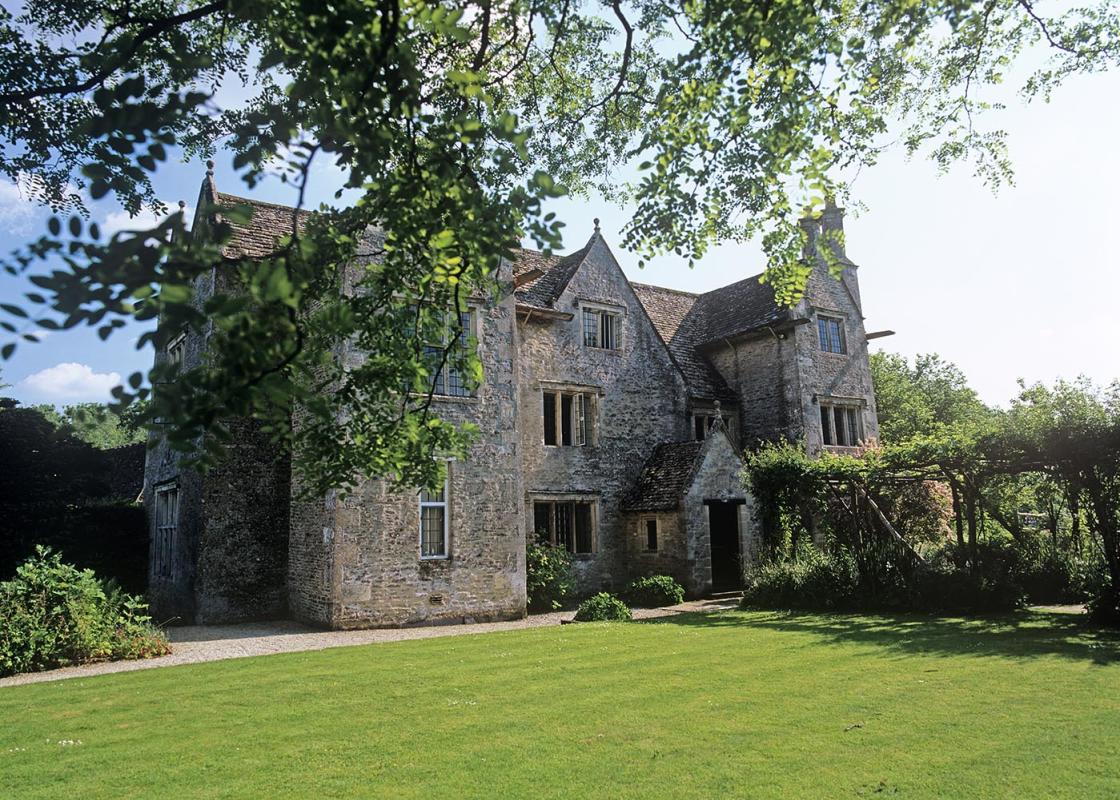
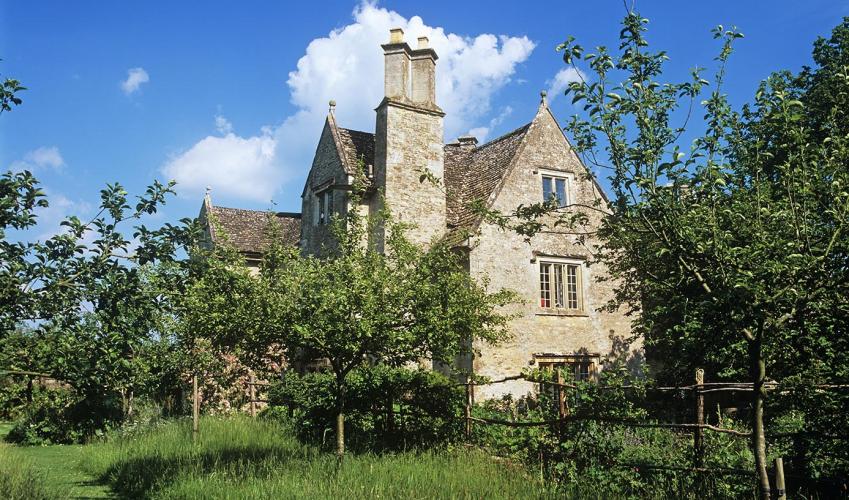
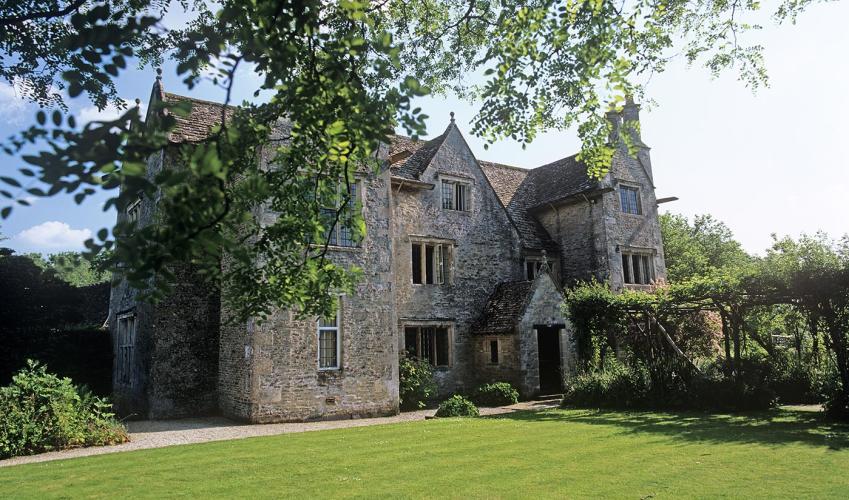
The village of Kelmscott is famous for its connections with the founder of the Arts and Crafts Movement, William Morris (1834–96). Today, he is best remembered for his furnishing designs, rich with flowers, leaves and birds, still popular on fabric and wallpaper. Throughout his life, working with... great Pre-Raphaelite artists such as Edward Burne-Jones and Dante Gabriel Rossetti, Morris dedicated himself to a movement against what he saw as the vulgar tastes of his day, with its sentimentality, clutter and gaudiness. He put a new value on craftsmanship, studying and experimenting with the techniques of ages past, and so developing a style of apparent simplicity combined with functionality. He took it upon himself to educate as well as create, with pronouncements such as ‘Have nothing in your houses that you do not know to be useful, or believe to be beautiful’, emphasising the place of good design in everyday life. His philosophy of design became hugely influential and he looked to the medieval artists and architects for his inspiration. Kelmscott Manor itself dates from 1570 and became Morris’s country home in 1871. It’s a mellow old place, built of the local grey limestone, with mullioned windows and high pointed gables topped by ball finials. (The image is familiar from the woodcut designed for the Kelmscott Press, which he founded in 1890.) Morris loved the manor for its integrity and austerity, and for the harmony of the house in its setting, almost as if ‘it had grown up out of the soil’. Now owned by the Society of Antiquaries of London, the house is open to the public Thursday to Saturday from April to the end of October, and contains many examples of Morris’s work. William Morris’s influence on the area continued even after his death. As a memorial to the great man, several structures were designed to his principles and built in Kelmscott village, notably the Memorial Cottages and next-door Manor Cottages. Morris is buried with his wife and daughters in the churchyard at Kelmscott, under a modest tombstone.
Read more
Been on this walk?
Send us photos or a comment about this route. Or recommend a route of your own.

Walking in Safety
Read our tips to look after yourself and the environment when following this walk.
Get an AA guide
Explore our range of ‘50 Walks in’ guides - they’re the ideal companion for a ramble.
Been on this walk?
Send us photos or a comment about this route. Or recommend a route of your own.
Walking in Safety
Read our tips to look after yourself and the environment when following this walk.
Get an AA guide
Explore our range of ‘50 Walks in’ guides - they’re the ideal companion for a ramble.
About the area
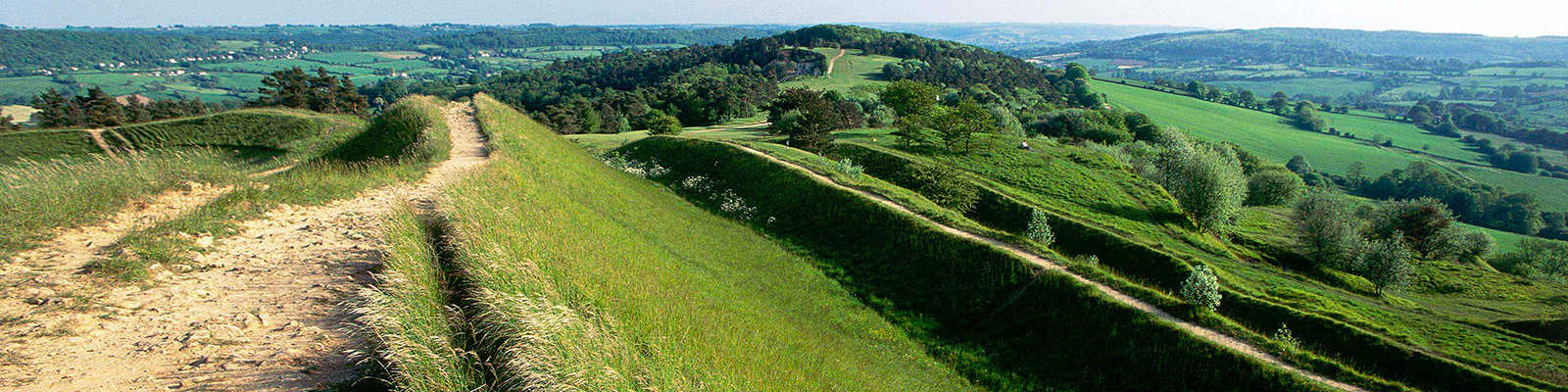
Gloucestershire is home to a variety of landscapes, including the Cotswolds, a region of gentle hills, valleys and gem-like villages that roll through the county. To their west is the Severn Plain, watered by Britain’s longest river and characterised by orchards and farms marked out by hedgerows that blaze with mayflower in the spring; beyond the Severn are the Forest of Dean and the Wye Valley.
Nearby places to stay
View all (8)
Self-Catering
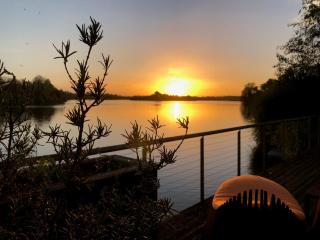
Lake House at Lakes by Yoo
★★★★★
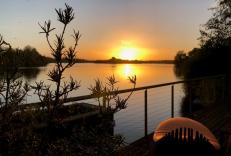
"Guests able to sit out and enjoy the sunset over the lake from the decking...."
- Total units: 1
- Private garden
- Lawn area
- Garden furniture
Self-Catering
Lake House at Lakes by Yoo
★★★★★
"Guests able to sit out and enjoy the sunset over the lake from the decking...."
- Private garden
- Lawn area
- Garden furniture
- BBQ on site
Guest Accommodation
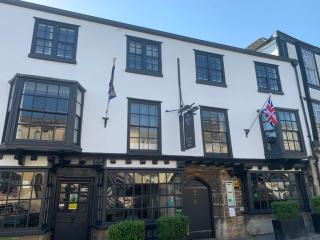
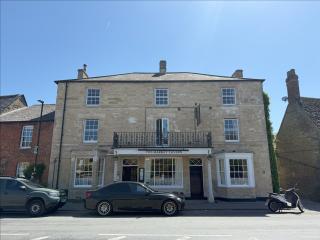
The Old Crown Coaching Inn
★★★★
"Charming, quirky and beautifully atmospheric..."
Nearby places to stay
Lake House at Lakes by Yoo
A perfect retreat overlooking the finest British countryside, this is a haven for anybody that is looking to really detach themselves from the hustle and bustle of their busy lives whil...

★★★★★ Rating
Lake House at Lakes by Yoo
A perfect retreat overlooking the finest British countryside, this is a haven for anybody that is looking to really detach themselves from the hustle and bustle of their busy lives whil...
★★★★★ Rating
The Old Crown Coaching Inn
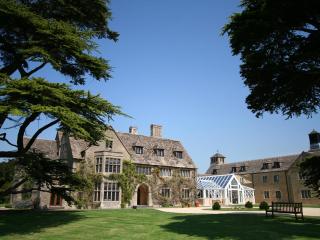
The Old Crown Coaching Inn is a historic coaching inn at the heart of Faringdon, lovingly restored with luxurious accommodation. The restaurant offers an impressive, opulent dining expe...
★★★★ Rating
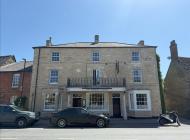
Stanton House Hotel
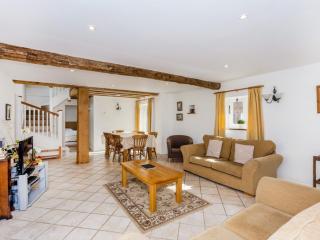
Stanton House Hotel is a historic, Cotswold-stone former Manor House with herbaceous borders, wild flower meadow and original walled gardens; perfectly placed for exploring Stanton Park...
★★★★ Rating
Prince Cottage
Awaiting description...
★★★★ Rating
Goodlake Barns
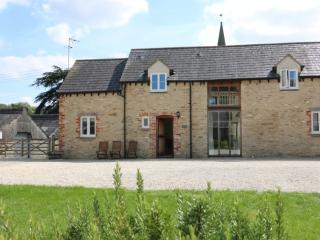
Goodlake Barns are located just outside the historic market town of Faringdon in the Vale of White Horse. The five light and spacious cottages sleep between four and ten people and the ...
★★★★★ Rating
Punch Cottage
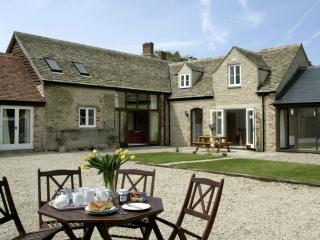
Awaiting description...
★★★★ Rating
The Barn
Awaiting description...
★★★★★ Rating
Places to eat nearby View all