"Combine glorious woodland and riverside walking along the River Dun with a visit to a 12th-century Augustinian priory."
Walk directions
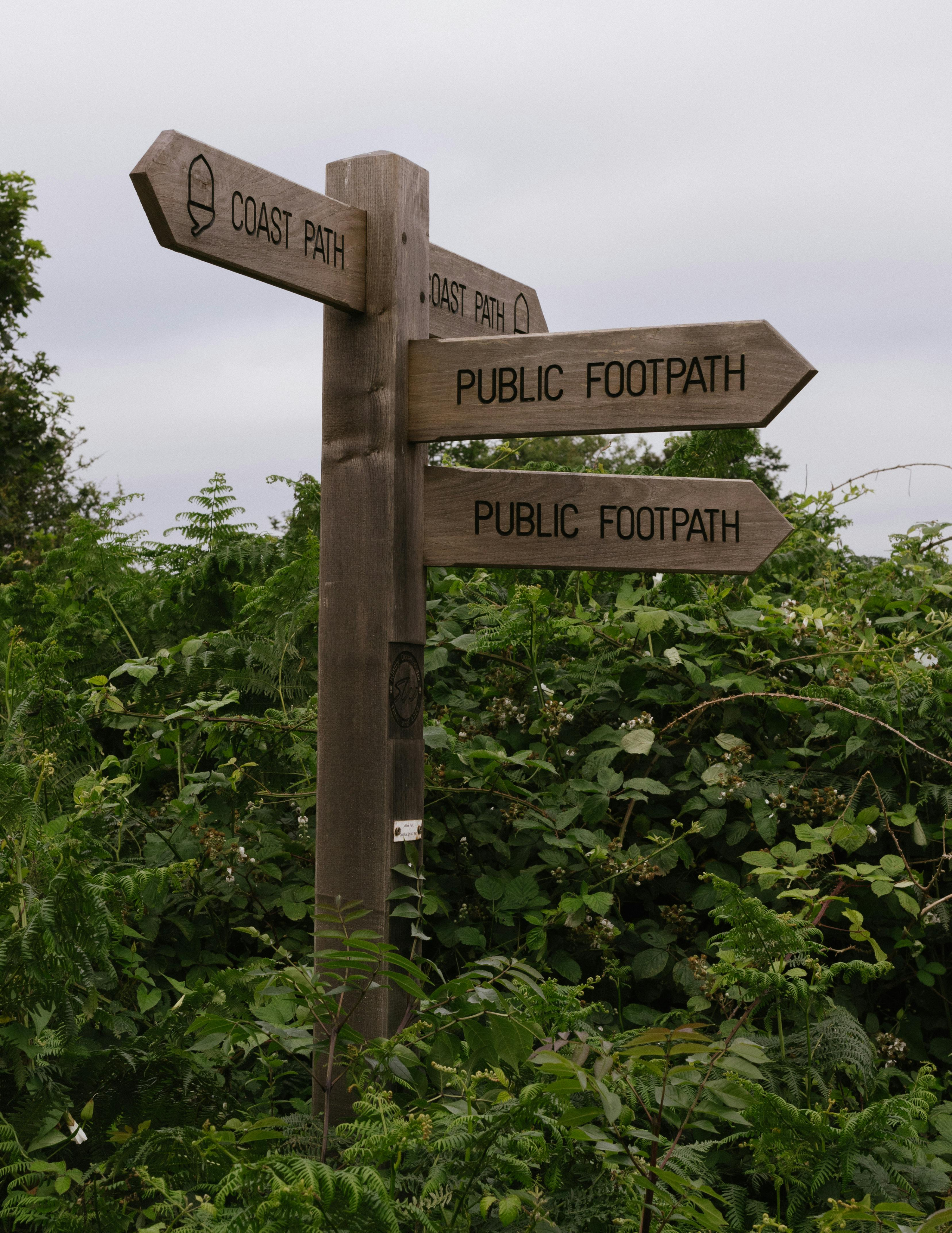
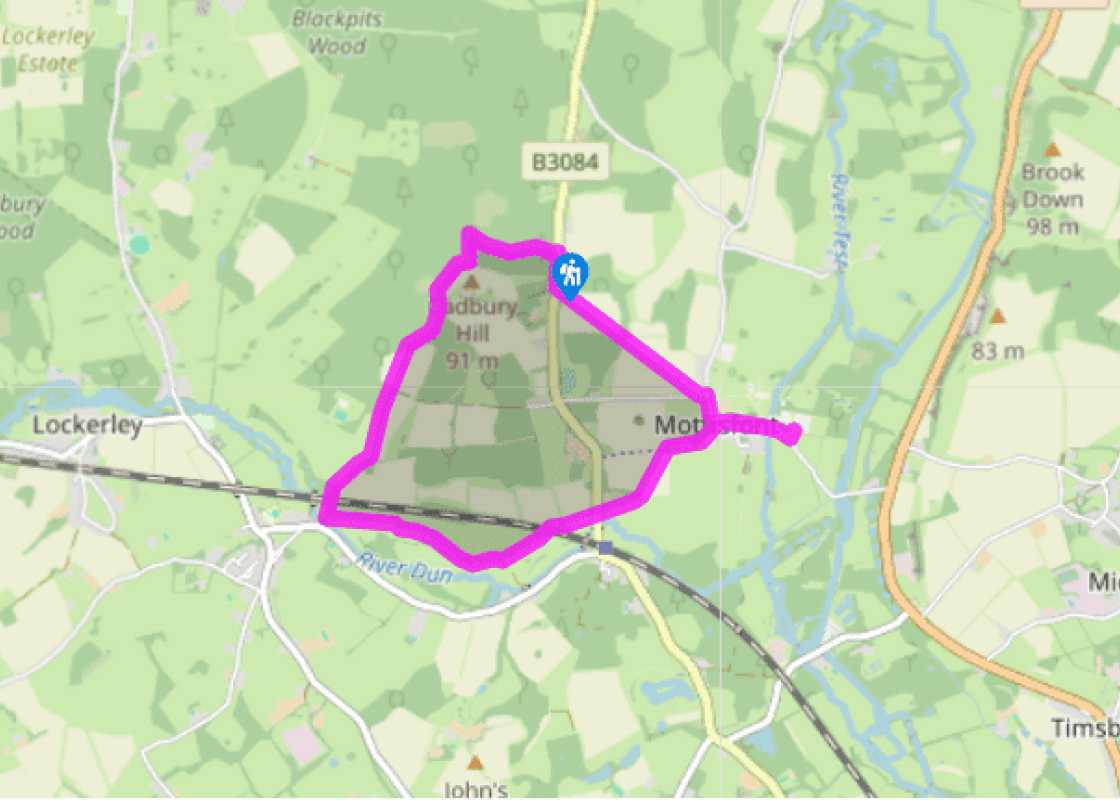
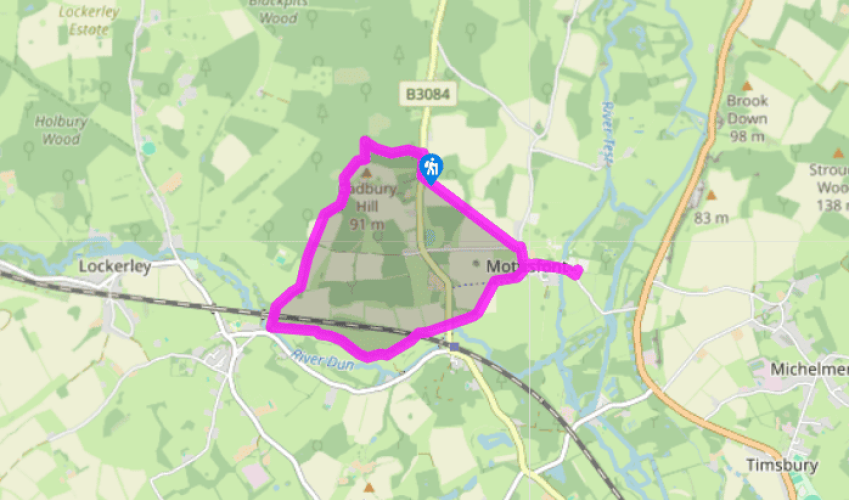
Pass beside the gate opposite the Spearywell Wood car park entrance, by the information boards, to join a woodland path. Follow the white arrows as it bears right, and pass through a tall conifer plantation; then, where the path reaches a T-junction, turn left (by a concrete marker stone indicating a Mottisfont Estate Path, MEP). Bear right at the next junction (MEP stone), then at the staggered junction by a red spot waymarker, bear left then immediately right through woodland. Descend through the woodland fringe and at a fork keep right, following a yellow waymarker to a junction.
Turn left across a plank bridge and then diagonally right across a field. At a gap in the hedge and crossing of paths, zig-zag right (MEP stone) then left, following an estate path along the woodland edge and past a redundant stile. Continue beside fencing, eventually passing under the railway to a footbridge over the River Dun. The Dun, a tributary of the Test, was also known as the Barge River. At one time there were plans to develop a new canal to link Southampton and Salisbury, but the scheme was never completed.
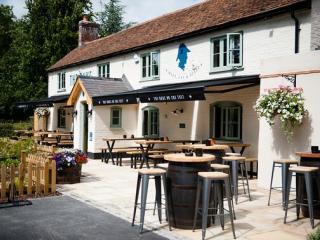
Don’t cross the river. Turn left through the kissing gate (MEP stone) and follow the path across meadow and rough, marshy pasture, keeping the telegraph poles on your right, crossing two plank bridges to a stile at the end by the oak trees. Bear right through a gate and follow the fence on your left. Continue through a copse, passing a spring then an isolated thatched cottage to a kissing gate by a gate. Proceed along the driveway and when it bends right by a lone oak (MEP stone) bear left, on a grassy track towards the railway. Cross the line (take great care; look and listen), then follow the track to a gate and the B3084. Turn right if you wish to visit the Mill Arms at Dunbridge. Otherwise, cross over to join a path signed to ‘Mottisfont Abbey and Village Centre’, proceeding slightly left up the slope and through a kissing gate. In the next field cross to the trees and follow the path to reach a narrow tarmac lane, and turn right.
At the T-junction, turn right for the entrance to Mottisfont Abbey. Retrace your steps along the road and follow it as it bears right to a junction, opposite the old abbey gates. Turn left along Bengers Lane and take the path right, diagonally across the field towards a lone oak tree. Go through a belt of trees and proceed through the next field to a gate. Turn right along the road for 150yds (137m) to return to the car park.
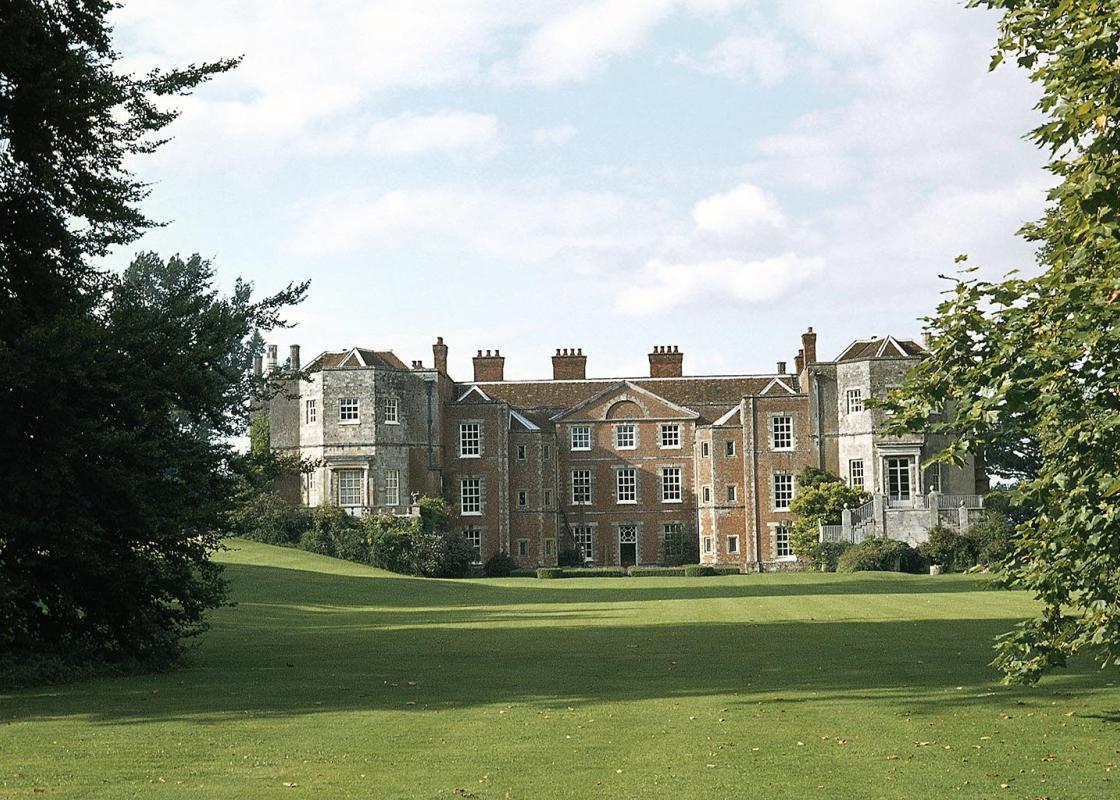
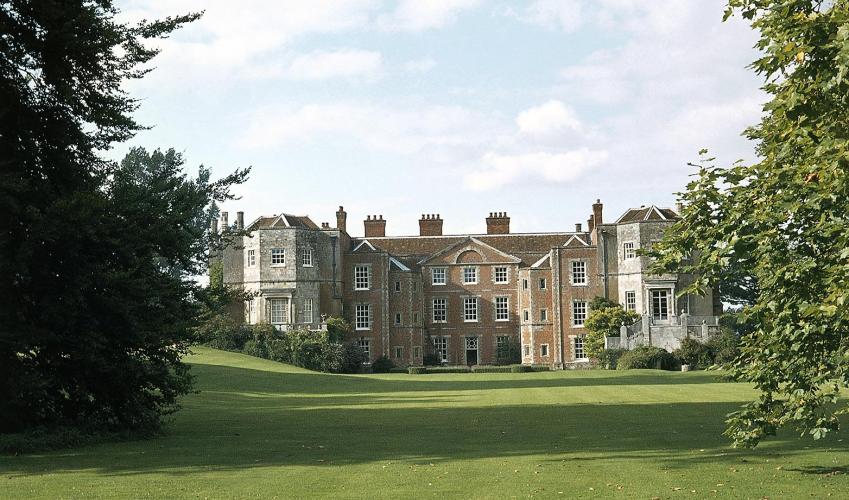
This short walk explores the National Trust estate at Mottisfont. Set picturesquely beside the River Test and around the walls of a former 12th-century priory, Mottisfont is a charming village of thatched cottages and Georgian houses, complete with a splendid listed church and an old tithe barn.... The village’s name is derived from ‘moot’s font’ or ‘spring of the meeting place’, which rises in a deep pool in the abbey grounds. Whether you start the walk from Mottisfont Abbey car park (seasonal opening) or from Spearywell Wood, you will find strolling through the village a real delight. Beginning from the latter, the walk explores good estate paths through woodland, then gradually descends into the Dun Valley, offering you serene views west across rolling downland into fertile Wiltshire. The abbey and St Andrew's Originally an Augustinian priory church, founded by William Briwere in 1201, Mottisfont Abbey never actually achieved the full status of an abbey and struggled to survive until the Dissolution of the Monasteries. Between 1536 and 1540 it was owned by William, Lord Sandys, who converted the buildings into a mansion. It was during the 18th century that much of the medieval cloisters were destroyed and the romantic title ‘abbey’ given to the building. Although the buildings are mainly private, you can still see some medieval arches, the 13th-century monks’ cellarium and a masterpiece of trompe-l’oeil work by Rex Whistler, one of the great British artists of the 20th century, in the Drawing Room. You will find the sweeping lawns and mature trees which run down to the River Test very peaceful and well worth spending a few quiet moments enjoying. You should not miss St Andrew’s church in Mottisfont. Dating from the 12th century and Grade 1 listed, it contains more 15th-century stained glass that any other Hampshire church, a fine Norman chancel and a rare clock mechanism from about 1620 – the only other one in working order is in Salisbury Cathedral.
Hampshire’s varied landscape of hills and heaths, downlands and forests, valleys and coast are without rival in southern England. Hike across the chalk downland of the north Hampshire ‘highlands’, meander along peaceful paths through unspoilt river valleys of the Test, Itchen, Avon and Meon, or explore the lonely salt marshes and the beautiful medieval forest and heathland of the New Forest.
"Combine glorious woodland and riverside walking along the River Dun with a visit to a 12th-century Augustinian priory."
Walk details
2hrs
Difficulty:
Easy
Gradient:
Gentle
Distance:
4.2 miles (6.8kms)
Ascent:
279ft (85m)
Walk directions
Pass beside the gate opposite the Spearywell Wood car park entrance, by the information boards, to join a woodland path. Follow the white arrows as it bears right, and pass through a tall conifer plantation; then, where the path reaches a T-junction, turn left (by a concrete marker stone indicating a Mottisfont Estate Path, MEP). Bear right at the next junction (MEP stone), then at the staggered junction by a red spot waymarker, bear left then immediately right through woodland. Descend through the woodland fringe and at a fork keep right, following a yellow waymarker to a junction.
1 of 4
Turn left across a plank bridge and then diagonally right across a field. At a gap in the hedge and crossing of paths, zig-zag right (MEP stone) then left, following an estate path along the woodland edge and past a redundant stile. Continue beside fencing, eventually passing under the railway to a footbridge over the River Dun. The Dun, a tributary of the Test, was also known as the Barge River. At one time there were plans to develop a new canal to link Southampton and Salisbury, but the scheme was never completed.
2 of 4
Don’t cross the river. Turn left through the kissing gate (MEP stone) and follow the path across meadow and rough, marshy pasture, keeping the telegraph poles on your right, crossing two plank bridges to a stile at the end by the oak trees. Bear right through a gate and follow the fence on your left. Continue through a copse, passing a spring then an isolated thatched cottage to a kissing gate by a gate. Proceed along the driveway and when it bends right by a lone oak (MEP stone) bear left, on a grassy track towards the railway. Cross the line (take great care; look and listen), then follow the track to a gate and the B3084. Turn right if you wish to visit the Mill Arms at Dunbridge. Otherwise, cross over to join a path signed to ‘Mottisfont Abbey and Village Centre’, proceeding slightly left up the slope and through a kissing gate. In the next field cross to the trees and follow the path to reach a narrow tarmac lane, and turn right.
3 of 4
At the T-junction, turn right for the entrance to Mottisfont Abbey. Retrace your steps along the road and follow it as it bears right to a junction, opposite the old abbey gates. Turn left along Bengers Lane and take the path right, diagonally across the field towards a lone oak tree. Go through a belt of trees and proceed through the next field to a gate. Turn right along the road for 150yds (137m) to return to the car park.
This short walk explores the National Trust estate at Mottisfont. Set picturesquely beside the River Test and around the walls of a former 12th-century priory, Mottisfont is a charming village of thatched cottages and Georgian houses, complete with a splendid listed church and an old tithe barn.... The village’s name is derived from ‘moot’s font’ or ‘spring of the meeting place’, which rises in a deep pool in the abbey grounds. Whether you start the walk from Mottisfont Abbey car park (seasonal opening) or from Spearywell Wood, you will find strolling through the village a real delight. Beginning from the latter, the walk explores good estate paths through woodland, then gradually descends into the Dun Valley, offering you serene views west across rolling downland into fertile Wiltshire. The abbey and St Andrew's Originally an Augustinian priory church, founded by William Briwere in 1201, Mottisfont Abbey never actually achieved the full status of an abbey and struggled to survive until the Dissolution of the Monasteries. Between 1536 and 1540 it was owned by William, Lord Sandys, who converted the buildings into a mansion. It was during the 18th century that much of the medieval cloisters were destroyed and the romantic title ‘abbey’ given to the building. Although the buildings are mainly private, you can still see some medieval arches, the 13th-century monks’ cellarium and a masterpiece of trompe-l’oeil work by Rex Whistler, one of the great British artists of the 20th century, in the Drawing Room. You will find the sweeping lawns and mature trees which run down to the River Test very peaceful and well worth spending a few quiet moments enjoying. You should not miss St Andrew’s church in Mottisfont. Dating from the 12th century and Grade 1 listed, it contains more 15th-century stained glass that any other Hampshire church, a fine Norman chancel and a rare clock mechanism from about 1620 – the only other one in working order is in Salisbury Cathedral.
Hampshire’s varied landscape of hills and heaths, downlands and forests, valleys and coast are without rival in southern England. Hike across the chalk downland of the north Hampshire ‘highlands’, meander along peaceful paths through unspoilt river valleys of the Test, Itchen, Avon and Meon, or explore the lonely salt marshes and the beautiful medieval forest and heathland of the New Forest.