Romsey and its abbey
Recommended by

Our view
"Explore Hampshire's best-preserved market town and the Test Valley."
Walk directions
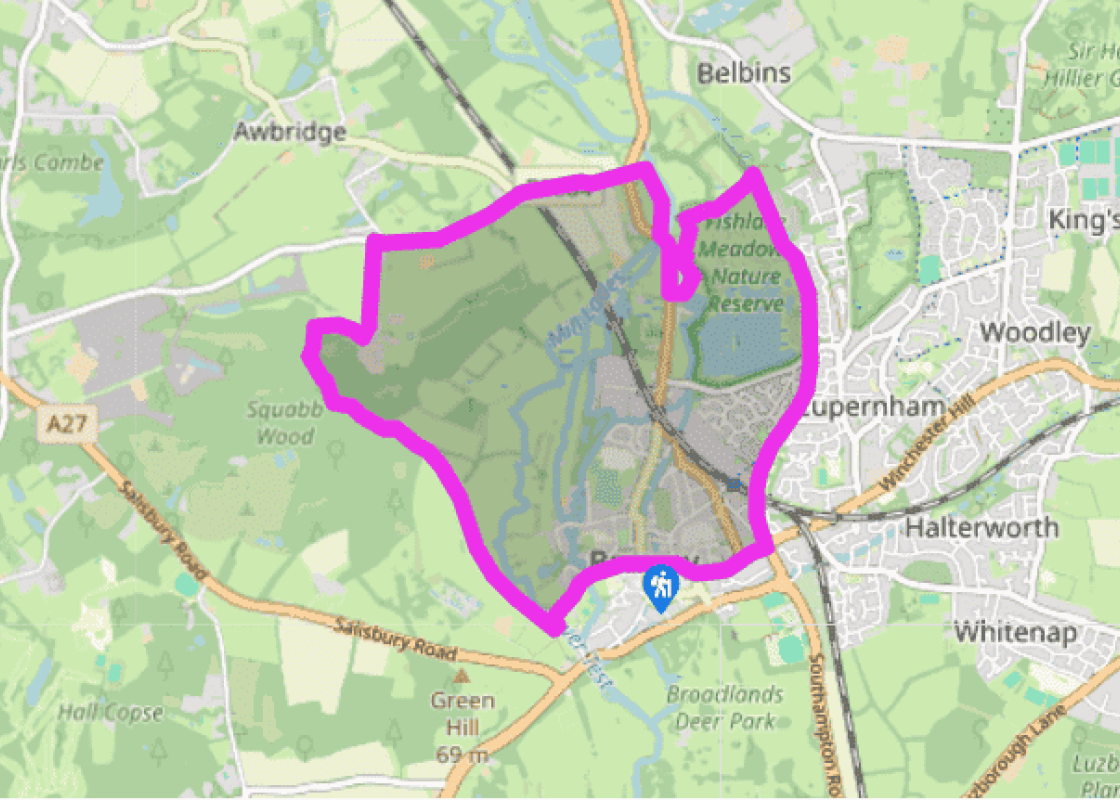
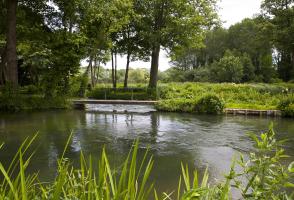
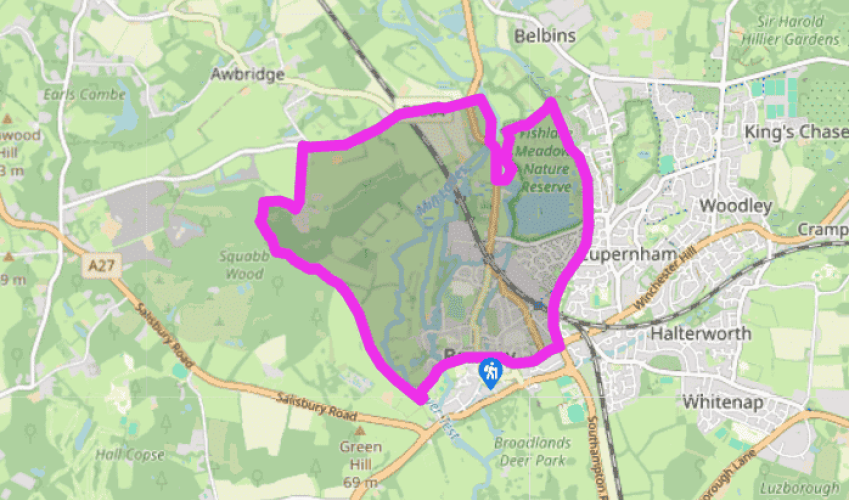
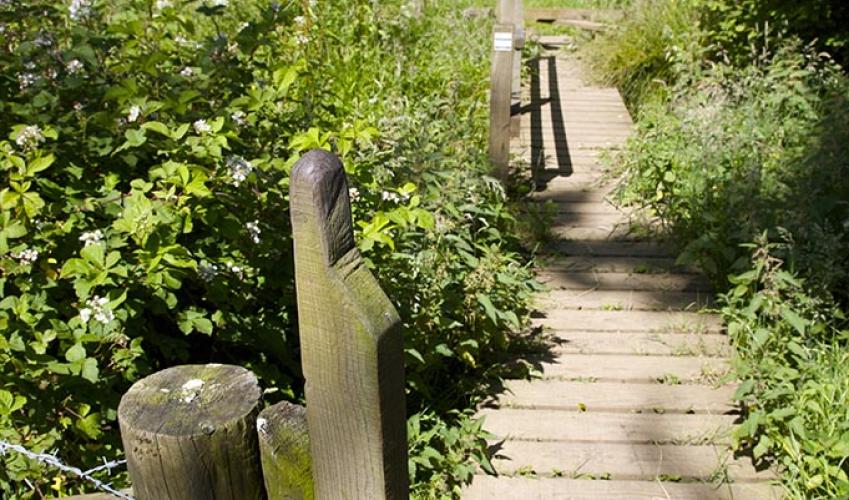
From the Market Square head east along The Hundred, passing the police station, and continue into Winchester Road. At the roundabout, turn left just before the Plaza Theatre to join a footpath to Cupernham and Timsbury. Walk alongside the old canal as it passes under the railway and then a road bridge, and leave town into open meadowland.
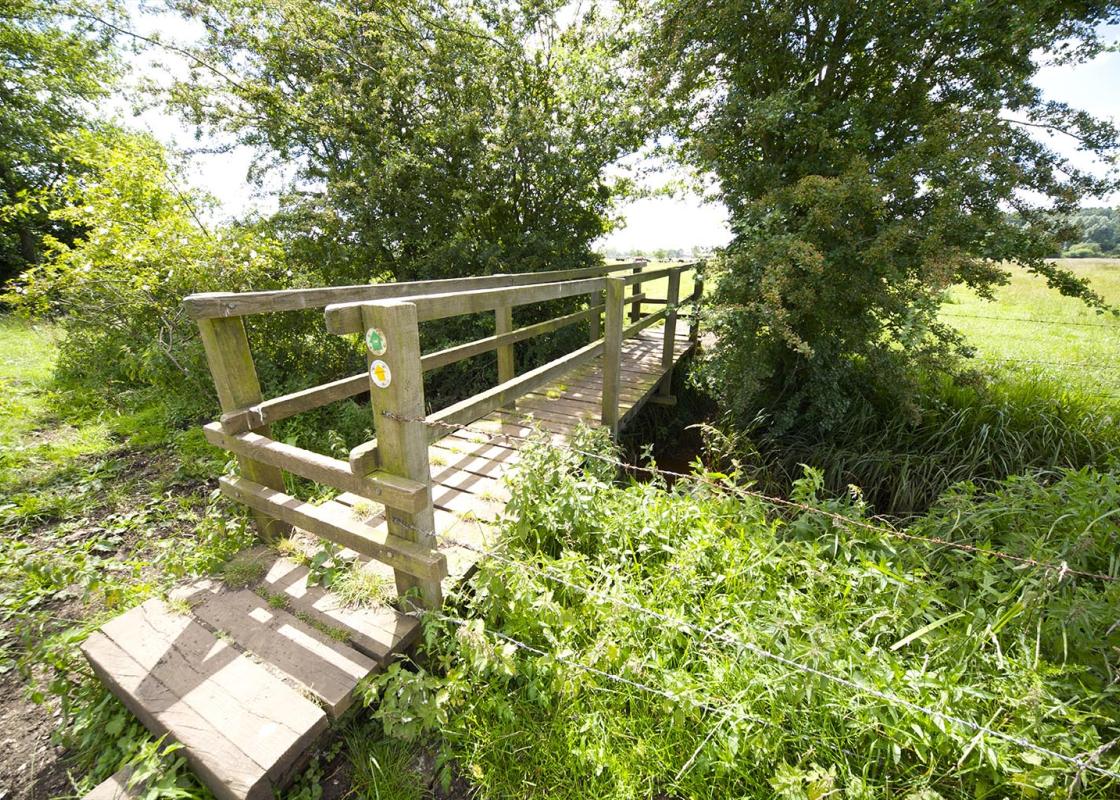
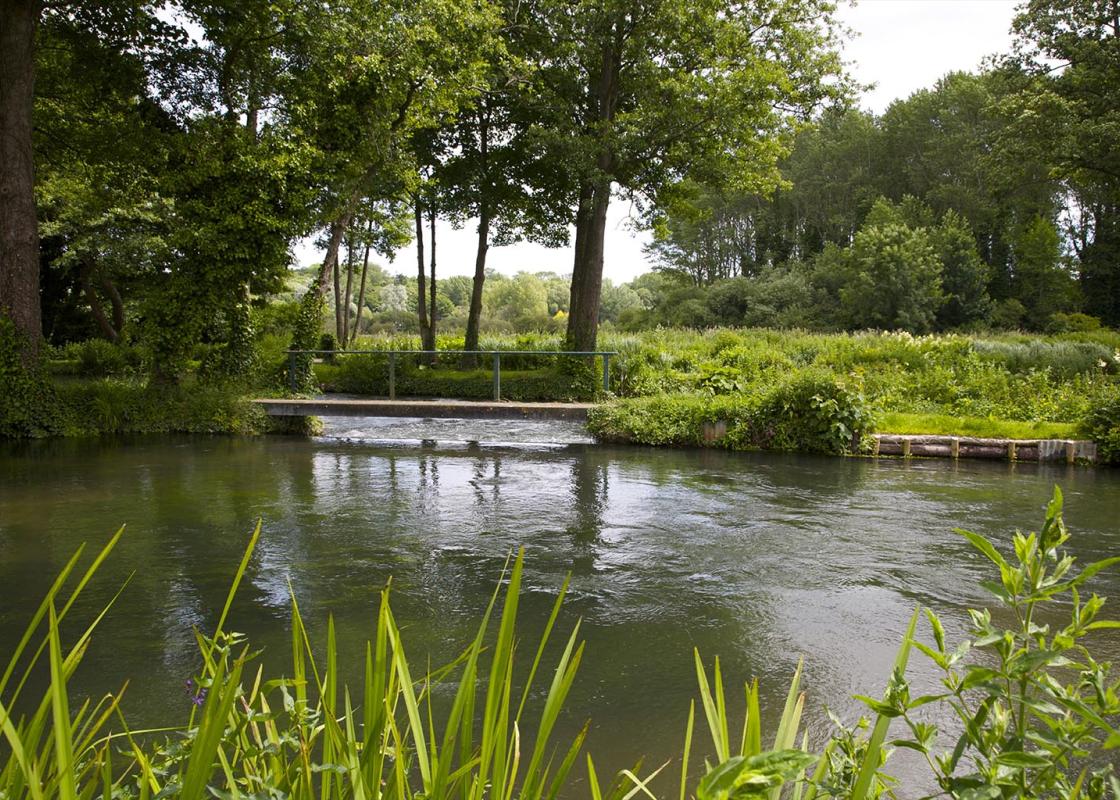
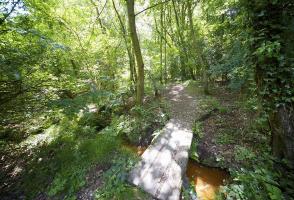
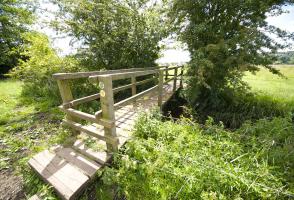
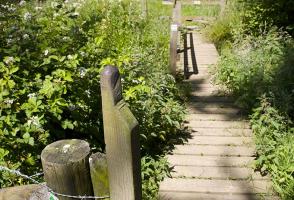
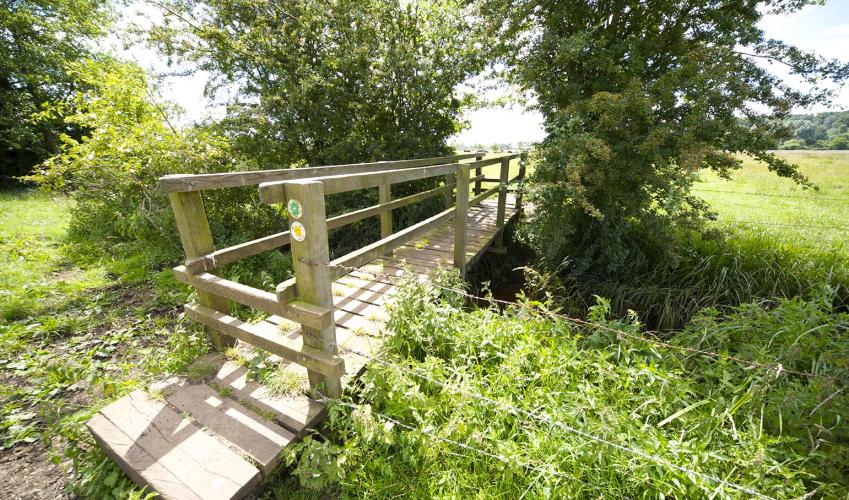
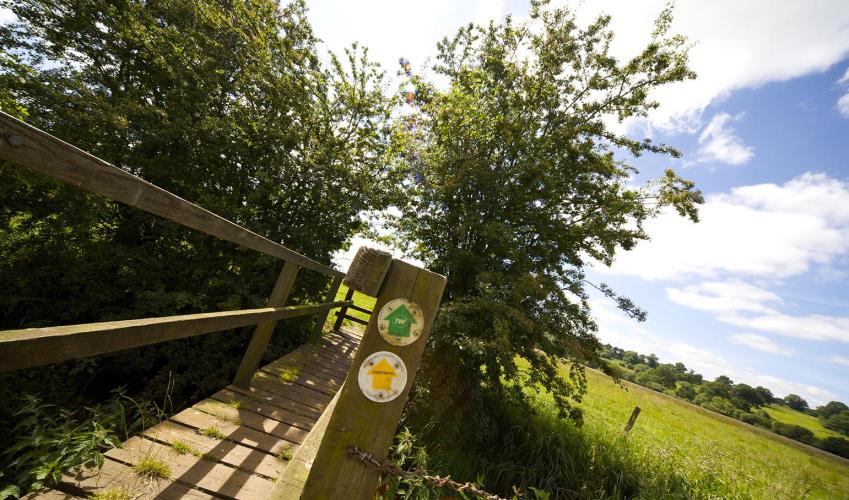
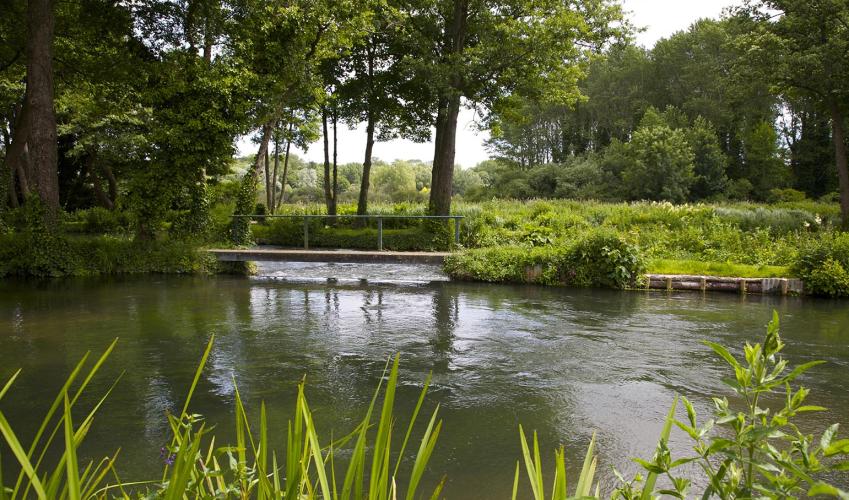
At a crossing of paths (with a bridge to the right and soon after the canal widens), turn left and walk across the meadows on a gravel path. Bear right across a bridge onto a dirt path until you reach the River Test. Turn left along the riverbank, cross a bridge and walk along the opposite bank to a block driveway by a house. Turn right along the drive to the A3057 and turn right.
View all directions
Additional information
Terrain
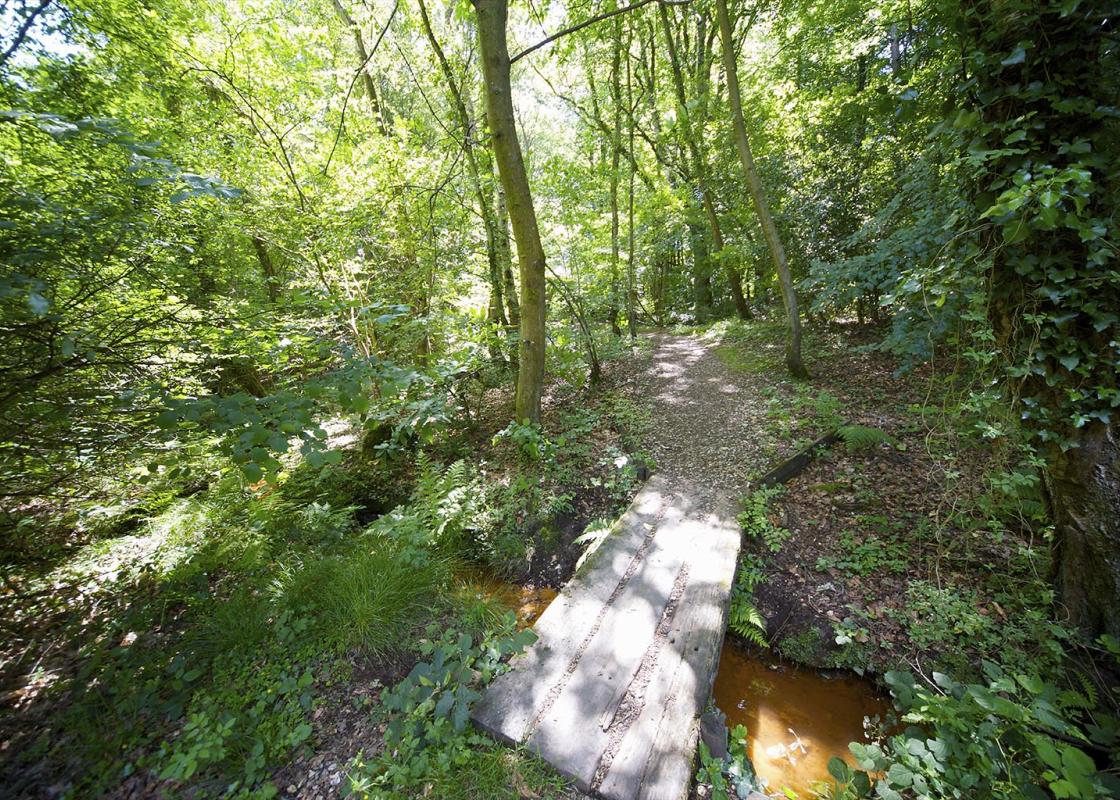
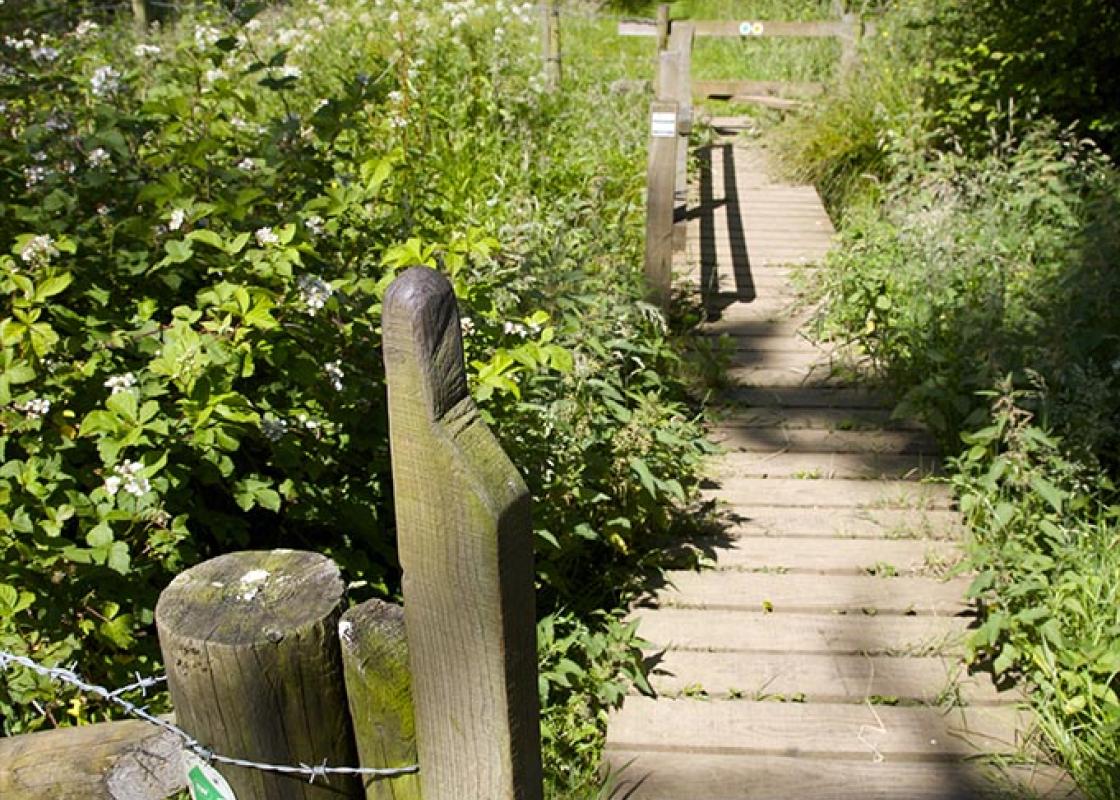
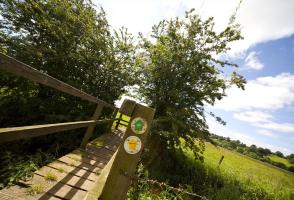
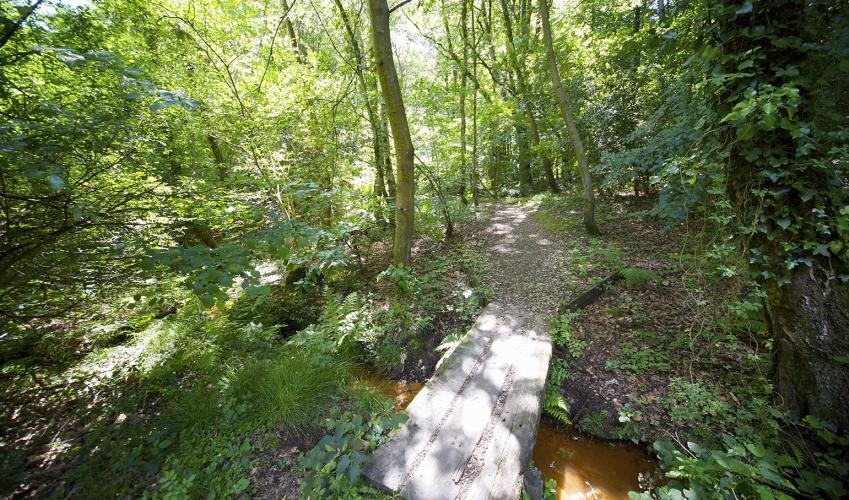
- Tow path, field and muddy woodland paths, some roads, 4 stiles
Landscape
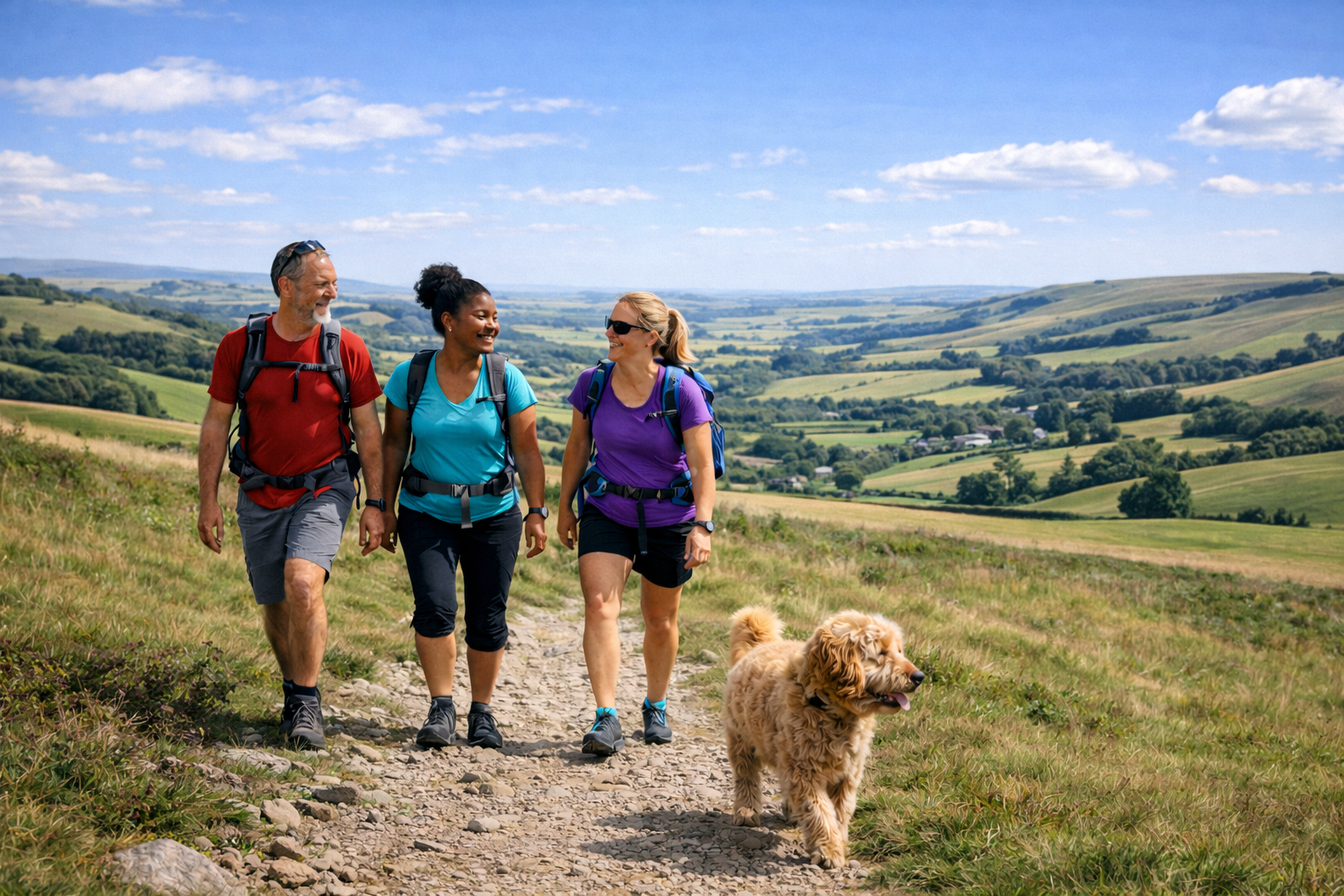
- Initially urban, followed by water-meadows, rolling farmland and dense woodland
Dog friendliness
- Some road walking; keep under strict control in conservation areas
Parking
- Pay-and-display car parks in Romsey town centre
Toilets en route
- By Romsey bus station
About the walk
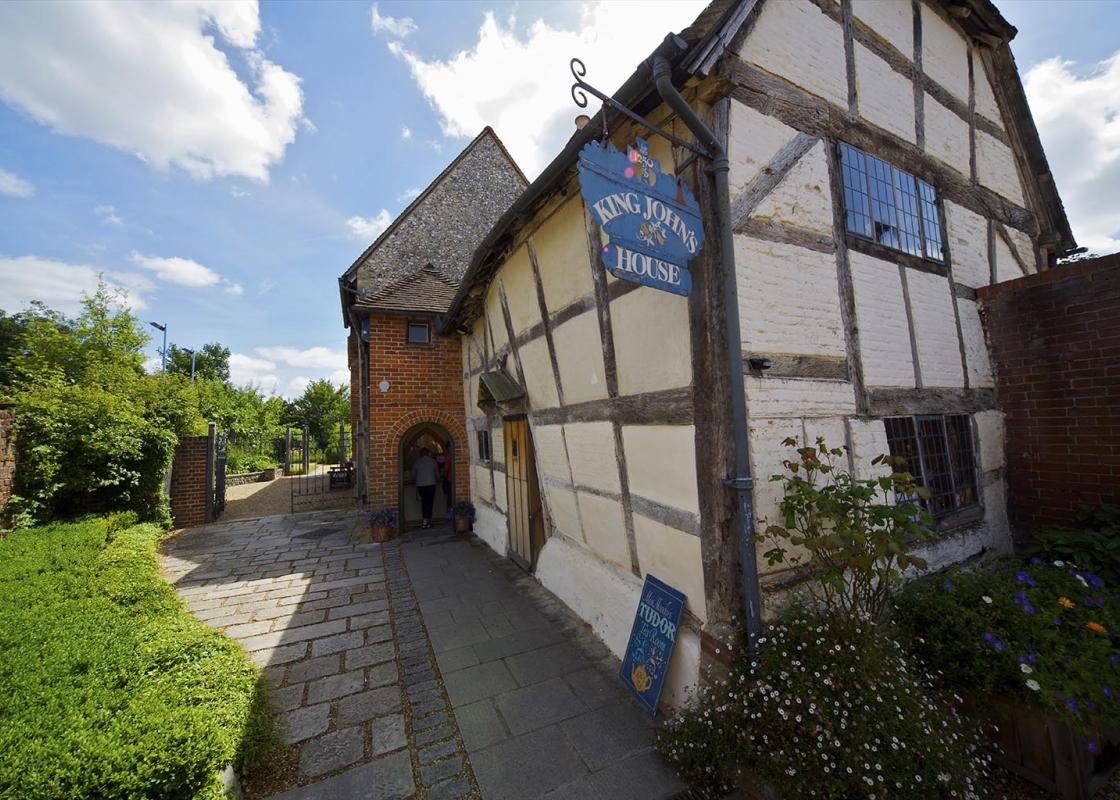
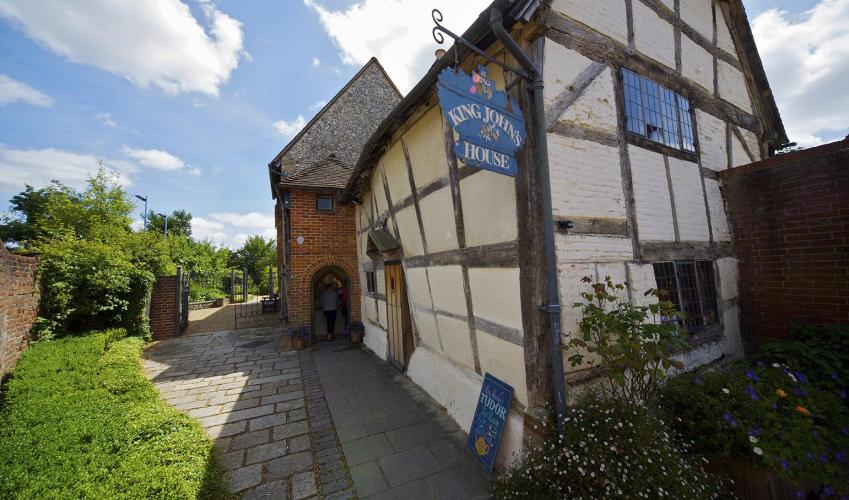
Romsey is the best preserved of all Hampshire’s market towns. Located beside the beautiful River Test, it developed around a Benedictine nunnery founded in ad 907 by Edward the Elder, son of Alfred the Great, whose daughter, Aelfreda, became the first abbess. By the end of the 10th century there...
Read more

Been on this walk?
Send us photos or a comment about this route. Or recommend a route of your own.

Walking in Safety
Read our tips to look after yourself and the environment when following this walk.
Get an AA guide
Explore our range of ‘50 Walks in’ guides - they’re the ideal companion for a ramble.
Been on this walk?
Send us photos or a comment about this route. Or recommend a route of your own.
Walking in Safety
Read our tips to look after yourself and the environment when following this walk.
Get an AA guide
Explore our range of ‘50 Walks in’ guides - they’re the ideal companion for a ramble.
About the area
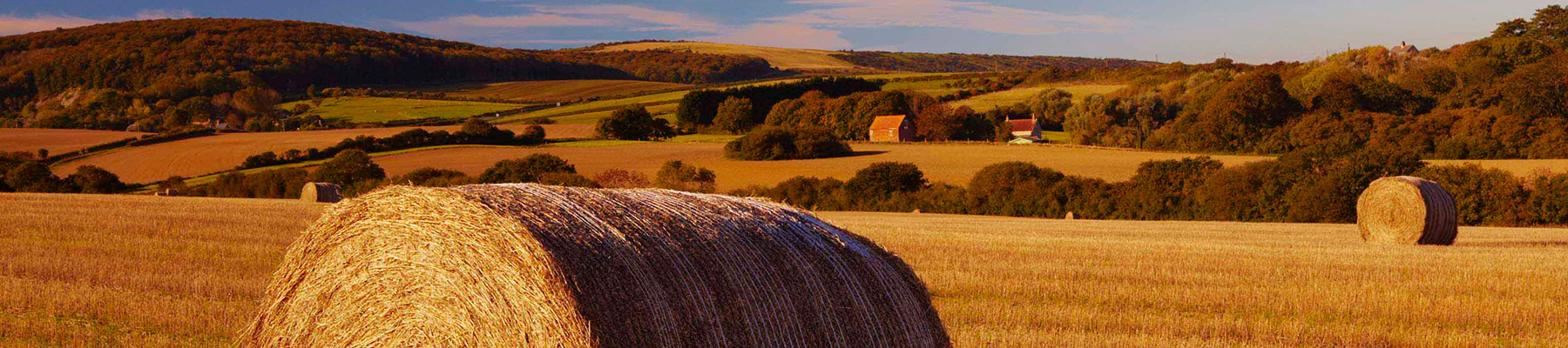
Hampshire’s varied landscape of hills and heaths, downlands and forests, valleys and coast are without rival in southern England. Hike across the chalk downland of the north Hampshire ‘highlands’, meander along peaceful paths through unspoilt river valleys of the Test, Itchen, Avon and Meon, or explore the lonely salt marshes and the beautiful medieval forest and heathland of the New Forest.
Nearby places to stay
View all (8)



Nearby places to stay
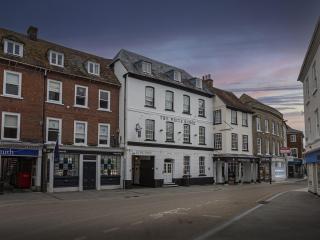
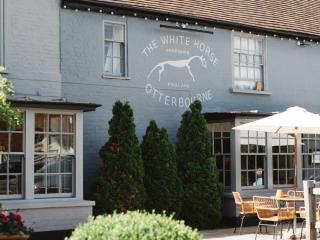
White Horse
The White Horse is in the ancient market town of Romsey in the heart of the Test Valley. This charming former coaching inn is reported to date back to the 14th century. Visitors can sti...
The Duke on the Test
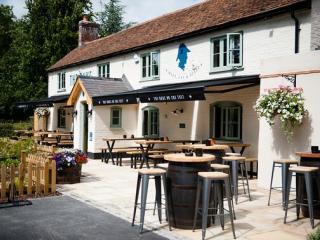
The Duke on the Test is a 16th-century inn just outside of Romsey, reimagined for the 21st century. It offers fine dining, a warm and cosy bar in beautiful surroundings as well as 12 en...
The Kings Head
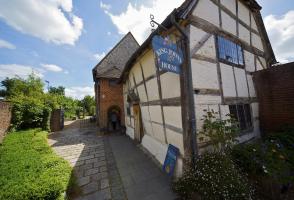
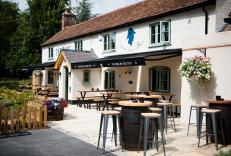
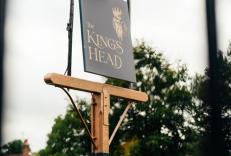
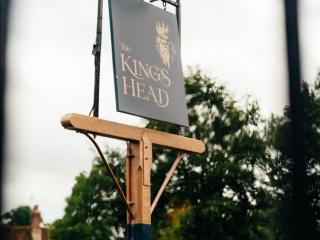
The King’s Head Inn, is in the village of Hursley, on the outskirts of Winchester, surrounded by Hampshire Downlands. Southampton airport and cruise terminals are nearby. All 8 en suite...
Green Hill Farm Holiday Village
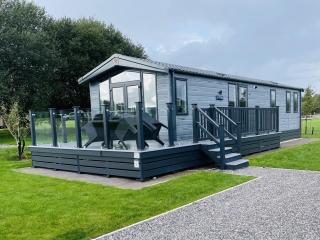
Green Hill Farm is a delightful park, set deep in the countryside with all the peace and tranquillity that this has to offer. On offer is a number of accommodation types, from Shepherds...
The Bell Inn
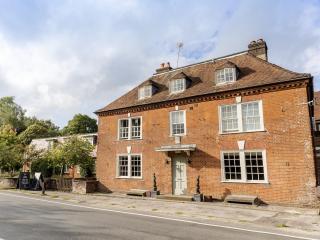
The Bell Inn, Lyndhurst, is part of the Bramshaw Golf Club and makes an ideal base for visiting the New Forest. Comfortable bedrooms have been appointed to a high standard. Public areas...
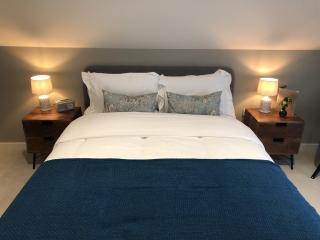
The Kings Head
The Kings Head is a beautifully restored 16th-century, Grade II listed building that opened as an inn in 1786. Inside, the restaurant is open daily offering a menu showcasing the best l...
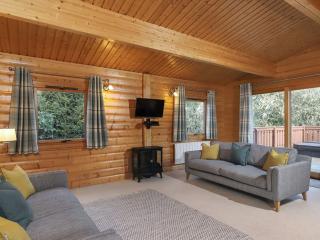
South Winchester Lodges
South Winchester Lodges are set in peaceful surroundings in the heart of a golf club three miles from the historic Cathedral city of Winchester. Close to the South Coast and New Forest ...
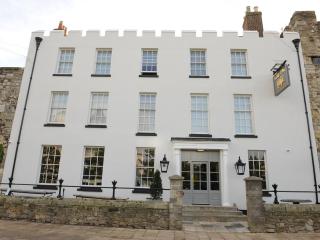
THE PIG-in the wall
Located close to the city centre, tucked away in the old medieval walls of the historic city of Southampton. This beautifully restored property has high quality bedrooms in all shapes a...
Places to eat nearby View all