Crombie Water and whisky hills
Recommended by

Our view
"A walk through a green valley and bare heather moor in the smugglers' country of Glenlivet."
Walk directions
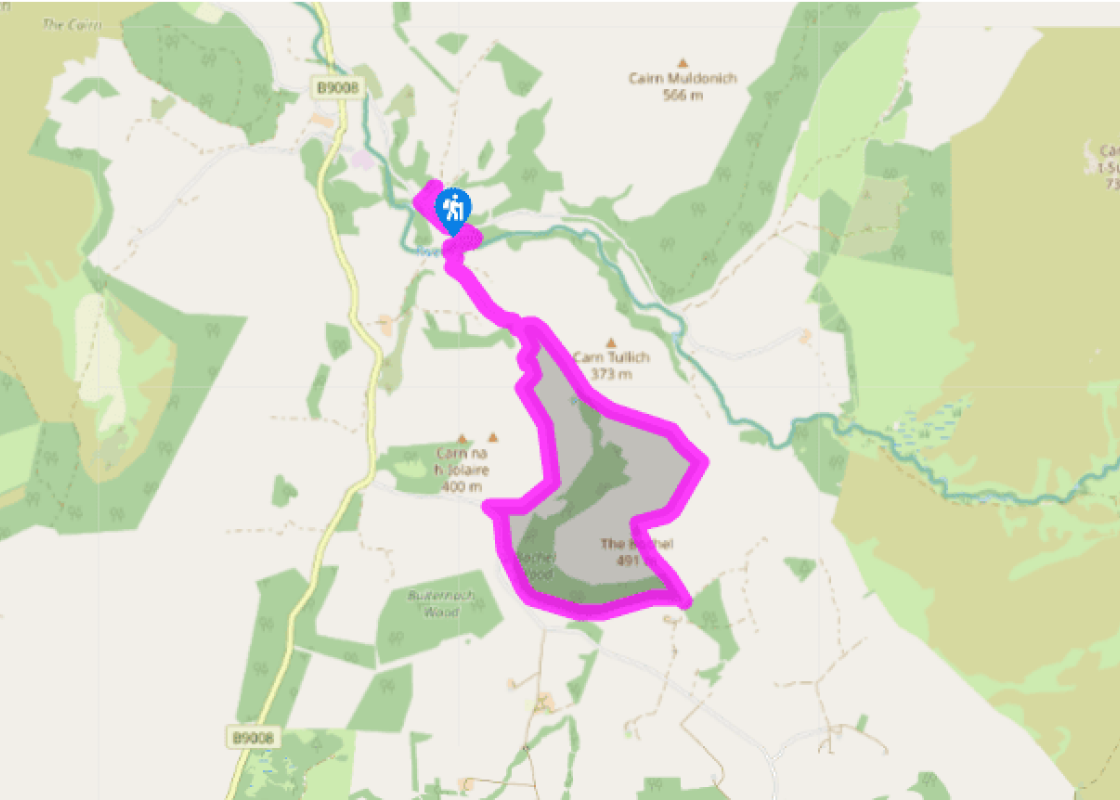
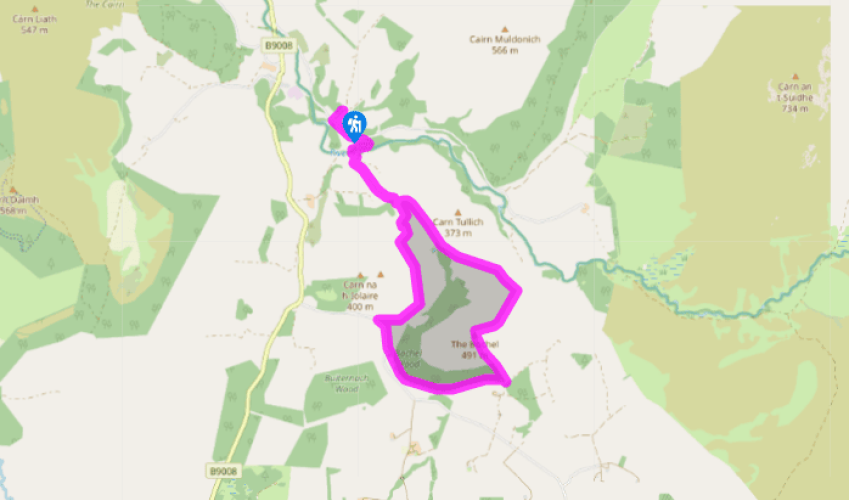
At Tombae church, turn left to walk for 330yds (302m) to a stile on the right – marked 'Bochel Circuit'. A track leads down into birchwoods. Bear right at a waymarker and follow the main track to reach a bridge and cross over the River Livet. After 60yds (55m), turn right to another bridge, this time over the Crombie Water. Turn half left, up to a small gate beside a field gate. The walk now follows the top of the low wooded bank above the Crombie Water to reach a footbridge.
Across the footbridge, a small path runs across a meadow into a wood, slanting up to the right to a green track. Turn right and follow this gently up through the wood, then bend left on to heather moorland. Below the abrupt hill of The Bochel the way becomes a peaty path. Keep ahead, with a waymarker and some old posts. At the top of the first rise is a stile with a gate alongside. The path, with a waymarker, leads to a gate in another fence. Don't go through, but turn right, with the fence on your left, to a stile with a signpost.
View all directions
Additional information
Terrain
- Waymarked, muddy and indistinct in places, many stiles
Landscape
- Birchwoods, heather, rolling hills
Dog friendliness
- Keep on lead except in plantation
Parking
- Track opposite church at Tombae runs up to quarry car park
Toilets en route
- None on route or near by
About the walk
Long before the coming of licensed distilleries, whisky was part of the economy of the Highlands. After the hard work of the barley harvest came the quieter occupation of mashing and distilling. The draff (dregs) from the mash-barrel went to feed the cows, while the spirit itself warmed the crofter...
Read more
Been on this walk?
Send us photos or a comment about this route. Or recommend a route of your own.

Walking in Safety
Read our tips to look after yourself and the environment when following this walk.
Get an AA guide
Explore our range of ‘50 Walks in’ guides - they’re the ideal companion for a ramble.
Been on this walk?
Send us photos or a comment about this route. Or recommend a route of your own.
Walking in Safety
Read our tips to look after yourself and the environment when following this walk.
Get an AA guide
Explore our range of ‘50 Walks in’ guides - they’re the ideal companion for a ramble.
About the area
The largely undiscovered Moray coast offers miles of red sandstone cliffs that spill down to fine sandy beaches split by dramatic rocky headlands, and a chain of small towns, sleepy villages and fishing ports. The gentle breezes and warm sunshine of lazy summer days give the place a restful, relaxing air, and the evenings are a magical time too, with this part of Scotland renowned for its superb sunsets.

Nearby places to stay
View all (8)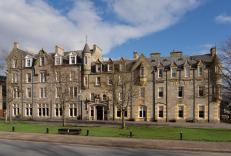







Nearby places to stay
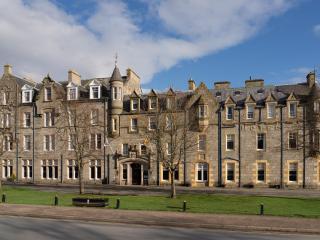
Grant Arms Hotel
Conveniently located in the centre of Grantown-on-Spey, the Grant Arms Hotel offers spacious public areas and has retained traditional character. The restaurant is a popular venue for d...
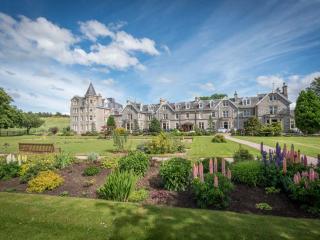
Nethybridge Hotel
This popular tourist and coaching hotel enjoys a central location amidst the majestic Cairngorm Mountains. Bedrooms are stylishly furnished in bold tartans while traditionally styled da...
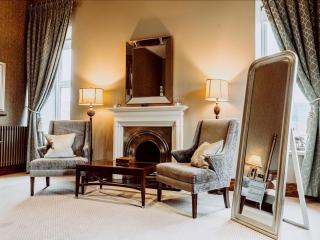
The Station Hotel
Located at the heart of Speyside, the Station Hotel dates back to 1901 and is a perfect base for touring the numerous distilleries of the area. The 15 Rooms and Suites are modern and we...
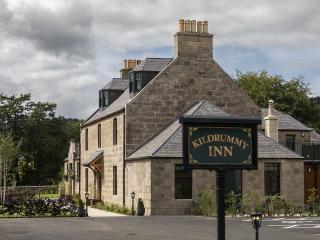
Kildrummy Inn
Located in the heart of rural Aberdeenshire, Kildrummy Inn is the perfect base for touring the Grampian Mountains and beyond. This family run, traditional inn combines a harmonious blen...
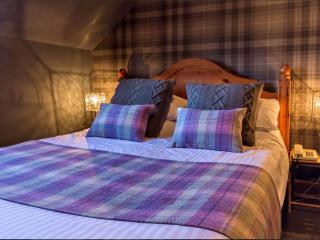
Cairn
The Cairn is conveniently located in Carrbridge, in the Cairngorms National Park, as well as being close to Landmark Forest Adventure Park, which is within walking distance. This proper...
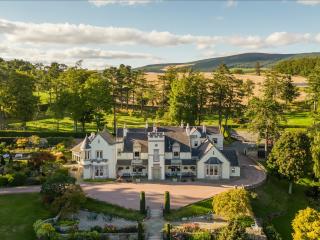
Douneside House
Douneside House provides an impressive range of facilities, with extensive grounds, fishing, spa and leisure facilities as well as stunningly beautiful gardens. Bedrooms come in a range...
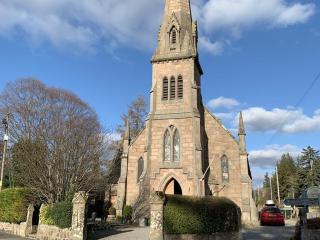
The Auld Kirk
This Victorian Scottish Free Church building has been carefully converted into a warm guest house and is now hosted by welcoming proprietors Helen & Kevin. Many original features of the...
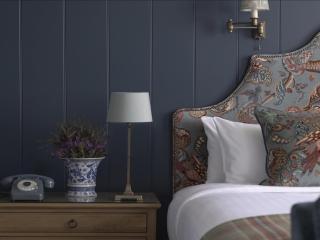
Balmoral Arms
Formerly Deeside Inn, Balmoral Arms continues the tradition of attracting visitors to Royal Deeside, which has existed since Victorian times. Located in the Royal Deeside village of Bal...
Places to eat nearby View all