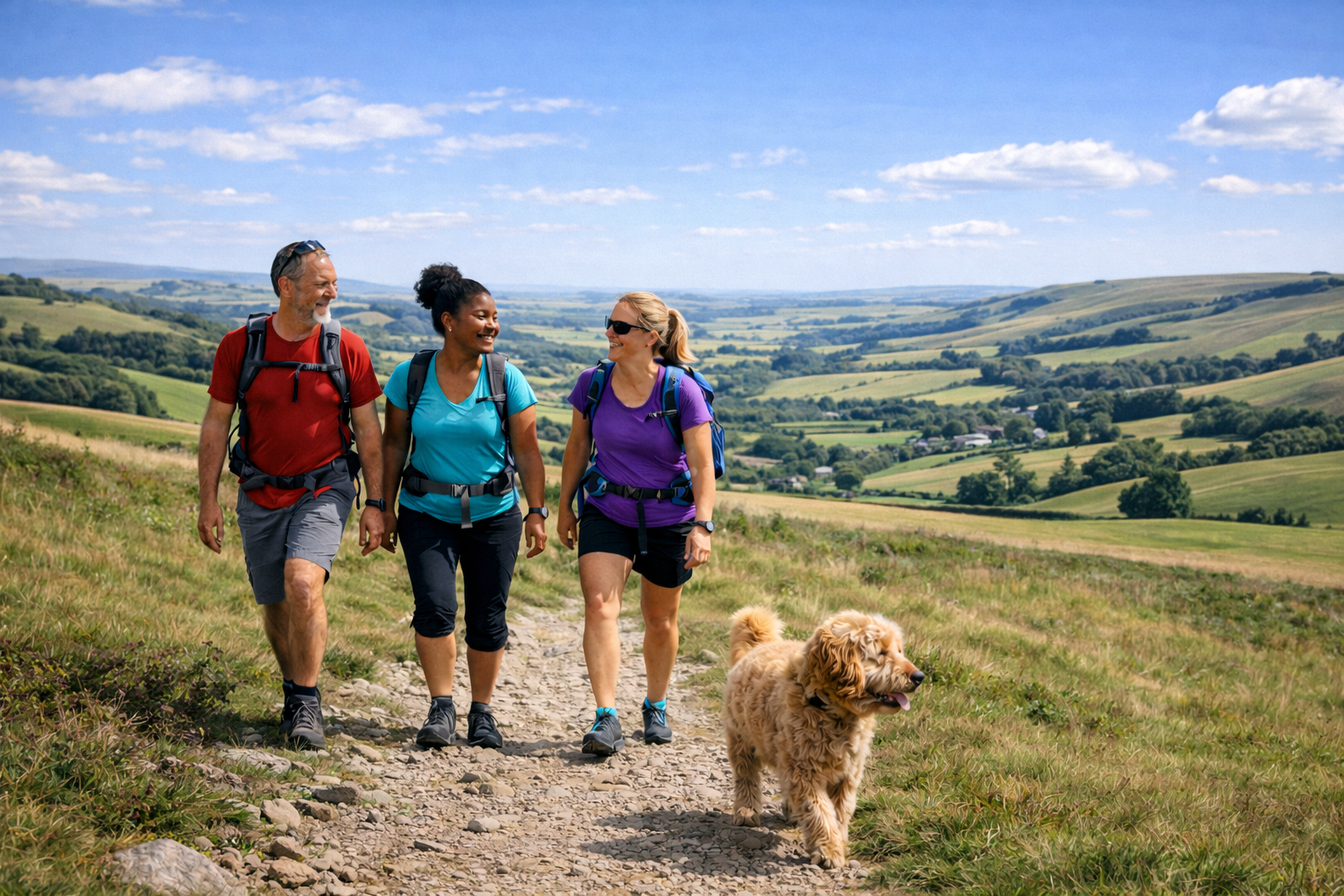
"Discover a windmill and a beautiful lake while walking around this pretty village"
Walk directions
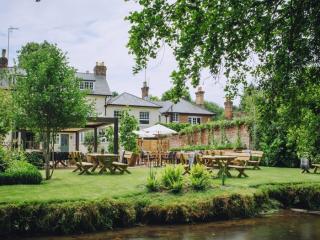
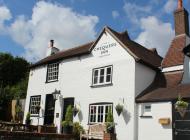
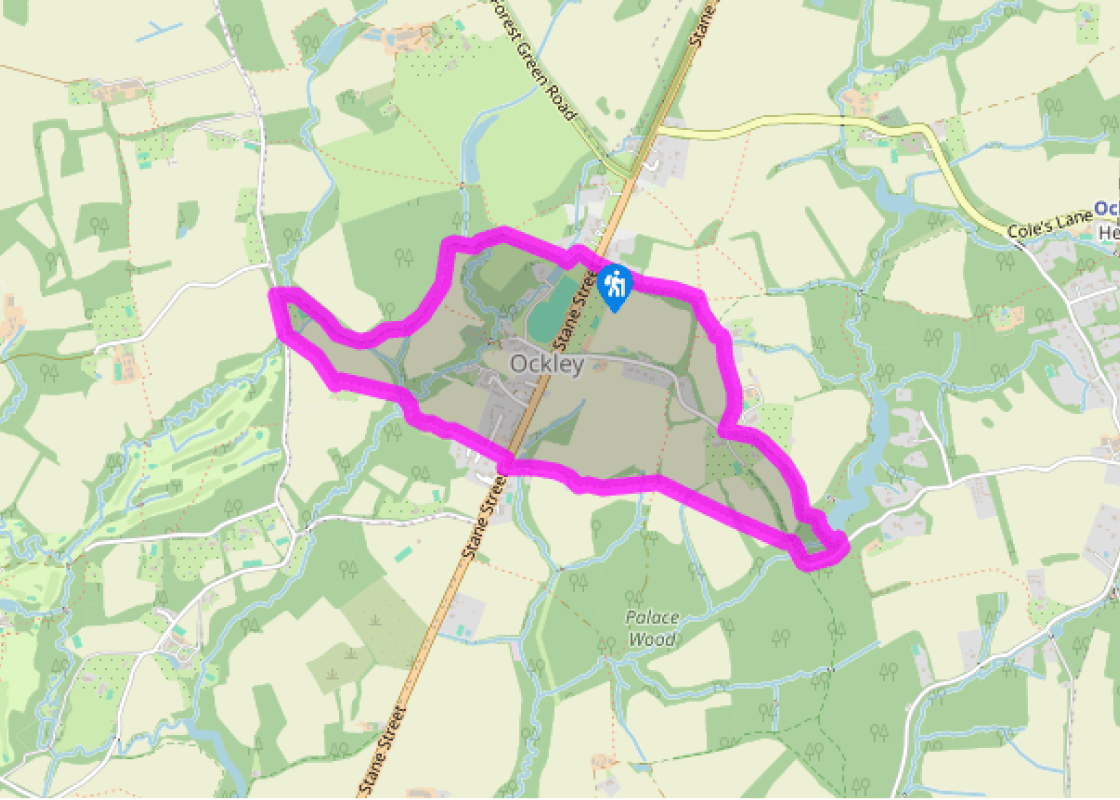
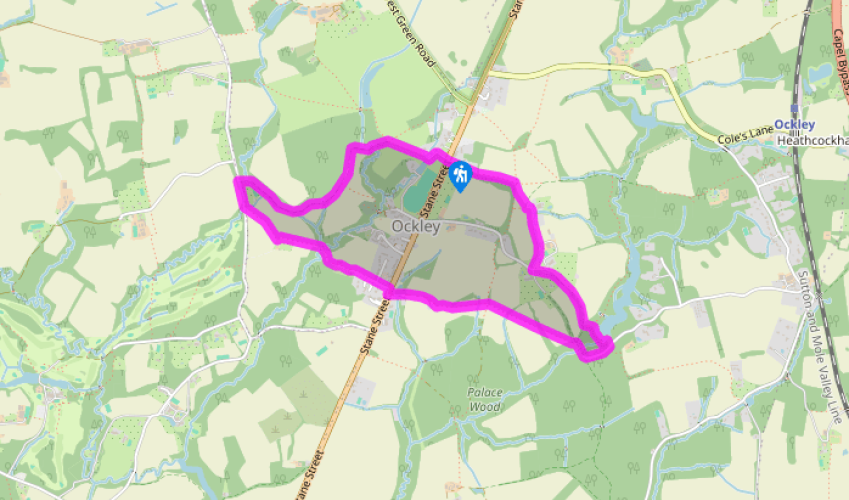
With your back to The Inn on the Green pub, walk across the green towards the pump and cottages, and turn left towards the pond. Turn right, following the public bridleway sign, to bear left and take the path diagonally across a field, heading towards a corner of woodland jutting into the field. Turn left into the trees; after a few paces go through a gate and over a bridge into woodland. Continue straight on along the edge of the woods, to eventually cross another bridge and pass by the side of Copse Cottage to Mole Street.
Turn left, pass another house and go left through a gate onto a public footpath that winds diagonally across a field towards a gap in the hedge, to the left of a large oak. Pass through and head towards a barn, then bear left and right, with the barn and farmhouse on your right. At the far end of the field, go through a gate and down the slope and over a stream towards a fingerpost. Turn right and follow the path around the right-hand edge of the field and towards an old barn. Reach a gravel track that leads through a metal gate and into Elmers Road. Proceed ahead to the main road (Stane Street, A29).
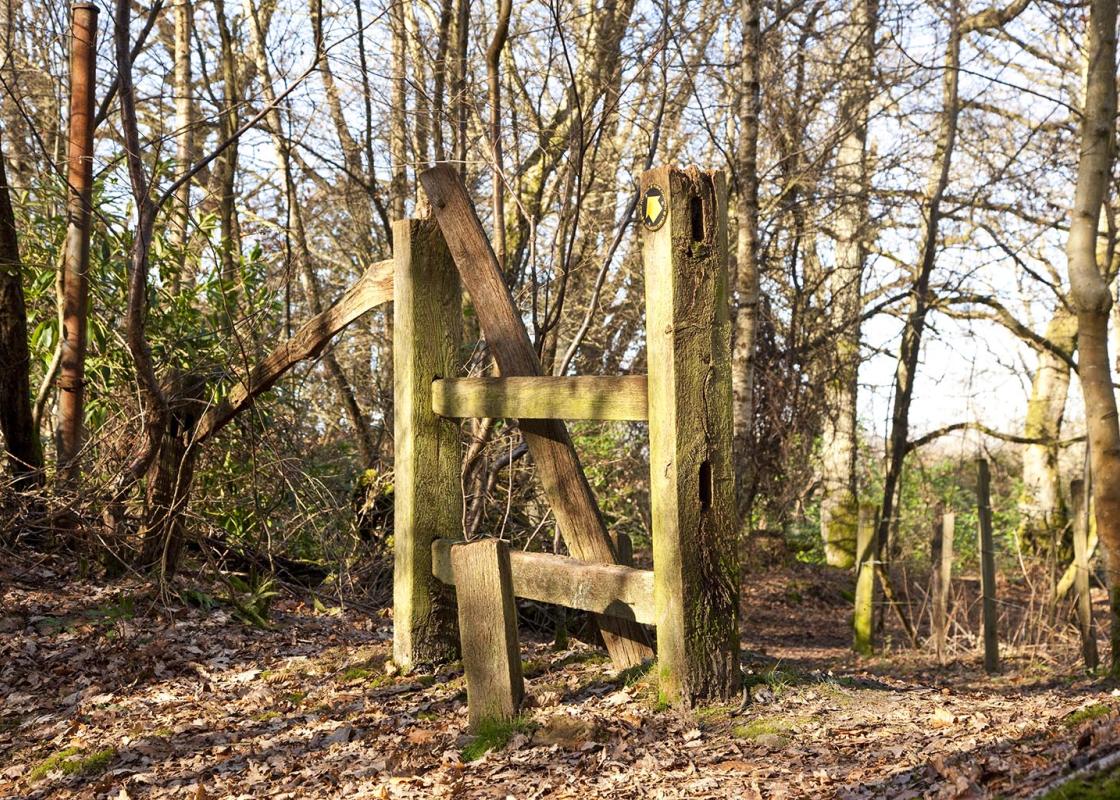
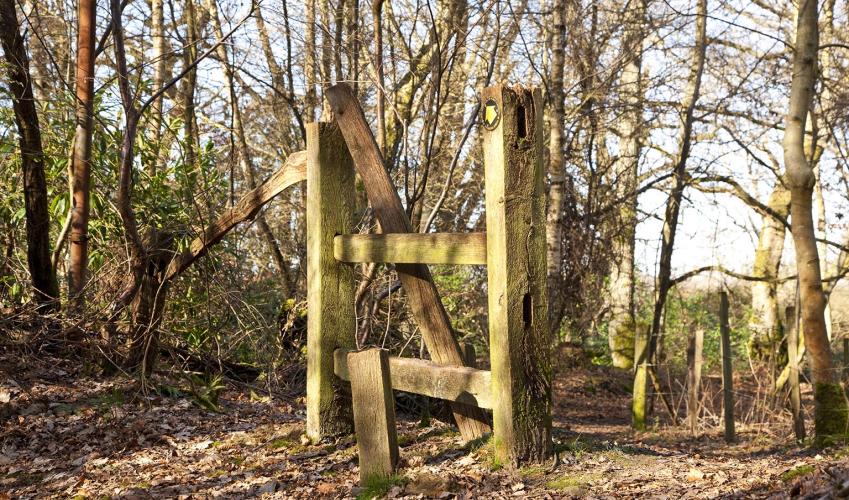
Cross the road with care, and turn right then left onto a public footpath beside the gate to Elmers Farm. Go through a small gate, pass a pond on the left and head towards Ockley Windmill. Just before the gate to the windmill, the path jinks left downhill towards a stile. Over the stile continue straight on to a cross-track with a fingerpost. Continue ahead over a stile and cross the field to another stile. Again, go straight ahead across a field to a gap in the trees at the far side, and walk half right to the bottom of the next field. Cross a stile and walk into woodland. Within a few paces you reach a cross-track, where you turn right and descend to a bridge and up the stony track on the far side. Follow the left-hand public bridleway past Rill Cottage and Rill Barn on the left, to reach a footpath sign, near a wooden barrier, and turn left.
Descend to cross a bridge over the outlet channel for Vann Lake, and continue up to a fingerpost where you turn right. Follow the path along the top of a field to a track between houses and emerge by Vann House. Take the road straight ahead, towards Vann Farm at the end of the road.
Just before reaching Vann Farm, jink left and then shortly left again, and right into a field. Bear half left up a field to the edge of the woodland. Keeping the woodland to the left, walk ahead to reach a narrow alleyway on the left. This leads between houses to the main road and back to the village green.
This walk around the pretty village of Ockley has a couple of surprises that add to its interest. Firstly, however, the village itself is worth exploring. The dead straight road that forms its setting is the inheritor of the Roman Stane Street, a road which originally ran in a direct line from... London Bridge to Pulborough and then on to Chichester. A settlement has existed here since Saxon times (Ockley means ‘Occa’s clearing in the wood’), and there may have been a small castle here in the 12th century. The village is mentioned in the Domesday Book and St Margaret’s Church dates from 1291. Most of the development of the village along the road took place in the 16th century. The railway line has been in existence since 1867, and back in 1901 the train bearing the cortège of Queen Victoria passed through the station. Local landmarks Ockley Windmill (properly called Elmer’s Windmill) was built in 1802. The windmill never actually belonged to Elmer; its name refers to the fact that during the 11th century, most of the Ockley area was owned by one Aylmer (sometimes spelled Almar or Aelmar). The windmill fell down in 1944 and, for several years, the brick base served as a store, but has now been sensitively restored as a private dwelling. Further along the walk is Vann Lake Nature Reserve. Vann Lake is quite extensive (8 acres/3.2ha), and there are some spectacular views of it along the route. The lake was probably built in the 18th century and dammed to provide power for a proposed linen mill. It is now a Site of Special Scientific Interest and harbours a number of rare species. These include many species of fungi found on specially placed rotting logs, as well as over 100 different bird species and some rare insects. It is also home to dormice.
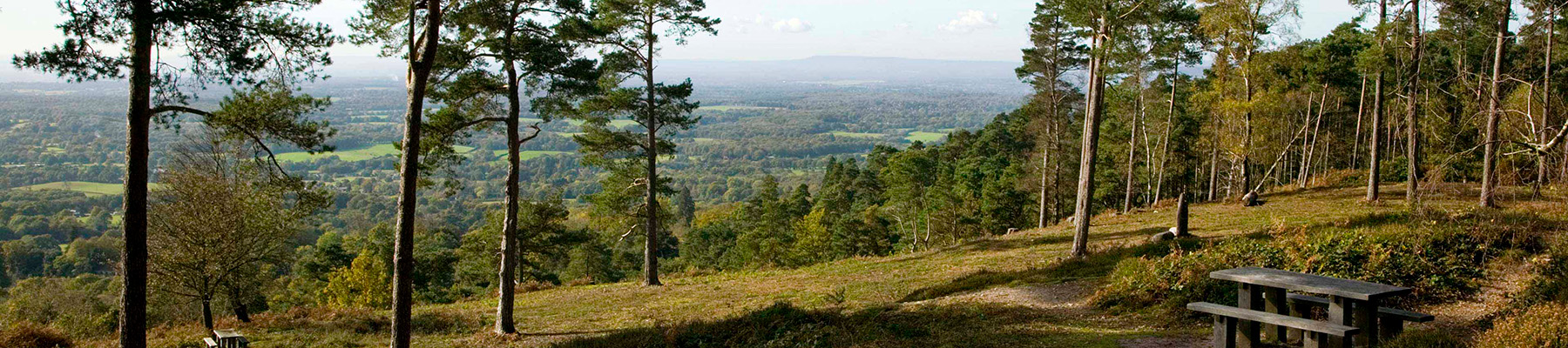
Surrey is one of England’s most wooded counties, with over a quarter of the landscape designated as an official AONB and plenty of history evident in the countryside. You’ll find sandy tracks, cottage gardens and welcoming village inns, and on the fringe of Greater London you can picnic in Chaldon’s hay meadows, explore the downs at Epsom, or drift idly beside the River Thames.
"Discover a windmill and a beautiful lake while walking around this pretty village"
Walk details
1hr 45min
Difficulty:
Easy
Gradient:
Gentle
Distance:
3.2 miles (5.1kms)
Ascent:
253ft (77m)
Walk directions
With your back to The Inn on the Green pub, walk across the green towards the pump and cottages, and turn left towards the pond. Turn right, following the public bridleway sign, to bear left and take the path diagonally across a field, heading towards a corner of woodland jutting into the field. Turn left into the trees; after a few paces go through a gate and over a bridge into woodland. Continue straight on along the edge of the woods, to eventually cross another bridge and pass by the side of Copse Cottage to Mole Street.
1 of 5
Turn left, pass another house and go left through a gate onto a public footpath that winds diagonally across a field towards a gap in the hedge, to the left of a large oak. Pass through and head towards a barn, then bear left and right, with the barn and farmhouse on your right. At the far end of the field, go through a gate and down the slope and over a stream towards a fingerpost. Turn right and follow the path around the right-hand edge of the field and towards an old barn. Reach a gravel track that leads through a metal gate and into Elmers Road. Proceed ahead to the main road (Stane Street, A29).
2 of 5
Cross the road with care, and turn right then left onto a public footpath beside the gate to Elmers Farm. Go through a small gate, pass a pond on the left and head towards Ockley Windmill. Just before the gate to the windmill, the path jinks left downhill towards a stile. Over the stile continue straight on to a cross-track with a fingerpost. Continue ahead over a stile and cross the field to another stile. Again, go straight ahead across a field to a gap in the trees at the far side, and walk half right to the bottom of the next field. Cross a stile and walk into woodland. Within a few paces you reach a cross-track, where you turn right and descend to a bridge and up the stony track on the far side. Follow the left-hand public bridleway past Rill Cottage and Rill Barn on the left, to reach a footpath sign, near a wooden barrier, and turn left.
3 of 5
Descend to cross a bridge over the outlet channel for Vann Lake, and continue up to a fingerpost where you turn right. Follow the path along the top of a field to a track between houses and emerge by Vann House. Take the road straight ahead, towards Vann Farm at the end of the road.
4 of 5
Just before reaching Vann Farm, jink left and then shortly left again, and right into a field. Bear half left up a field to the edge of the woodland. Keeping the woodland to the left, walk ahead to reach a narrow alleyway on the left. This leads between houses to the main road and back to the village green.
This walk around the pretty village of Ockley has a couple of surprises that add to its interest. Firstly, however, the village itself is worth exploring. The dead straight road that forms its setting is the inheritor of the Roman Stane Street, a road which originally ran in a direct line from... London Bridge to Pulborough and then on to Chichester. A settlement has existed here since Saxon times (Ockley means ‘Occa’s clearing in the wood’), and there may have been a small castle here in the 12th century. The village is mentioned in the Domesday Book and St Margaret’s Church dates from 1291. Most of the development of the village along the road took place in the 16th century. The railway line has been in existence since 1867, and back in 1901 the train bearing the cortège of Queen Victoria passed through the station. Local landmarks Ockley Windmill (properly called Elmer’s Windmill) was built in 1802. The windmill never actually belonged to Elmer; its name refers to the fact that during the 11th century, most of the Ockley area was owned by one Aylmer (sometimes spelled Almar or Aelmar). The windmill fell down in 1944 and, for several years, the brick base served as a store, but has now been sensitively restored as a private dwelling. Further along the walk is Vann Lake Nature Reserve. Vann Lake is quite extensive (8 acres/3.2ha), and there are some spectacular views of it along the route. The lake was probably built in the 18th century and dammed to provide power for a proposed linen mill. It is now a Site of Special Scientific Interest and harbours a number of rare species. These include many species of fungi found on specially placed rotting logs, as well as over 100 different bird species and some rare insects. It is also home to dormice.
Surrey is one of England’s most wooded counties, with over a quarter of the landscape designated as an official AONB and plenty of history evident in the countryside. You’ll find sandy tracks, cottage gardens and welcoming village inns, and on the fringe of Greater London you can picnic in Chaldon’s hay meadows, explore the downs at Epsom, or drift idly beside the River Thames.