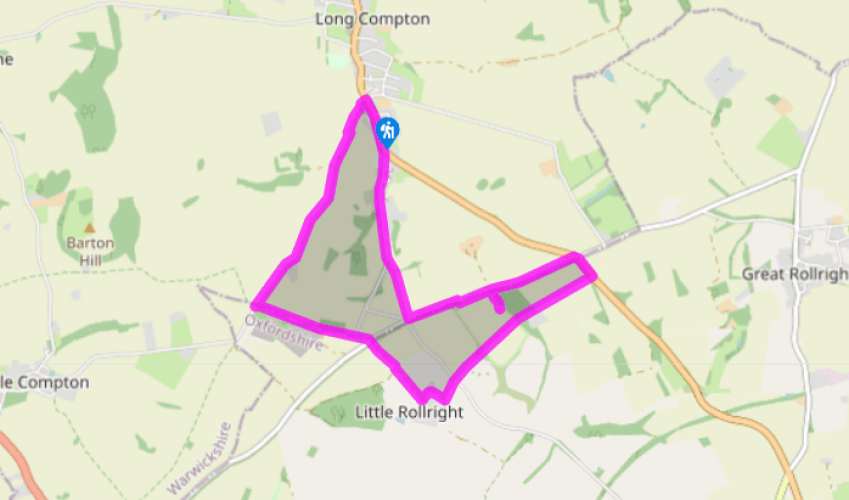
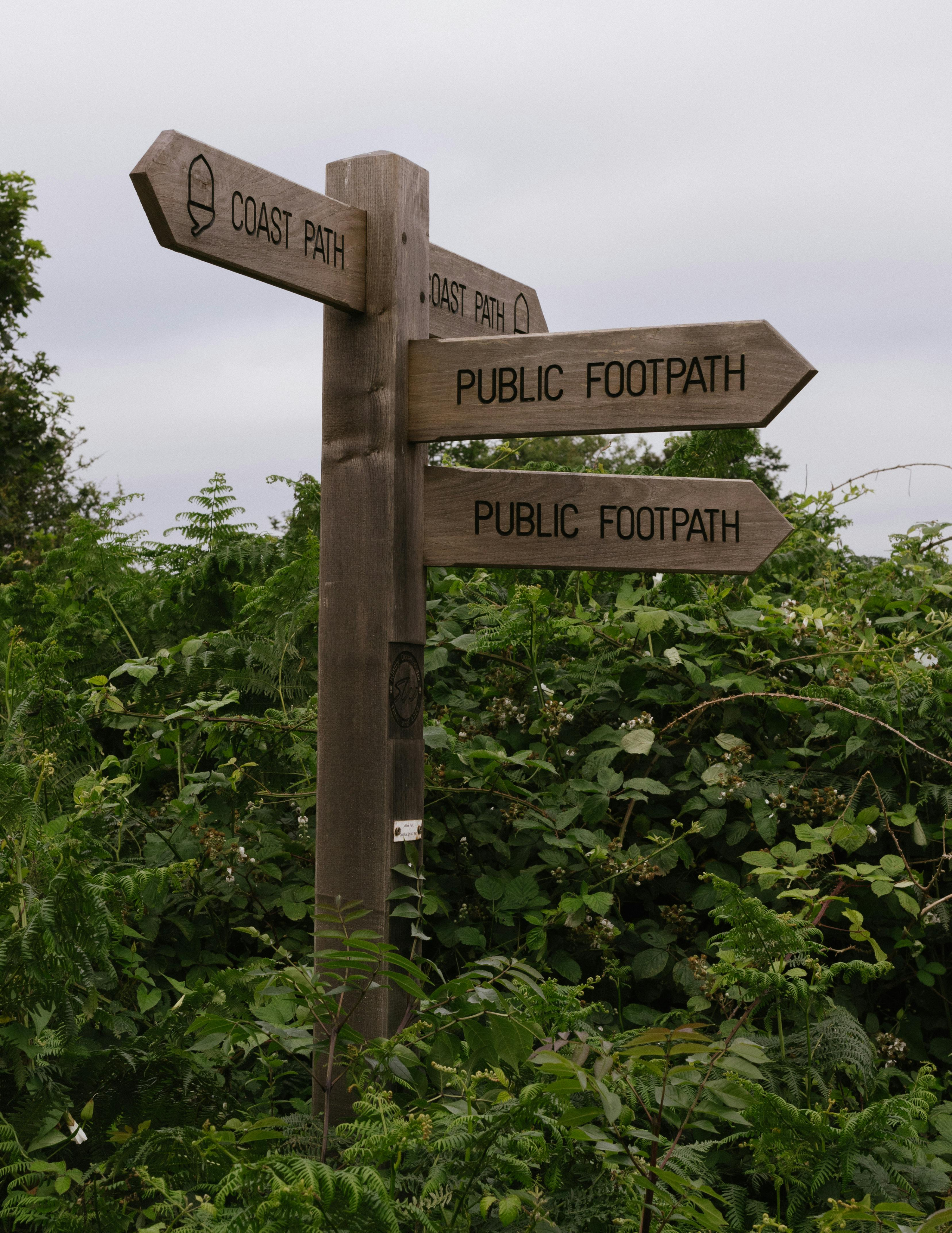
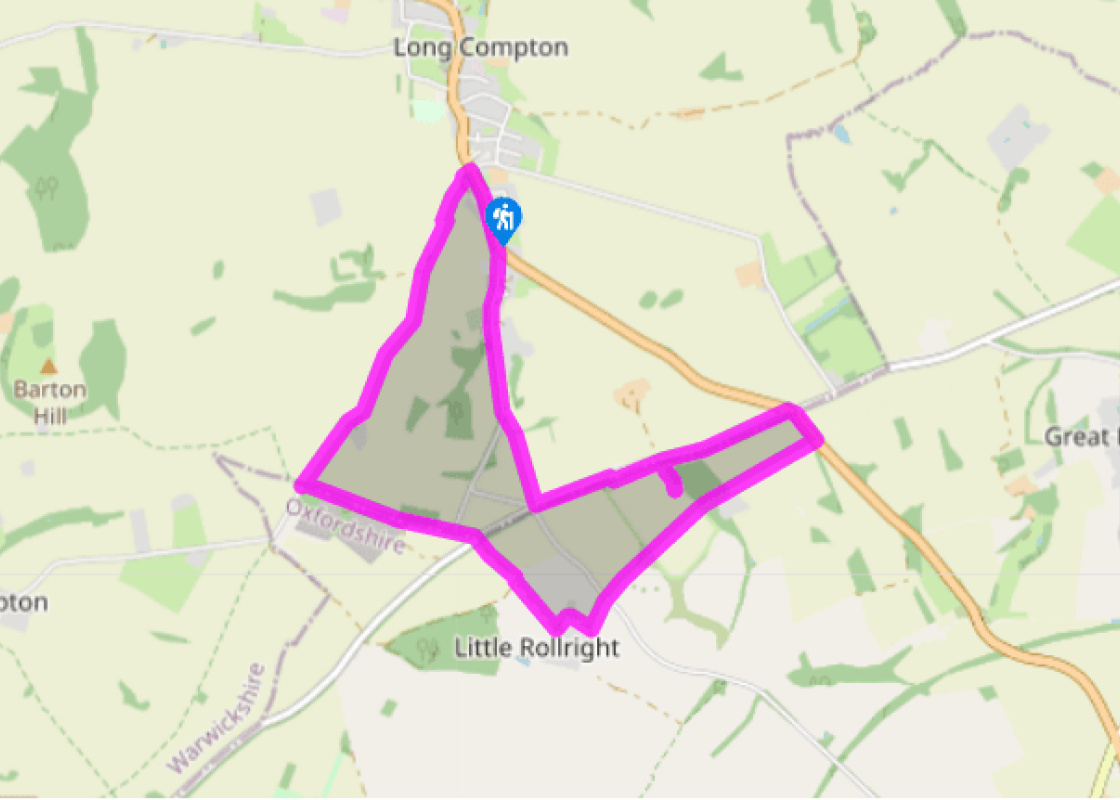
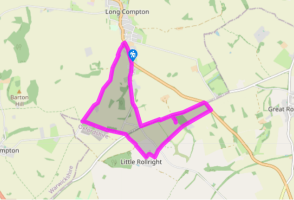
From the lay-by, you’ll see two sets of kissing gates facing each other across the road. Go through the smaller one to visit the King Stone in the field to the north of the road. Next, cross back over the road to find the King’s Men stone circle. After looking at the stone circle, continue along a grassy permissive path parallel to the road for a further 500yds (457m), then bear right along the footpath to see the third group of stones, called the Whispering Knights. Return to the road and turn right to continue along it for about another 0.5 miles (800m), then at the A3400 junction go to the right and at the brow of the hill go right again up nine steps to a field.
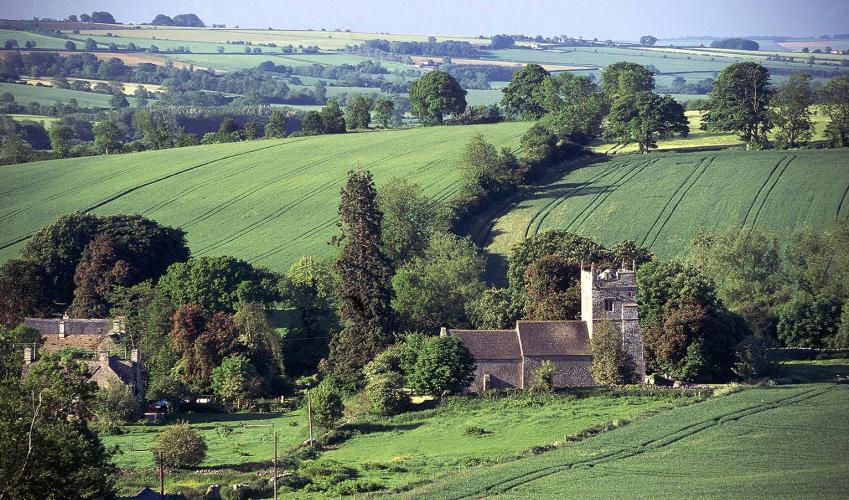
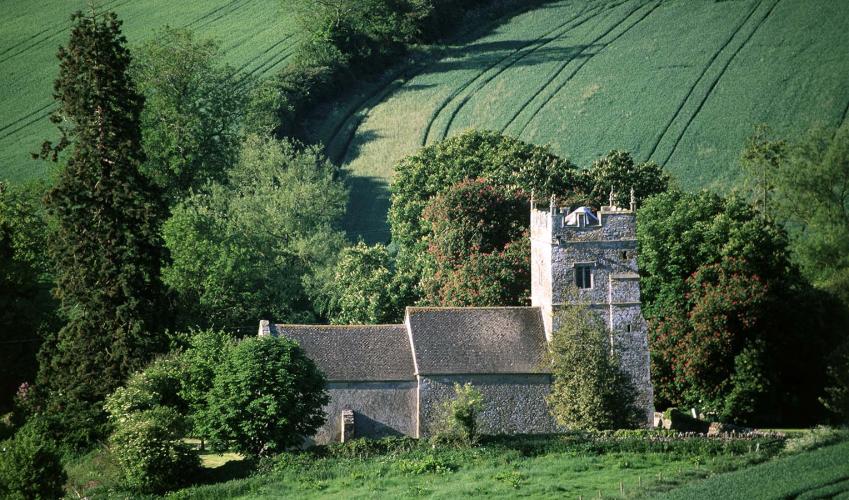
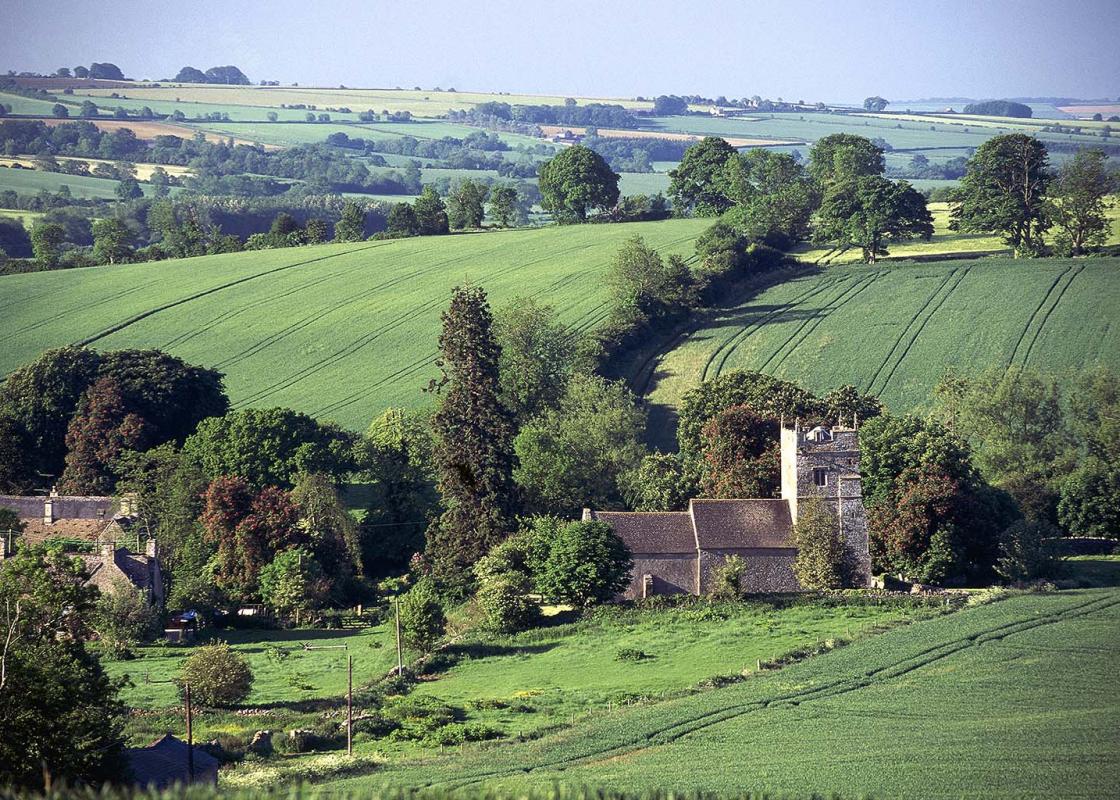
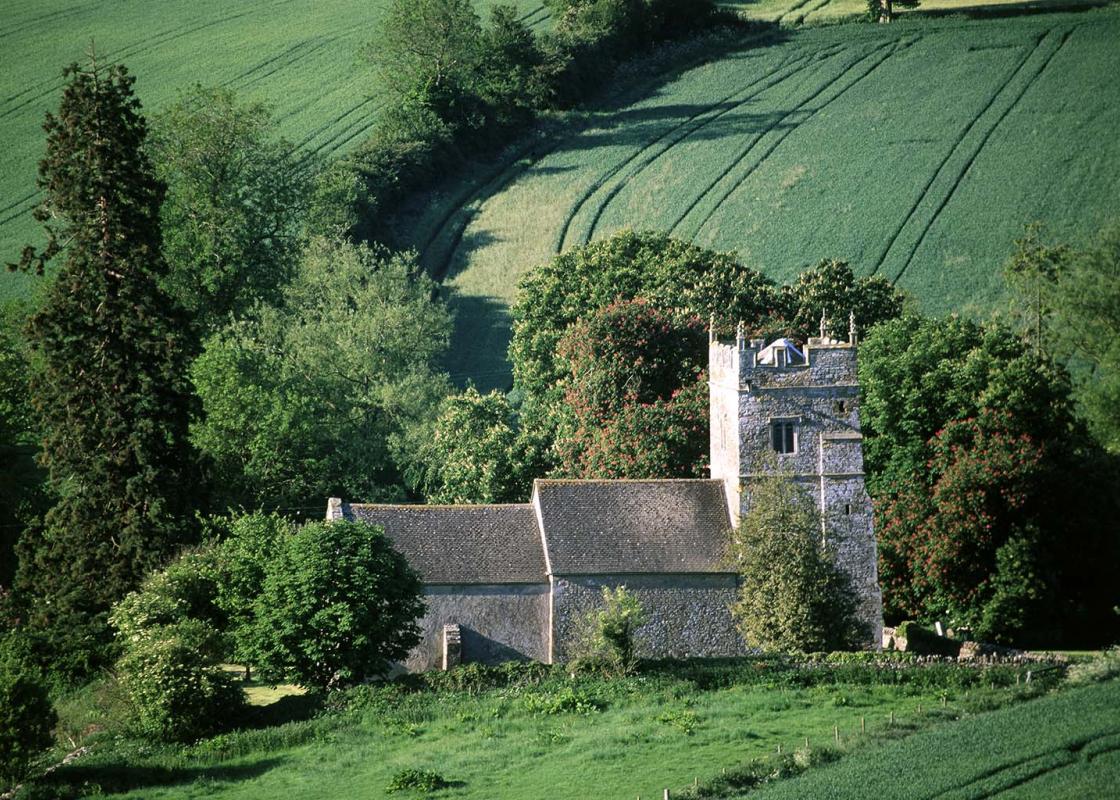
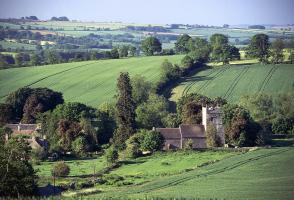
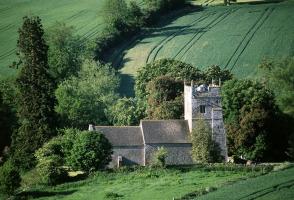
Continue ahead along a grassy path, the hedge on your left, over two fields to a stile. Cross the driveway to Brighthill Farm, and continue ahead through a copse to a double stile. Continue ahead across a cultivated field, then follow a field edge track that descends to a lane. Cross this and descend to Little Rollright via two kissing gates. At a lane turn right to curve north to the superb church. From the church ascend the footpath, signed ‘Little Compton Footpath Only’, up Baker’s Hill to the road.
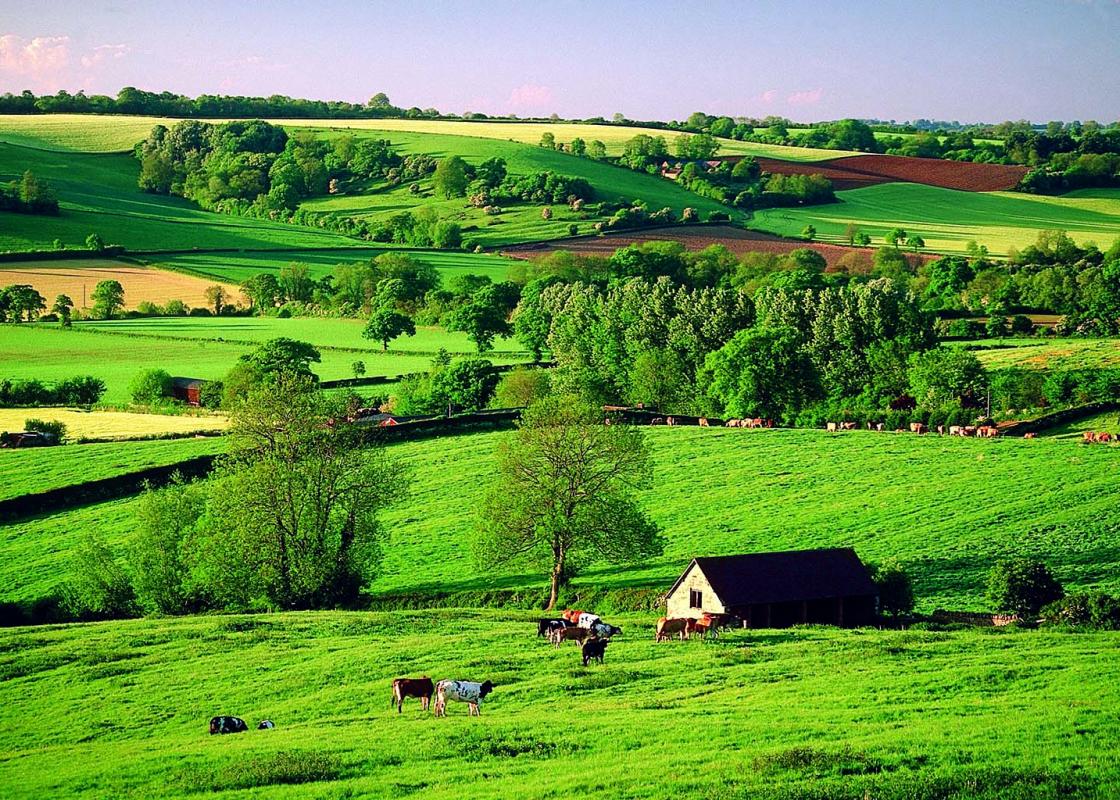
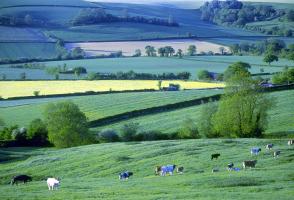
Over a stile cross the road to follow the lane opposite for the next 0.5 miles (800m) towards Little Compton, enjoying the view to the right over Long Compton and towards the village of Brailes.
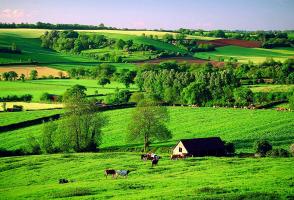
Where the road bends left, go right over a stone stile (not straight onto the bridleway track) and continue ahead over a cultivated field in a generally northeast direction – the view ahead is superb. Descend to the left of South Hill Farm, and continue walking on the MacMillan Way path over several fields, passing through two gates and over a stile. The path becomes a surfaced road. Just after passing to the right of farm buildings, go left and over a stile, then continue ahead via another stile down into Long Compton. Leave the footpath through two pairs of farm gates to arrive back in the village.
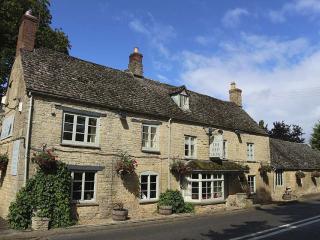
Go right along the road to walk through the village, passing The Red Lion. Where the A3400 bends sharp left, turn right and walk up Little Rollright Road, passing King Stone Farm and Ashby Farm as you climb an area known as The Hollows. After about 0.5 miles (800m) the road bends slightly to the right, and here you go left and immediately onto a footpath with Turnpikehill Barn away to your right. Ascend the footpath to the lane near to the Rollright Stones.
Turn left along the lane, back towards the famous stones and the lay-bys.
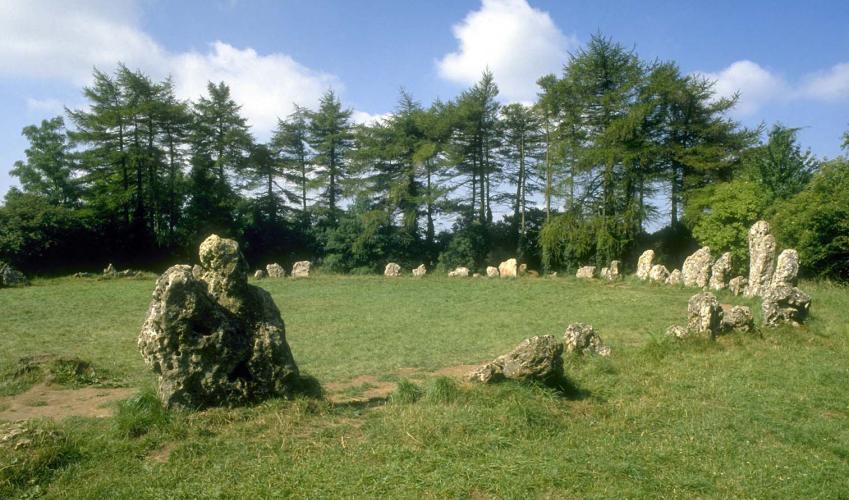
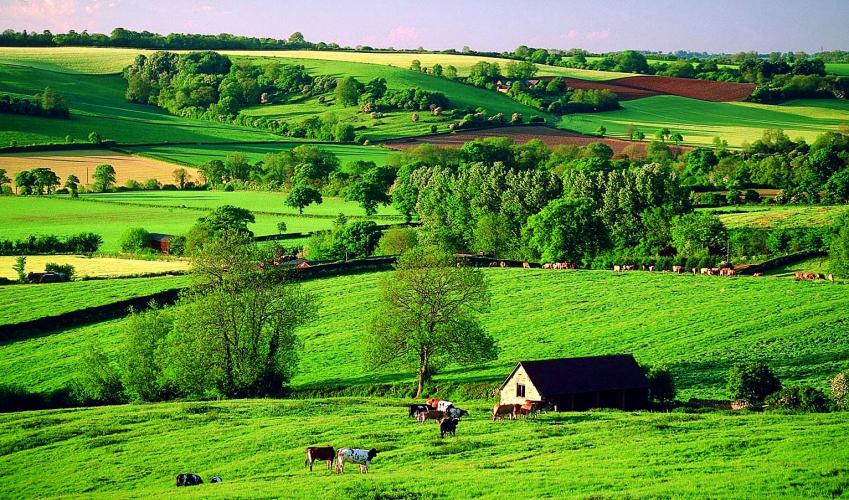
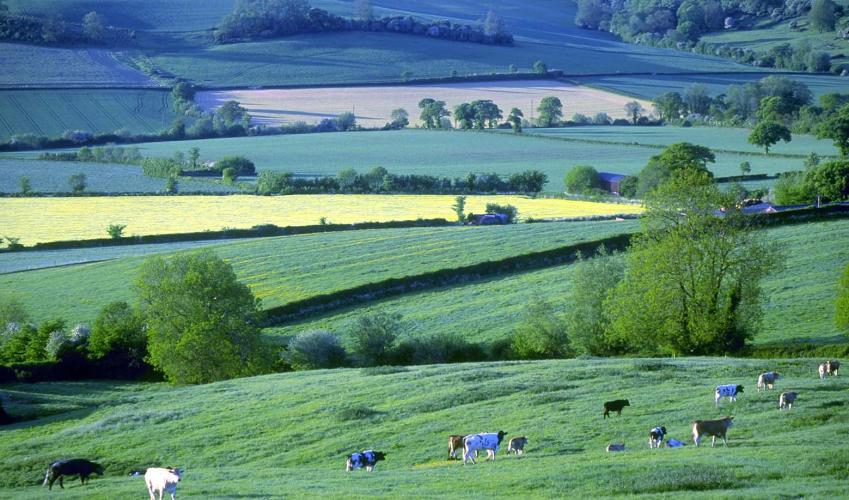
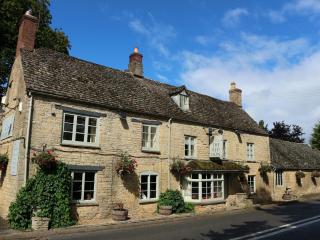
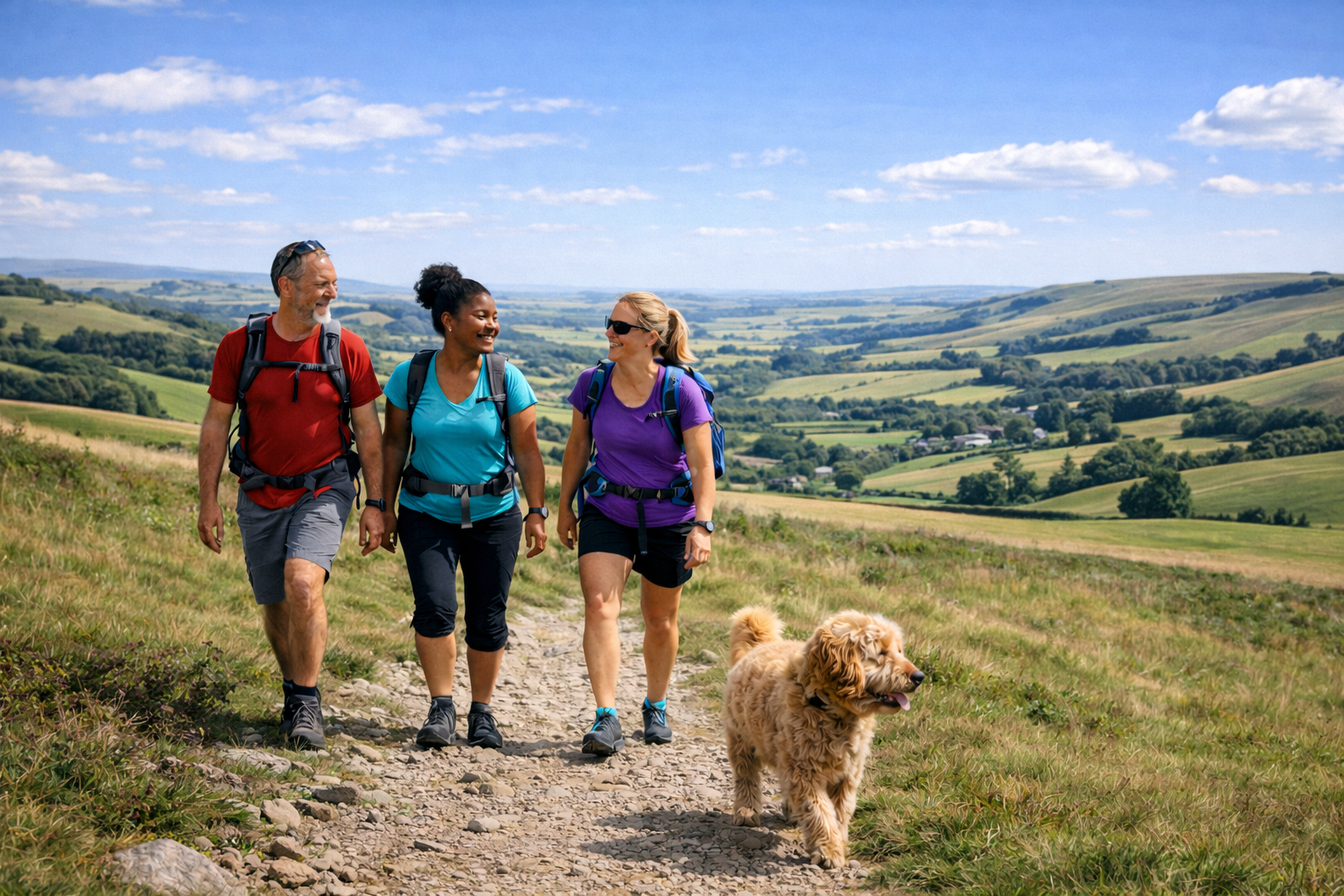
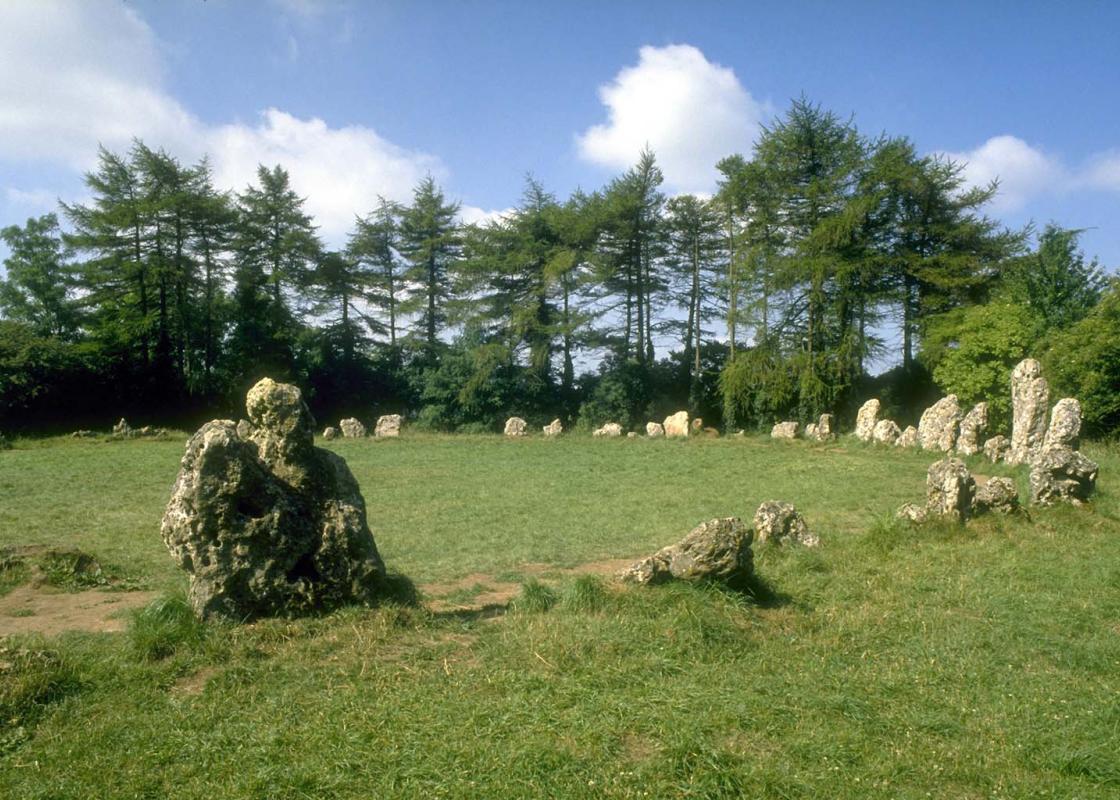
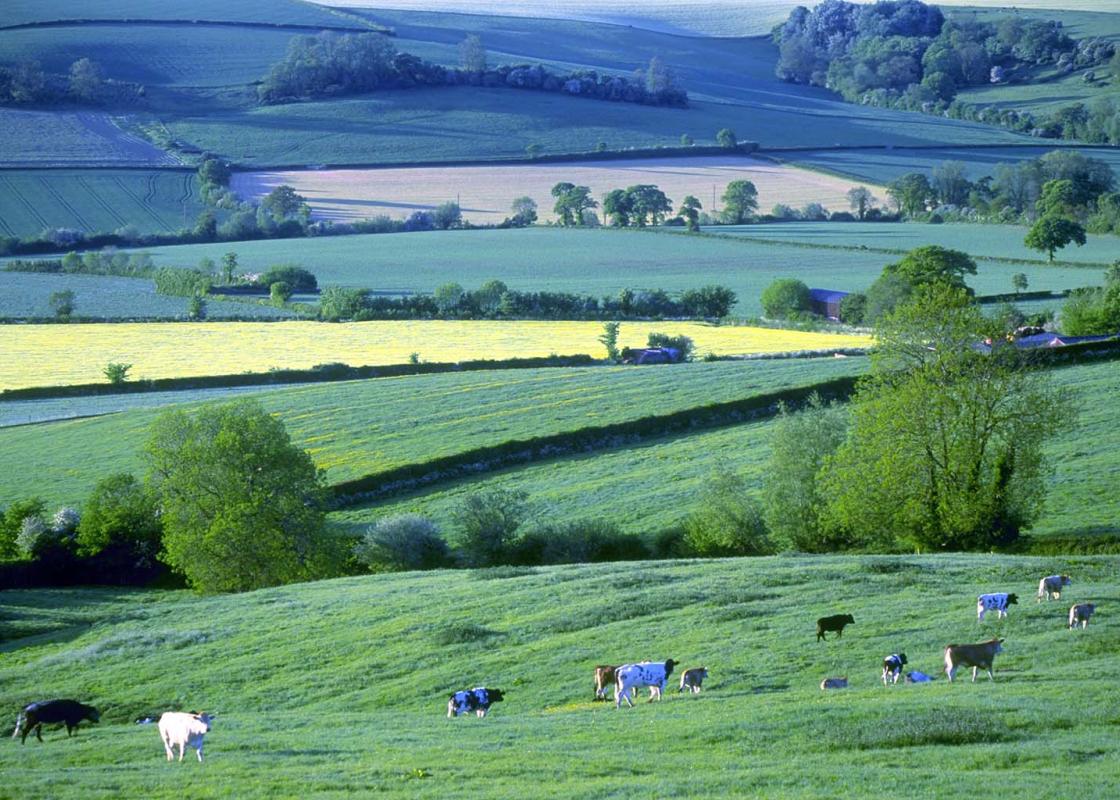
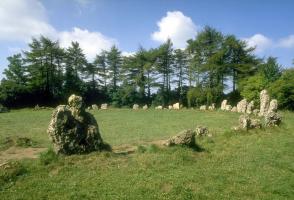
This short, hilly walk offers the chance to visit the Rollright Stones, set up on the hills on the county border with Oxfordshire. The walk starts from Long Compton and ascends the lane up towards Little Rollright. The route passes by the famous stones and returns over farmland into the... picturesque village of Little Rollright before descending back into Long Compton. This is a lovely village with fine old stone houses that line the road and an unusual lychgate to the village church. This was once a 16th-century cottage from which the lower storey has been removed. It appears like a two-storey gatehouse with an arch beneath. Several myths surround the Rollright Stones, including one that the stones are all men turned to stone. The story goes that a king encountered a witch close to where the stones stand. She told him to take seven strides to the top of the hill, pronouncing, ‘If Long Compton thou canst see, King of England shalt thou be!’’ When the eager king got to the top of the hill, he couldn’t see Long Compton because a spur of land obstructed the view. The witch then turned the monarch and his hapless followers all to stone – thus creating the King Stone and the King’s Men. The Whispering Knights are said to have been traitors who were plotting against the King. The Rollright Stones comprise around 70 monoliths positioned in three sets. The King Stone is on the Warwickshire side of the road while the Whispering Knights and the group called the King’s Men are on the other side, in Oxfordshire. The stones, which are much older than those found at Stonehenge, are all worn rough by the winds and centuries of rain. The King Stone is the largest at nearly 9ft (2.75m), and this is said to be placed in such a position that when seen from the centre of the King’s Men circle on 21 June each year, the rising sun is immediately in line with the stone. The stones in the King’s Men circle measure from between 4ft (1.2m) to 7ft (2.1m). Originally there were about 105 stones forming a continuous wall except for one narrow entrance. Here and there the stones are so close they almost touch. It is not clear what the stone circle was used for, but it may well have had some significance in religious and secular ceremonies.
The sparkle of sunlight on a gentle river as it meanders through beautiful countryside; the reflections of sailing boats on a lake; relaxing with a pint in the garden of an old English pub in a picturesque village; brightly coloured narrow boats making their way through a flight of lock gates; the imposing silhouette of an historic castle. These are the scenes that make Warwickshire a delight.
From the lay-by, you’ll see two sets of kissing gates facing each other across the road. Go through the smaller one to visit the King Stone in the field to the north of the road. Next, cross back over the road to find the King’s Men stone circle. After looking at the stone circle, continue along a grassy permissive path parallel to the road for a further 500yds (457m), then bear right along the footpath to see the third group of stones, called the Whispering Knights. Return to the road and turn right to continue along it for about another 0.5 miles (800m), then at the A3400 junction go to the right and at the brow of the hill go right again up nine steps to a field.
1 of 6
Continue ahead along a grassy path, the hedge on your left, over two fields to a stile. Cross the driveway to Brighthill Farm, and continue ahead through a copse to a double stile. Continue ahead across a cultivated field, then follow a field edge track that descends to a lane. Cross this and descend to Little Rollright via two kissing gates. At a lane turn right to curve north to the superb church. From the church ascend the footpath, signed ‘Little Compton Footpath Only’, up Baker’s Hill to the road.
2 of 6
Over a stile cross the road to follow the lane opposite for the next 0.5 miles (800m) towards Little Compton, enjoying the view to the right over Long Compton and towards the village of Brailes.
3 of 6
Where the road bends left, go right over a stone stile (not straight onto the bridleway track) and continue ahead over a cultivated field in a generally northeast direction – the view ahead is superb. Descend to the left of South Hill Farm, and continue walking on the MacMillan Way path over several fields, passing through two gates and over a stile. The path becomes a surfaced road. Just after passing to the right of farm buildings, go left and over a stile, then continue ahead via another stile down into Long Compton. Leave the footpath through two pairs of farm gates to arrive back in the village.
4 of 6
Go right along the road to walk through the village, passing The Red Lion. Where the A3400 bends sharp left, turn right and walk up Little Rollright Road, passing King Stone Farm and Ashby Farm as you climb an area known as The Hollows. After about 0.5 miles (800m) the road bends slightly to the right, and here you go left and immediately onto a footpath with Turnpikehill Barn away to your right. Ascend the footpath to the lane near to the Rollright Stones.
5 of 6
Turn left along the lane, back towards the famous stones and the lay-bys.
This short, hilly walk offers the chance to visit the Rollright Stones, set up on the hills on the county border with Oxfordshire. The walk starts from Long Compton and ascends the lane up towards Little Rollright. The route passes by the famous stones and returns over farmland into the... picturesque village of Little Rollright before descending back into Long Compton. This is a lovely village with fine old stone houses that line the road and an unusual lychgate to the village church. This was once a 16th-century cottage from which the lower storey has been removed. It appears like a two-storey gatehouse with an arch beneath. Several myths surround the Rollright Stones, including one that the stones are all men turned to stone. The story goes that a king encountered a witch close to where the stones stand. She told him to take seven strides to the top of the hill, pronouncing, ‘If Long Compton thou canst see, King of England shalt thou be!’’ When the eager king got to the top of the hill, he couldn’t see Long Compton because a spur of land obstructed the view. The witch then turned the monarch and his hapless followers all to stone – thus creating the King Stone and the King’s Men. The Whispering Knights are said to have been traitors who were plotting against the King. The Rollright Stones comprise around 70 monoliths positioned in three sets. The King Stone is on the Warwickshire side of the road while the Whispering Knights and the group called the King’s Men are on the other side, in Oxfordshire. The stones, which are much older than those found at Stonehenge, are all worn rough by the winds and centuries of rain. The King Stone is the largest at nearly 9ft (2.75m), and this is said to be placed in such a position that when seen from the centre of the King’s Men circle on 21 June each year, the rising sun is immediately in line with the stone. The stones in the King’s Men circle measure from between 4ft (1.2m) to 7ft (2.1m). Originally there were about 105 stones forming a continuous wall except for one narrow entrance. Here and there the stones are so close they almost touch. It is not clear what the stone circle was used for, but it may well have had some significance in religious and secular ceremonies.
The sparkle of sunlight on a gentle river as it meanders through beautiful countryside; the reflections of sailing boats on a lake; relaxing with a pint in the garden of an old English pub in a picturesque village; brightly coloured narrow boats making their way through a flight of lock gates; the imposing silhouette of an historic castle. These are the scenes that make Warwickshire a delight.