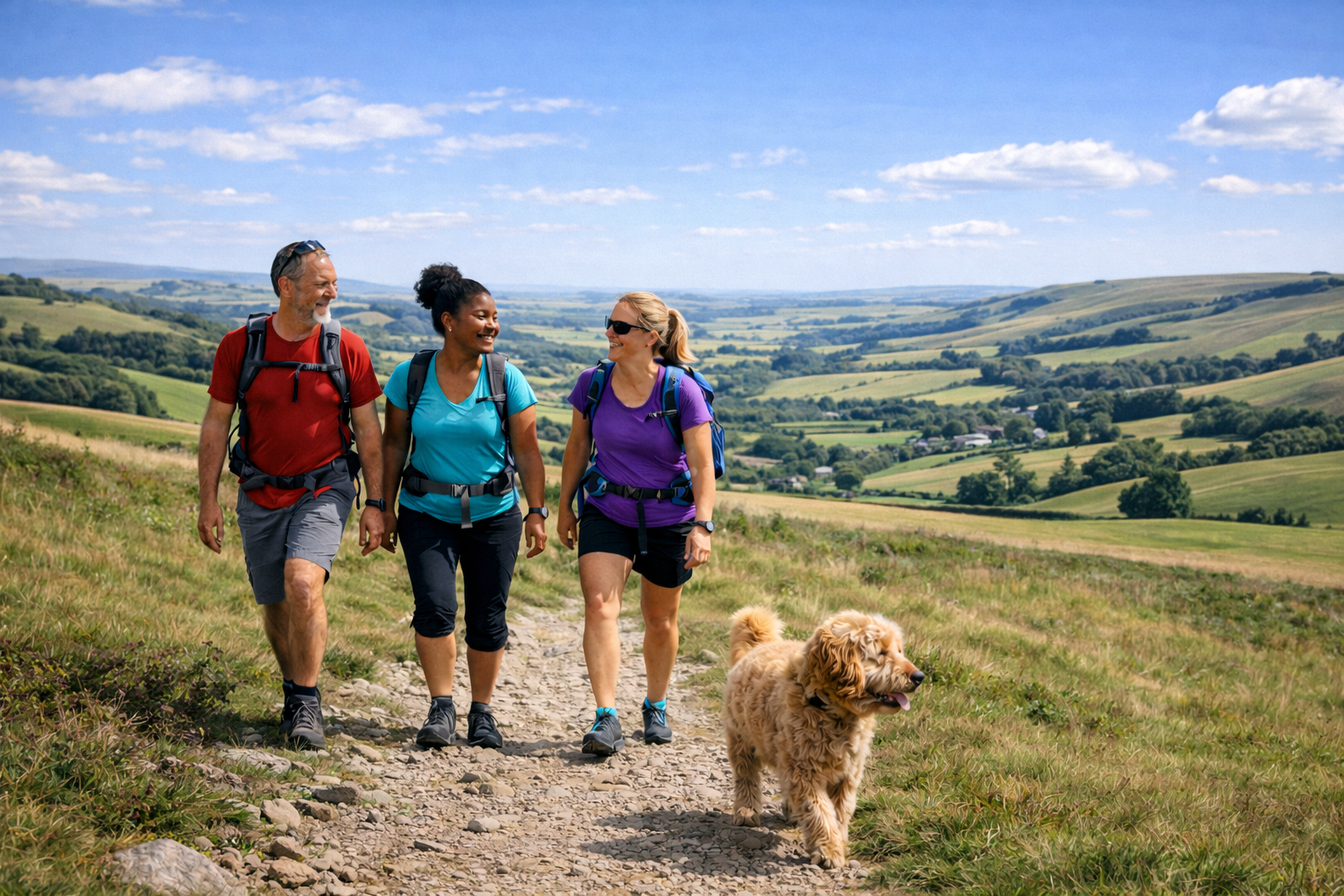
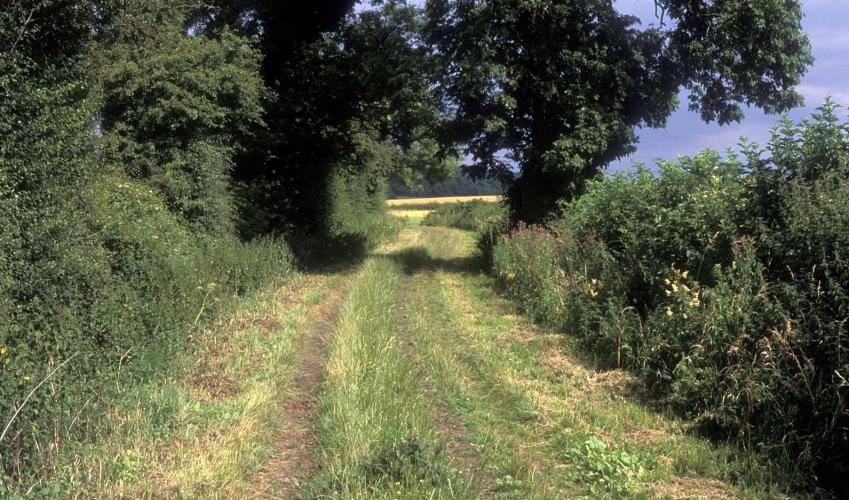
"An undemanding stroll through history in rolling, pastoral countryside to the east of Wakefield."
Walk directions
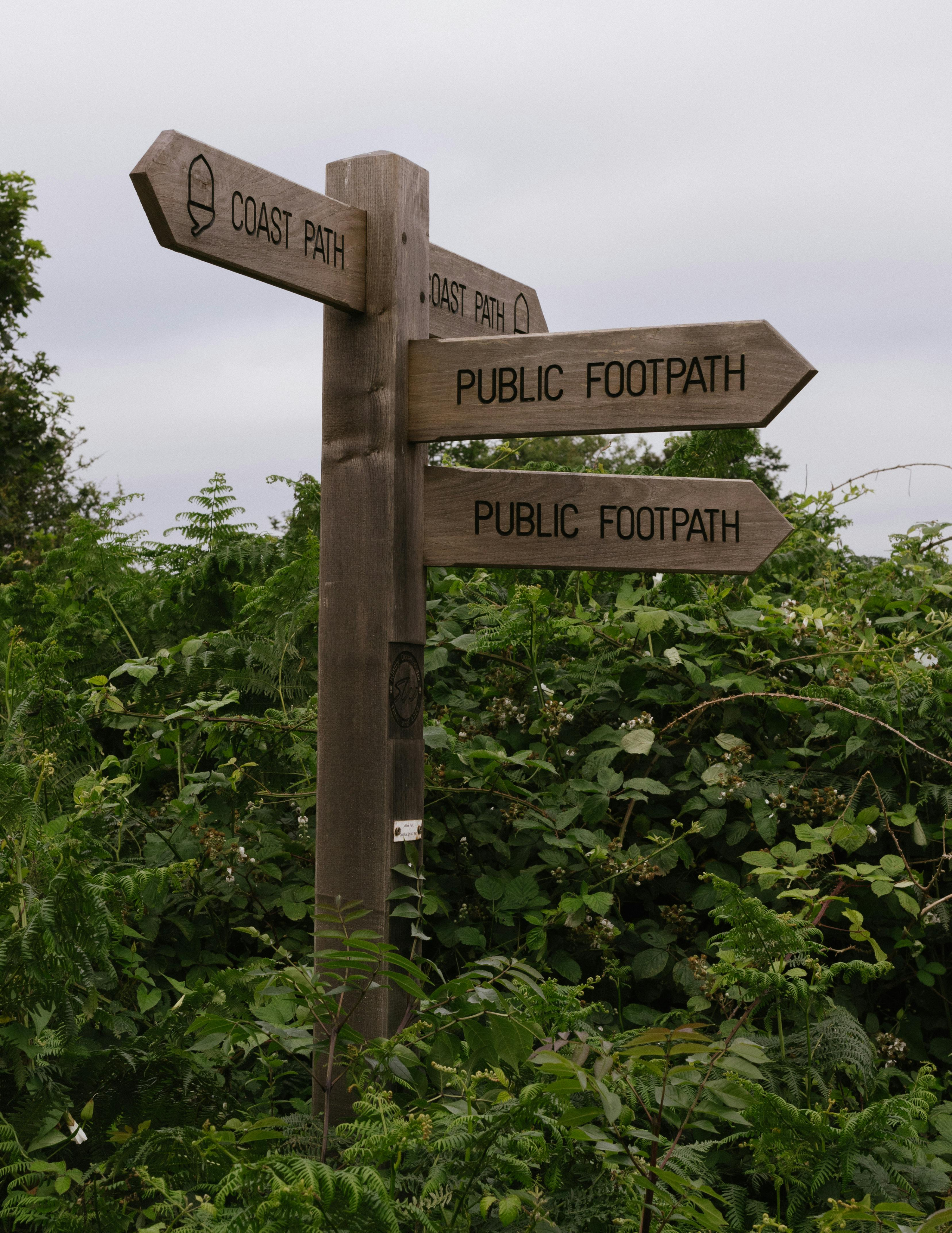
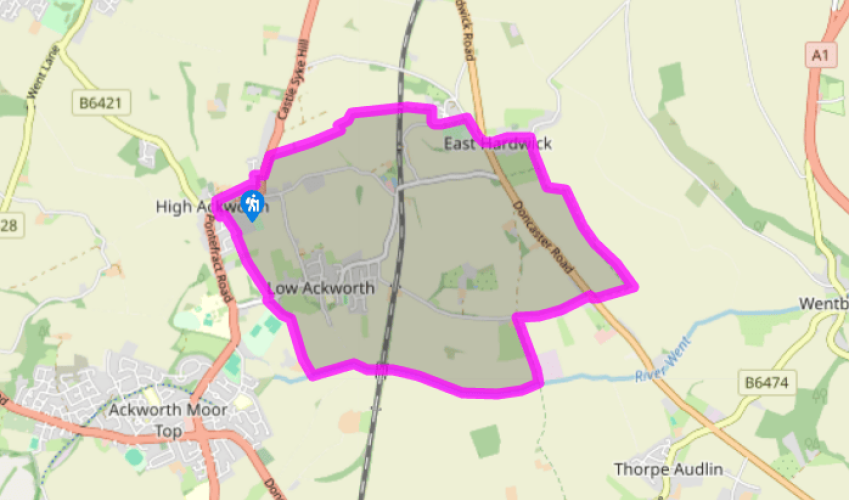
From the top of the village green, take a narrow alley immediately to the right of Manor House. Beyond a stile made of stone slabs, keep by the righthand edge of a field to another stile. Another passage leads out into Woodland Grove; walk left then first right to meet the A628, Pontefract Road. Go left for just 100yds (91m), crossing to a signed gap in the hedgerow (opposite a house called Tall Trees). Guided by the left-most finger, head across to a tiny footbridge over a beck at the far side. Continue along the right-hand edge of the next two fields. In the third, dogleg left and right to continue beside the hedge, which then curves left. After some 150yds (137m), watch for a waymarked path striking right, due east across the open field. Continue across a second field to a bridge spanning a railway.
Continue between fields towards Hundhill Farm. By the farm, turn within the field corner along its bottom edge to a stile. Emerging on to a lane, go left, walking 100yds (91m) to round a bend. Immediately after, go over a stile on the right to follow an enclosed path. Beyond the next stile, turn right along a minor road that soon meets the A639. Cross to Darrington Road opposite, and walk into the village of East Hardwick. Where the road swings left, look out for a bridleway sign on your right, just before a house fittingly called Bridleways.
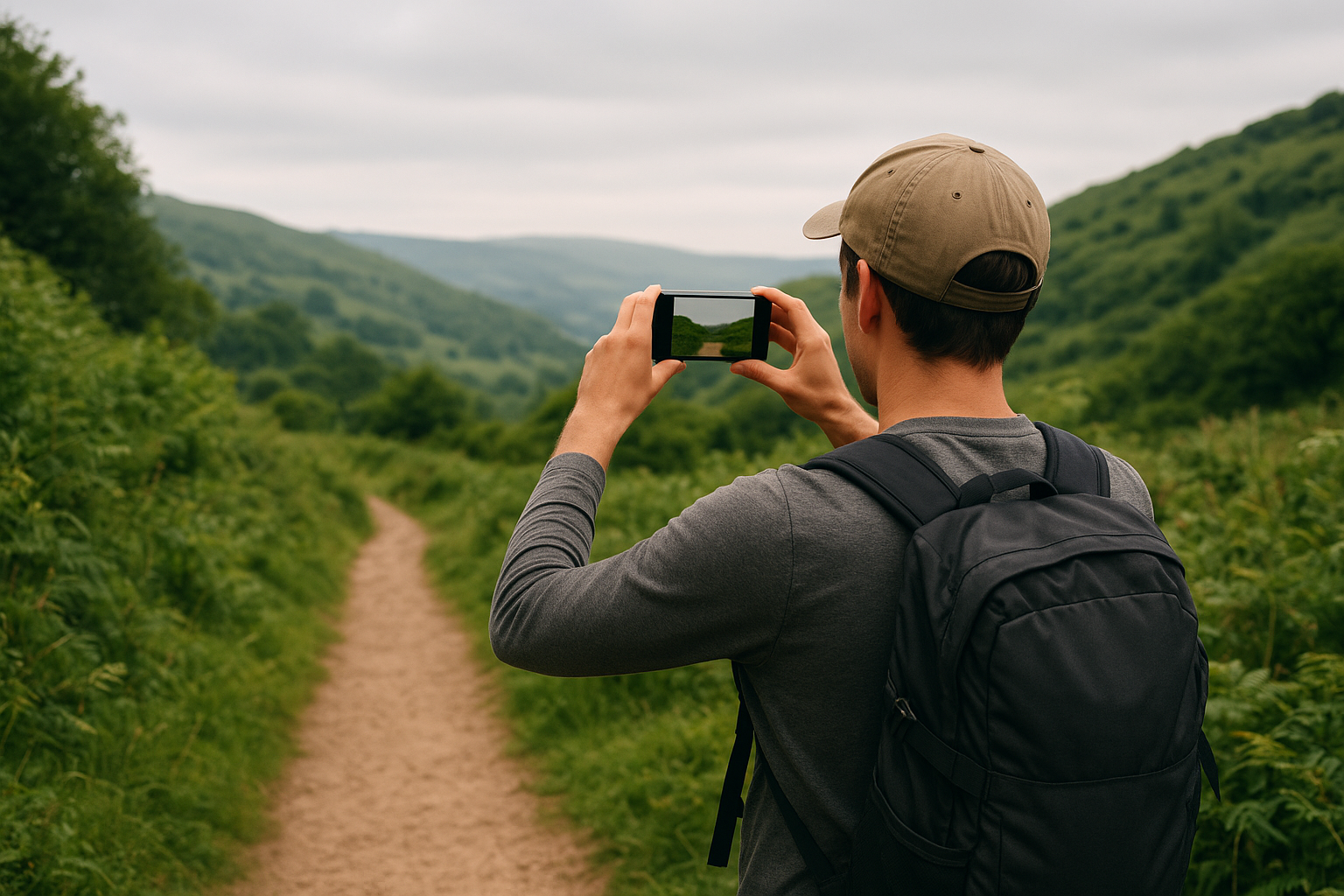
The track leads away between the fields behind, shortly bending sharply left. Carry on for a further 100yds (91m) then swing off into a narrow field on the right. Accompany the right-hand hedge to the top of the strip, there doglegging right and left to continue between open fields. Meeting a crossing track at the end, go right to come out on the main road by a junction. Cross and follow Rigg Lane opposite for some 650yds (0.6km) to Whytegates Farm, where a concrete bridle track on the left is signed to Burnhill Bridge.
Follow this track past a water treatment works to a concrete bridge over the River Went (notice the old packhorse bridge next to it). Without crossing either bridge, turn right, on a field-edge path, to accompany the river. A little plank bridge takes you across a side-beck. Now walk beneath a six-arched railway viaduct.
Ignoring a field access bridge, continue to a waymarked junction just a little beyond. Bear left through a hedge gap and over a bridged ditch to remain with the main river. Reaching a stone bridge near Low Farm, swing right to a gate beside barns. Walk on at the edge of a large crop field and then a playing field to emerge in Low Ackworth.
Diagonally cross the road to a path between houses. Beyond a stile at the far end, bear half left across a field. Keep going across another field towards more houses, emerging over a stile between them. Walk forward along Hill Drive and then turn right down a cul-de-sac. At the bottom, take another passage on the left to arrive back in High Ackworth near the village green.
With its village green acting as the centrepiece for some fine old houses, High Ackworth has a pleasantly old-fashioned air and is now designated a conservation area. Today, the village is best known for its school, founded by a prominent Quaker, John Fothergill, to teach the children of ‘Friends... not in affluence’. Ackworth Quaker School opened its doors on 18 October 1779, a day still commemorated by the pupils as Founder’s Day. Opposite the village green are almshouses, built in 1741 to house ‘a schoolmaster and six poor women’. Nearby Ackworth Old Hall, dating from the early 17th century, is supposed to be haunted by John Nevison, a notorious robber and highwayman. His most famous act of daring was in 1676 when he rode from Rochester to York in just 15 hours. The story goes that he committed a robbery and then was afraid his victim might have recognised him. Fleeing the scene, he put the 230 miles (373km) behind him in record time. On his arrival in York, Nevison was seen asking the Lord Mayor the time. After his arrest he used the Mayor as his alibi and was acquitted. No one believed the journey could be made in so short a time. This amazing feat of speed and horsemanship is often wrongly attributed to another well-known highwayman, Dick Turpin, who was not yet born. Until the Reformation, the stone plinth on the village green was topped by a cross. It was knocked off by Cromwell’s troops, whose puritanical dislike of religious ornament led them to destroy the church font too. The cross had been erected in memory of Father Thomas Balne of nearby Nostell Priory, who once preached from here. During a pilgrimage to Rome, he succumbed to the plague. When his body was being brought back to the priory, mourners insisted on opening the coffin here in High Ackworth. As a result, the plague was inflicted upon the community, with devastating results. The Plague Stone, at the junction of the A628 Pontefract Road and Sandy Gate Lane, dates from a second outbreak in 1645, killing more than 150 villagers. The hollow in the stone was filled with vinegar to disinfect coins left in payment for food brought from outside the village while it was in quarantine.
Everybody knows that Yorkshire has some special landscapes. The Dales and the Moors first spring to mind, but what about West Yorkshire? That’s Leeds and Bradford isn’t it? Back-to-back houses and blackened mills… Certainly if you had stood on any of the hills surrounding Hebden Bridge a hundred years ago, and gazed down into the valley, all you would have seen was the pall of smoke issuing from the chimneys of 33 textile mills.
"An undemanding stroll through history in rolling, pastoral countryside to the east of Wakefield."
Walk details
2hrs
Difficulty:
Easy
Gradient:
Gentle
Distance:
5.5 miles (8.8kms)
Ascent:
180ft (55m)
Walk directions
From the top of the village green, take a narrow alley immediately to the right of Manor House. Beyond a stile made of stone slabs, keep by the righthand edge of a field to another stile. Another passage leads out into Woodland Grove; walk left then first right to meet the A628, Pontefract Road. Go left for just 100yds (91m), crossing to a signed gap in the hedgerow (opposite a house called Tall Trees). Guided by the left-most finger, head across to a tiny footbridge over a beck at the far side. Continue along the right-hand edge of the next two fields. In the third, dogleg left and right to continue beside the hedge, which then curves left. After some 150yds (137m), watch for a waymarked path striking right, due east across the open field. Continue across a second field to a bridge spanning a railway.
1 of 6
Continue between fields towards Hundhill Farm. By the farm, turn within the field corner along its bottom edge to a stile. Emerging on to a lane, go left, walking 100yds (91m) to round a bend. Immediately after, go over a stile on the right to follow an enclosed path. Beyond the next stile, turn right along a minor road that soon meets the A639. Cross to Darrington Road opposite, and walk into the village of East Hardwick. Where the road swings left, look out for a bridleway sign on your right, just before a house fittingly called Bridleways.
2 of 6
The track leads away between the fields behind, shortly bending sharply left. Carry on for a further 100yds (91m) then swing off into a narrow field on the right. Accompany the right-hand hedge to the top of the strip, there doglegging right and left to continue between open fields. Meeting a crossing track at the end, go right to come out on the main road by a junction. Cross and follow Rigg Lane opposite for some 650yds (0.6km) to Whytegates Farm, where a concrete bridle track on the left is signed to Burnhill Bridge.
3 of 6
Follow this track past a water treatment works to a concrete bridge over the River Went (notice the old packhorse bridge next to it). Without crossing either bridge, turn right, on a field-edge path, to accompany the river. A little plank bridge takes you across a side-beck. Now walk beneath a six-arched railway viaduct.
4 of 6
Ignoring a field access bridge, continue to a waymarked junction just a little beyond. Bear left through a hedge gap and over a bridged ditch to remain with the main river. Reaching a stone bridge near Low Farm, swing right to a gate beside barns. Walk on at the edge of a large crop field and then a playing field to emerge in Low Ackworth.
5 of 6
Diagonally cross the road to a path between houses. Beyond a stile at the far end, bear half left across a field. Keep going across another field towards more houses, emerging over a stile between them. Walk forward along Hill Drive and then turn right down a cul-de-sac. At the bottom, take another passage on the left to arrive back in High Ackworth near the village green.
With its village green acting as the centrepiece for some fine old houses, High Ackworth has a pleasantly old-fashioned air and is now designated a conservation area. Today, the village is best known for its school, founded by a prominent Quaker, John Fothergill, to teach the children of ‘Friends... not in affluence’. Ackworth Quaker School opened its doors on 18 October 1779, a day still commemorated by the pupils as Founder’s Day. Opposite the village green are almshouses, built in 1741 to house ‘a schoolmaster and six poor women’. Nearby Ackworth Old Hall, dating from the early 17th century, is supposed to be haunted by John Nevison, a notorious robber and highwayman. His most famous act of daring was in 1676 when he rode from Rochester to York in just 15 hours. The story goes that he committed a robbery and then was afraid his victim might have recognised him. Fleeing the scene, he put the 230 miles (373km) behind him in record time. On his arrival in York, Nevison was seen asking the Lord Mayor the time. After his arrest he used the Mayor as his alibi and was acquitted. No one believed the journey could be made in so short a time. This amazing feat of speed and horsemanship is often wrongly attributed to another well-known highwayman, Dick Turpin, who was not yet born. Until the Reformation, the stone plinth on the village green was topped by a cross. It was knocked off by Cromwell’s troops, whose puritanical dislike of religious ornament led them to destroy the church font too. The cross had been erected in memory of Father Thomas Balne of nearby Nostell Priory, who once preached from here. During a pilgrimage to Rome, he succumbed to the plague. When his body was being brought back to the priory, mourners insisted on opening the coffin here in High Ackworth. As a result, the plague was inflicted upon the community, with devastating results. The Plague Stone, at the junction of the A628 Pontefract Road and Sandy Gate Lane, dates from a second outbreak in 1645, killing more than 150 villagers. The hollow in the stone was filled with vinegar to disinfect coins left in payment for food brought from outside the village while it was in quarantine.
Everybody knows that Yorkshire has some special landscapes. The Dales and the Moors first spring to mind, but what about West Yorkshire? That’s Leeds and Bradford isn’t it? Back-to-back houses and blackened mills… Certainly if you had stood on any of the hills surrounding Hebden Bridge a hundred years ago, and gazed down into the valley, all you would have seen was the pall of smoke issuing from the chimneys of 33 textile mills.