Exploring the Ampneys
Recommended by

Our view
"A route based on the birthplace of one of Britain's best-known composers."
Walk directions
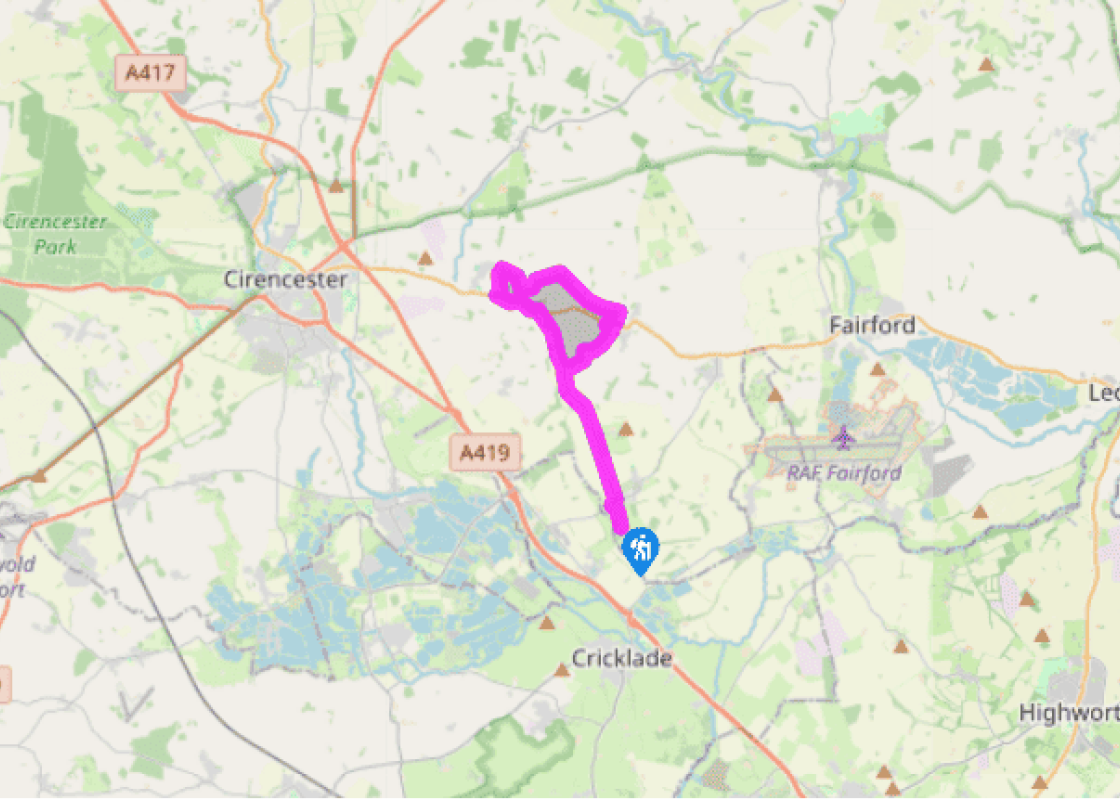
From the church, walk to the centre of the village. At the main road turn right and, after 130yds (119m), turn left along Charlham Lane. Pass through a gate onto a public bridleway and continue along the edge of three fields and across a fourth.
Join a grassy track to Charlham Farm House, passing outbuildings and barns on your left and going through a gate to a wooded area ahead. When you eventually arrive at Charlham Farm House, turn right into a field, and on the far side cross a ditch on the left into another field. Cross diagonally left to a gap and turn left onto a track. At a corner, turn right to join a bridleway. Go past houses to a road.
View all directions
Additional information
Terrain
- Fields, lanes, tracks; plenty of stiles
Landscape
- Generally level fields and villages in all directions
Dog friendliness
- Lead required near livestock, but plenty of stretches without, be careful on roads
Parking
- Down Ampney village
Toilets en route
- None on route
About the walk
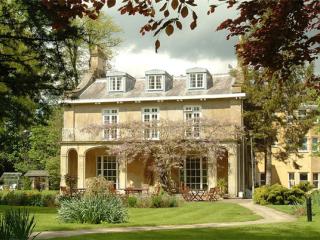
Ralph Vaughan Williams is considered by many to be England’s greatest composer. He was born in 1872 in Down Ampney, where his father was vicar, spending the first three years of his life in the Old Vicarage. He studied music in London at the Royal College of Music with Parry, Stanford and Wood –...
Read more

Been on this walk?
Send us photos or a comment about this route. Or recommend a route of your own.

Walking in Safety
Read our tips to look after yourself and the environment when following this walk.
Get an AA guide
Explore our range of ‘50 Walks in’ guides - they’re the ideal companion for a ramble.
Been on this walk?
Send us photos or a comment about this route. Or recommend a route of your own.
Walking in Safety
Read our tips to look after yourself and the environment when following this walk.
Get an AA guide
Explore our range of ‘50 Walks in’ guides - they’re the ideal companion for a ramble.
About the area
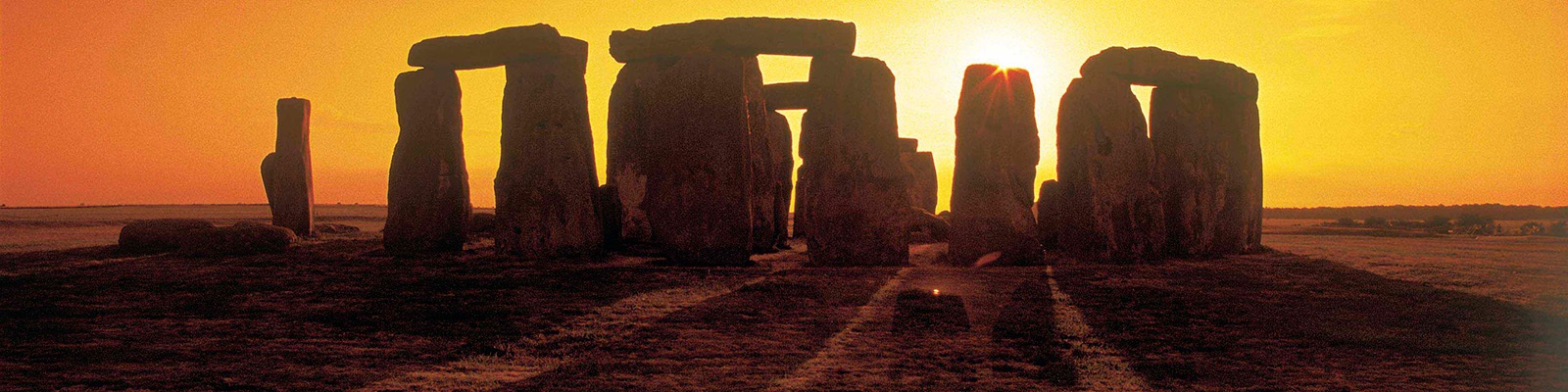
Wiltshire’s charm lies in the beauty of its countryside, with expansive chalk landscapes of the Marlborough and Pewsey downs and miles of uninterrupted views deep into Dorset, Somerset and the Cotswolds. Stroll through quaint timbered and thatched villages in the southern Woodford and Avon valleys and explore the historic streets of the stone villages of Lacock, Castle Combe and Sherston.
Nearby places to stay
View all (8)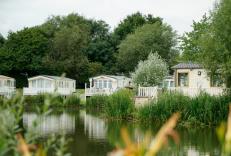





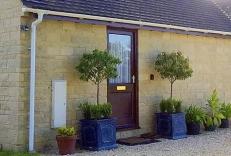
Nearby places to stay
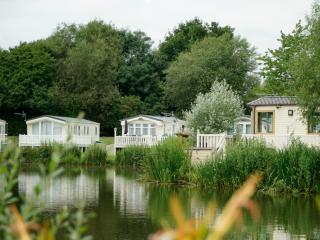
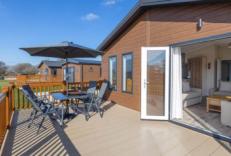
Hoburne Cotswold
Surrounded by pretty, stone-built villages, Hoburne Cotswold lies alongside one of the UK’s biggest water parks, with water sports, nature trails and wildlife. Four lakes belong to Hobu...
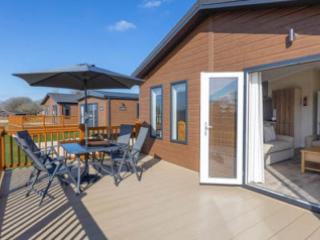
Hoburne Cotswold Reach
Awaiting description....
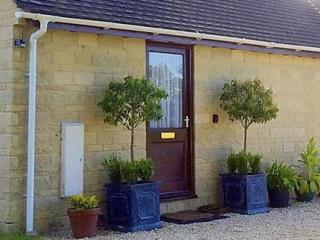
Field Farm Cottage
Field Farm Cottage is set on a working farm near a small Cotswold village, and enjoys pretty views over the countryside. The cottage sleeps two so would be great for a couple or even an...
Field Farm Cottage
Field Farm Cottage is set on a working farm near a small Cotswold village, and enjoys pretty views over the countryside. The cottage sleeps two so would be great for a couple or even an...
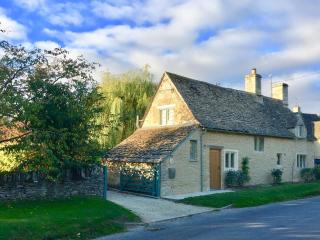
Culls Cottage
Culls Cottage has everything you need for a perfect holiday. Dating back to 1670 the cottage sits in the Cotswold village of Southrop, close to historic Burford and Lechlade on Thames a...
Culls Cottage – Eco Chic Cottages
Culls Cottage has everything you need for a perfect holiday. Dating back to 1670 the cottage sits in the Cotswold village of Southrop, close to historic Burford and Lechlade on Thames a...
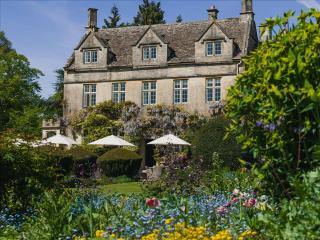
THE PIG-in the Cotswolds
The latest addition to the popular Pig Group is now this charming Country House deep in the Cotswolds. The signature contemporary styling is obvious throughout coupled with a relaxed an...
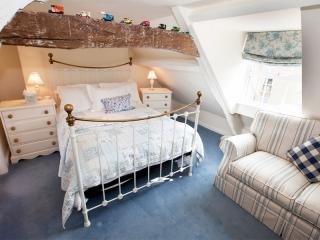
The Old Brewhouse
The Old Brewhouse, a delightful 17th-century town house, is within easy reach of the centre of Cirencester, the Roman Corinium. Holder of a Breakfast Award, the four guest rooms are bui...
Places to eat nearby View all