Around Martley

Recommended by
Walk directions

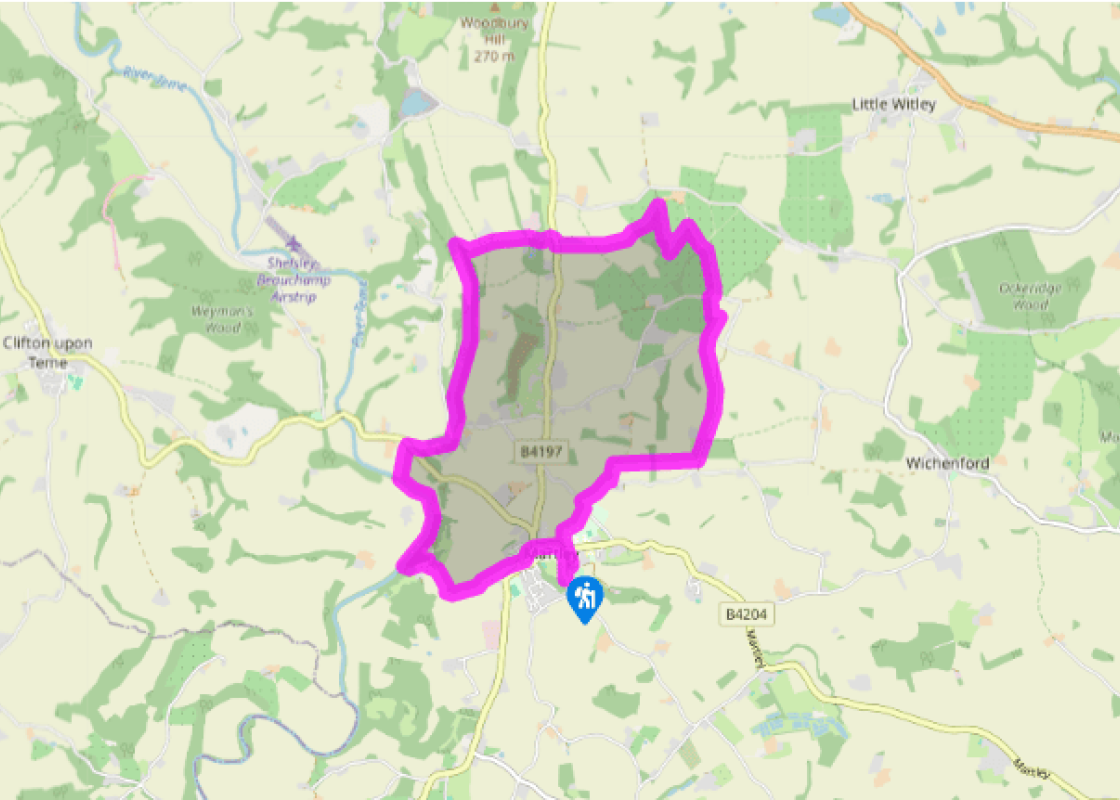
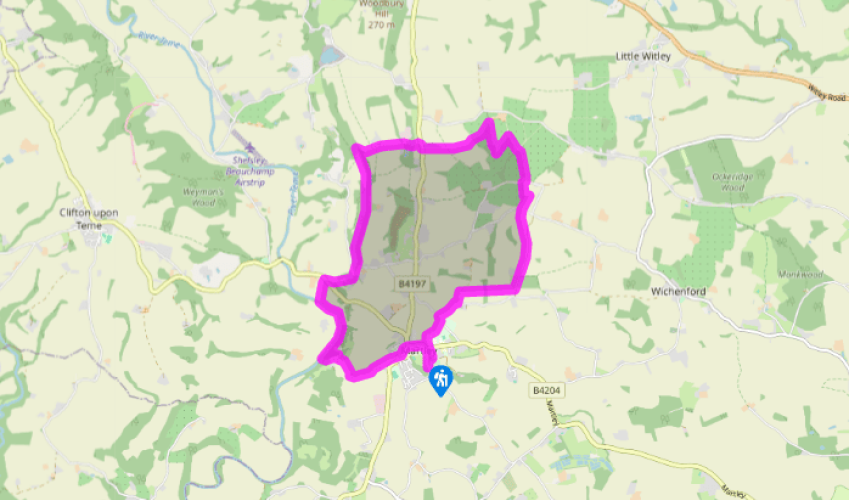
Go up through the churchyard to the B4204. Cross to a rough track. In 100yds (91m) walk in trees, parallel to the school. Turn right into a field, then re-enter the grounds. Briefly follow the left edge of the playing fields, then a gate gives on to a field. At the road, turn left. Turn right, signposted ‘Highfields’. Beside Lingen Farm go down a track. At the bend take a stile to right, straight across the field. Cross a stream, then ascend, taking the right-hand gates. You will then reach a minor road.

Turn left. At Larkins go ahead, taking two stiles and a gate, then a field path, not the inviting parallel gravel track. Go ahead for two fields crossing two stiles and keeping straight ahead. Don’t move right, but pass close alongside a breeze-block barn and the driveway of a white bungalow, to walk behind Ross Green’s gardens, ignoring the obvious kissing gate to the left. Keep to left of fields to reach another road. Go straight over, to a partially broken, concealed stile, not diagonally to a prominent fingerpost. Walk beside a barn, then in the next field skirt left to another lane. Turn right for a few paces to a finger-post pointing into the apple orchard before the defiantly named Peartree Cottage.

View all directions
Location
Additional information
  Terrain  - Field paths, lanes, orchard paths, tracks, river meadows, minor roads, several stiles
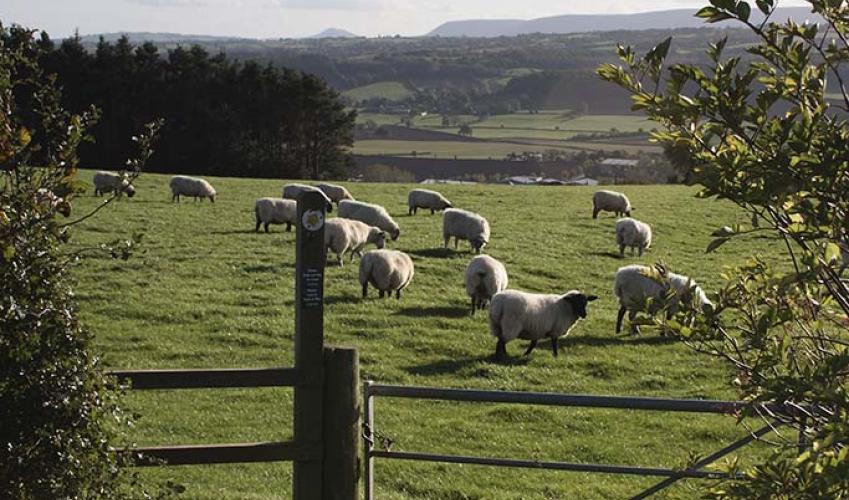
  Landscape  - Arable, orchards, wooded ridges and Teme Valley
  Dog friendliness  - Off-lead opportunities if under control
  Parking  - Just south of St Peter’s Church, Martley
  Toilets en route  - None on route
About the walk
Don’t believe everything you read in your dictionary. The entry for ‘cyder’ could read ‘Same as cider’. The entry for ‘wine’ is scarcely less controversial: ‘The fermented juice of grapes; a liquor made from other fruits.’ If you can accept that grapes are not an essential ingredient of wine, then...
Read more
Been on this walk placeholder

Been on this walk?

Send us photos or a comment about this route. Or recommend a route of your own.

Walking in Safety placeholder

Walking in Safety

Read our tips to look after yourself and the environment when following this walk.
Get an AA guide placeholder

Get an AA guide

Explore our range of ‘50 Walks in’ guides - they’re the ideal companion for a ramble.
About the area
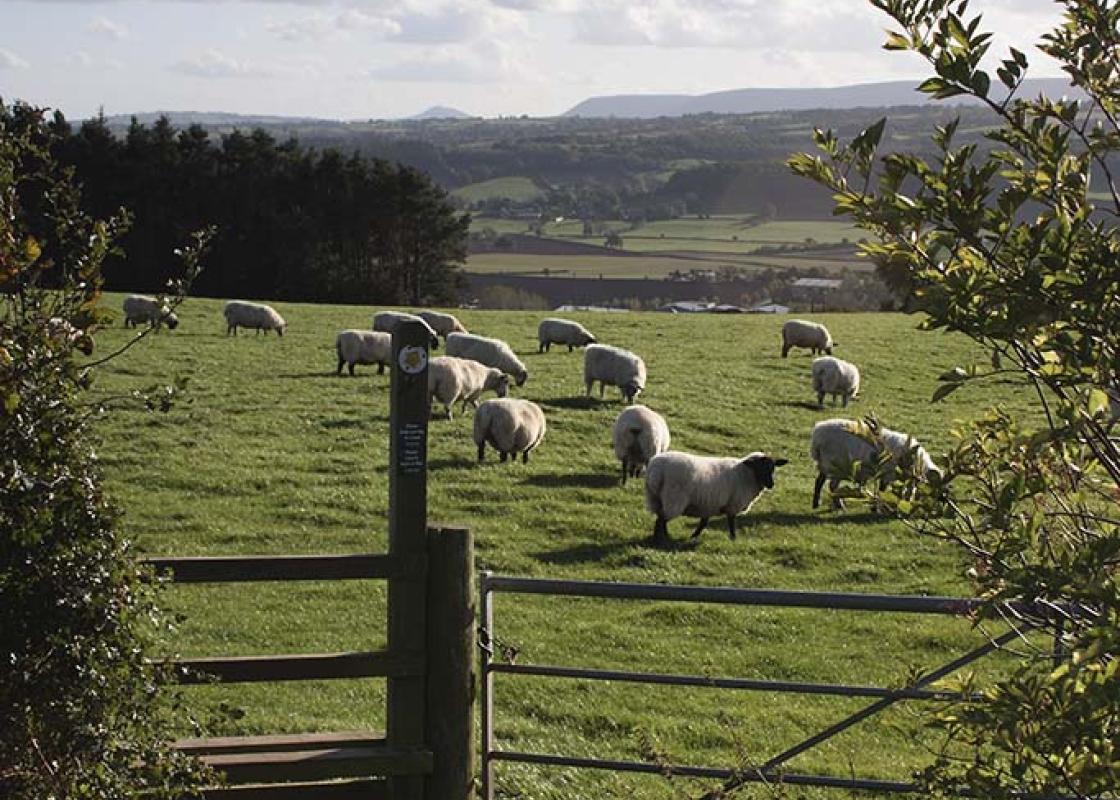
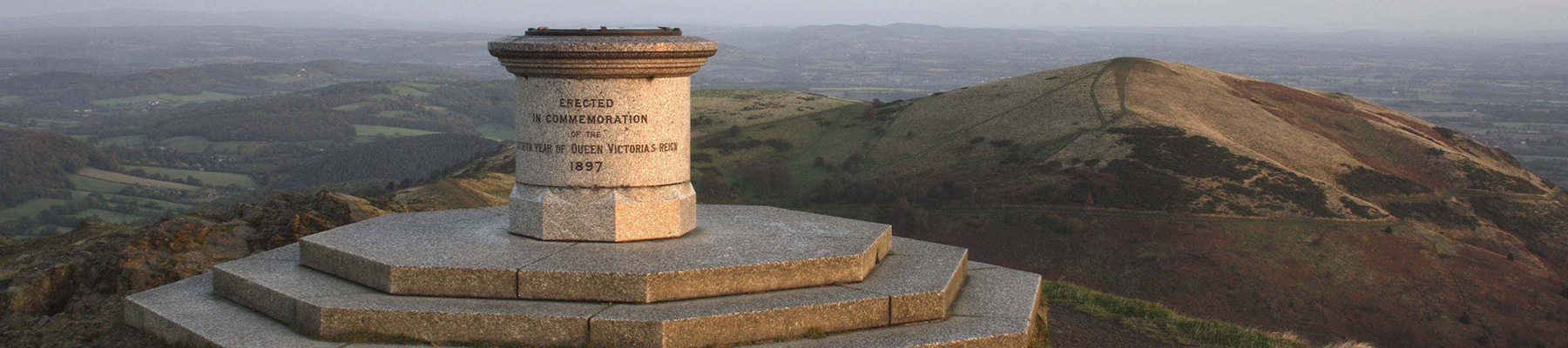
Worcestershire is a county of rolling hills, save for the flat Vale of Evesham in the east and the prominent spine of the Malverns in the west. Nearly all of the land is worked in some way; arable farming predominates – oilseed rape, cereals and potatoes – but there are concentrated areas of specific land uses, such as market gardening and plum growing.
Area image

Around Martley

Recommended by
Dog friendly
Location
Nearest postcode:
Additional information
  Terrain - Field paths, lanes, orchard paths, tracks, river meadows, minor roads, several stiles
  Landscape - Arable, orchards, wooded ridges and Teme Valley
  Dog friendliness - Off-lead opportunities if under control
  Parking - Just south of St Peter’s Church, Martley
  Toilets en route - None on route
About the walk
Don’t believe everything you read in your dictionary. The entry for ‘cyder’ could read ‘Same as cider’. The entry for ‘wine’ is scarcely less controversial: ‘The fermented juice of grapes; a liquor made from other fruits.’ If you can accept that grapes are not an essential ingredient of wine, then...
Read more
Been on this walk placeholder

Been on this walk?

Send us photos or a comment about this route. Or recommend a route of your own.

Walking in Safety placeholder

Walking in Safety

Read our tips to look after yourself and the environment when following this walk.

Get an AA guide placeholder

Get an AA guide

Explore our range of ‘50 Walks in’ guides - they’re the ideal companion for a ramble.

About the area
Area image
Worcestershire
Worcestershire is a county of rolling hills, save for the flat Vale of Evesham in the east and the prominent spine of the Malverns in the west. Nearly all of the land is worked in some way; arable farming predominates – oilseed rape, cereals and potatoes – but there are concentrated areas of specific land uses, such as market gardening and plum growing.