Nunnington Hall
Recommended by


Overview
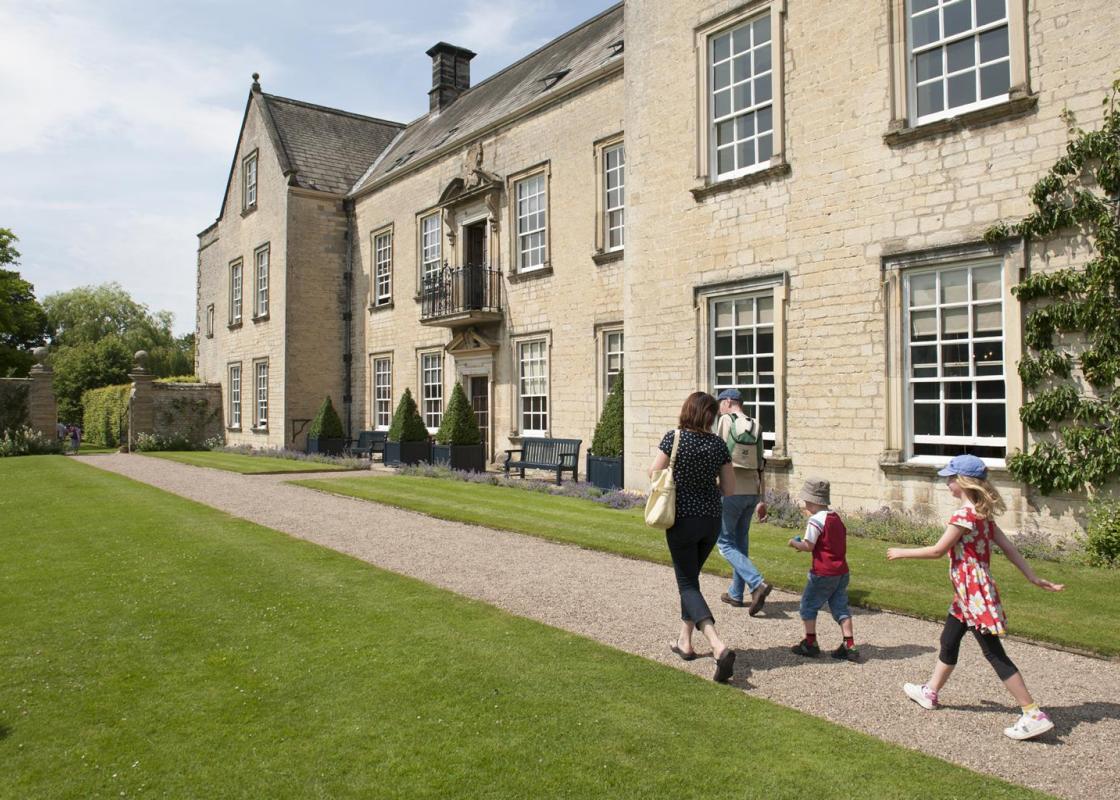
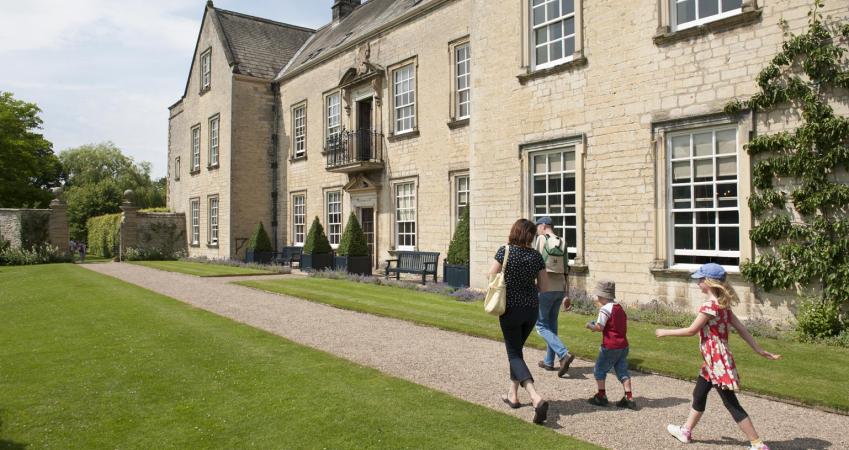
Set in beautiful gardens across the River Rye from tiny Nunnington village is honey-coloured Nunnington Hall. It’s a tranquil setting that offers no clue to the house’s turbulent past – this isn’t one of those stately homes that cruised serenely through the centuries, while leaving barely a ripple. Nunnington Hall’s early history is sketchy; it is thought to have been built on the site of a nunnery – hence its name. It was started by William Parr, brother of Henry VIII’s sixth wife Catherine – he lost the estate after the scandal of trying to set Lady Jane Grey on the throne. It passed through many hands, including the Abbot of St Mary’s at York. Most of the building – a concoction of Tudor and Stuart styles – dates from the 17th century. Among other attractions you can see the extraordinary hunting trophies in the entrance hall, the entrancing Carlisle collection of miniature rooms displayed in the attics, and regular art and photography exhibitions. The house belongs to the National Trust, so there’s an excellent tea room. It’s worth crossing the three-arched bridge and exploring the village on foot – Nunnington’s handsome grey stone houses are hidden from sight to those who drive straight through. The church dates largely from the 13th century. Here, in an alcove, you’ll find the effigy of a knight in chain mail. This recumbent figure commemorates Sir Walter de Teyes, Lord of the Manor of Nunnington and Stonegrave until his death in 1325.
Features
- Opening Times
- Opening Times: Open 13 Feb-30 Oct, Tue-Sun 11-5 (last entry 4.30) Also open BH's & Mon during school hols; 5 Nov-11 Dec, Sat & Sun 11-4 (last entry 3.30)
- Facilities
- Parking onsite
- Cafe
- Children
About the area
North Yorkshire, with its two National Parks and two designated Areas of Outstanding Natural Beauty, is England’s largest county and one of the most rural. This is prime walking country, from the heather-clad heights of the North York Moors to the limestone country that is so typical of the Yorkshire Dales – a place of contrasts and discoveries, of history and legend.

Places to eat nearby View all
Nearby places to stay
View all (8)

Nearby places to stay
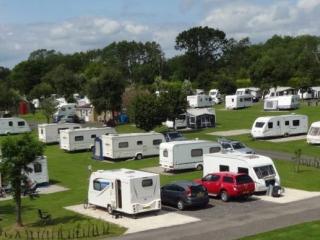
Wombleton Caravan Park
Wombleton Caravan Park lies in Ryedale, between the North Yorks Moors and the East Coast seaside resorts. A quiet, five-star park, there’s no designated play area for children, but the ...
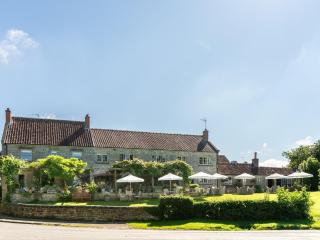
The Pheasant Hotel
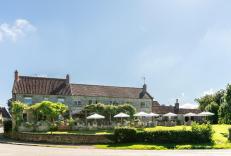
The Pheasant Hotel overlooks the village pond in a delightful small North Yorkshire hamlet. Public areas are delightful in a very country-house style, with a cosy bar, log burning stove...
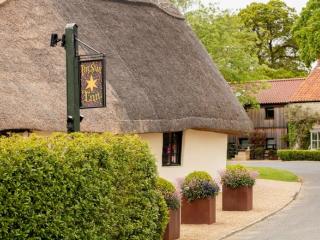
The Star Inn at Harome
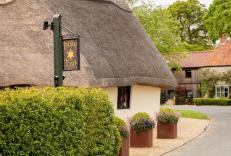
The Star Inn at Harome is a well-established restaurant with rooms in the heart of North Yorkshire. Its thirteen individually styled bedrooms are located in Cross House Lodge, just acro...
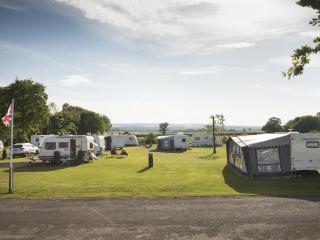
Foxholme Springs Touring Park
Foxholme Springs Touring Park is a quiet adults-only park set in beautiful northern Ryedale countryside, with a pleasant open aspect to all pitches and views towards both the Yorkshire ...
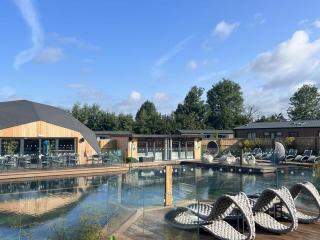
Yorkshire Spa Retreat
Yorkshire Spa Retreat is the perfect getaway to stay, dine and spa. Located in the sleepy village of Nawton, and just a stone’s throw from the market town of Helmsley, guests can enjoy ...
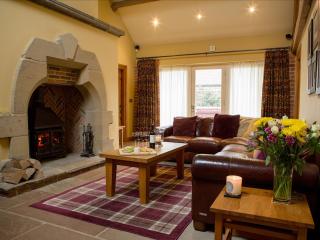
Cherry Garth Cottages
Cherry Garth Cottages are tucked away in the pretty Howardian Hills of North Yorkshire. Comprising two barn conversions with flagstone floors, beams and woodburners, the spacious Hay Ba...
The Hay Barn
Awaiting description...
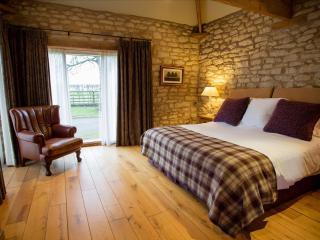
The Stables
Awaiting description...