Sherwood Forest Country Park & Visitor Centre
Recommended by


Overview
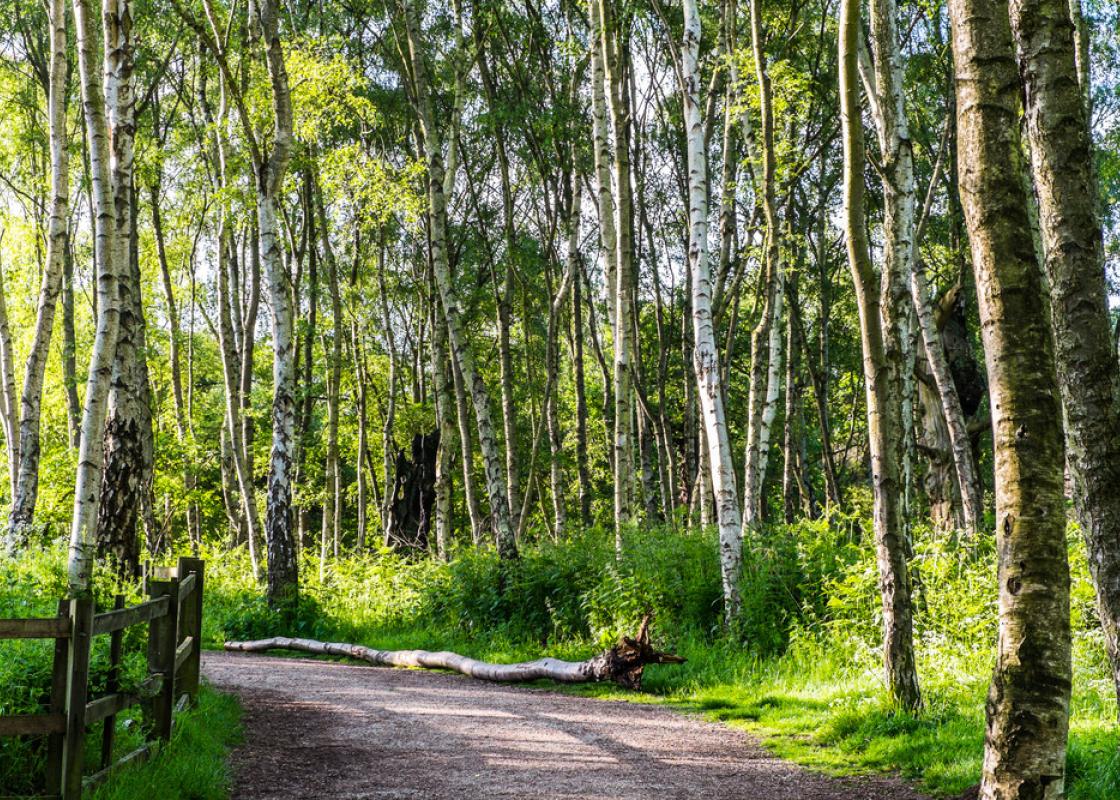
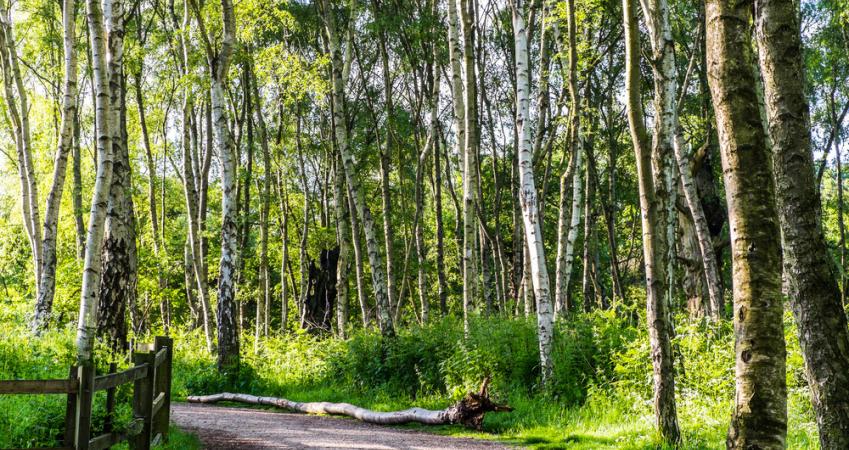
At the heart of the Robin Hood legend is Sherwood Forest. Today it is a country park and visitor centre with 450 acres of ancient oaks and shimmering silver birches. Waymarked pathways guide you through the forest. A year-round programme of events includes the spectacular annual Robin Hood Festival. Once part of the medieval Royal Forest of Sherwood and legendary home of the outlaw Robin Hood, the ancient woodland and heathland of the Sherwood Forest NNR is believed to be at least 1,000 years old. The trees are mainly oak along with others such as birch, rowan, holly and hawthorn. There are over 1,000 veteran oak trees over 500 years old in the forest and the most famous, the Major Oak, may be twice that age. The woodland is home to a rich mix of plants and animals including birds, bats, beetles, spiders and 200 species of fungi. Sherwood is also home to a variety of birds including nightjar, woodlark, hawfinch and marsh and willow tit. Sadly the woodlands have shrunk in modern times, and many have become separated, while the heathland has decreased by 95 per cent in the last 150 years. Budby South Forest is open heathland, a habitat which was formerly much more extensive across Sherwood. Nightjars and green woodpeckers can be seen on the reserve's heathlands.
Features
- Opening Times
- Open all year
- Opening Times: Open all year. Country Park: daily dawn to dusk. Visitor Centre: daily 10-5 (4.30 Nov-Mar). Closed 25 Dec
- Facilities
- Parking onsite
- Parking nearby
About the area
Most people associate Nottinghamshire in the East Midlands with the legend of Robin Hood, though the former royal hunting ground of Sherwood Forest has been somewhat tamed since Robin’s outlaw days. Traditionally, the county’s primary industry, alongside agriculture, was coal mining but it is also an oil producing area, and during World War II produced the only oil out of reach of the German U-Boats.
Places to eat nearby View all





Nearby places to stay
View all (8)Hotel
The Dukeries Lodge
- En-suite rooms:
- Family rooms:

Nearby places to stay
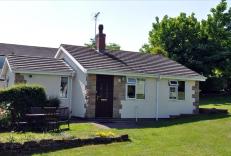
The Dukeries Lodge
Awaiting description....
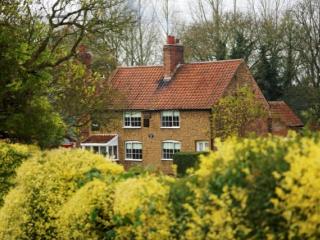
White Horse Cottage & Bluebell Cottage
A delightful and charming three bedroom detached period property set amid the historic Sherwood Forest. Formerly an inn many years ago, the cottage has a wealth of character with beamed...
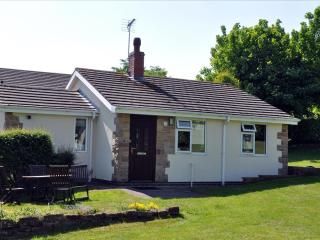
Ploughman's Cottage
Ploughman's Cottage is five minutes drive from the centre of Mansfield and close to Sherwood Forest. There is direct access on foot along the bridlepath to Vicar Water Country Park and ...
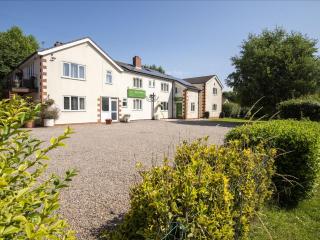
Bridleways Guest House & Holiday Homes
Beside a quiet bridleway that leads to Vicar Water Country Park and Sherwood Pines Forest Park, Bridleways Guest House is a good touring base for walking, cycling or sightseeing. The do...
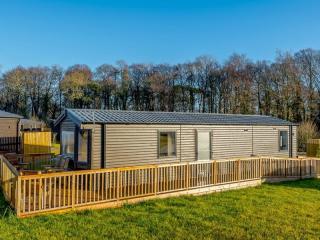
Clumber Park Lodges
Nestled in rolling countryside and scenic woodland in the heart of Nottinghamshire, Clumber Park Lodges is in a magical setting. Situated alongside the 3,800-acre Clumber Park National ...
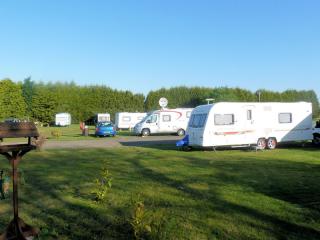
Tall Trees Touring Park
A pleasant park situated just on the outskirts of Mansfield and within easy walking distance of shops and restaurants. It is surrounded on three sides by trees and shrubs, and securely ...
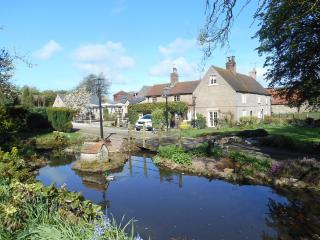
Browns
The Old Orchard Cottage was built in 1730, and Browns welcomes you to an adults-only private, tranquil retreat, with three en suite four-poster bed Garden Rooms adjacent to the cottage....
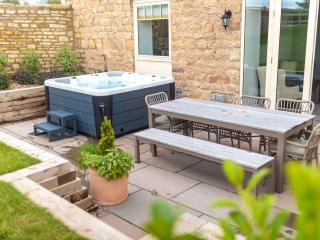
Holbeck Farm Barns, Welbeck Estate
Holbeck Farm Barns are six beautifully converted barns set in the historic Welbeck Estate, each thoughtfully designed to welcome groups of four to eight guests. Every barn has its own p...