Oxwich National Nature Reserve
Recommended by


Overview
Oxwich NNR on the Gower Peninsula is a windswept area of dunes, saltwater marshes and freshwater pools. It is an important habitat for many species of flora and fauna, and is a great place to see wild orchids, including the bee, common twayblade, early and southern marsh orchids and pyramidal, in late May and June. Between the nature reserve and the surrounding limestone woodlands – mainly of ash, sycamore, pedunculate oak, small-leaved lime and spindle – more than 600 species of plants have been recorded. The birdlife at Oxwich is impressive and rare visitors include Cetti’s and sedge warblers. The freshwater lakes provide overwintering habitat for wildfowl including teal and gadwall. The reserve is also an important breeding ground for butterflies, including the small blue, brown argus and marbled white. Rare insects include Cepero’s groundhopper and the strandline beetle – also known as the beachcomber beetle – which feeds on moss, lichen and algae.
About the area
There’s no getting away from it – when it comes to image, Swansea is a bit of a mixed bag. During its heyday in the 19th century, as king of the copper industry, it was known as ‘Copperopolis’.
Places to eat nearby View all
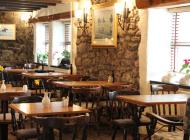
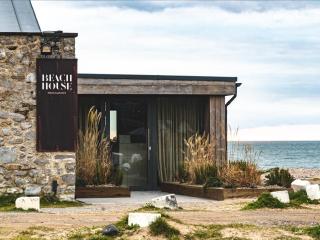
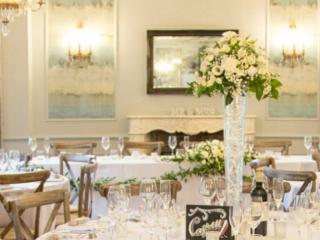
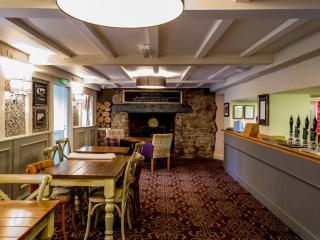

Nearby places to stay
View all (8)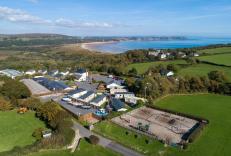




Nearby places to stay
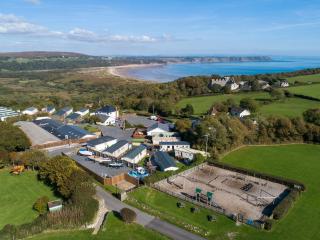
Greenways of Gower Premier Leisure Park
Set in a superb location overlooking Oxwich Bay on the Gower Peninsula, this popular park offers 160 well drained grass pitches and caters for tents and small camper vans. The central t...
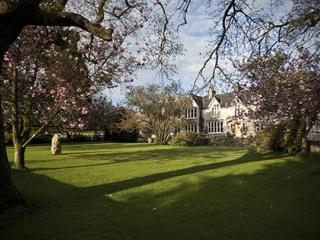
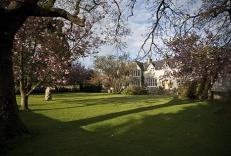
Parc-le-Breos House
Parc-le-Breos is a beautifully appointed Victorian hunting lodge with extensive gardens, which is located only 20 minutes' walk from Three Cliffs Bay. It is beautifully furnished – you ...
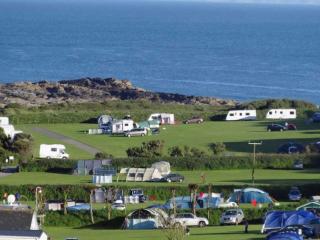
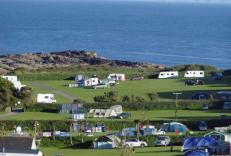
Skysea Camping & Caravan Park
Set in an unrivalled location alongside the safe sandy beach of Port Eynon on the Gower Peninsula, this popular park is an ideal family holiday spot; it is also close to an attractive v...
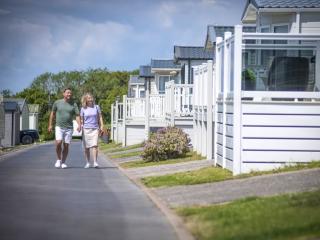
Llanrhidian Holiday Park
Set in an area of Outstanding Natural Beauty, Llanrhidian Holiday Park offers a wonderful base from which you can explore the stunning Welsh countryside. A well equipped site with outdo...
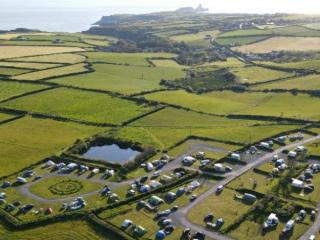
Pitton Cross Caravan & Camping Park
Surrounded by farmland close to Rhossili Bay, Pitton Cross is divided by hedging into paddocks, with hardstandings for motorhomes available. Some areas are deliberately left uncultivate...
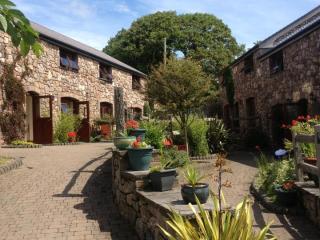
Kings Head
The Kings Head is made up of three 17th-century buildings set behind a splendid rough stone wall, standing opposite the church in this coastal village. The well-equipped bedrooms, inclu...
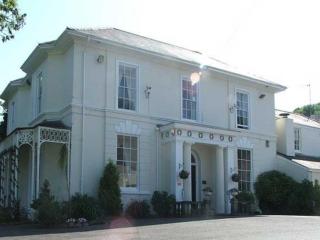
Norton House Hotel
Norton House Hotel is a quaint Georgian mansion house set in a central location of the Mumbles. As well as period charm, all the modern conveniences are on offer. Resident's bar a highl...
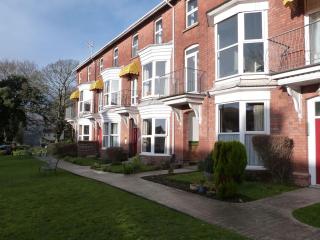
Hurst Dene Guest House
Hurst Dene Guest House has a private car park and provides 10 soundly maintained bedrooms, along with some self catering apartments. Just 10 minutes from the seafront and and ideal loca...