Woolbeding Countryside (NT)
Recommended by


Overview
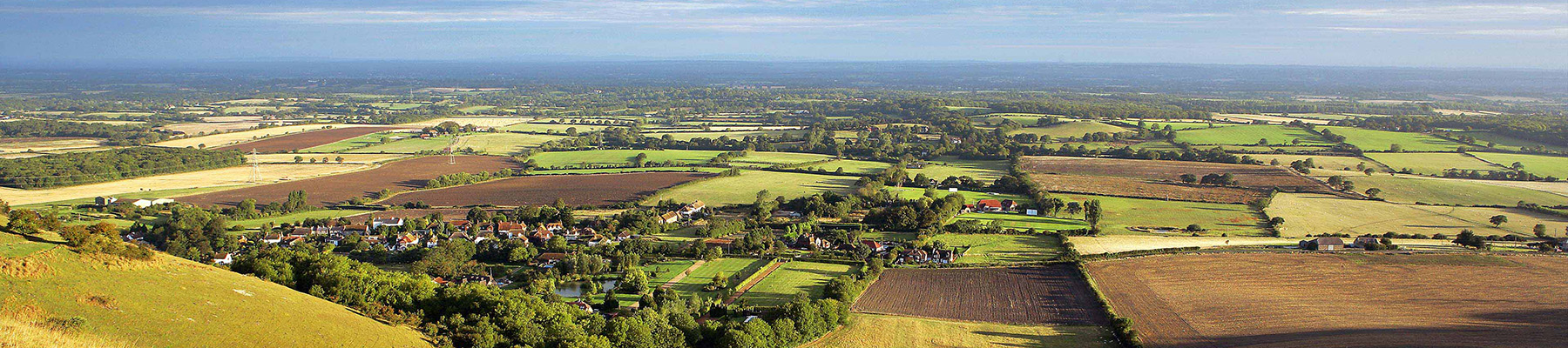
Woolbeding Estate is quietly tucked away in the tranquil Rother Valley. With its wide horizons and intimate secluded places, this huge estate has an extraordinary blend of habitats. To the north are the wild and open greensand hills and commons. To the south take in glorious views from the parkland and wander along the River Rother with its steep-sided woods and pasture. It is an example of a mediaeval strip parish, divided by earth banks secured with stone-faced walls, marking boundaries between common and agricultural land. Woolbeding Common is a lowland heath, supporting rare birds such as woodlark and nightjar. Reptiles thrive here among heather and gorse, together with insects such as long-horned beetles. Grazing by traditional hardy breeds maintains diverse, high-quality habitats. Old Spot and Saddleback pigs root down and break up the bracken rootstocks. Belted Galloway cows target graze the heath, and in the parkland browse alongside Sussex cows and Herdwick sheep. Their pasture lies beside the snaking loops of the River Rother, shaded by magnificent oaks.
About the area
Divided from East Sussex back in 1888, West Sussex has a variety of landscapes and coastal scenery, but it is the spacious and open South Downs with which the county is most closely associated. There are plenty of walking routes in the South Downs National Park, cycling routes by the sea or visitors can explore the pretty town of Arundel with its historic castle and buildings.
Places to eat nearby View all






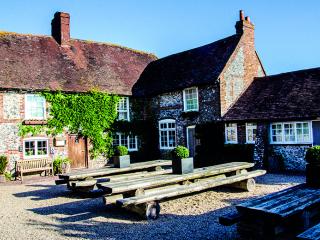
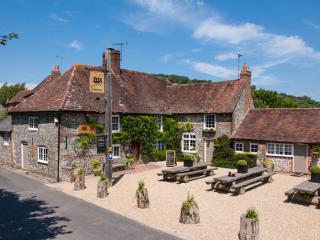
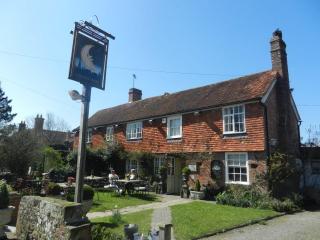
Nearby places to stay
View all (8)

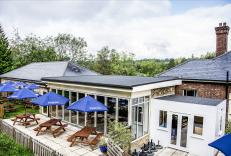




Nearby places to stay
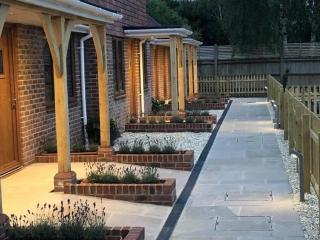
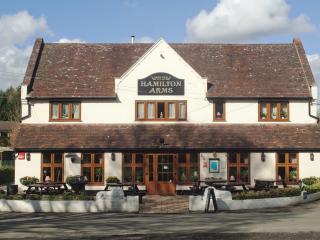
Hamilton Arms
The Hamilton Arms Suites is a large characterful country pub, with Niva Thai, a popular Thai restaurant, and modern spacious rooms, in the picturesque village of Stedham. The bedrooms a...
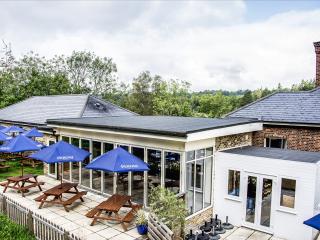
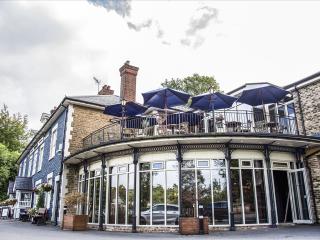
Harper's Haslemere
Harper's Haslemere is part of a small family of laid-back steak houses, fired up by the big, juicy stateside flavours from the best of east to west coast dining; from comforting to mind...
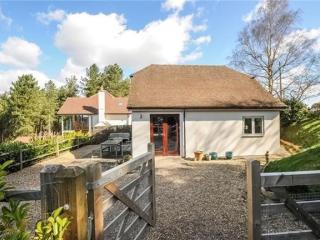
Long Meadow Cottage
The light and airy interior at Long Meadow perfectly complements the wide views over the Sussex countryside. There’s a sunny terrace and outside seating to make the most of these views ...
Long Meadow
The light and airy interior at Long Meadow perfectly complement the wide views over the Sussex countryside. There’s a sunny terrace and outside seating to make the most of these views o...
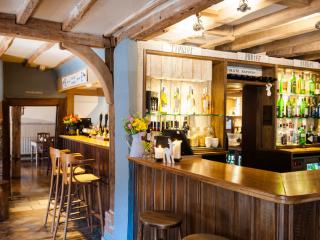
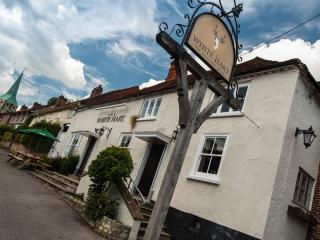
The White Hart, South Harting
The White Hart in South Harting is a 16th-century inn with an abundance of character. Within the South Downs National Park & well located for anyone walking the South Downs Way. Located...
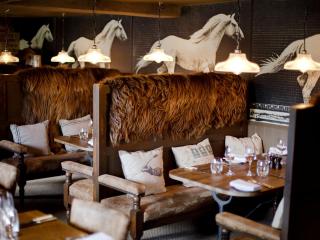
White Horse
The White Horse Inn is an 18th-century coaching inn, located on the edge of the South Downs. The timber-clad accommodation is tucked away to the side of the old inn, and takes full adva...
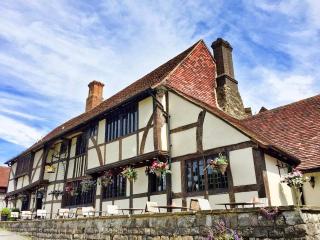
The Crown Inn Chiddingfold
Set in a tranquil location in a picturesque village, The Crown Inn Chiddingfold dates back to the early 13th century. This charming property offers stylish, modern accommodation that ha...
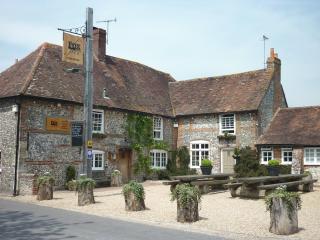
The Fox Goes Free
Nestled beside the South Downs Way, The Fox Goes Free offers stylish, comfortable rooms in a beautifully restored country pub. Perfect for walkers, culture lovers and weekend escapees, ...