Forge Valley Woods National Nature Reserve
Recommended by


Overview
Located on the slopes of the River Derwent valley, the woods of the Forge Valley Woods NNR represent one of the best examples of mixed deciduous woodland in the northeast of England. Alder, willow, ash, elm, sycamore, oak and holly are just a few of the species of trees in the woods, but they also support a rich population of breeding birds such as nuthatch, garden and wood warbler, redstart and blackcap. The river is home to the insects that support trout and crayfish, while otters, in their turn, hunt for the fish. The woodland trees also provide a home for many insects and fungi, and Duncombe Park is an important site for wood-feeding insects. Rot holes in the trees provide nest and roost sites for both birds and bats. These include all three species of British woodpecker, nuthatch, and the elusive but beautiful hatchet-billed hawfinch.
About the area
North Yorkshire, with its two National Parks and two designated Areas of Outstanding Natural Beauty, is England’s largest county and one of the most rural. This is prime walking country, from the heather-clad heights of the North York Moors to the limestone country that is so typical of the Yorkshire Dales – a place of contrasts and discoveries, of history and legend.

Places to eat nearby View all
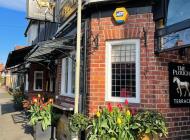
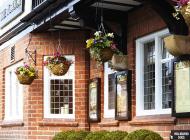
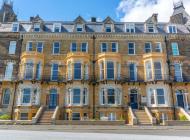
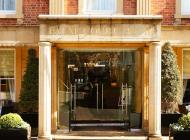

Nearby places to stay
View all (8)

Nearby places to stay
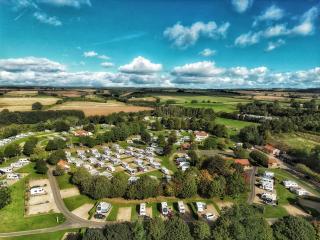
St Helens in the Park
St Helens in the Park is a stunning 36-acre site located on the edge of the North York Moors National Park, with beautiful landscaped grounds featuring an abundance of colourful, season...
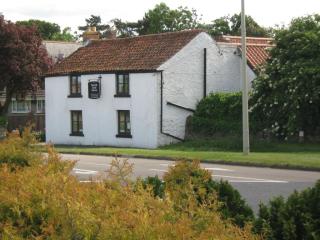
North End Farm Country Guesthouse
Located in Seamer, a peaceful village inland from Scarborough, this 18th-century traditional home offers comfortable, well-equipped en suite bedrooms. Hearty homecooked breakfasts are s...
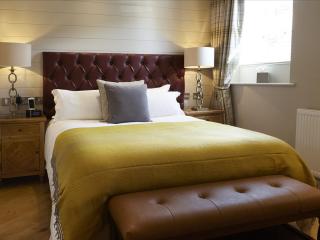
The Mayfield
The Mayfield is a welcoming inn set in the peaceful village of Seamer, just a short distance from the seaside resort of Scarborough. Bedrooms are thoughtfully equipped, offering a comfo...
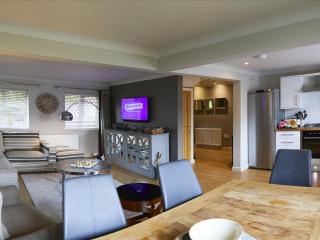
Five Star Stays, Seamer
Five Star Stays are 8 luxury self-catering holiday cottages nestled in the pretty village of Seamer, just outside Scarborough. Just a few steps away is their sister inn, The Mayfield, w...
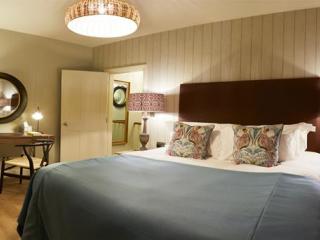
No 23 North Street
23 North Street, sleeping up to 4 people, is located just around the corner from The Plough. This gorgeous cottage has 2 double bedrooms and 1 bathroom with roll-top bath and separate s...
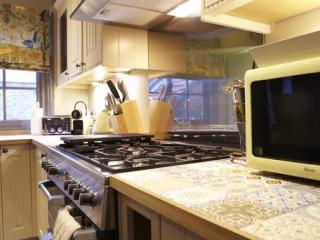
Sunbeam Cottage
Pet-friendly Sunbeam Cottage which sleeps up to 4 people is located just around the corner from The Plough. This gorgeous cottage has 2 double bedrooms and 1 bathroom with roll-top bath...
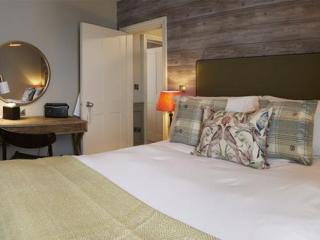
Number 41 North Street
41 North Street, sleeping up to 6 people, is located just around the corner from The Plough. This gorgeous mid-terrace cottage has 3 double bedrooms and 2 bathrooms, both with roll-top ...
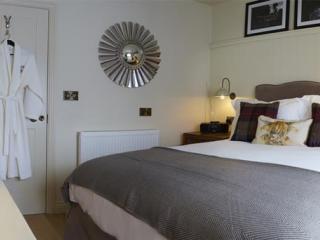
Five Star Stays Scalby
Yew Tree Apartment is located above Yew Tree Café, across the road from The Plough; it sleeps four in two bedrooms with king-size beds. The bathroom has a roll-top bath and separate pow...