Wyre Forest National Nature Reserve
Recommended by


Overview
The Wyre Forest NNR is part of one of the largest ancient lowland coppice oak woodlands in England. The reserve, which crosses the borders of Worcestershire and Shropshire, is part of one of the largest ancient lowland oakwoods in England, and features a tremendous range of different habitats, from lowland and upland woodland to unimproved grassland, old orchards and steep-sided valleys. Both the woodlands and grasslands are rich in fungi – over 1,400 species have been recorded – and in the right autumnal conditions they can produce an incredible display. The reserve supports an important invertebrate population which includes England’s largest colony of pearl-bordered fritillary butterflies.Breeding birds include chiffchaff, redstart, pied flycatcher, wood warbler, woodpeckers, tree pipit, cuckoo, sparrowhawk, tawny owl, buzzard and raven, while dipper, grey wagtail and kingfisher are found on the larger streams. Mammals found in the reserve include fallow, roe and muntjac deer, polecats, otters and mink. Yellow-necked mice, dormice, voles and water shrews are also found, and several bat species are present, including pipistrelle and Daubenton’s.
About the area
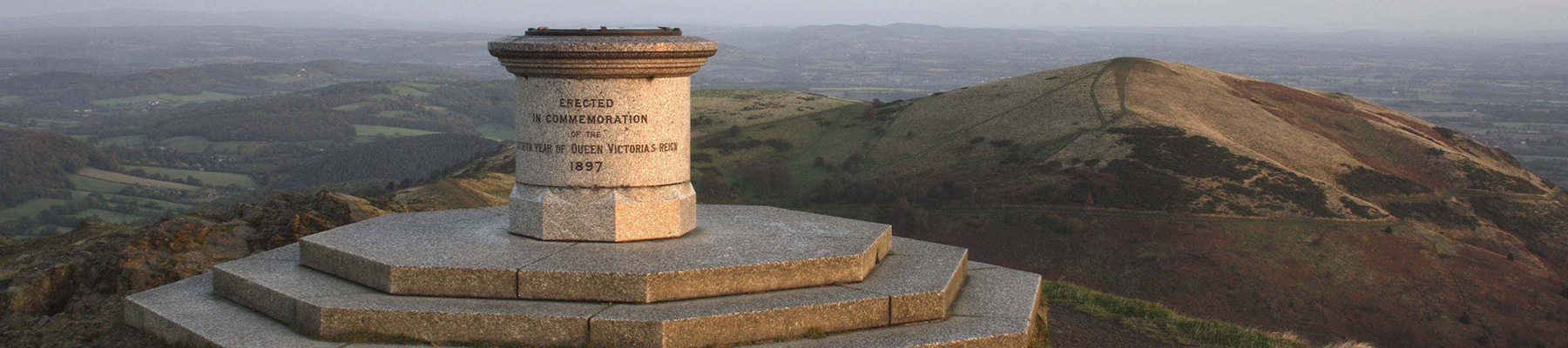
Worcestershire is a county of rolling hills, save for the flat Vale of Evesham in the east and the prominent spine of the Malverns in the west. Nearly all of the land is worked in some way; arable farming predominates – oilseed rape, cereals and potatoes – but there are concentrated areas of specific land uses, such as market gardening and plum growing.
Places to eat nearby View all




Nearby places to stay
View all (8)
Nearby places to stay
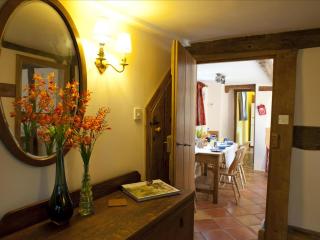
Manor Holding Cottage
Manor Holding was built of reclaimed oak in the late 17th century for the steward of the adjacent manor. The cottage is warm in winter and cool in summer, and has its own sheltered gard...
Manor Holding Cottage
Manor Holding Cottage is a Grade II Listed Jacobean half-timbered farmhouse with a stone kitchen wing. The cottage is located in the middle of the ancient Wyre Forest on the Abberley an...
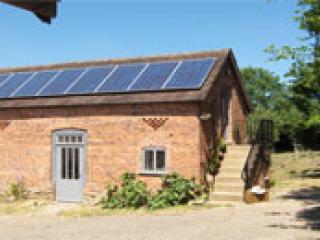
Manor Holding Byre
This beautifully updated half-timbered Jacobean cottage farmhouse with private garden and a glorious barn conversion offers a rural idyll in the historic Forest of Wyre on the border of...
Manor Holding Byre
This beautifully updated half-timbered Jacobean cottage farmhouse with private garden and a glorious barn conversion offers a rural idyll in the historic Forest of Wyre on the border of...
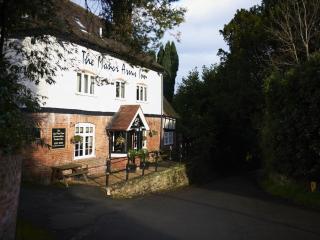
The Manor Arms
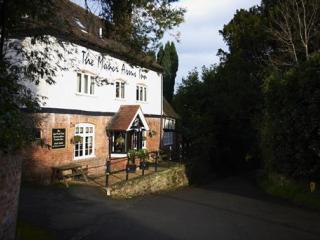
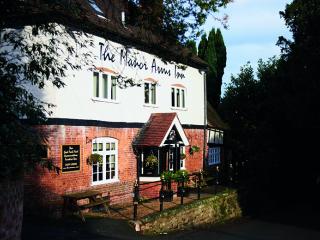
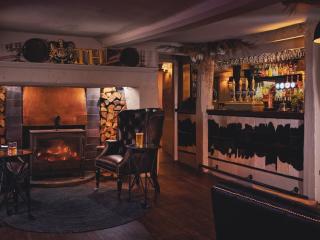
This charming inn enjoys a prominent position in the heart of the pretty village of Abberley and offers guests a range of high quality, stylish bedrooms; many have views of the rolling ...
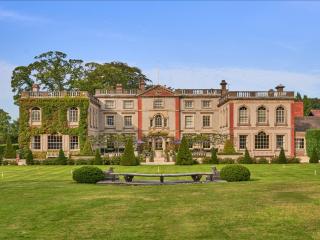
The Elms
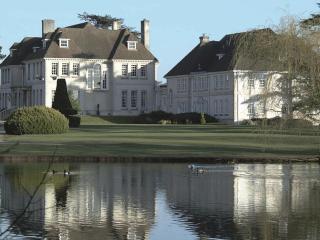
On the face of it, a quite traditional manor house set in landscaped grounds and surrounded by open countryside. However, guests will discover boutique and unexpected design and appoint...
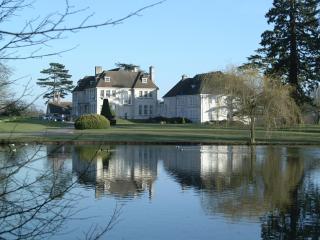
Brockencote Hall Country House Hotel
Brockencote Hall Hotel is a Victorian country manor house set in 70 acres of stunning parkland, complete with a scenic lake, tennis courts and dovecote. A fountain adorns the approach, ...
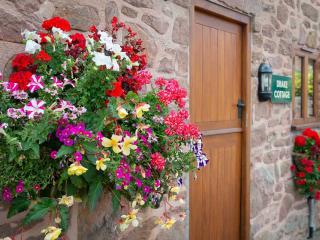
Drake Cottage
Awaiting description...