Gordano Valley National Nature Reserve
Recommended by


Overview
The Gordano Valley NNR, 10 miles to the west of Bristol, offers seclusion, relative remoteness and a wealth of wildlife. The unimproved wet-meadow plant communities include variants of the nationally rare blunt-flowered rush, marsh thistle, soft and sharp flowered rush, marsh bedstraw, purple moor grass, meadow thistle, crested dog’s-tail and common knapweed community types. In total over 130 species of flowering plant have been recorded including three species of orchids, 21 grasses and 14 sedges. The extensive system of rhynes (drainage channels) and field ditches contain three nationally rare species: water parsnip, whorled water milfoil and fen pondweed. Long-eared owls can be spotted during the winter, along with woodcocks. Brown hare, water shrew, harvest mouse and otter are just some of the rare mammals recorded on the NNR. The reserve is also nationally important for its incredibly rich and diverse invertebrate fauna. There are 16 species of dragonflies and damselflies, including the harry dragonfly, variable damselfly and ruddy darter dragonfly, along with 23 recorded species of butterfly, most notably the grizzled skipper and grayling.
About the area
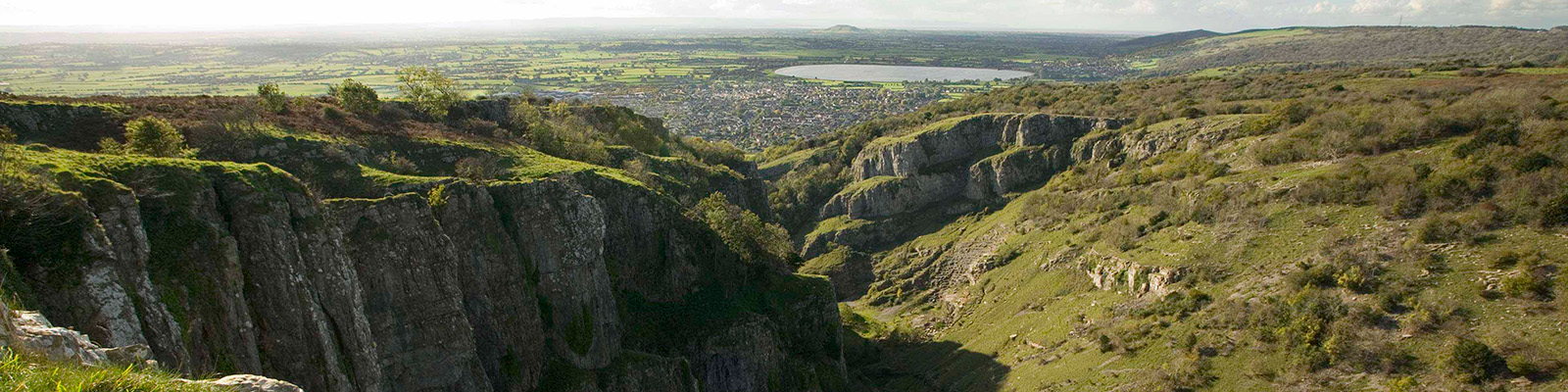
Somerset remains rural and unspoiled, and ever popular areas to visit are the limestone and red sandstone Mendip Hills rising to over 1,000 feet, and by complete contrast, to the south and southwest, the flat landscape of the Somerset Levels. Another popular spot, the Quantocks, once the haunt of poets Coleridge and Wordsworth, are noted for their gentle slopes, heather-covered moorland expanses and red deer.
Places to eat nearby View all



Nearby places to stay
View all (8)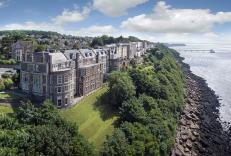


Caravan & Camping
Brook Lodge Farm Camping & Caravan Park
- Launderette
- Ice pack facility
- BBQ
- Picnic Area
Nearby places to stay
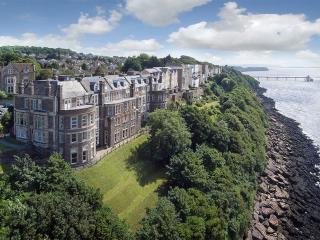
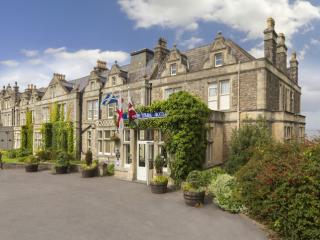
Walton Park Hotel
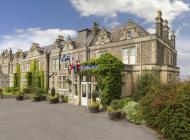
Walton Park Hotel is an impressive building, set in two acres of landscaped gardens overlooking the Severn Estuary and Welsh Hills. Originally built in the late 19th century, it has bee...
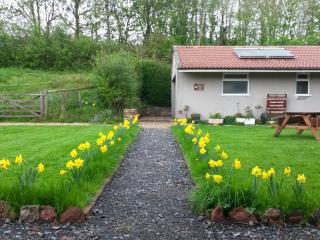
Brook Lodge Farm Camping & Caravan Park
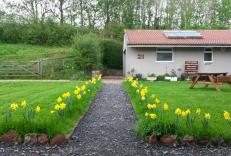
A naturally sheltered country touring park sitting in a valley of the Mendip Hills, surrounded by trees and a historic walled garden. A friendly welcome is always assured by the family ...
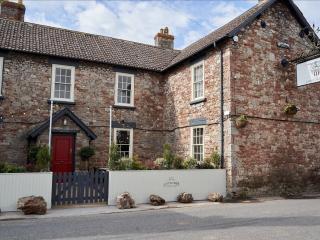
The Langford Inn
The Langford Inn is located in a peaceful village on the edge of the Mendips, and offers a varied selection of real ales, well-chosen wines and carefully prepared, home-made dishes. Bed...
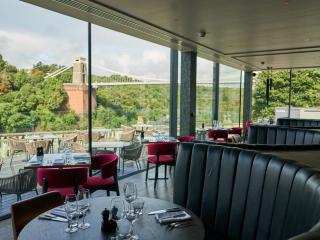
Avon Gorge by Hotel du Vin
This iconic Bristol hotel restored and updated by Hotel Du Vin has an enviable location in Clifton Village, with views from the restaurant, terrace and some of the bedrooms over the fam...
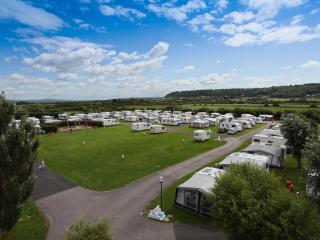
Country View Holiday Park
A lovely open site in a rural area a few hundred yards from Sandy Bay and the beach. The park is also well placed for energetic walks along the coast at either end of the beach and is o...
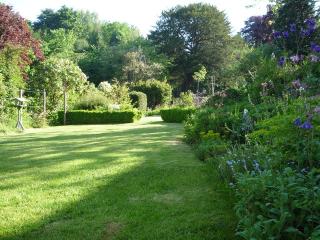
The Old Barn at Trymwood
The Old Barn at Trymwood is a self-catering cottage three miles from the centre of Bristol with a direct bus links every 10 minutes. It has two double bedrooms and sleeps four with room...
The Old Barn at Trymwood
The Old Barn at Trymwood is a self-catering cottage three miles from the centre of Bristol with a direct bus links every 10 minutes. It has two double bedrooms and sleeps four with room...
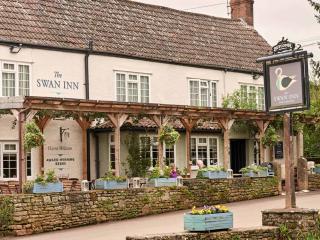
Swan Inn
Located in an area of outstanding natural beauty, the Grade II listed Swan Inn dates back to the 17th century. There's a wonderful atmosphere here, locals and visitors alike made to fee...