Hutton Roof National Nature Reserve
Recommended by


Overview
Hutton Roof NNR contains some of the best areas of limestone pavement in Britain, with a wealth of unusual plants and animals. The fretted pavement occurs in a mosaic with ancient ash-maple woodland and scrub, limestone grassland and heath. Limestone pavement specialists include the rigid buckler fern, limestone fern and angular Solomon’s-seal, while in the more open areas there are dark red helleborine and fly orchids. Juniper is abundant both on the pavement and the grassland. On thicker soil, bracken with bilberry and heather thrives. In summer,birds such as the willow warbler and skylark, along with residents such as nuthatch, greater spotted woodpecker and woodcock, fill the air with their song, while in autumn the reserve is alive with flocks of long-tailed tits, redwing, fieldfare and mistle thrush. From April there is a succession of butterflies. Firstly the small tortoiseshell and brimstone butterflies and the green hairstreak, then from May onwards there are fritillaries along with common blue, peacock and grayling. Badgers, foxes and roe deer are also frequently seen on the reserve.
About the area
Cumbria's rugged yet beautiful landscape is best known for the Lake District National Park that sits within its boundaries. It’s famous for Lake Windermere, England’s largest lake, and Derwent Water, ‘Queen of the English Lakes', but other lesser-known areas in the south, such as the Lune Valley and the coastal towns, are secret gems of wide cobbled streets and rolling hills.
Places to eat nearby View all

Nearby places to stay
View all (8)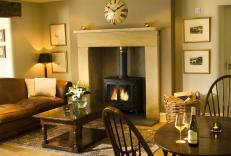
Nearby places to stay
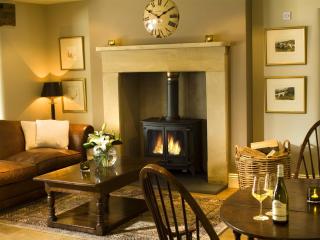
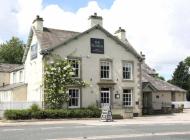
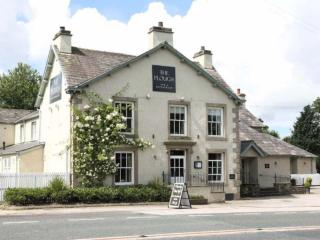
Plough Inn
This delightful inn is well situated, ideal for exploring all parts the Cumbrian and Yorkshire countryside. The public areas are spacious, open plan and comfortable and blend modernity ...
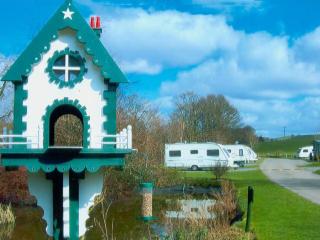
Waters Edge Caravan Park
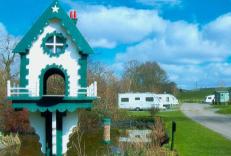
A truly lovely site bordered by streams and woodland. Despite being an oasis of calm, the site is just a short distance from the M6 and is ideal either as a stopover or for longer stays...
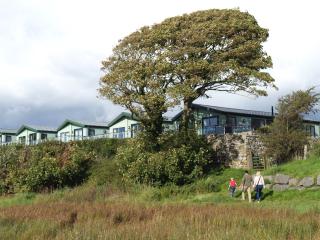
Silver Ridge Caravan Park
Holgates Holiday Parks is a collection of family owned and operated parks spanning across the South Lakes, North Lancashire and Ribble Valley. Silver Ridge is on a limestone ridge, surr...
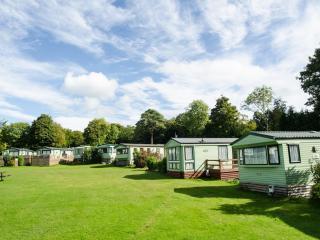
Fell End Holiday Park
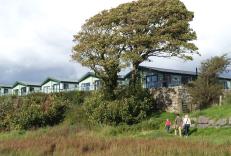
Fell End is a woodland oasis of peace and tranquillity abounding with wildlife. 28 acres of meadow and woodland have been transformed by landscaping with natural limestone, tree plantin...
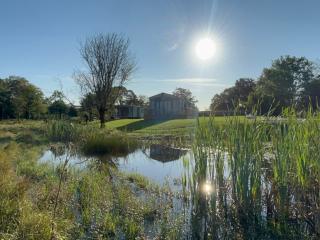
Beetham Holiday Park
Beetham enjoys easy access to the Lake District, Yorkshire Dales, Forest of Bowland, the coast and other parts of Cumbria, Lancashire and North Yorkshire. The tranquillity and relaxing ...
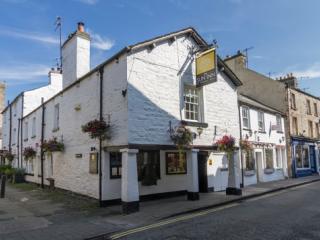
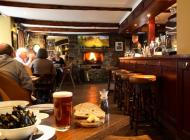
The Sun Inn
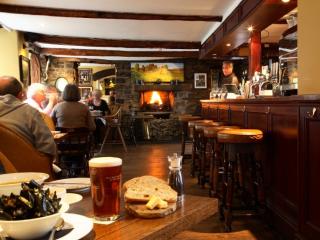
The Sun is a 17th-century inn situated in the destination market town of Kirkby Lonsdale, and overlooks St Mary's Church. The atmospheric bar features stone walls, wooden beams and log ...
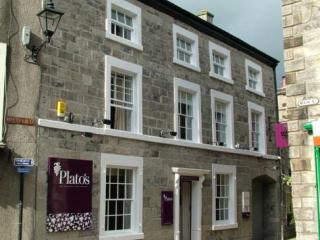
Plato's
Tucked away in the heart of this popular market town, Plato's is steeped in history. The bedrooms have a wealth of thoughtful extras and personal touches. Imaginative food is available ...
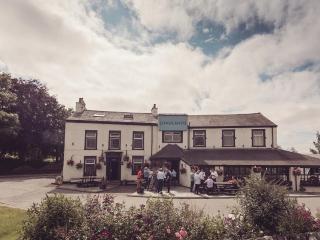
Longlands Inn & Restaurant
Longlands Inn is a family-run business nestled on the edge of Lancaster Canal near Carnforth but within easy reach of the M6. On offer are 11 luxury en suite bedrooms, a great restauran...