Castle Hill National Nature Reserve
Recommended by


Overview
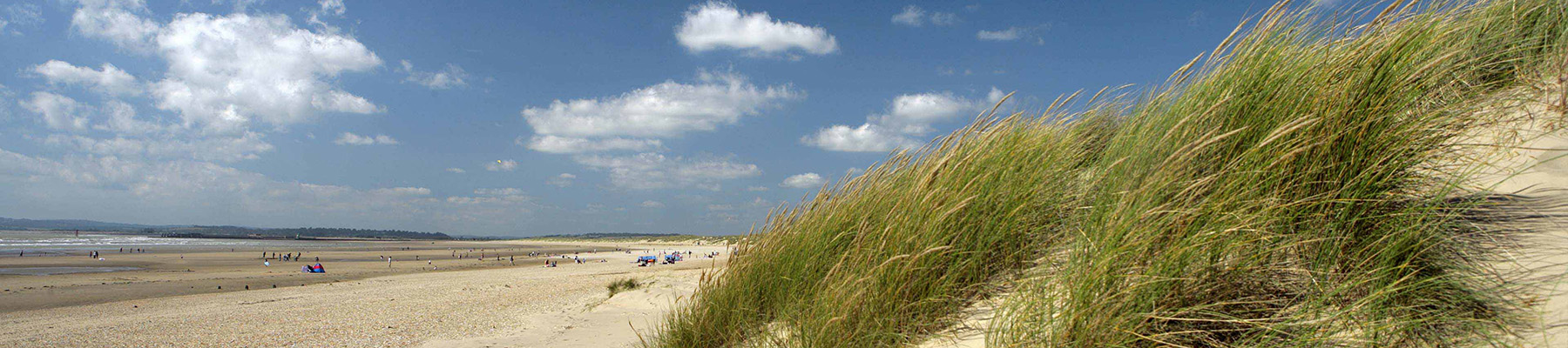
The Castle Hill NNR, between Lewes and Woodingdean, is one of the finest examples of ancient, unimproved wildflower-rich chalk grassland sites in the country. The reserve is best known for its outstanding variety of orchids, which include fragrant, common spotted, pyramidal and autumn lady’s tresses, as well as the rare early spider orchid, for which it is the national stronghold. Other typical chalk flowers found here are kidney vetch, horseshoe vetch, bird’s foot trefoil, fairy flax, dropwort and the round-headed rampion, locally known as the Pride of Sussex. Of the 58 UK species of butterfly, 31 have been recorded on Castle Hill, including Adonis blue, chalkhill blue, small blue and silver spotted skipper, and the grassland also contains a wide variety of grasshopper, cricket and leafhopper species, including the rare wartbiter cricket, which has its largest UK colony here. Birdlife includes whitethroat, linnet, yellowhammer, dunnock and blackcap, and kestrel, sparrowhawk, buzzard, red kite and peregrine falcons have also been recorded.
About the area
East Sussex is a land of stately homes, castles and the South Downs, with miles of chalk cliffs overlooking the English Channel. For history buffs, there are a great many historic landmarks within Sussex, such as the battlefield where the Battle of Hastings took place, or visitors can enjoy pretty towns such as Lewes, Rye and Uckfield and the city of Brighton.
Places to eat nearby View all



Nearby places to stay
View all (8)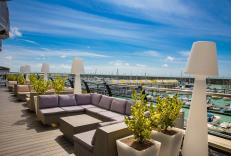



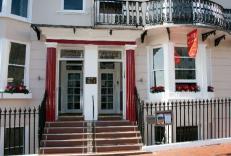


Nearby places to stay
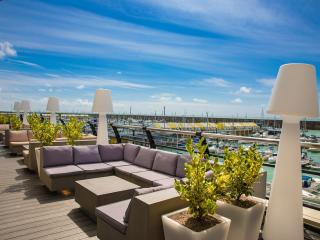
Malmaison Brighton
Overlooking the waterfront at Brighton Marina, the stylish Malmaison Brighton offers a good number of contemporary sea-facing rooms with balconies, terraces and air conditioning. The po...
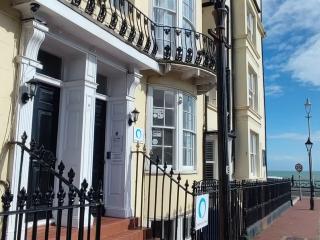
Central Wave
Awaiting description....
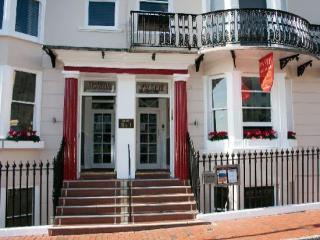
New Steine
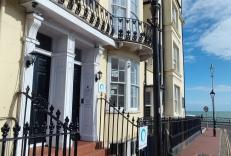
Close to the seafront, off the Esplanade, the New Steine provides spacious and well-appointed accommodation. Simple yet appealing dishes with a French and British influence are availabl...
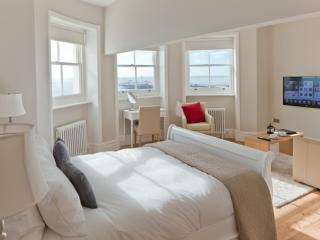
A Room With A View
In a superb position opposite the beach and near the celebrated Palace Pier, but also on the corner of a delightful garden square, A Room with a View offers space, comfort and convenien...
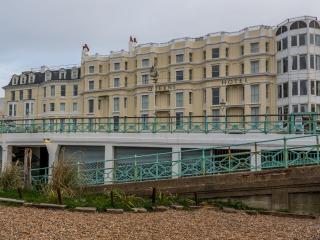
Queens Hotel
This hotel has a fantastic location with views of the beach and pier. The modern bedrooms and bathrooms are spacious, and many benefit from uninterrupted sea views. All bedrooms have Sm...
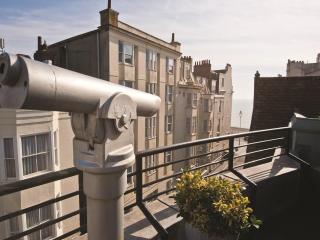
Hotel du Vin Brighton
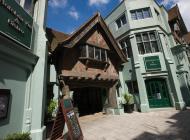
Hotel du Vin Brighton is a tastefully converted mock-Tudor building in a quiet side street close to the seafront. The individually designed bedrooms have a wine theme, and all are compr...
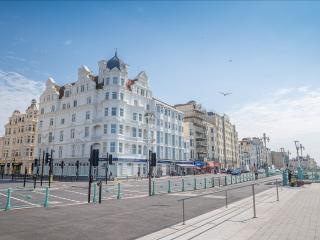
Brighton Harbour Hotel & Spa
Located on the seafront, right in the heart of town, Brighton Harbour Hotel has been completely refurbished, offering guests modern and stylish accommodation. Rooms are smartly contempo...
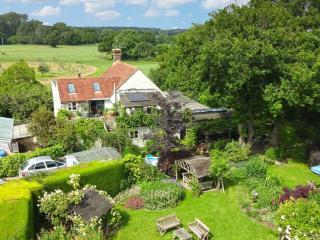
The Jolly Sportsman
The Jolly Sportsman lives in the picturesque village of East Chiltington, and offers a combination of locally sourced food, comfortable accommodation, and a stunning garden bar, all set...