Richmond Park National Nature Reserve
Recommended by


Overview
Every year millions of Londoners and tourists visit Richmond Park, the largest of the capital’s eight Royal Parks and the biggest open space in London. It is also London’s largest NNR. The reserve is home to the beautiful Isabella Plantation, Pembroke Lodge and large herds of both red and fallow deer. Richmond Park is a top UK site for ancient trees, particularly oaks, which have great historic and wildlife importance. The trees and associated decaying wood support nationally endangered species of fungi, as well as a remarkable range of nationally scarce invertebrates such as the cardinal click beetle and the stag beetle. Over one thousand species of beetle, more than a quarter of the British list, have been recorded in the park. Birdlife in Richmond Park is hugely varied with around 144 species recorded over the last 10 years and 63 breeding species, including all three native woodpeckers, kestrels, owls and a range of waterfowl. Ground-nesting birds that breed in the acid grassland of the park include the skylark, reed bunting, stonechat and meadow pipit.
About the area
London, the UK’s capital, is a metropolis of famous landmarks, unrivalled shopping, world-renowned arts venues, galleries and museums, dining and award-winning theatre. London is steeped in royal history, and visitors can watch the changing of the guard at Buckingham Palace, learn about the final days of Anne Boleyn at the Tower of London, or take a leisurely stroll around the capital’s Royal Parks.

Places to eat nearby View all




Nearby places to stay
View all (8)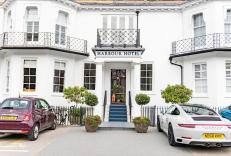







Nearby places to stay
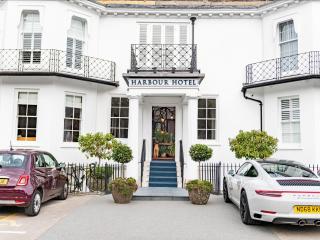
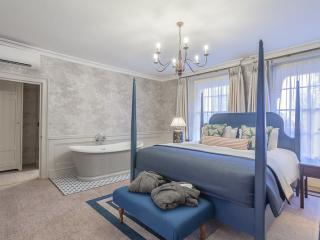
Harbour Hotel Richmond
The Harbour Hotel enjoys an enviable location at the top of Richmond Hill just a short stroll from Richmond Park; central London is only a short tube ride away. The rooms have been styl...
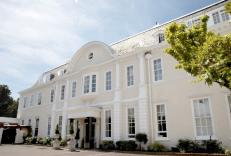
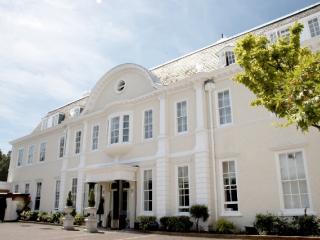
Richmond Hill Hotel
Built in 1726 and completely refurbished, Richmond Hill Hotel is set in an idyllic location atop Richmond Hill with elevated views over the Thames. Experience the elegance and contempor...
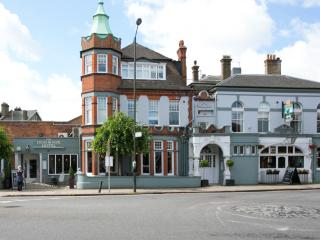
Hotel du Vin Wimbledon
This unique, 18th-century house located opposite Wimbledon Common and set within 34 acres of Cannizaro Park, offers a tranquil setting, just a short distance from central London. The ho...
Dog and Fox
A striking building, part of Young’s Brewery since 1834, the Dog and Fox may date back to the 18th century. It continues to be a central hub in Wimbledon Village, welcoming locals, tour...
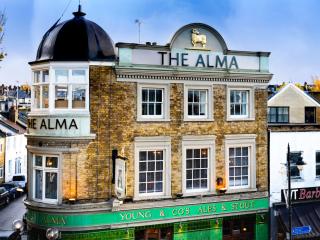
The Alma
Located in the heart of Wandsworth town, The Alma is a Victorian pub just a few steps away from the underground. The bar is well stocked while the restaurant offers an eclectic menu of ...
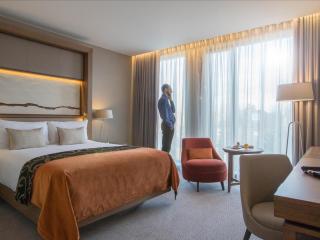
Clayton Hotel Chiswick
This stylish, modern hotel is conveniently located for Heathrow and central London, with Gunnersbury tube station just a few minutes' walk away. Airy, spacious public areas include a po...
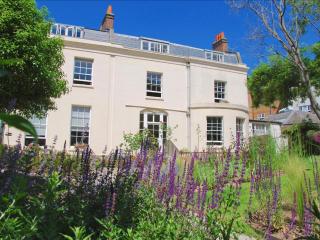
Temple Lodge Club
Temple Lodge is a well-preserved Georgian listed building, once the home of the artist Sir Frank Brangwyn. It is located near the River Thames in Hammersmith, and is tucked away from th...
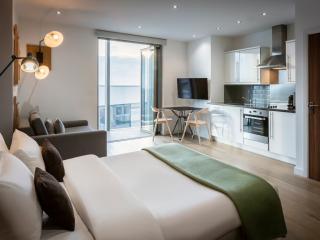
Adagio London Brentford Apartments
Adagio London Brentford offers spacious, comfortable apartments furnished in a warm industrial style. Each one has a fully equipped kitchen, a winter garden with a view and a lounge are...