Dungeness National Nature Reserve
Recommended by


Overview
Dungeness NNR on the southeast Kent coast is one of the best examples of a shingle beach in the world, an apparently hostile landscape but possessing a rich and diverse wildlife. The reserve has many distinctive plants which favour this harsh coastal pebble habitat. Low-growing blackthorn and yellow-flowered broom hug the shingle, and in the clean air, can be draped in lichens. Dungeness is rich in insects, notably in its moths. It is the only place in Britain where the Sussex emerald, a green moth that appears in July, is found. Another rarity is the pygmy footman moth, which lives on lichen. The common tern is a summer visitor that breeds on the islands in the large gravel pits on the reserve and feeds offshore for fish. The ponds are also home to great crested newt and medicinal leech. Dungeness is also one of the best places in Britain to see the smew, a striking white winter migrant duck. The wheatear is one of the earliest migrants returning from Africa, seen from March to October.
About the area
Kent is home to the White Cliffs of Dover, an English icon that marks the point where the Kent Downs AONB stretches from the Surrey Hills down to the sea. Visitors can explore historic parklands, including Knole Park and Sir Winston Churchill’s former home at Chartwell, or beautiful nature reserves, such as the coppiced woodlands of Denge Wood and Earley Wood and the ancient fine chalk woodland of Yockletts Bank.



Nearby places to stay
View all (8)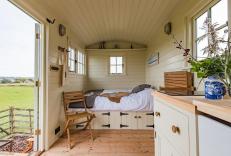


Nearby places to stay
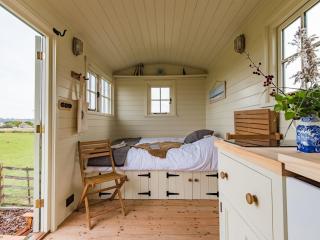
Romney Marsh Shepherds Huts
Awaiting description....
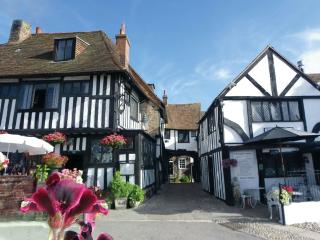
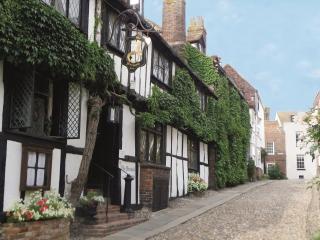
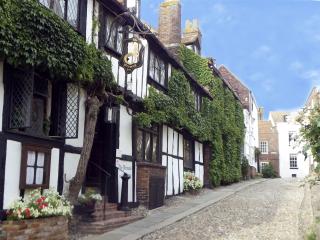
Mermaid Inn
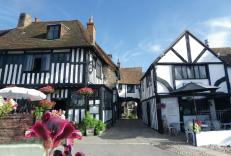
Situated near the top of a cobbled side street, the Mermaid Inn is a famous smugglers' inn steeped in history, dating back to 1450 with 12th-century cellars. The charming interior has m...
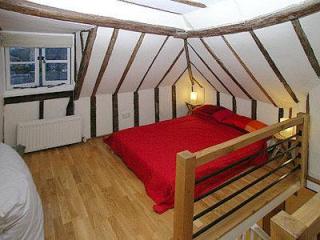
The Quarter House
The Quarter House is two-storey property dating back to the 1700s and makes for a cosy spot from which to explore Rye. Visit the Rye Castle Museum and 14th-century Ypres Tower, take in ...
The Quarter House
The Quarter House is two-storey property dating back to the 1700s and makes for a cosy spot from which to explore Rye. Visit the Rye Castle Museum and 14th-century Ypres Tower, take in ...
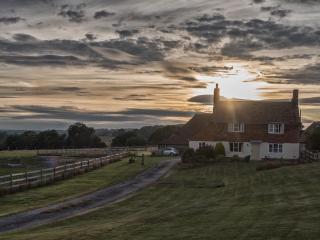
Coldharbour Cottage
Coldharbour Cottage was built way back in the 1760s. It retains many of its original features whilst maintaining a high standard of accommodation throughout. The original oak beams, ing...
Coldharbour Cottage with Hot Tub
Coldharbour Cottage was built way back in the 1760s. It retains many of its original features whilst maintaining a high standard of accommodation throughout. The original oak beams, ing...
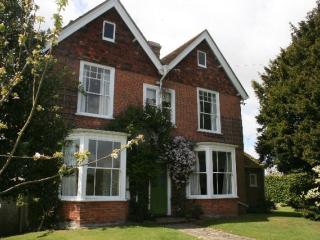
The Highlands
Only small, but Iden has a pub serving food, and a post office and general stores, so guests in this secluded Victorian holiday home won’t starve. The three-quarter acre garden has a ha...
The Highlands
Only small, but Iden has a pub serving food, and a post office and general stores, so guests in this secluded Victorian holiday home won’t starve. The three-quarter acre garden has a ha...