Calke Park National Nature Reserve
Recommended by


Overview
Parts of the Calke Park NNR are the remnants of a grazed medieval woodland known as wood pasture, with many trees at least 400 years old, including oak, beech and small-leaved lime. This wood pasture is dominated by more than 200 huge, stag-headed oaks that are some of the largest and most ancient trees in Britain. One, known as ‘The Old Man of Calke’, is thought to be over 1,200 years old. The reserve is also well known for its fungi, over 350 species of beetles and at least eight species of bats. The NNR is the tenth best site in Britain for invertebrates that live on dead and decaying wood. There are also red and fallow deer in the restored deer enclosure. Calke NNR is home to many species of woodland birds including spotted flycatcher, great spotted woodpecker, green woodpecker, tree creeper and nuthatch. Look out for little owls and tawny owls in summer and redwings and jays in winter.
About the area
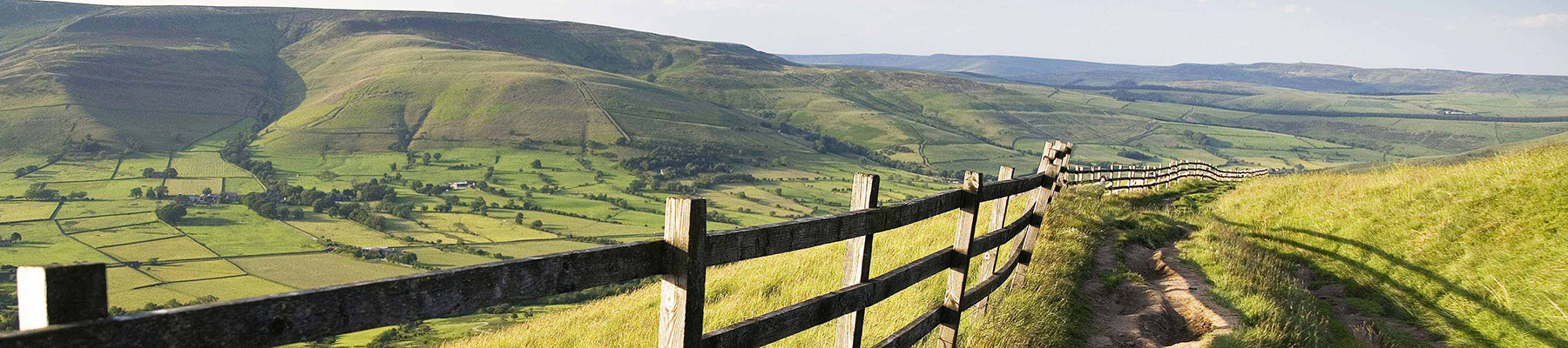
The natural features of this central English county range from the modest heights of the Peak District National Park, where Kinder Scout stands at 2,088 ft (636 m), to the depths of its remarkable underground caverns, floodlit to reveal exquisite Blue John stone. Walkers and cyclists will enjoy the High Peak Trail which extends from the Derwent Valley to the limestone plateau near Buxton, and for many, the spectacular scenery is what draws them to the area.


Nearby places to stay
View all (8)
Nearby places to stay
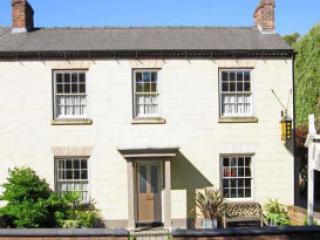
The Coach House
The Coach House sits in the heart of a conservation area, close to Donington Park and East Midlands Airport. This traditional cottage has been restored to provide good standards of comf...
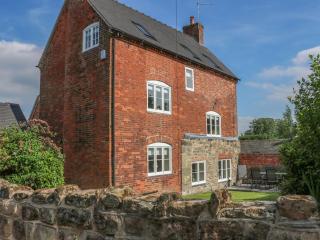
Firtree Cottage
Firtree Cottage is a beautiful four-bedroom cottage situated on the historic Harpur Crewe Estate in the tranquil village of Smisby, just one and a half miles from Ashby-de-la Zouch. The...
Firtree Cottage
Firtree Cottage is a beautiful four-bedroom cottage situated on the historic Harpur Crewe Estate in the tranquil village of Smisby, just one and a half miles from Ashby-de-la Zouch. The...
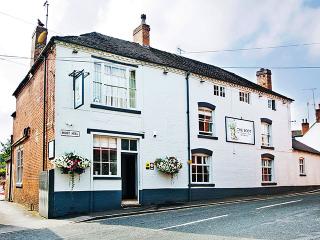
The Boot Inn
Recently renovated and refurbished The Boot Inn has some luxurious accommodation, alongside award-winning classic and contemporary dishes, and a selection of its own real ales. The loca...
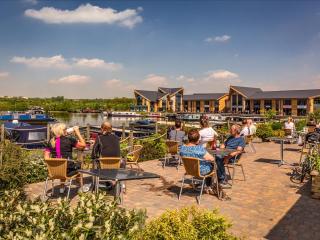
Mercia Marina
Mercia Marina is at the heart of England’s canal network on the Trent & Mersey Canal, surrounded by 50 acres of countryside, a wildlife lake and holiday-home development. The marina has...

The Royal Oak
The Royal Oak is a popular gastro pub with rooms, located in a small village just four miles from East Midlands Airport. All members of the young team offer a warm welcome and service i...
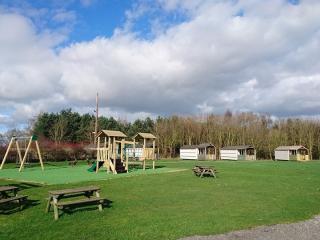
Beehive Woodland Lakes
A small, informal and continually developing caravan area secluded away from an extensive woodland park in the heart of the National Forest National Park. The toilet facilities include ...
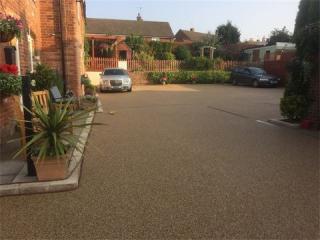
The Post House
You'll get a warm welcome at the The Post House in Ibstock, and all the comforts you'd expect from a family-run guest house. There are six bedrooms, all decorated in a different style a...