Colne Estuary National Nature Reserve
Recommended by


Overview
The Colne Estuary NNR is a large and important reserve at the mouth of the Colne Estuary and consists of the grazing marshes of Brightlingsea, the intertidal mudflats of East Mersea Flats, and the salt marsh and shingle of Colne Point. The extensive ancient grazing marshes at Brightlingsea are covered with large anthills of the yellow meadow ant – an indication that the land hasn’t been ploughed for a very long time. Today, about 100 cattle graze on the marshes for most of the summer. East Mersea Flats is an important area for waders and waterfowl, especially as a feeding ground in winter, when there are significant populations of grey plover, black-tailed godwit, dunlin, sanderling and turnstone, and waterfowl such as Brent geese and widgeon. Colne Point’s salt marsh and shingle also attracts a wide variety of birdlife, and is an important area for breeding birds. In summer, these include ringed plovers, oystercatchers and the nationally rare little tern.
About the area
Essex is full of pleasant surprises. It has the largest coastline of any county in England, with its fair share of castles, royal connections and scenic valleys.
Places to eat nearby View all
Nearby places to stay
View all (8)





Nearby places to stay

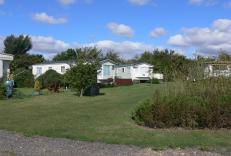
Orchards Holiday Village
A popular family fun packed holiday park located in a quiet corner of the Essex coast close to Clacton-on-Sea. Spacious, landscaped areas, some with sea views, offer a good range of sta...
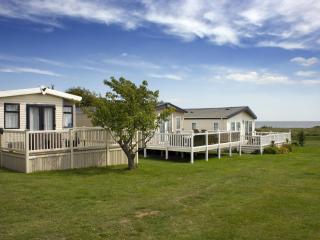
Mersea Island Holiday Park
Mersea Island is a peaceful island in the Blackwater and Colne estuaries to the south-east of Colchester. Here you’ll find the spacious Cudmore Grove Country Park, where your mind can w...
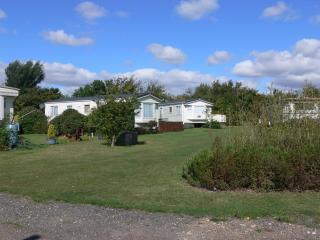
Fen Farm Caravan Site
The first tents were pitched at Fen Farm in 1923 and over the years the farm gave way entirely to becoming a caravan park. Enjoying an enviable location beside the Blackwater Estuary, i...
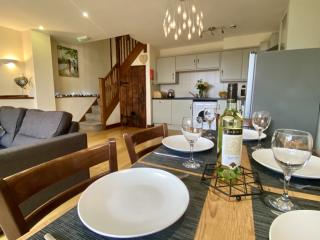
The Hayloft
With a fully glazed frontage which maximises light and farm views, the Hayloft sits centrally in the farmyard, an impressive conversion of a traditional black boarded Essex barn, formal...
The Hayloft
With a fully glazed frontage which maximises light and farm views, the Hayloft sits centrally in the farmyard, an impressive conversion of a traditional black boarded Essex barn, formal...
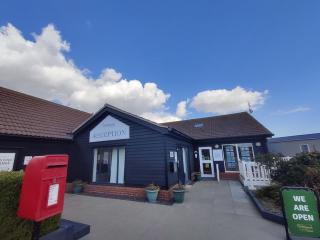
Waldegraves Holiday Park
A spacious and pleasant site located between farmland and its own private beach on the Blackwater Estuary. There are well-maintained standard grass pitches and a limited selection of ha...
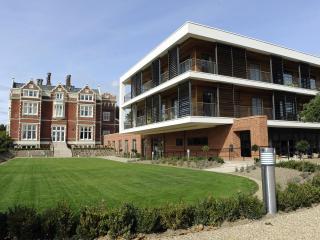
Wivenhoe House Hotel
A superb building, Wivenhoe House is an 18th-century Grade II listed country house hotel once painted by Constable and set in acres of magnificent parkland. Bedrooms, furnished to a ver...
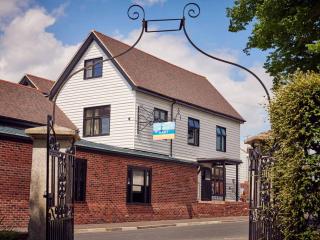
The White Hart Inn
The White Hart Inn is at the heart of West Mersea opposite the church and a few minutes walk from the beach. The tastefully appointed bedrooms have lovely soft furnishings and many thou...