Orfordness-Havergate National Nature Reserve
Recommended by


Overview
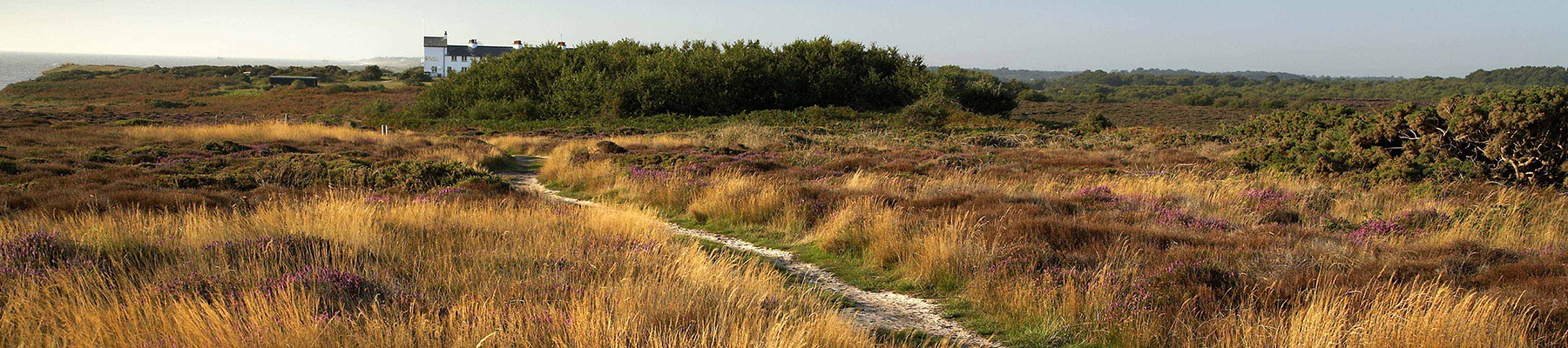
The Orfordness-Havergate NNR is an internationally important site for nature conservation, and consists of the large shingle spit of Orford Ness, which is separated from the mainland by the River Alde, south of Aldeburgh on the Suffolk coast. The spit was formed by the deposition of shingle deposits through wave action and longshore drift. This is an on-going process, meaning the spit is constantly growing. Orford Ness is the largest vegetated shingle spit in Europe and an important location for breeding and migrating birds. The shingle is home to a range of coastal plants, most of which are specialists at surviving in this hostile environment. A whole range of scarce and other more common creatures inhabit the Ness, including brown hare, Chinese water deer and a host of insects, particularly beetles and spiders. Look out too for the rare ground lackey moth caterpillars on the paths, watch butterflies flitting over the grassland and listen to the chorus of chirruping crickets. The site is managed as an important breeding place for wading birds. You might see the exotic-looking spoonbills on the shingle islands, or the elegant avocet, scooping up food in their amazing, sickle-shaped beaks. They nest in mini colonies on the island, alongside common terns. Pintails, with their amazing long tails, flock to the Alde estuary in autumn and winter. The arrival of wheatears from March is a sure sign that spring has arrived at Havergate. Large arrivals or ‘falls’ of this migrant can occur here in both spring and autumn.
About the area
Suffolk is Constable country, where the county’s crumbling, time-ravaged coastline spreads itself under wide skies to convey a wonderful sense of remoteness and solitude. Highly evocative and atmospheric, this is where rivers wind lazily to the sea and notorious 18th-century smugglers hid from the excise men.
Places to eat nearby View all



Nearby places to stay
View all (8)




Nearby places to stay

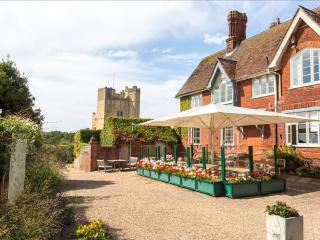
Crown & Castle Orford
The Crown and Castle is a beautiful old building in the village of Orford adjacent to the Castle that dates back to the 11th century, and is perfectly situated for touring the Suffolk c...
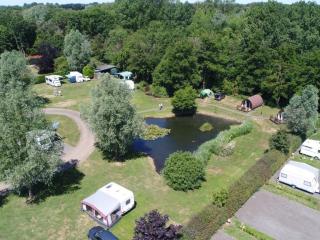
Run Cottage Touring Park
Located in the peaceful village of Hollesley on the Suffolk coast, this landscaped, adults-only park is set behind the owners' house. There are generously sized pitches, and a well-appo...
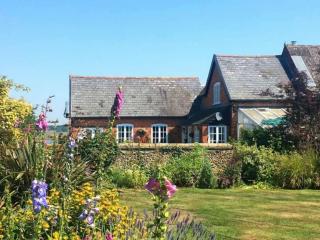
The Old Stable
Downstairs at the Old Stable there's a spacious open plan lounge/dining room/kitchen and utility plus a twin-bedded room, bathroom with shower. Upstairs there's a king-size master bedr...
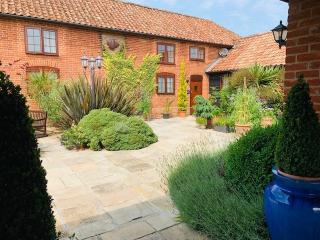
The Hayloft
Awaiting description...
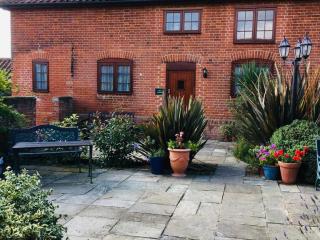
The Punch
Awaiting description...
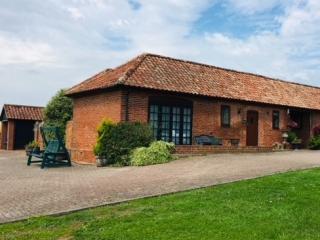
Barn Owl Cottage
Awaiting description...
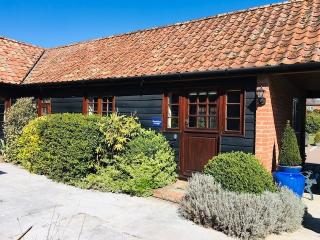
Horseshoe Cottage
Awaiting description...
Ore Valley Holiday Cottages
Following high-standard conversion of former farm stables, Ore Valley’s five self-catering cottages are set around a landscaped courtyard. This leads to extensive gardens, a boating lak...