Thetford Heath National Nature Reserve
Recommended by


Overview
Thetford Heath NNR is the best site in the country to watch the rare and unusual stone curlew. The bird – also known as ‘thick-knees’ – requires open, stony ground with short vegetation to breed, making the rabbit and sheep-cropped turf of Weeting Heath ideal. The stone-curlew is a crow-sized bird with a large head, long yellow legs and long wings and tail. Its large yellow eyes enable it to locate food when it is dark. The reserve is made up of an expanse of acid and chalk grassland, together with smaller areas of heather and lichen-dominated heathland. The heath is also home to woodlarks, green woodpeckers, lapwings and mistle thrushes. Other birds include kestrel, little owl, sparrowhawk, common buzzard, marsh harrier and, in summer, the dragonfly-snatching hobby. Woodland birds common in the trees around the visitor centre and on the woodland walk include crossbills, tree pipits and spotted flycatchers.
About the area
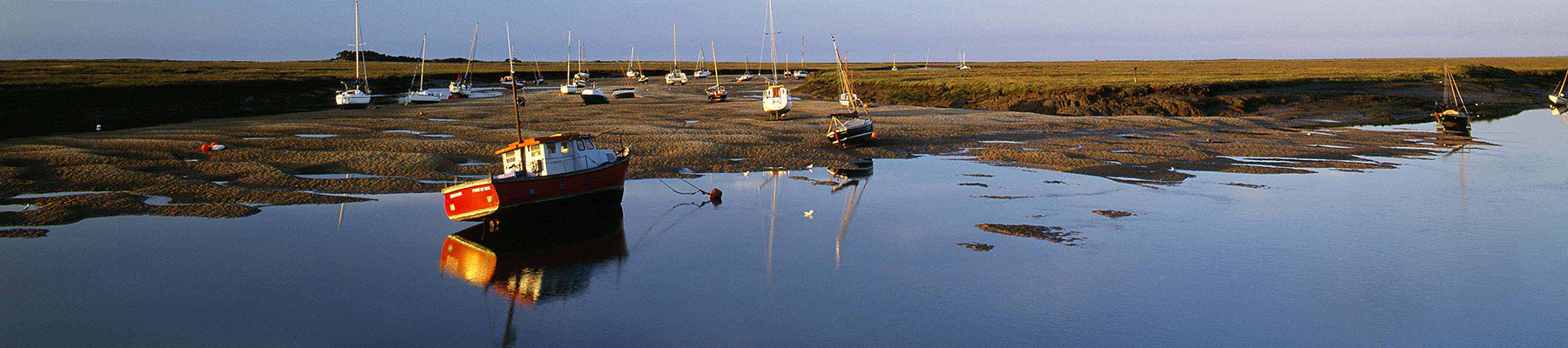
The North Norfolk Coast is designated an Area of Outstanding Natural Beauty and probably the finest of its kind in Europe. Here you’ll find a string of quaint villages and small towns – Holkham, Wells-next-the-Sea and Cley next the Sea are 21st-century favourites, while Sheringham and Cromer are classic examples of a good old-fashioned seaside resort where grand Victorian hotels look out to sea.
Places to eat nearby View all
Nearby places to stay
View all (8)

Nearby places to stay
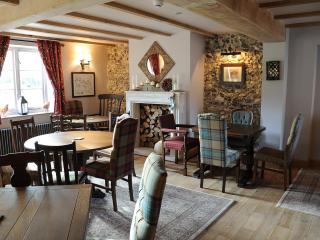
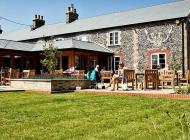
Elveden Inn
Elveden Inn offers a range of beautifully presented bedrooms and sleek modern bathrooms. Enjoying a peaceful location in the heart of East Anglia, the inn is part of the Guinness family...
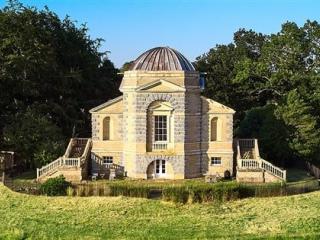
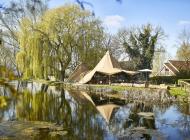
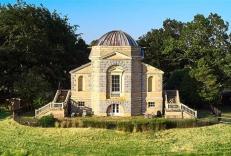
The Temple
Awaiting description....
The Temple
Awaiting description....
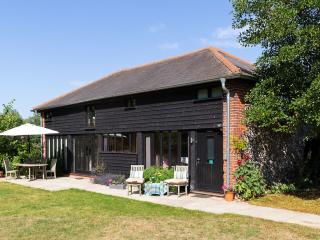
Lackford Lakes Barns
Lackford Lakes Barns holiday cottages are set in a beautiful Suffolk countryside location where you can enjoy an outdoor lifestyle. Beautiful Lackford Lakes and West Stow Lakes, a haven...
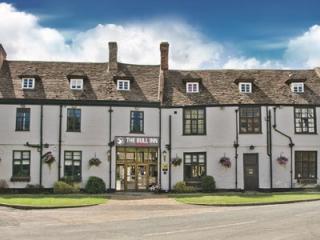
The Bull Inn
This delightful 16th-century coaching inn is situated just off the main A11 and provides easy access to the road networks. Public rooms offer a choice of bars, a brasserie-style restaur...
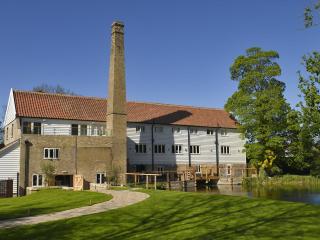
Tuddenham Mill
Tuddenham Mill is a beautifully converted old watermill set amidst landscaped grounds between Newmarket and Bury St Edmunds. The contemporary bedrooms are situated in separate buildings...
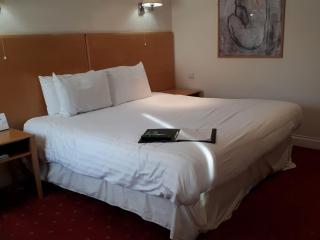
Best Western Priory Hotel
Priory Hotel is an 18th-century, Grade II listed building set in landscaped grounds on the outskirts of town. The attractively decorated, tastefully furnished and thoughtfully equipped ...
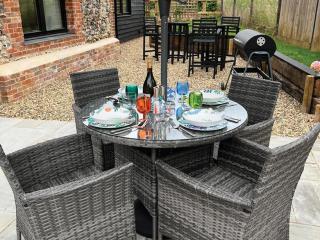
Quays Lodge
WELCOME TO QUAYS LODGE, a two bedroom luxury holiday lodge in Suffolk.
Quays Lodge is situated in the village of Risby, Suffolk, which is just a five minute drive from Bury St Edmunds ...