

Avoncroft Museum of Historic Buildings
Assessed by

 Assessor comments
"Something unusual - a museum of buildings."
Overview
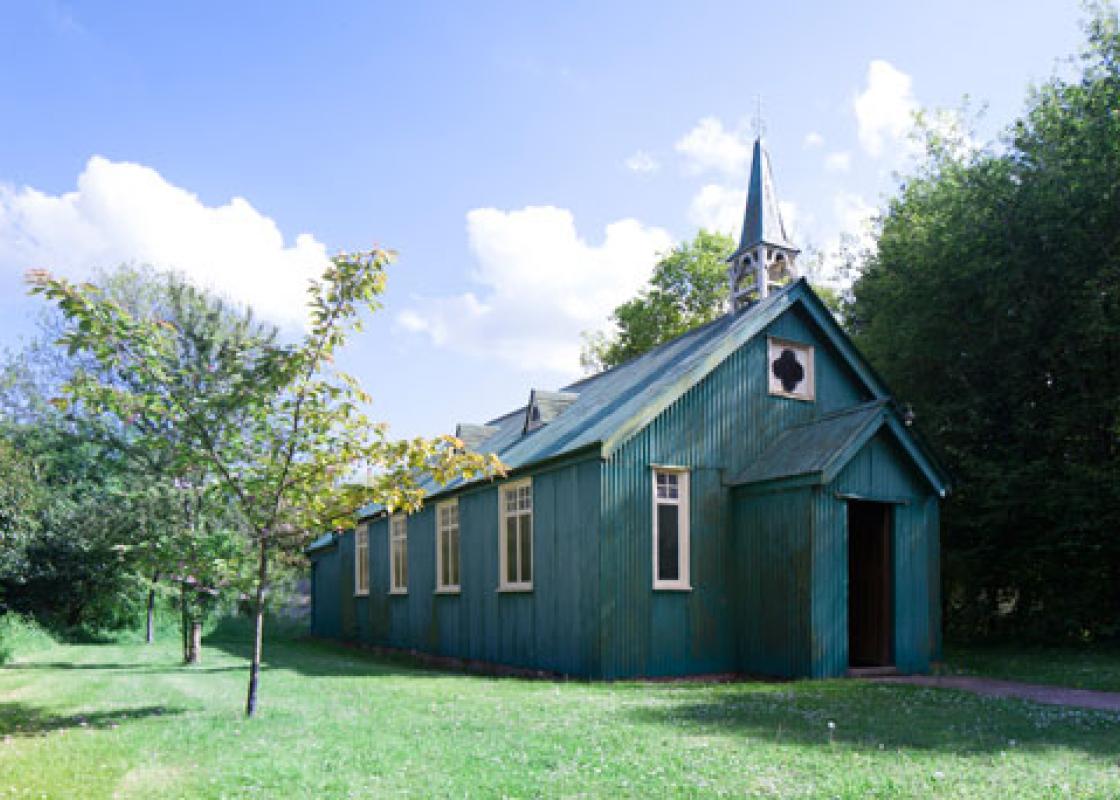
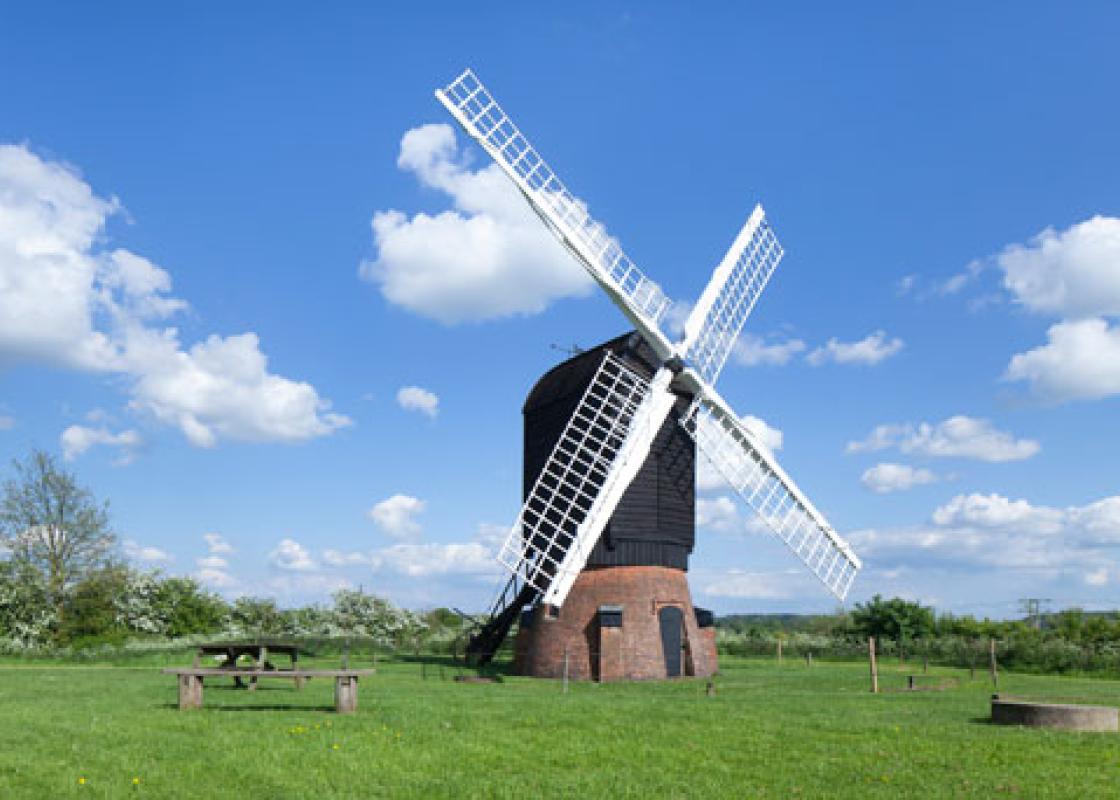
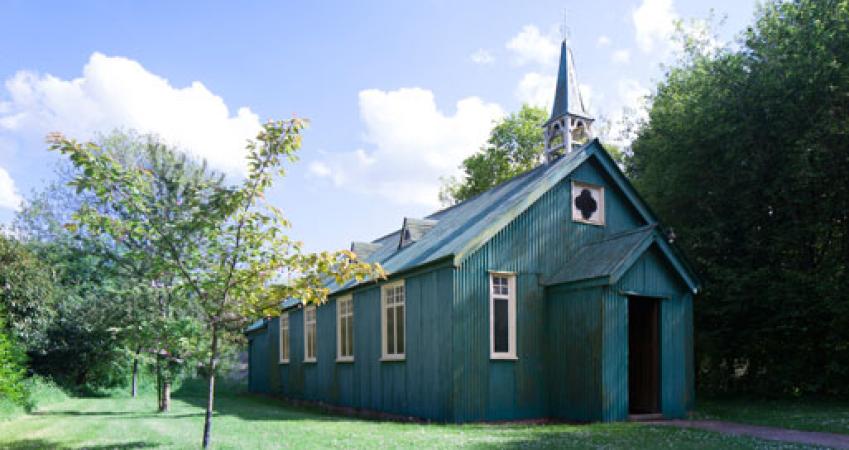
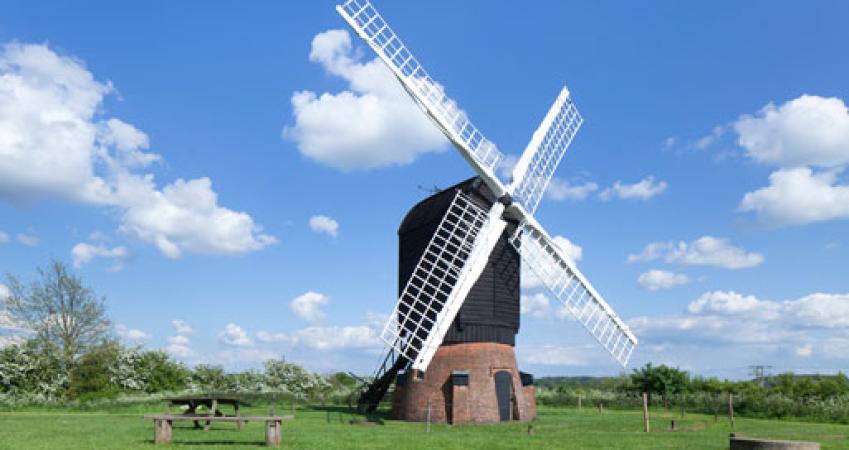
A visit to Avoncroft takes you through nearly 700 years of history. On site are some 25 buildings rescued from destruction and authentically restored on a 18.5 acre rural site. There are 15th and 16th-century timber framed buildings, 18th-century agricultural buildings and a cockpit. There are industrial buildings and a working windmill from the 19th century, and from the 20th a fully furnished pre-fab. Photo credit: chapel & windmill - Andy Marshall.
Ratings & awards

VisitEngland Quality Assessed
Location
Avoncroft Museum of Historic Buildings, Stoke Heath, BROMSGROVE, Worcestershire, B60 4JR
About the area
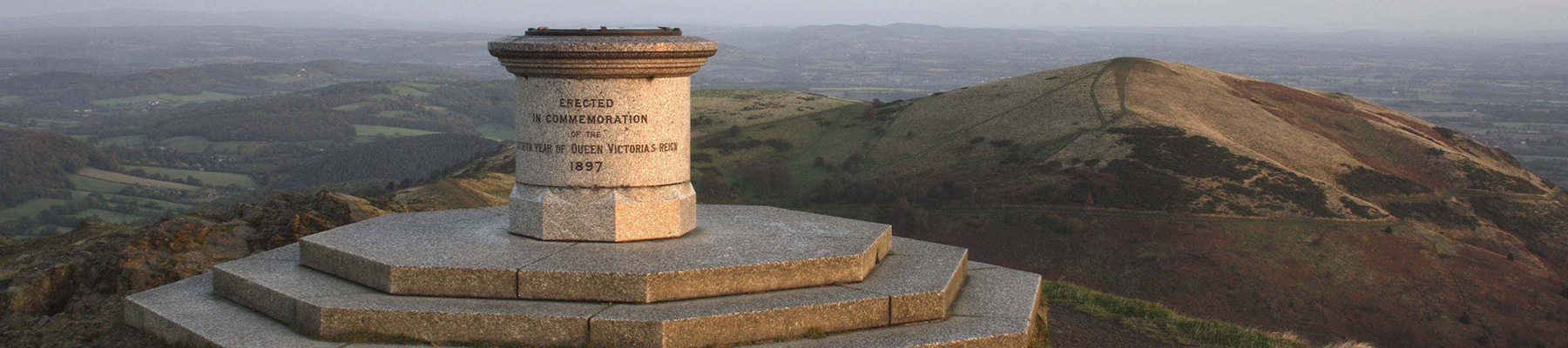
Worcestershire is a county of rolling hills, save for the flat Vale of Evesham in the east and the prominent spine of the Malverns in the west. Nearly all of the land is worked in some way; arable farming predominates – oilseed rape, cereals and potatoes – but there are concentrated areas of specific land uses, such as market gardening and plum growing.
Places to eat nearby View all



Nearby places to stay
View all (8)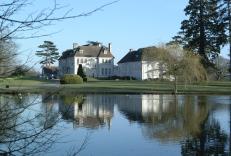






Nearby places to stay
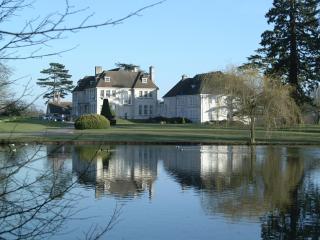
Brockencote Hall Country House Hotel
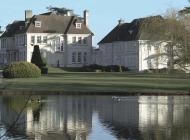
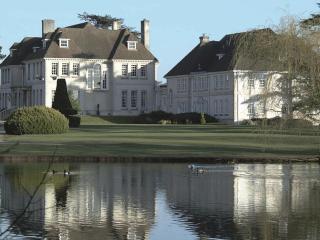
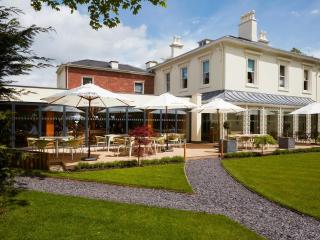
Brockencote Hall Hotel is a Victorian country manor house set in 70 acres of stunning parkland, complete with a scenic lake, tennis courts and dovecote. A fountain adorns the approach, ...
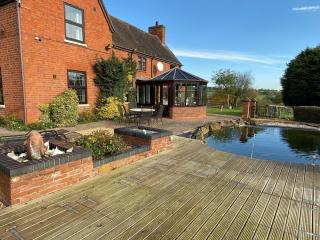
Alcott Farm
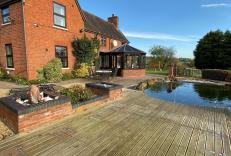
Hidden away in the leafy Worcestershire countryside is Alcott Farm. A long drive leads to this red-brick farmhouse which is surrounded by well-kept floral displays and extensive grounds...
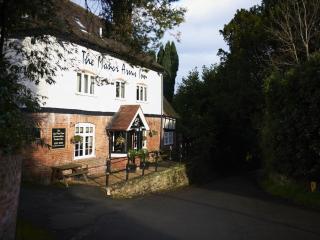
The Manor Arms
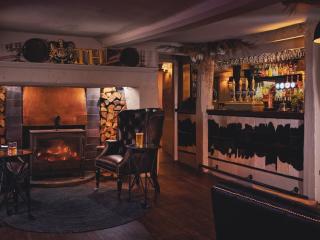
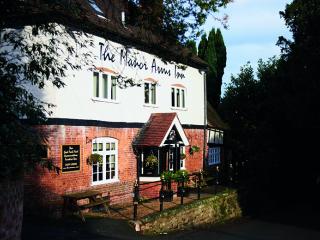
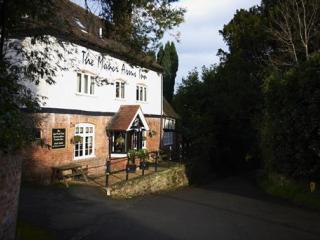
This charming inn enjoys a prominent position in the heart of the pretty village of Abberley and offers guests a range of high quality, stylish bedrooms; many have views of the rolling ...
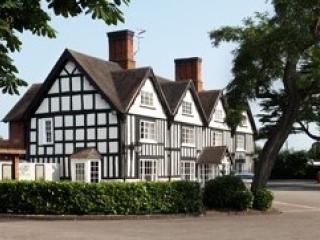
The Broom Hall Inn
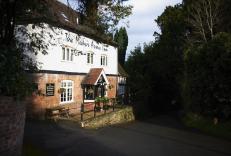
Broom Hall Inn is a former 16th-century farmhouse with many original features and modern charm. Set in a rural location away from the main roads yet within easy reach of Stratford-Upon-...
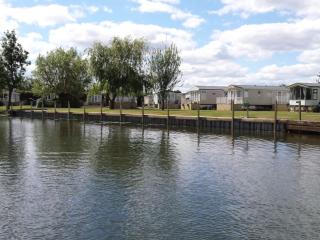
Rivermead Holiday Home Park
On the banks of the River Avon, Rivermead has a wide selection of new and used static holiday homes for sale on a range of plots. Close to the picturesque village of Wyre Piddle and cha...
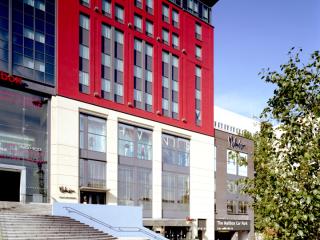
Malmaison Birmingham
The 'Mailbox' development, of which this stylish and contemporary hotel is a part, incorporates the very best in fashionable shopping outlets, an array of restaurants and ample parking....
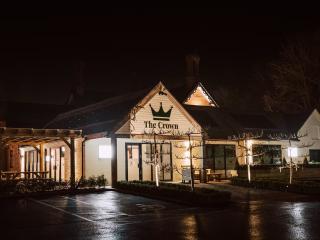
The Crown Inn Martley
The Crown, sitting in a charming Worcestershire village had a major refurb in 2024 but despite its contemporary style it hasn't lost its crucial "village pub" vibe. There is a cafe to t...
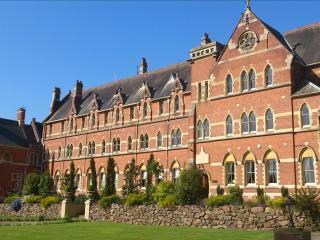
Stanbrook Abbey Hotel
Stanbrook Abbey is a beautiful hotel with parts dating back to the 16th century. As a former monastery, expect original architecture across the public areas which include stone cloister...