A New Forest walk from Fritham
Recommended by

Our view
"A peaceful New Forest hamlet reveals its explosive history."
Walk directions
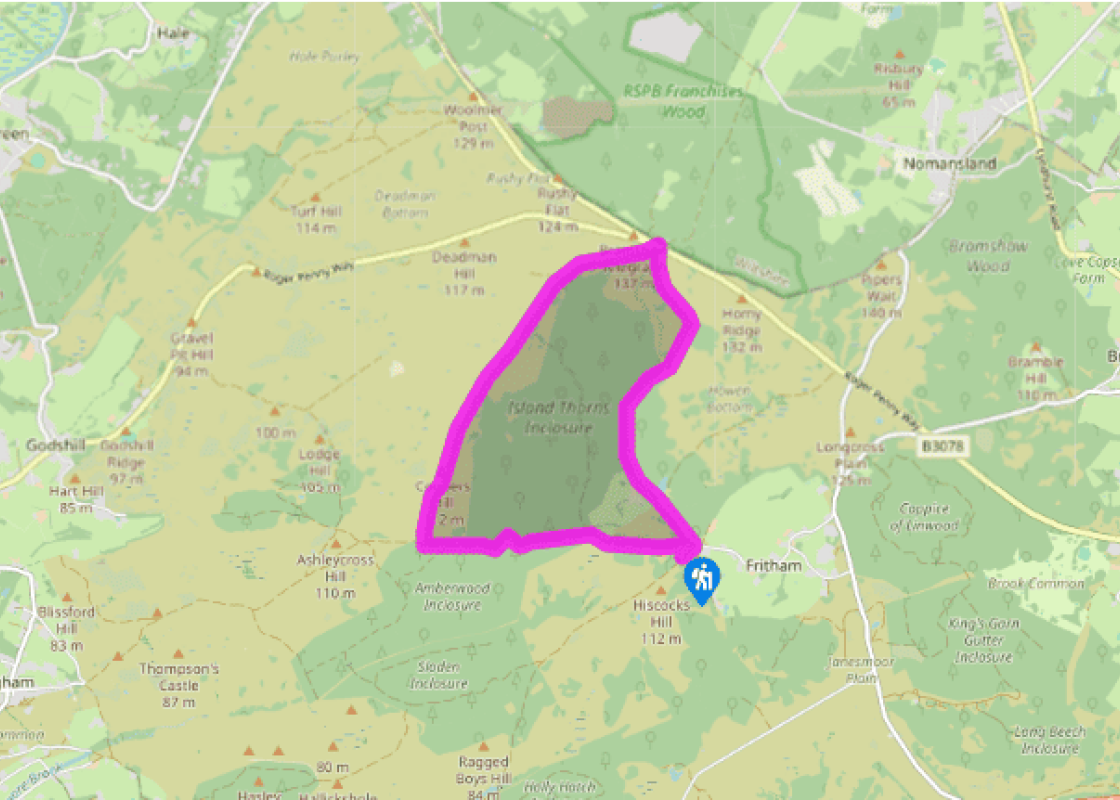
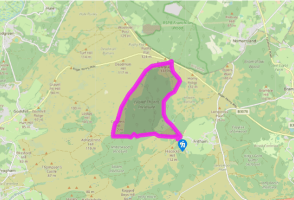
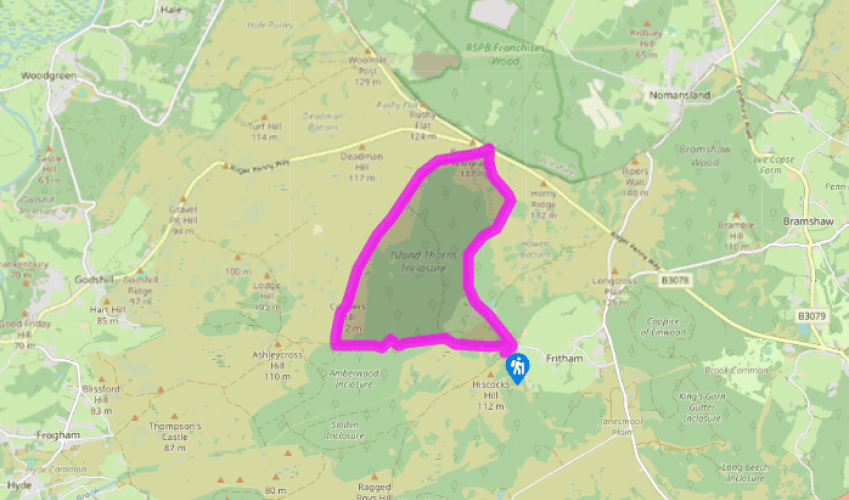
Turn left out of the car park and head downhill along the road.
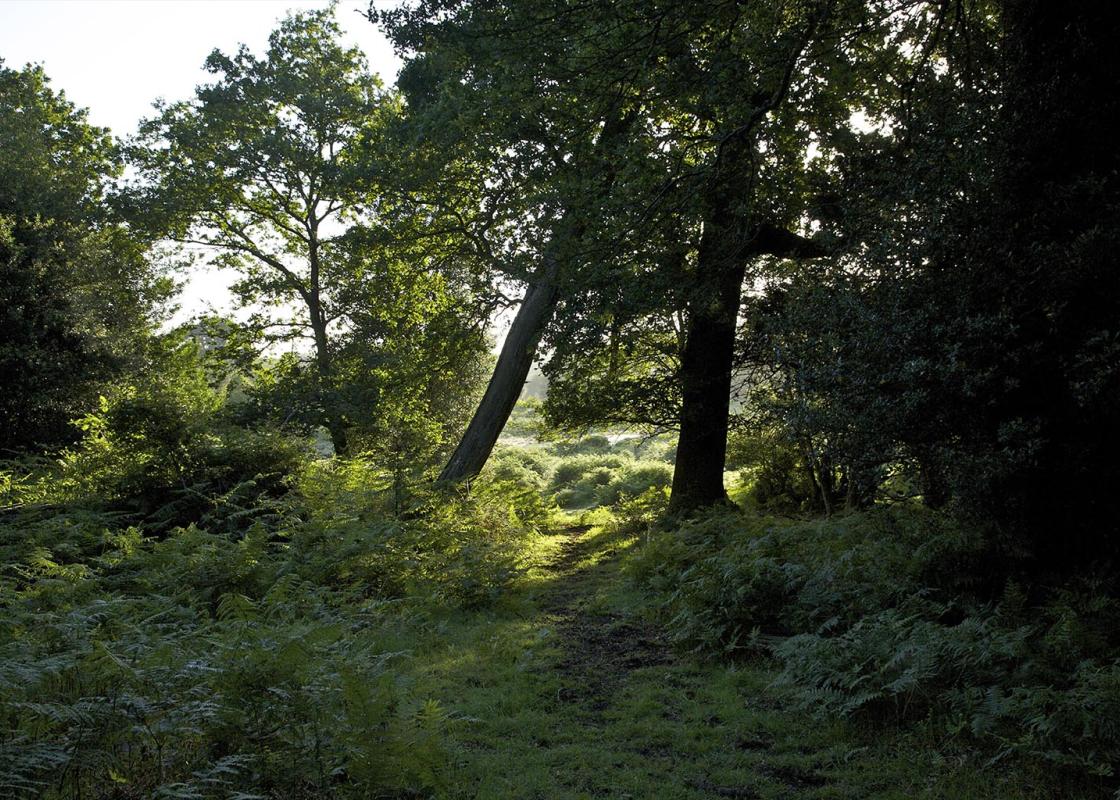
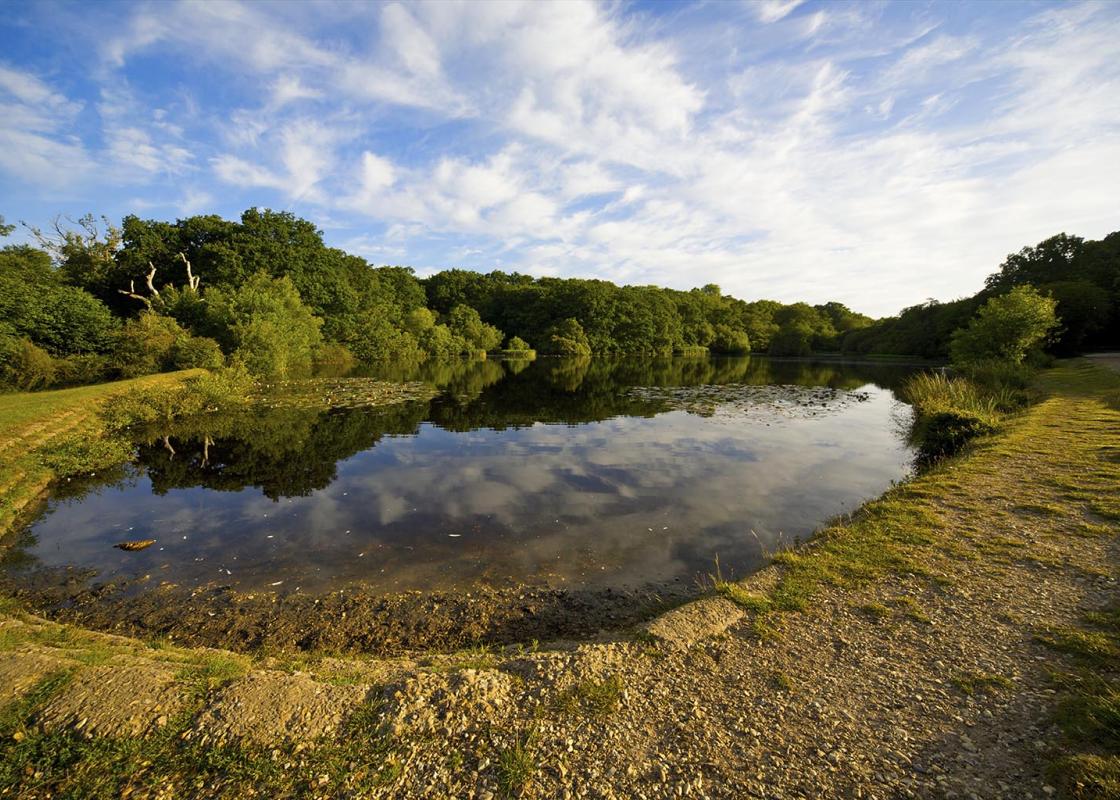
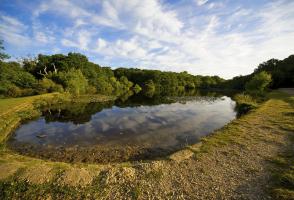
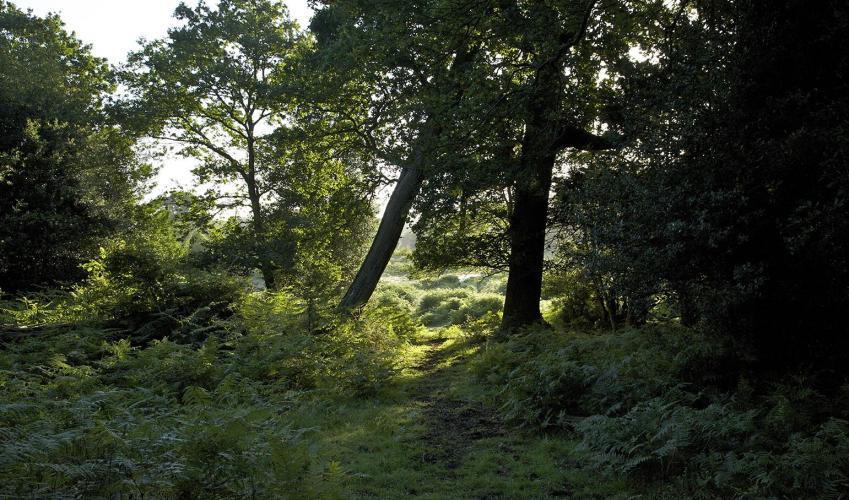
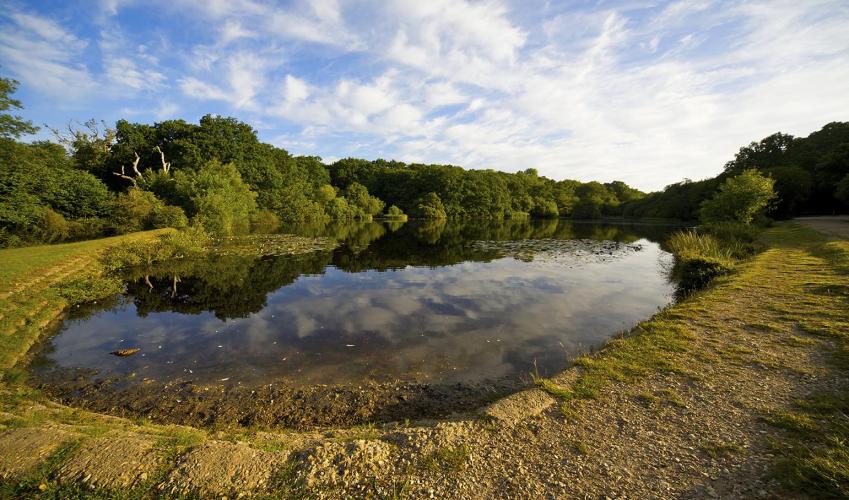
Keep ahead at the foot of the hill, crossing the bridge at Eyeworth Pond, and follow the short gravel track to a low wooden barrier at Oak Tree Cottage. Leave the barrier on your left, take the narrow but well defined path that heads north into Eyeworth Wood, and follow it for 0.5 miles 800m).
View all directions
Additional information
Terrain
- Gravel forest tracks, heathland and woodland paths
Landscape
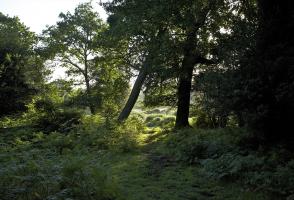
- Ancient woodland and open heathland
Dog friendliness
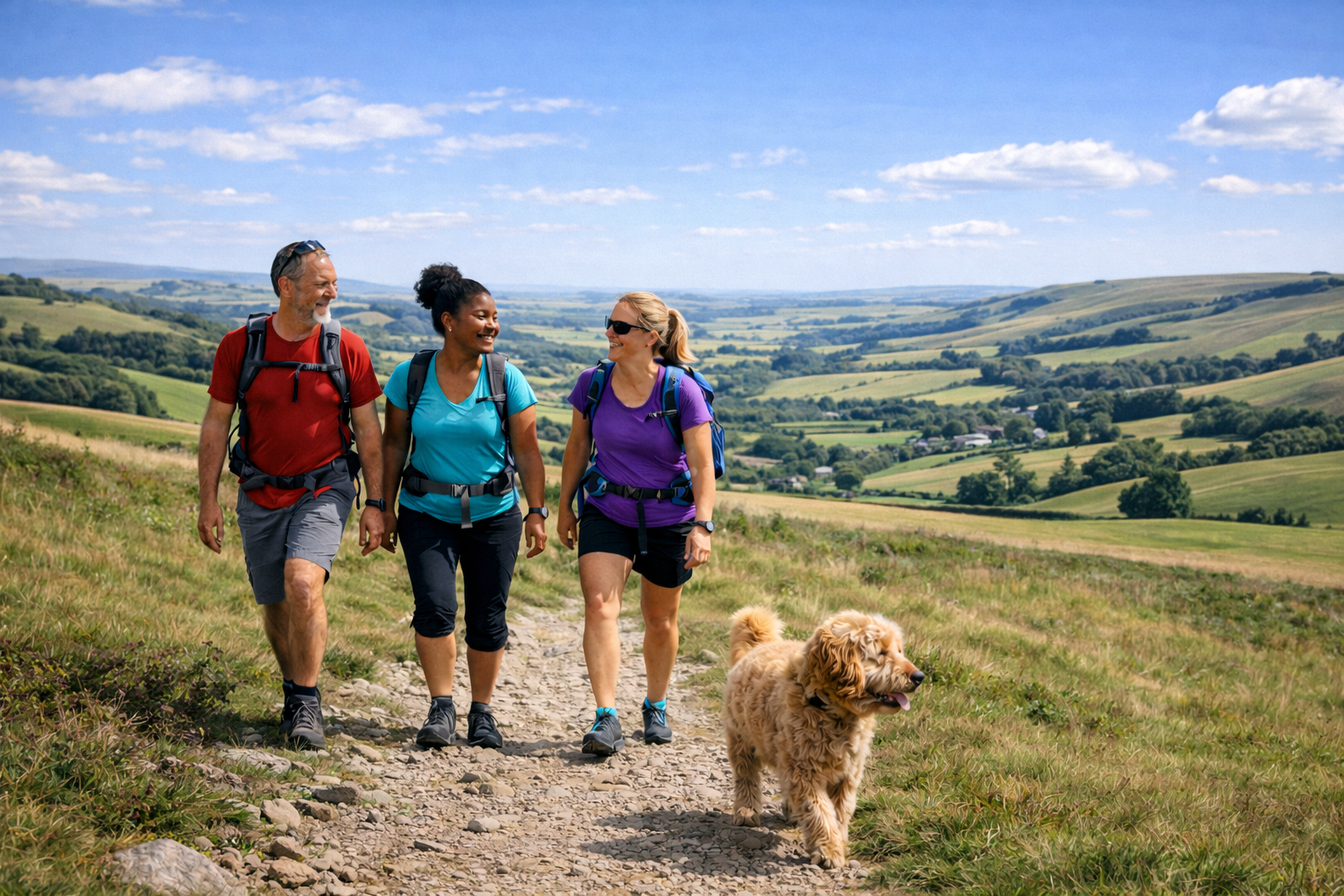
- Great for dogs, but keep under strict control around wildlife and cyclists
Parking
- Forestry Commission car park beyond Royal Oak
Toilets en route
- None on route
About the walk
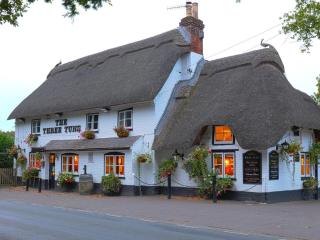
Fritham is an unspoilt commoning community nestling in a remote and peaceful enclave of pasture within the boundaries of the New Forest National Park. A scattering of cottages and farms, a chapel and a charming thatched pub are all that line the winding dead-end lane that leads straight on to the...
Read more

Been on this walk?
Send us photos or a comment about this route. Or recommend a route of your own.

Walking in Safety
Read our tips to look after yourself and the environment when following this walk.
Get an AA guide
Explore our range of ‘50 Walks in’ guides - they’re the ideal companion for a ramble.
Been on this walk?
Send us photos or a comment about this route. Or recommend a route of your own.
Walking in Safety
Read our tips to look after yourself and the environment when following this walk.
Get an AA guide
Explore our range of ‘50 Walks in’ guides - they’re the ideal companion for a ramble.
About the area
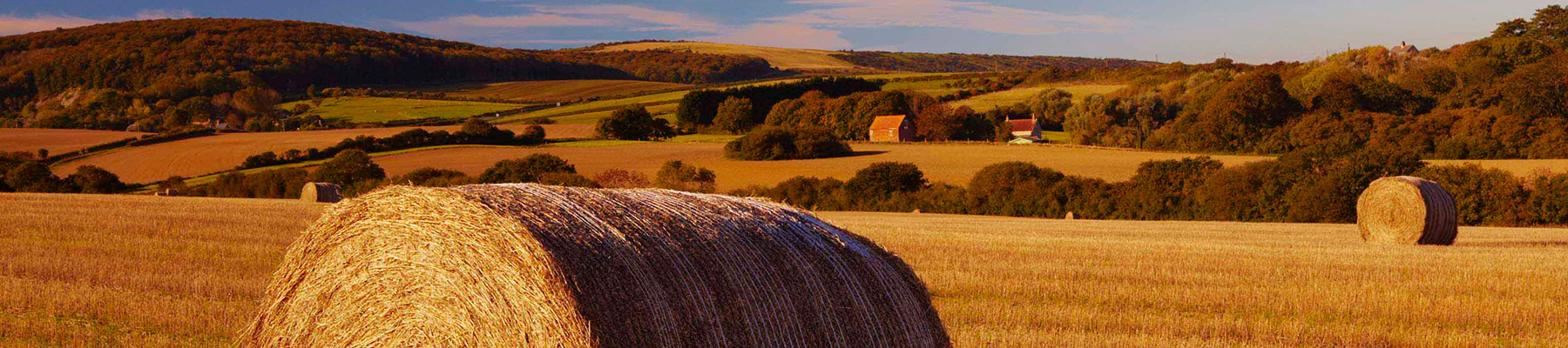
Hampshire’s varied landscape of hills and heaths, downlands and forests, valleys and coast are without rival in southern England. Hike across the chalk downland of the north Hampshire ‘highlands’, meander along peaceful paths through unspoilt river valleys of the Test, Itchen, Avon and Meon, or explore the lonely salt marshes and the beautiful medieval forest and heathland of the New Forest.
Nearby places to stay
View all (8)







Nearby places to stay
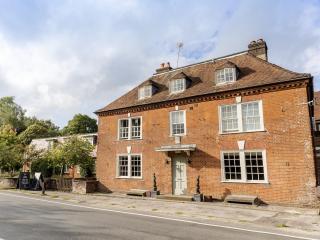
The Bell Inn
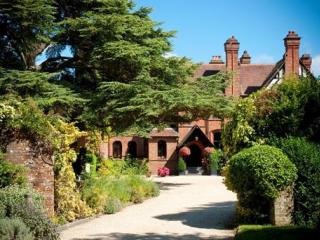
The Bell Inn, Lyndhurst, is part of the Bramshaw Golf Club and makes an ideal base for visiting the New Forest. Comfortable bedrooms have been appointed to a high standard. Public areas...
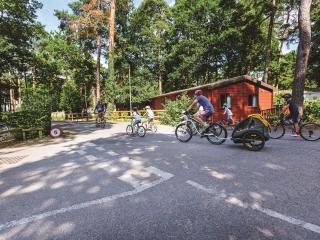
Sandy Balls Holiday Village
Nestled in the beautiful New Forest, Sandy Balls Holiday Village is a world away from the day-to-day. There are resident alpacas, family-friendly restaurants and a serene spa, along wit...
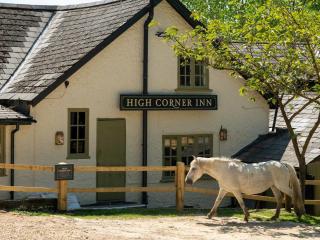
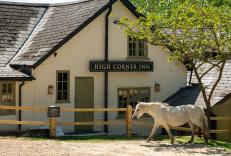
High Corner Inn
Approaching the High Corner Inn builds a sense of anticipation, discovering this wonderful location with wraparound New Forest countryside. There's a long history here and the inn is fu...
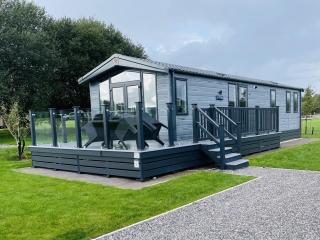
Green Hill Farm Holiday Village
Green Hill Farm is a delightful park, set deep in the countryside with all the peace and tranquillity that this has to offer. On offer is a number of accommodation types, from Shepherds...
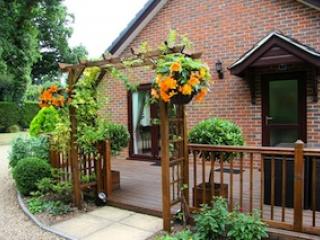
Wayside
This property is a modern, self-contained extension to the owner's residence with its own private outdoor spaces. It will comfortably accommodate a family of four or two couples. Locate...
Wayside Apartment
This property is a modern, self-contained extension to the owner's residence with its own private outdoor spaces. It will comfortably accommodate a family of four or two couples. Locate...
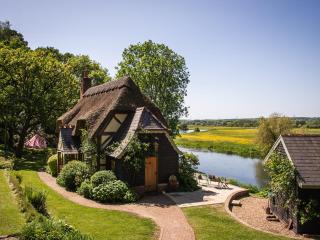
Undercastle Cottage
Undercastle cottage is a dog-friendly, luxury cottage in the New Forest that sleeps 4 to 6 people. It has sun terraces, lush gardens and 2,500m of private fishing on the Hampshire Avon....
Undercastle Cottage
Undercastle cottage is a dog-friendly, luxury cottage in the New Forest that sleeps 4 to 6 people. It has sun terraces, lush gardens and 2,500m of private fishing on the Hampshire Avon....
Places to eat nearby View all