Hod Hill and Hambledon hill
Recommended by

Walk directions
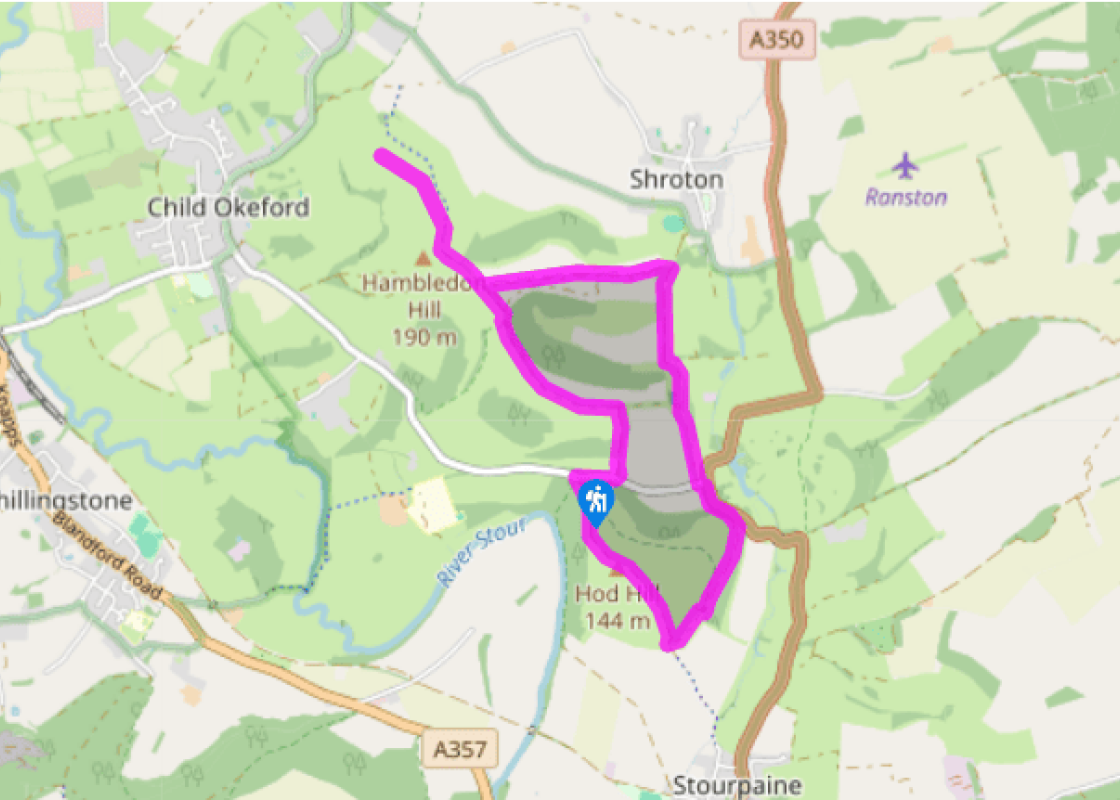
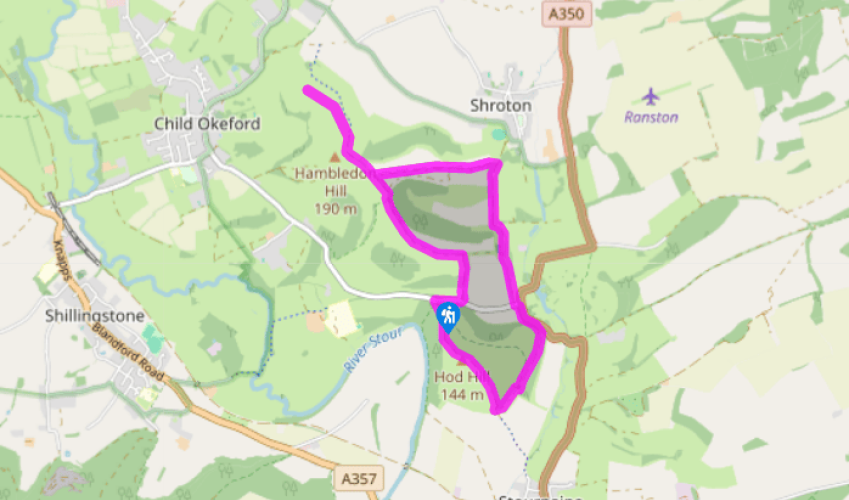
Of the several paths radiating behind the car park, take the one climbing left to a gate into the bottom corner of a field. Do not follow a sign to Hod Hill, but bear half right to climb beside the edge of a wood. Beyond a gate at the top, the path breaks through the ramparts and continues diagonally across a vast enclosure. Partway, it cuts through a lower earthwork, the boundary of the Roman fort sited in its northwest corner.
Reaching the far corner, drop through the defences towards a gate and stile. Turn left immediately before it on a path below the ramparts. A short way along turn through a gate to a chalk track below. To the left, it gently descends across the slope of the hill to end through a gate onto the main road. However, instead of passing through, bear left on a bridleway above the road. Pass through a gate into a field and head down to a gate near the bottom corner.
View all directions
Additional information
Terrain
- Field tracks and paths
Landscape
- Steeply rolling farmland
Dog friendliness
- On leads near grazing livestock
Parking
- Small car park beside minor road north of Hod Hill
Toilets en route
- None on route
About the walk
An irregular triangle of high ground overlooks the confluence of the River Iwerne with the Stour, their valleys splendidly isolating it from the downs on either side. There are actually two separate tops divided by a deep saddle, imposing a double ascent on any walk linking the two. But the climb...
Read more

Been on this walk?
Send us photos or a comment about this route. Or recommend a route of your own.

Walking in Safety
Read our tips to look after yourself and the environment when following this walk.
Get an AA guide
Explore our range of ‘50 Walks in’ guides - they’re the ideal companion for a ramble.
Been on this walk?
Send us photos or a comment about this route. Or recommend a route of your own.
Walking in Safety
Read our tips to look after yourself and the environment when following this walk.
Get an AA guide
Explore our range of ‘50 Walks in’ guides - they’re the ideal companion for a ramble.
About the area
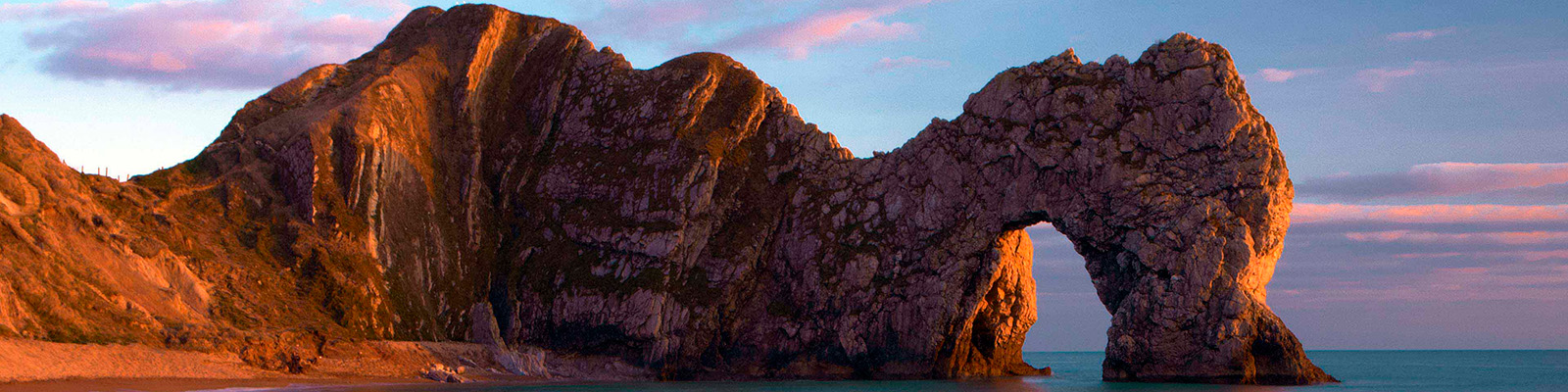
Dorset is made up of rugged coastlines, high chalk downlands and a chain of picturesque villages and seaside towns that make up Britain’s Jurassic Coast, a UNESCO World Heritage Site and Area of Outstanding Natural Beauty, noted for its layers of shale and numerous fossils embedded in the rock. Hidden gems of Dorset can be found down winding, country lanes that lead to snug villages hidden from view.
Nearby places to stay
View all (8)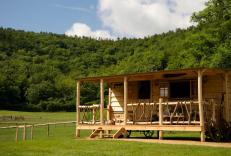

Nearby places to stay
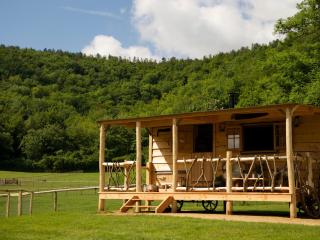
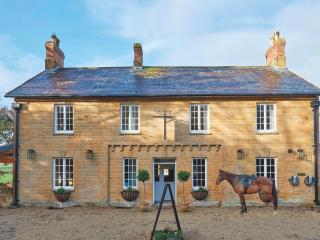
Loose Reins
A chance to embrace the pioneer spirit in charming frontier-style porched cedar cabins and canvas lodges in a great location near Shillingstone in Dorset. Comfort assured, with fully eq...
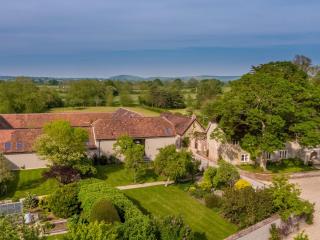
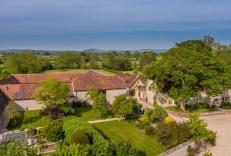
Hammoon Manor Barn
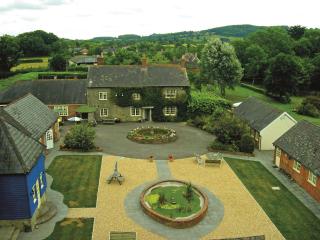
Hammoon Manor offers luxurious self-catering accommodation, located in the heart of Thomas Hardy’s ‘Vale of Little Dairies’ and two and a half hours from Central London. It's surrounded...
Hammoon Manor Barn
Hammoon Manor offers luxurious self-catering accommodation, located in the heart of Thomas Hardy’s ‘Vale of Little Dairies’ and two and a half hours from Central London. It's surrounded...
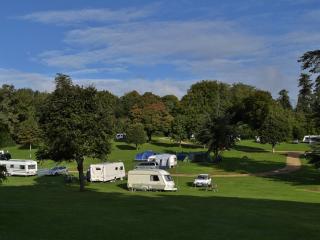
The Inside Park
The Inside Park has been established for over 30 years, and its secluded 14 acres of park and woodland sees a lot of return visitors. Containing many fine specimen trees, the park and i...
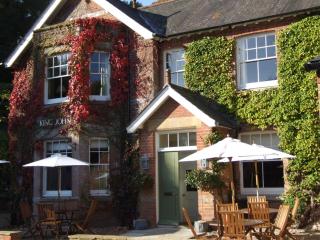
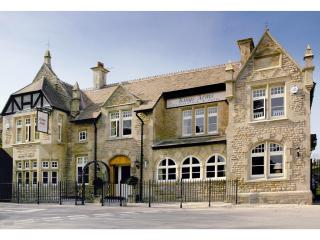
King John Inn
Very much the traditional village inn, the King John Inn has so much appeal, located in the sleepy village of Tollard Royal, on the borders of Wiltshire and Dorset. The bedrooms have be...
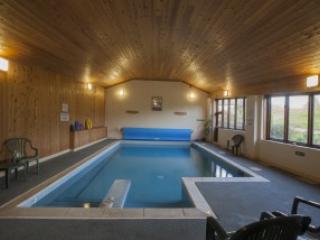
Luccombe Country Holidays
The 11 cottages that form Luccombe Country Holidays are located in a hidden valley tucked away deep in the Dorset countryside, close to the Jurassic Coast. Part of a 650-acre working fa...
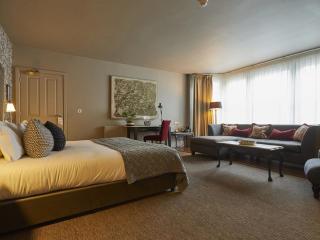
Grosvenor Arms
The Grosvenor Arms is a boutique hotel in Shaftesbury. With Georgian features, contemporary design, and fabulous seasonal menus, it is a quality place to eat, drink and stay in the anci...
Greygles
This lovely cottage will be a hit with literature buffs keen to explore the Dorset countryside immortalised by Thomas Hardy in his novels. It’s also in prime walking country, a mile fro...
Places to eat nearby View all