Winchelsea's land-locked port
"Explore a Cinque Port with a record of bad luck before following an historic line of defence."
Walk directions
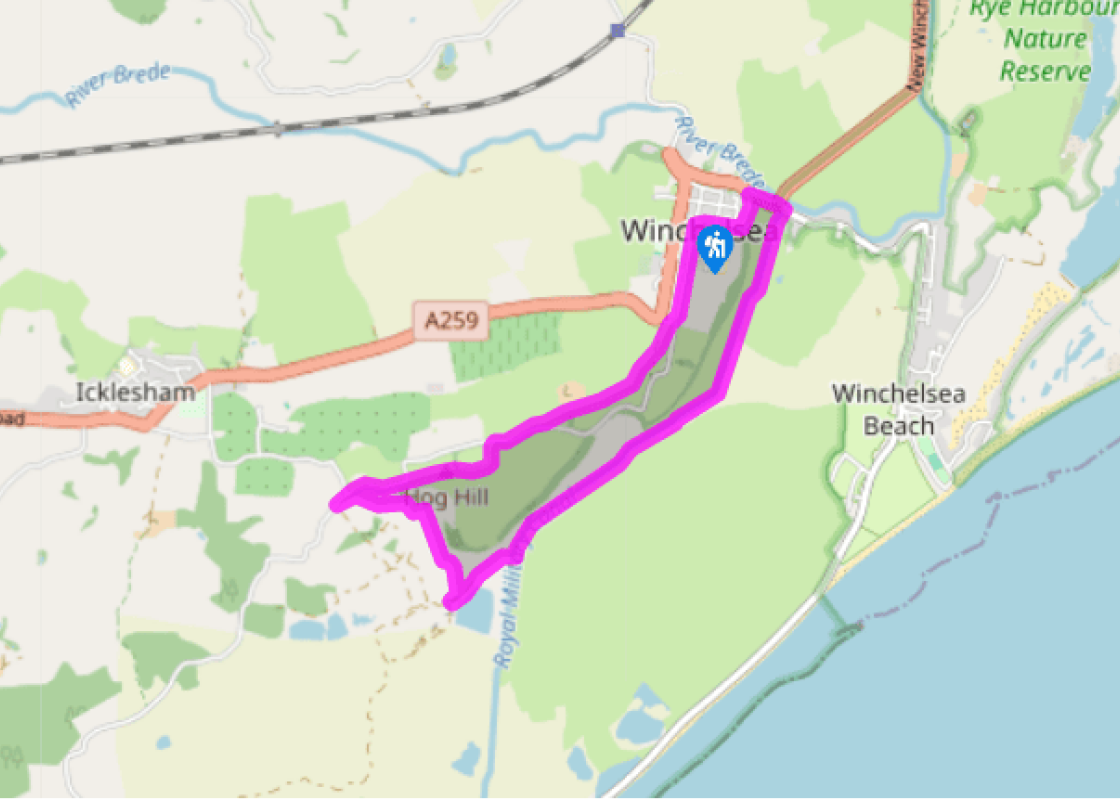
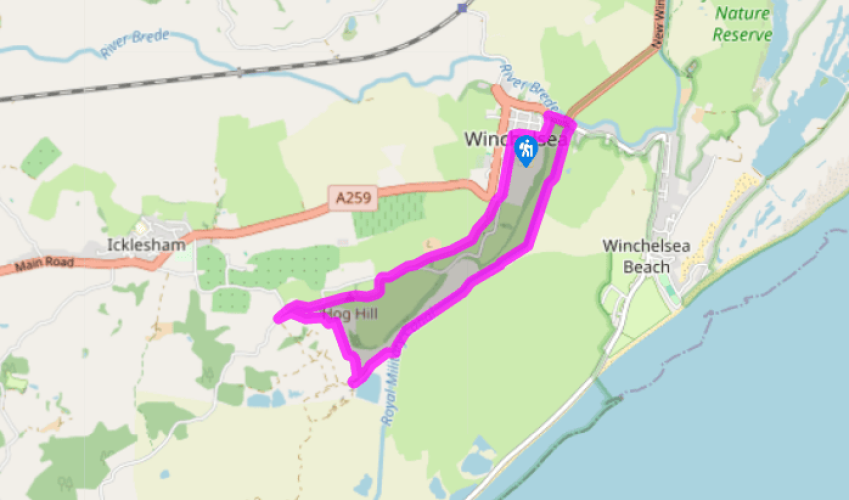
With The New Inn on your left, and St Thomas’s Church on your right, follow the road round the right-hand bend. Head down to Strand Gate, then take the road to the junction with the A259. Turn right and follow the pavement along.
When the road bends left, turn right into a road signed ‘Winchelsea Beach’. Just after crossing the Royal Military Canal, turn right. Follow the tow path across this empty landscape. At the first path junction, avoid the concrete footbridge. Eventually, the canal begins to curve left.
Just after the next pinch-gate, turn right over the footbridge, then take the left-hand footbridge and proceed alongside a water channel.
After two hides in quick succession on your left, cross a footbridge, keep right on the other side, then soon bear left and follow the path through the reed beds. Begin a moderate climb and head towards a house. Keep to the left of it and follow the path through the trees. This veers right in front of some private gates and up some steps to a stile; turn left along the field-edge to a kissing gate. Cross a drive, go through a gate and bear half right across the field to a stile buried in a hedge in the top corner. Continue on an overgrown path between fences, crossing two further stiles. Bear right to skirt the field to the next stile and exit to the road through a barely discernible gap in the hedge. Keep right here, signposted ‘Winchelsea’, and pass below the hilltop windmill, soon joining the 1066 Country Walk that comes in from the left and continues along the road.
Go straight ahead over a stile when the lane bends left, cross the field to a stile and keep along the left edge of two fields. Continue ahead down the gentle field slope.
Exit onto a road and turn right along it for a few paces to a stile on the left. Bear right, still on the 1066 Country Walk, and cross the next stile. Keep to the right of Wickham Manor and look for a stile in the far boundary. Cross the drive to a stile and keep ahead across the field to a kissing gate and a five-bar gate in the bottom left corner, to the left of the medieval New Gate. Follow the 1066 Country Walk waymarks. The path veers left of this hummocky field, eventually crossing a pair of stiles up on the right. Bear left in Chapel Field and begin a moderate ascent to a stone and wood stile beside a large remnant of medieval wall that once belonged to an almshouse called St John’s Hospital. Turn right at the road, follow it round to the left and return to the centre of Winchelsea.
Additional information
Terrain
- Field paths and pavements, several stiles
Landscape
- Mixture of marshland and undulating farmland
Dog friendliness
- On lead near birding hides and across farmland
Parking
- Roadside parking near St Thomas's Church at Winchelsea
Toilets en route
- On Monk’s Walk, Winchelsea
About the walk
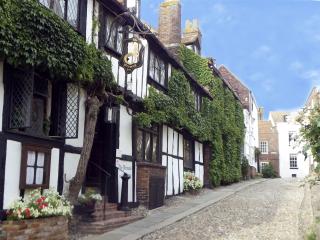
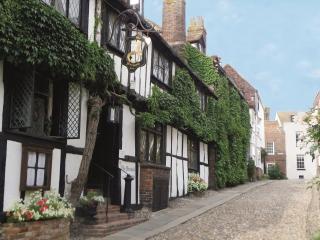
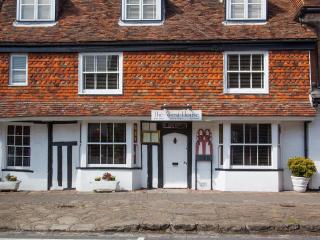
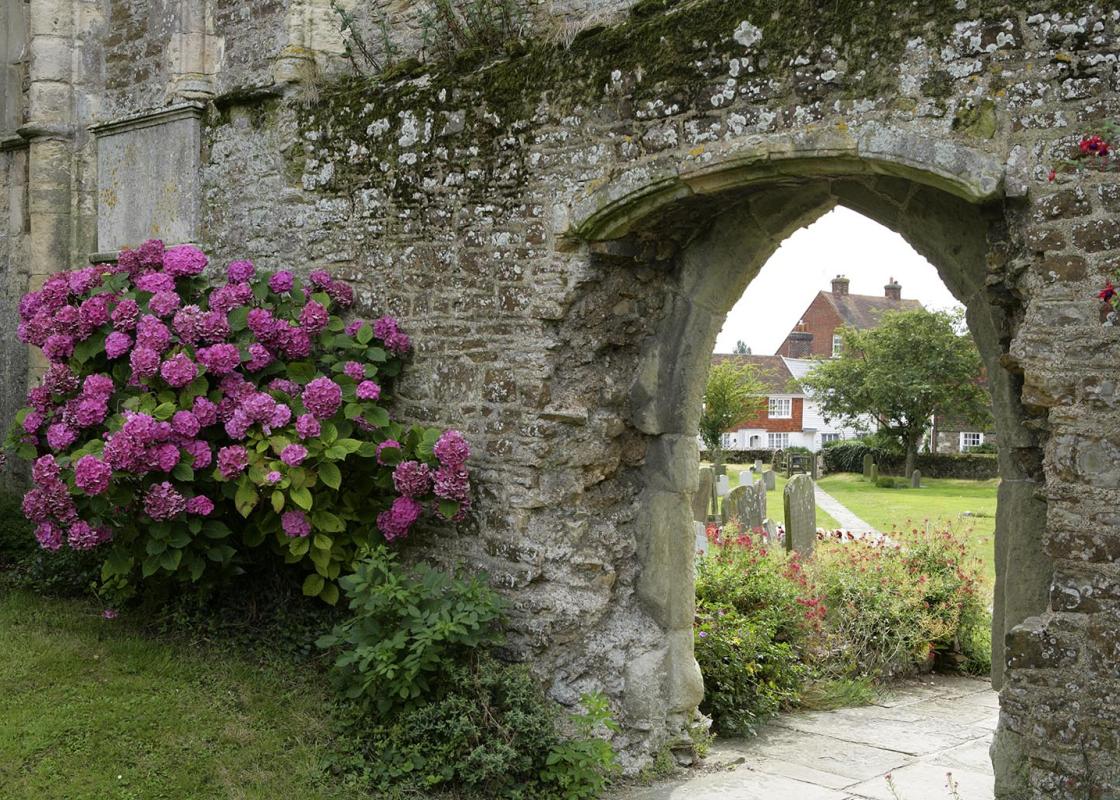
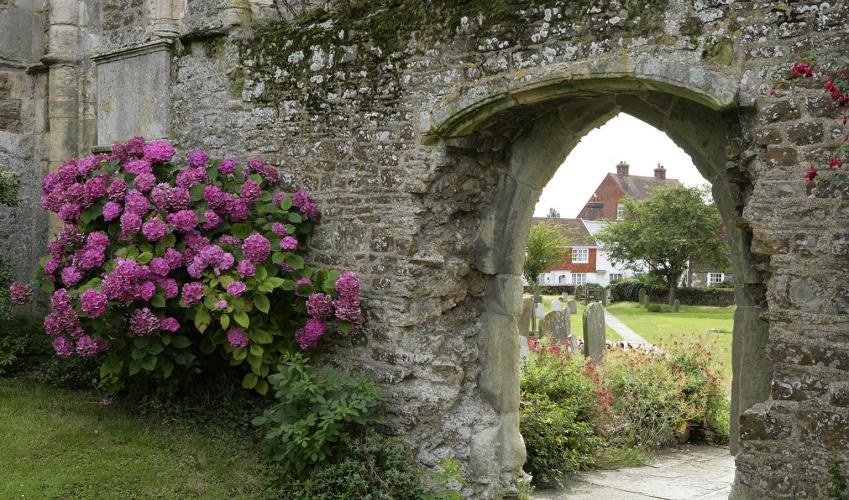
The story of Winchelsea is fascinating: surely nowhere else in the country can have fallen victim to fate in quite the same way. Looking at the town today, it is hard to believe it was once a thriving port, one of the most important on the south coast. It is one of seven Cinque Ports, characterised... by elegant houses and a grid of quiet streets, and became stranded when the sea receded, exposing a stretch of marshland. Now it lies more than a mile (1.6km) inland. This new town had replaced Old Winchelsea in the late 13th century, when it was inundated by the sea in a great storm in 1287. The older town now lies beneath the English Channel, out in Rye Bay. As the water encroached, the inhabitants built new homes on the hilltop, establishing themselves on higher ground. The new town was conceived and sited personally by Edward I, and, with its regular grid pattern, has long been acknowledged as perhaps the first example of medieval English town planning. Only a dozen of the proposed 39 grid squares were ever completed, and the ambitious plans for the new Winchelsea were eventually abandoned. Three gates, part of the original fortification, still survive, including Strand Gate with its four round towers. Many of the buildings seen today date from the 17th and 18th centuries, but a number are built over earlier medieval wine cellars. The town’s bad luck continued through the Middle Ages, when Winchelsea came under constant attack from the French and suffered heavy damage. The church, much of which was destroyed during the last raid of 1449, includes the tomb of Gervase Alard, England’s first admiral, as well as various monuments and a wall painting from the 14th century. Before starting the walk, take a leisurely tour round the town – the views from Strand Gate out towards the Channel are very impressive. This is a walk of two extremes. From Winchelsea’s lofty vantage point, you’ll descend to a bare, rather featureless landscape, skirting a flat expanse of water meadows known as Pett Level. The return leg is more undulating, with good views of both the coast and Winchelsea’s unspoiled hilltop setting.
Read more
Been on this walk?
Send us photos or a comment about this route. Or recommend a route of your own.

Walking in Safety
Read our tips to look after yourself and the environment when following this walk.
Get an AA guide
Explore our range of ‘50 Walks in’ guides - they’re the ideal companion for a ramble.
Been on this walk?
Send us photos or a comment about this route. Or recommend a route of your own.
Walking in Safety
Read our tips to look after yourself and the environment when following this walk.
Get an AA guide
Explore our range of ‘50 Walks in’ guides - they’re the ideal companion for a ramble.
About the area
East Sussex is a land of stately homes, castles and the South Downs, with miles of chalk cliffs overlooking the English Channel. For history buffs, there are a great many historic landmarks within Sussex, such as the battlefield where the Battle of Hastings took place, or visitors can enjoy pretty towns such as Lewes, Rye and Uckfield and the city of Brighton.
Nearby places to stay
View all (8)
Self-Catering
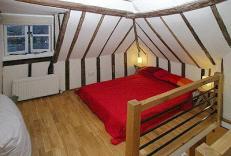
The Quarter House
★★★★
"Grade II listed apartment in the centre of Rye..."
- Washing machine
- Sky or freeview
- Linens provided
Self-Catering
The Quarter House
★★★★
"Grade II listed apartment in the centre of Rye..."
- Total units: 1
Nearby places to stay
The Quarter House
The Quarter House is two-storey property dating back to the 1700s and makes for a cosy spot from which to explore Rye. Visit the Rye Castle Museum and 14th-century Ypres Tower, take in ...
★★★★ Rating
The Quarter House
The Quarter House is two-storey property dating back to the 1700s and makes for a cosy spot from which to explore Rye. Visit the Rye Castle Museum and 14th-century Ypres Tower, take in ...
★★★★ Rating
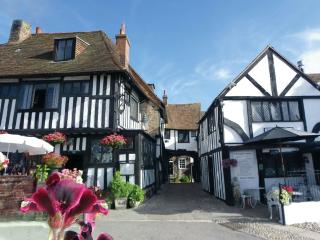
Mermaid Inn
Situated near the top of a cobbled side street, the Mermaid Inn is a famous smugglers' inn steeped in history, dating back to 1450 with 12th-century cellars. The charming interior has m...
★★★ Rating
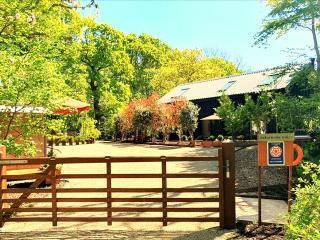
Benchwood House
Located in the High Weald Area of Outstanding Natural Beauty, Benchwood House, a former stable block, is now a modern, 2-bedroom rural woodland retreat, tucked away in an ancient woodla...
★★★★★ Rating
Benchwood House
Located in the High Weald Area of Outstanding Natural Beauty, Benchwood House, a former stable block, is now a modern, 2-bedroom rural woodland retreat, tucked away in an ancient woodla...
★★★★★ Rating
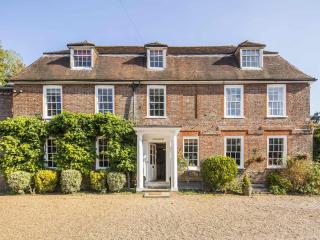
Flackley Ash Hotel
Flackley Ash is a cosy Georgian country house hotel, nestled deep in the Sussex countryside in the rural village of Peasmarsh. On offer are garden suites, four-poster rooms, an á la car...
★★★ Rating
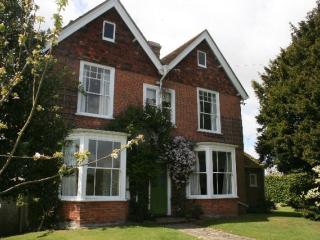
The Highlands
Only small, but Iden has a pub serving food, and a post office and general stores, so guests in this secluded Victorian holiday home won’t starve. The three-quarter acre garden has a ha...
★★★★ Rating
The Highlands
Only small, but Iden has a pub serving food, and a post office and general stores, so guests in this secluded Victorian holiday home won’t starve. The three-quarter acre garden has a ha...
★★★★ Rating
Places to eat nearby View all