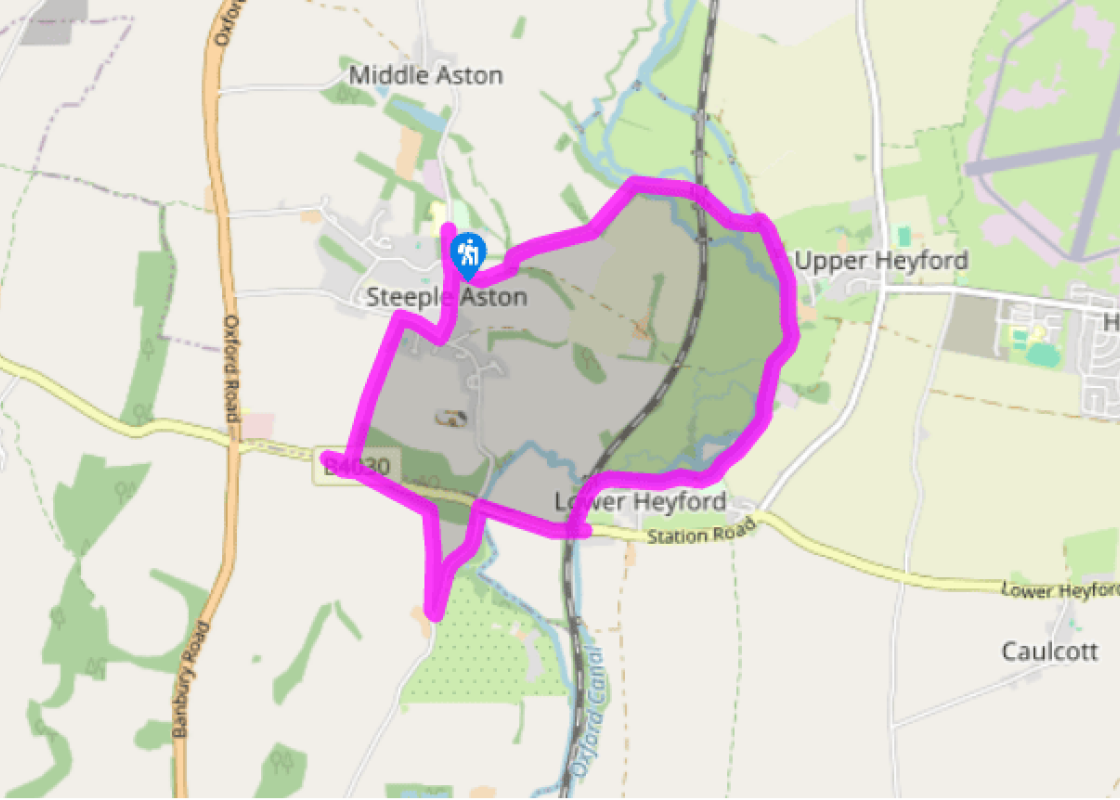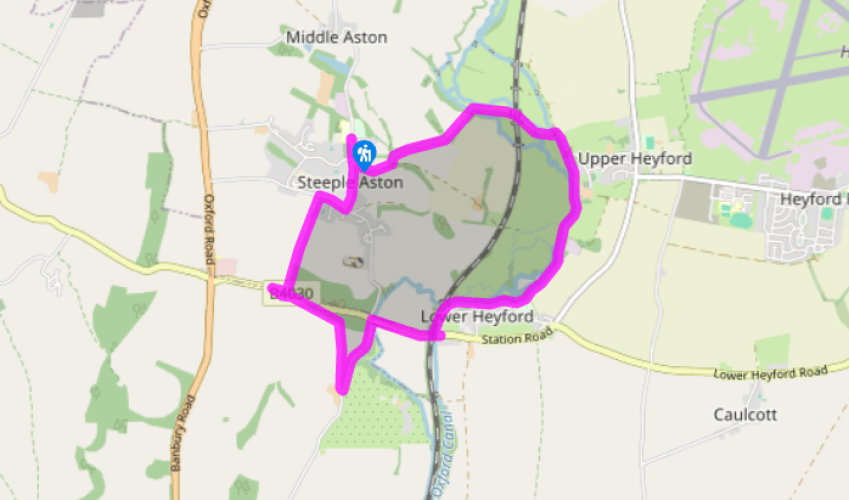
From the car park, turn left and walk down Paines Hill through the village of Steeple Aston to the T-junction. The post office is on the corner. Turn right into South Side and pass Jubilee Close. Carry on ahead until you see a tarmac drive on the left, opposite Palmer House.
Follow it as it dwindles to a track that heads south. When the track runs into a field, pass by a barn on your left and continue straight ahead on a waymarked path and make for a small gap in the hedgerow. Follow the path to the right through the undergrowth, across a stile and down into the next field. Keep the woodland tight on your left-hand side until you reach a stile and gate leading out to the road. Cross over and go up the bank, turning left at the top along a track beside the field. Follow the path through the trees to a stile leading into a large field. Cross this field diagonally, making for a gate by farm buildings. Exit to the road and turn right to visit Rousham House or left to continue the walk.

Follow the wall of the gardens along the road to the traffic lights and turn right. Cross the River Cherwell and look to your right for a splendid view of Rousham House framed by trees. Pass the entrance to Heyford railway station and follow the road over the railway and the Oxford Canal.
Double back on yourself by Canal Cottage, and follow the marked path back over the canal to join the towpath. Look for the tower of Lower Heyford church and keep ahead to a lift bridge, which allows access to the village. Continue on the towpath for a mile (1.6km), pass Allens Lock and make for bridge No 203. Ascend the steps immediately before this bridge, turn left across the red-brick river bridge, then veer right in the field to cross a low bridge (concrete slab) over a narrow water course.
Keep the water on your right passing a small weir and look for a railway embankment ahead. Pass under the railway bridge and cross the field to a wooden footbridge with a metal gate set against a curtain of trees, cross the stream. Go up the bank and the field slope towards trees in the top boundary. Cut through the trees into the next field, keeping right here. Follow the boundary down, with the field on your left and the trees on your right, to a track and turn right. Head up to the edge of Steeple Aston, emerging in Cow Lane. Turn right, passing the church on your left, and return to the car park at the start.
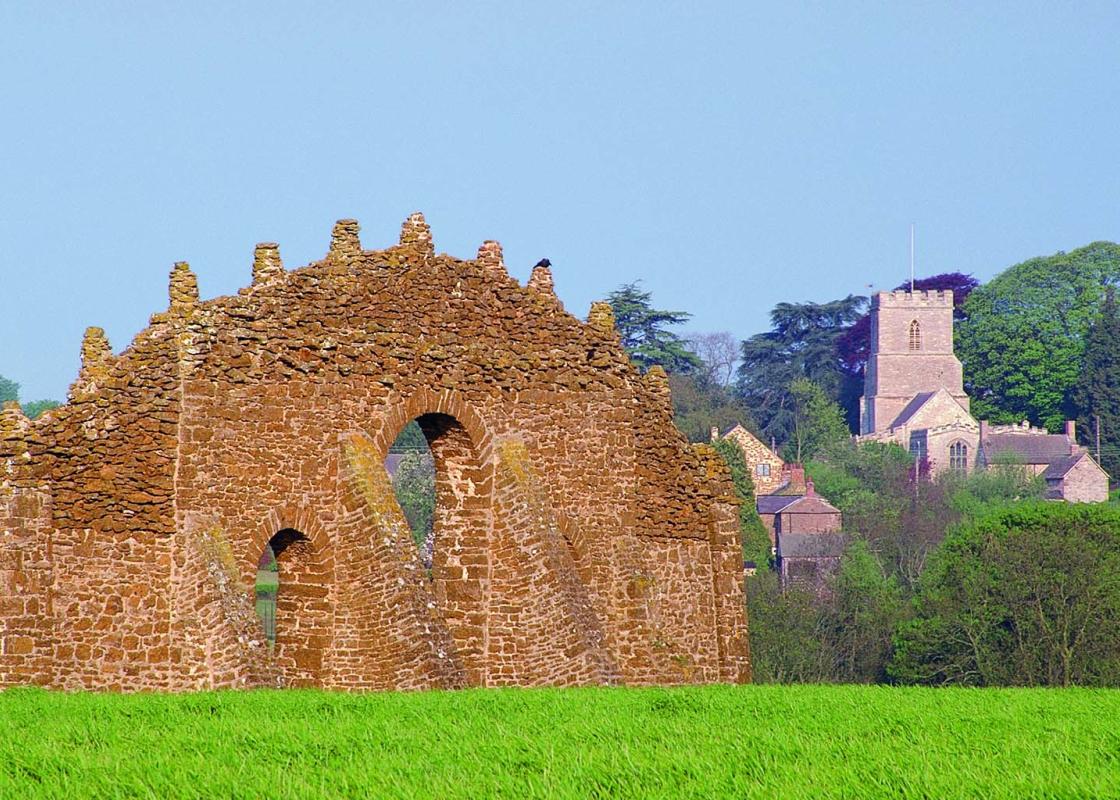
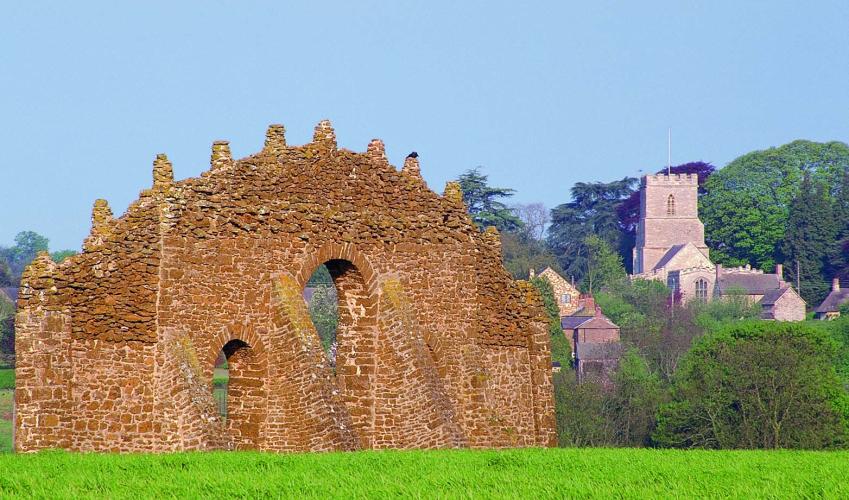
The lovely Cherwell Valley is the perfect setting for this splendid mansion. Built by Sir Robert Dormer in 1635, on an H-plan, the house was remodelled by William Kent just over 100 years later with an air of free Gothic style about it. Kent was a coach-painter’s apprentice who became an architect... and landscape gardener. He designed the treasury building in Whitehall and Horse Guards, in London. The garden at Rousham is a lasting monument to the work of Kent and a fine example of English landscape design. Here, the River Cherwell flows through 30 acres (12ha) of garden, which has more than a hint of the Italianate. Among the many features are cascades and ponds, groves, the Temple of Echo and the seven-arched portico known as Praeneste. No wonder Horace Walpole called it ‘Kentissimo’. A peaceful stroll along Long Walk is one of Rousham’s most popular attractions, and inside the house there are many treasures too, including a panelled oak chamber and a painted parlour, originally a small 17th-century kitchen. As you leave Rousham, walk along to the church located in a peaceful setting a short distance from the main house. Enter the churchyard and at once there is a poignant reminder of the sheer futility of war. On the right are the graves of members of the Cottrell-Dormer family of Rousham House, killed during World War I.
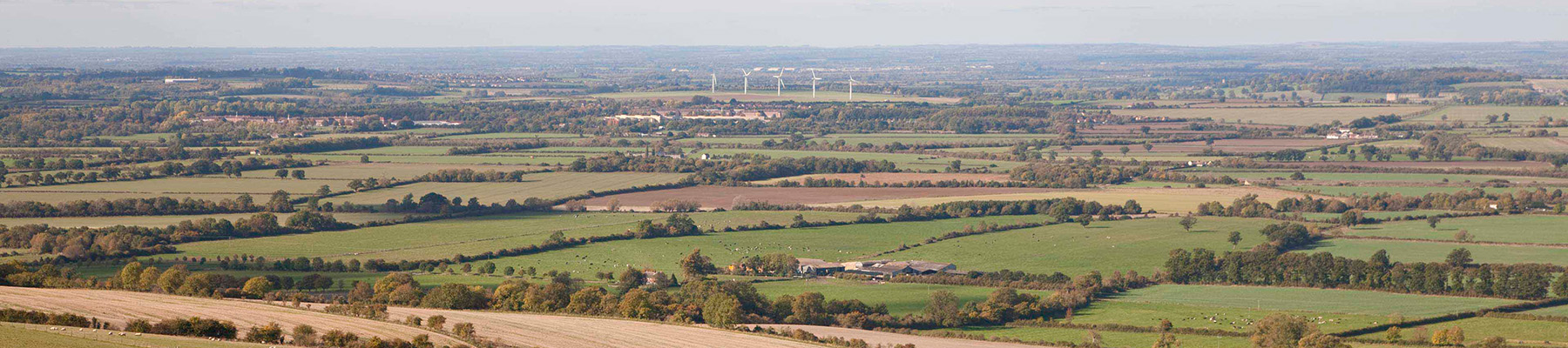
Located at the heart of England, Oxfordshire enjoys a rich heritage and varied scenery, with Oxford’s elegant streets a highlight for visitors. The landscape encompasses open chalk downland, picturesque rivers and attractive villages, while northwest of Oxfordshire is home to the sleepy backwaters of Abingdon, Wallingford, Wantage, Watlington and Witney that reveal how Oxfordshire’s old towns evolved over the centuries.
From the car park, turn left and walk down Paines Hill through the village of Steeple Aston to the T-junction. The post office is on the corner. Turn right into South Side and pass Jubilee Close. Carry on ahead until you see a tarmac drive on the left, opposite Palmer House.
1 of 5
Follow it as it dwindles to a track that heads south. When the track runs into a field, pass by a barn on your left and continue straight ahead on a waymarked path and make for a small gap in the hedgerow. Follow the path to the right through the undergrowth, across a stile and down into the next field. Keep the woodland tight on your left-hand side until you reach a stile and gate leading out to the road. Cross over and go up the bank, turning left at the top along a track beside the field. Follow the path through the trees to a stile leading into a large field. Cross this field diagonally, making for a gate by farm buildings. Exit to the road and turn right to visit Rousham House or left to continue the walk.
2 of 5
Follow the wall of the gardens along the road to the traffic lights and turn right. Cross the River Cherwell and look to your right for a splendid view of Rousham House framed by trees. Pass the entrance to Heyford railway station and follow the road over the railway and the Oxford Canal.
3 of 5
Double back on yourself by Canal Cottage, and follow the marked path back over the canal to join the towpath. Look for the tower of Lower Heyford church and keep ahead to a lift bridge, which allows access to the village. Continue on the towpath for a mile (1.6km), pass Allens Lock and make for bridge No 203. Ascend the steps immediately before this bridge, turn left across the red-brick river bridge, then veer right in the field to cross a low bridge (concrete slab) over a narrow water course.
4 of 5
Keep the water on your right passing a small weir and look for a railway embankment ahead. Pass under the railway bridge and cross the field to a wooden footbridge with a metal gate set against a curtain of trees, cross the stream. Go up the bank and the field slope towards trees in the top boundary. Cut through the trees into the next field, keeping right here. Follow the boundary down, with the field on your left and the trees on your right, to a track and turn right. Head up to the edge of Steeple Aston, emerging in Cow Lane. Turn right, passing the church on your left, and return to the car park at the start.
The lovely Cherwell Valley is the perfect setting for this splendid mansion. Built by Sir Robert Dormer in 1635, on an H-plan, the house was remodelled by William Kent just over 100 years later with an air of free Gothic style about it. Kent was a coach-painter’s apprentice who became an architect... and landscape gardener. He designed the treasury building in Whitehall and Horse Guards, in London. The garden at Rousham is a lasting monument to the work of Kent and a fine example of English landscape design. Here, the River Cherwell flows through 30 acres (12ha) of garden, which has more than a hint of the Italianate. Among the many features are cascades and ponds, groves, the Temple of Echo and the seven-arched portico known as Praeneste. No wonder Horace Walpole called it ‘Kentissimo’. A peaceful stroll along Long Walk is one of Rousham’s most popular attractions, and inside the house there are many treasures too, including a panelled oak chamber and a painted parlour, originally a small 17th-century kitchen. As you leave Rousham, walk along to the church located in a peaceful setting a short distance from the main house. Enter the churchyard and at once there is a poignant reminder of the sheer futility of war. On the right are the graves of members of the Cottrell-Dormer family of Rousham House, killed during World War I.
Located at the heart of England, Oxfordshire enjoys a rich heritage and varied scenery, with Oxford’s elegant streets a highlight for visitors. The landscape encompasses open chalk downland, picturesque rivers and attractive villages, while northwest of Oxfordshire is home to the sleepy backwaters of Abingdon, Wallingford, Wantage, Watlington and Witney that reveal how Oxfordshire’s old towns evolved over the centuries.