Shap Abbey and Rosgill
Recommended by

Our view
"The quiet Lowther Valley was once the domain of an austere order of canons."
Walk directions
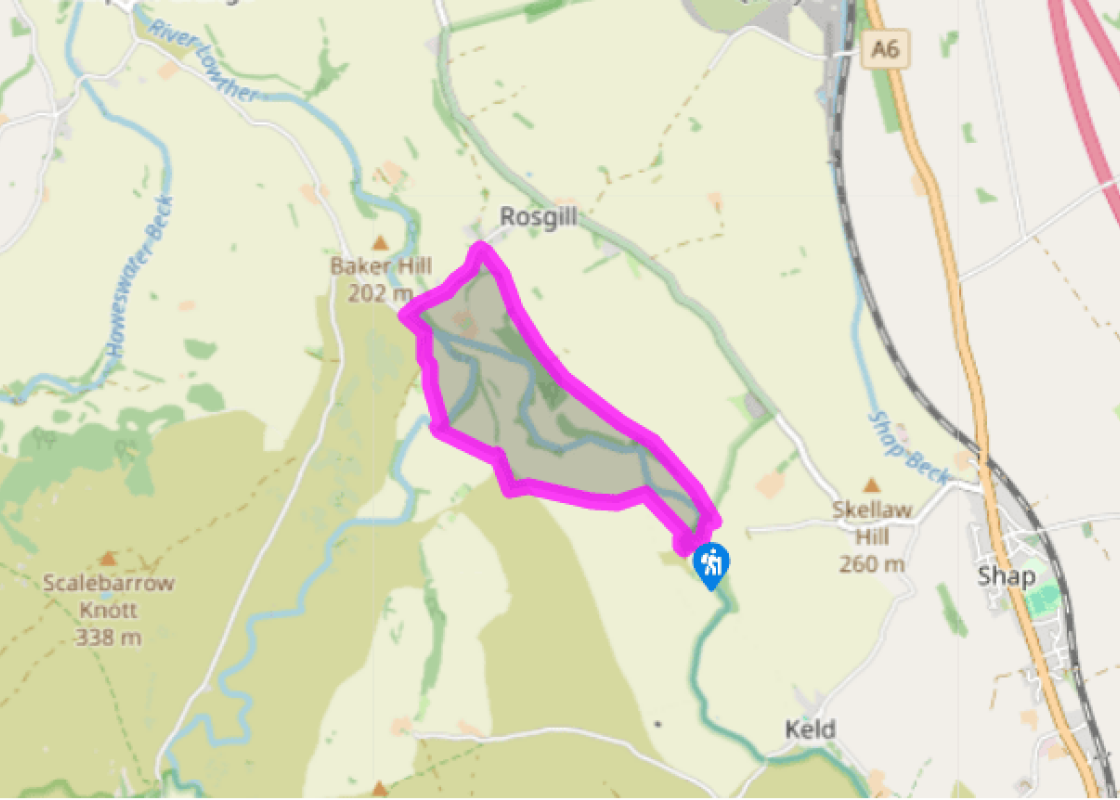
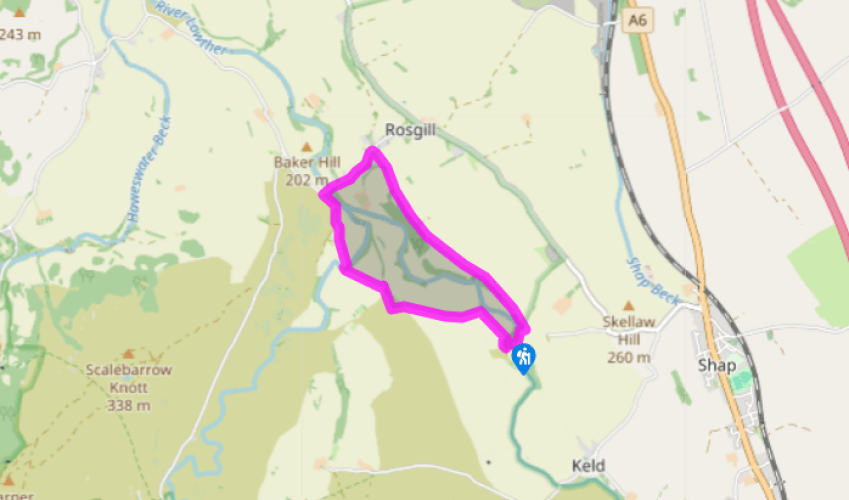
From the little car park, walk over the ancient bridge and through the wider of the two gates on the other side. To visit the abbey ruins, keep straight on here, making for the entrance beneath the tower. Otherwise turn immediately right, up the bank to a gate and follow the riverside path beyond, rounding the river bend before striking off left across the field. A faint field path heads for a gate in the wall ahead. As you go through this you’ll see the ongoing route, down into a dip then over a shoulder. Beyond the brow, keep to the right of the wall. As it bends left, maintain your direction to reach a stile. Cross and continue on a faint field path to a stile beside a gate. Cross this to reach a surfaced farm track.
Turn right, then as the path bends left, leave it for a small gate beside some tumbledown farm buildings on the right. On the far side of the old farmyard a stone stile leads through the wall. Head half left down the field towards a ence corner. Some steps lead to the gate at Parish Crag Bridge.
View all directions
Additional information
Terrain
- Mostly grassy paths and tracks, 7 stiles
Landscape
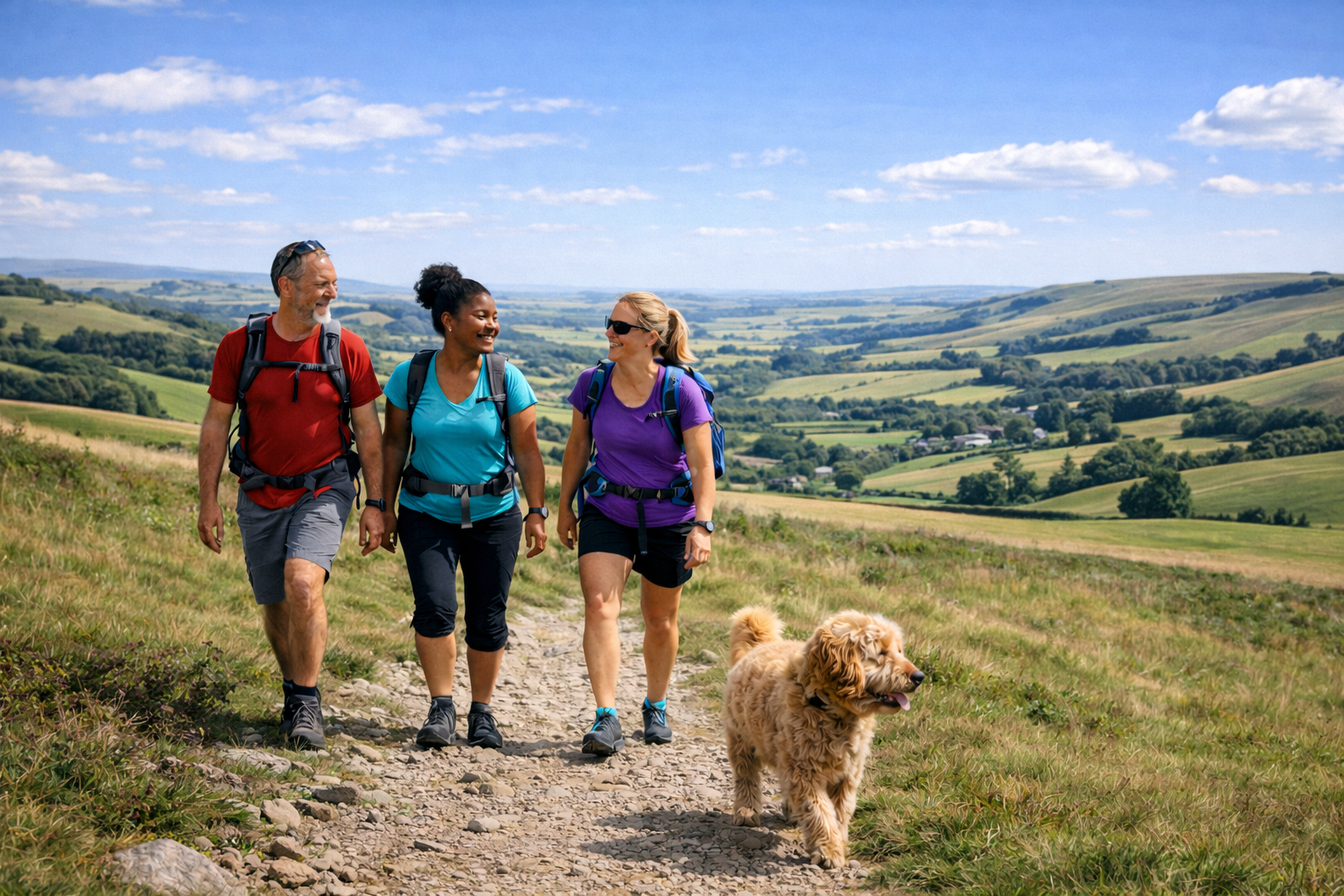
- Fields and valley
Dog friendliness
- Most fields grazed by sheep, so care must be exercised
Parking
- Parking area at Shap Abbey, follow signs from A6 in Shap village
Toilets en route
- None on route, nearest in Shap village (1 mile/1.6km)
About the walk
The Premonstratensians came to ‘Hepp’ (meaning ‘heap’) in 1199, from a site near Kendal at Preston Patrick. They craved solitude and austerity, and by the banks of the River Lowther they found both. The white-coated canons (they weren’t actually monks) set about building a church and developing the...
Read more
Been on this walk?
Send us photos or a comment about this route. Or recommend a route of your own.

Walking in Safety
Read our tips to look after yourself and the environment when following this walk.
Get an AA guide
Explore our range of ‘50 Walks in’ guides - they’re the ideal companion for a ramble.
Been on this walk?
Send us photos or a comment about this route. Or recommend a route of your own.
Walking in Safety
Read our tips to look after yourself and the environment when following this walk.
Get an AA guide
Explore our range of ‘50 Walks in’ guides - they’re the ideal companion for a ramble.
About the area
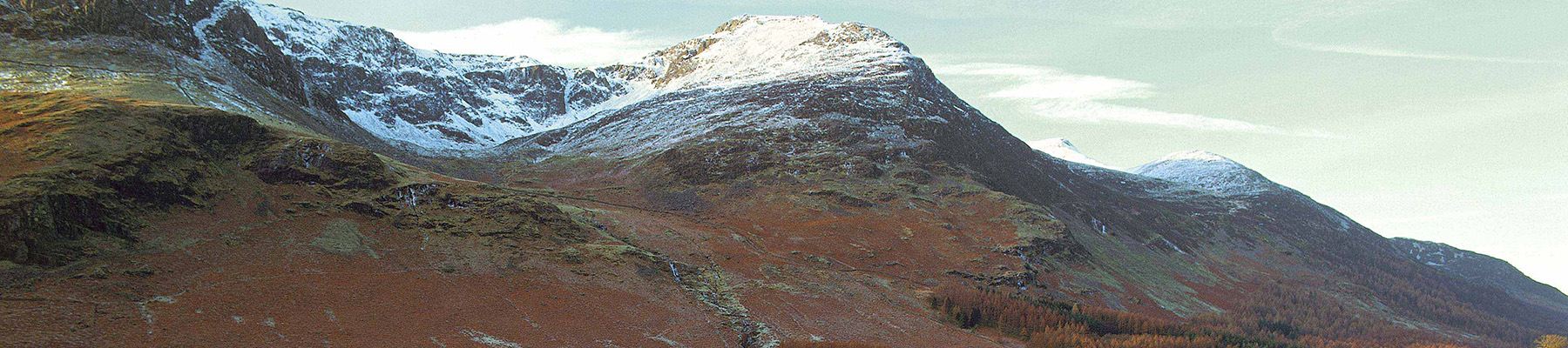
Cumbria's rugged yet beautiful landscape is best known for the Lake District National Park that sits within its boundaries. It’s famous for Lake Windermere, England’s largest lake, and Derwent Water, ‘Queen of the English Lakes', but other lesser-known areas in the south, such as the Lune Valley and the coastal towns, are secret gems of wide cobbled streets and rolling hills.
Nearby places to stay
View all (8)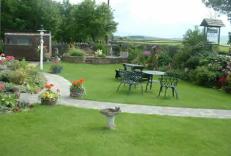





Nearby places to stay
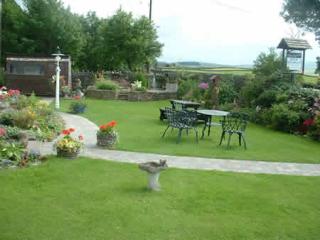
Brookfield House
Set in a peaceful rural location yet conveniently close to the M6, Brookfield House is surrounded by well-tended, attractive gardens. Bedrooms are comfortable, thoughtfully appointed, a...
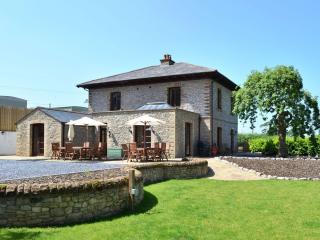
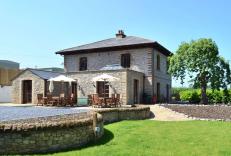
Strickland Manor
Strickland Manor, set in a small village in the Eden Valley, is a property eminently suitable for family gatherings and large walking groups. Recent total renovation and refurbishment h...
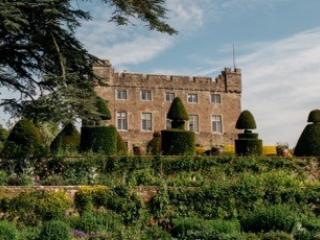
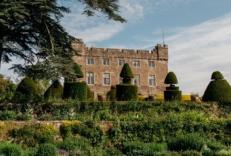
Askham Hall
Askham Hall sits on the edge of the Lake District surrounded by majestic Cumbrian countryside. This Grade I listed building dates back to the 14th century and only the restaurant is a m...
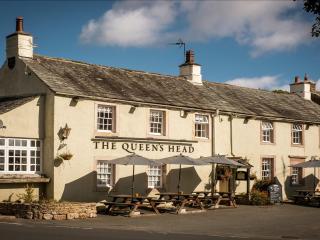
Queen's Head
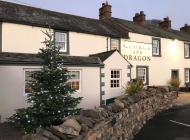
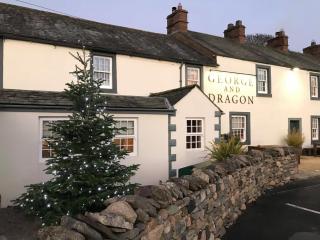
The Queens head is part of the Askham collection, which includes the eponymous hall and the George and Dragon. The historical estate is impressive and guests can visit Lowther Castle ne...
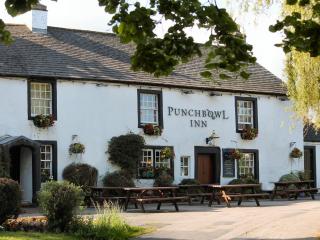
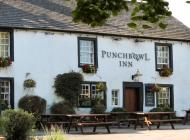
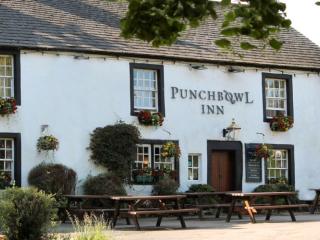
The Punchbowl Inn, Askham
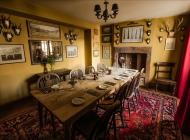
An idyllic Lakeland village is the setting for The Punchbowl Inn, which retains much of its original character, with low oak beams and stone floors. The restaurant to the rear is more c...
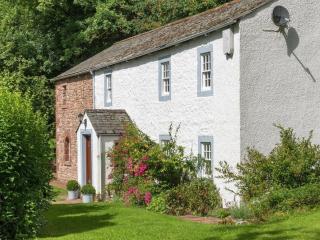
Well Tree
Awaiting description...
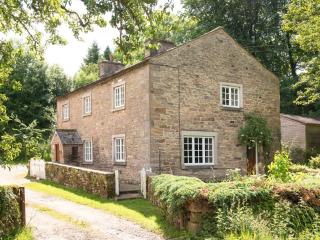
Steele's Mill
Awaiting description...
Well Tree Cottage and Steele's Mill
Lyvennet Cottage and Steele Mill are located in the Lyvennet Valley, and are a great place to escape to. Kings Meaburn village is ideally situated for exploring the Eden Valley, the Lak...
Places to eat nearby View all