Old Winchester Hill National Nature Reserve
Recommended by


Overview
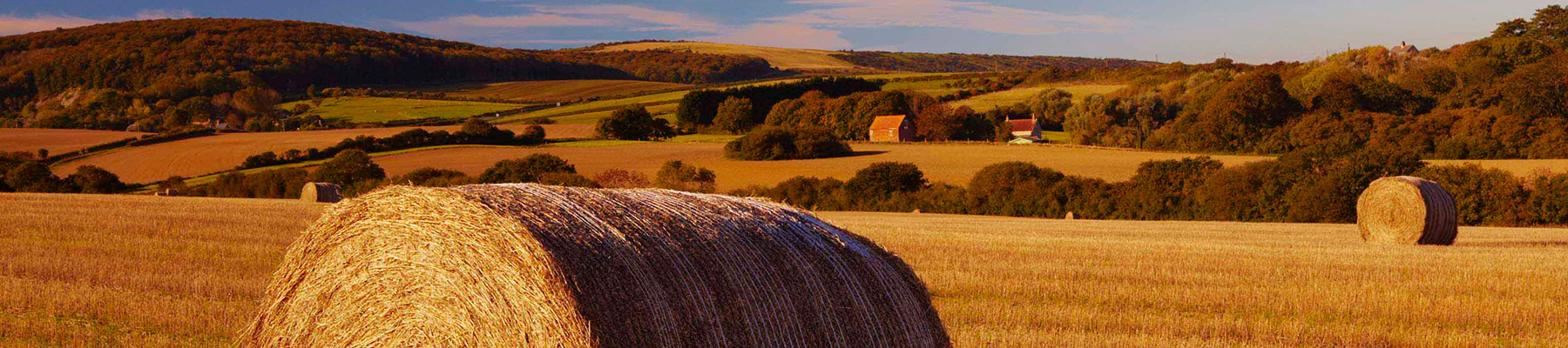
Old Winchester Hill NNR is a hot spot for the chalk hill blue butterfly, with many hundreds, if not thousands, visible on peak days at the beginning of August. In all, 37 species of butterfly have been recorded on the site. Less common examples include the silver spotted skipper, dark green fritillary and Duke of Burgundy. A wide range of classic chalk grassland plants such as wild thyme, squinancy wort, clustered bellflower, salad burnet, horseshoe vetch and restharrow, can be found throughout the spring and summer. Less common species include round-headed rampion and field fleawort. The reserve is a good place to encounter many declining farmland birds such as linnet, yellowhammer and corn bunting. Raptors such as the red kite, buzzard and kestrel can also be seen, as well as summer migrants like whitethroats, willow warblers and blackcaps. Passing visitors including the wheatear and the ring ouzel. The site is also important for archaeology, with prominent Bronze Age burial mounds and the ramparts of a well-preserved Iron Age hillfort.
About the area
Hampshire’s varied landscape of hills and heaths, downlands and forests, valleys and coast are without rival in southern England. Hike across the chalk downland of the north Hampshire ‘highlands’, meander along peaceful paths through unspoilt river valleys of the Test, Itchen, Avon and Meon, or explore the lonely salt marshes and the beautiful medieval forest and heathland of the New Forest.
Places to eat nearby View all
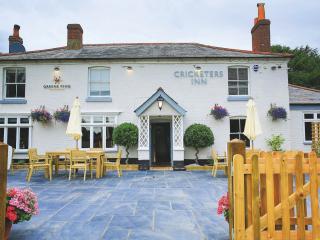

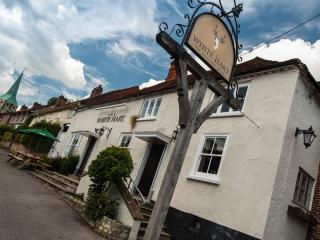
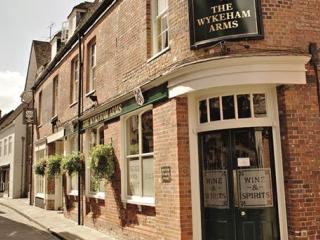
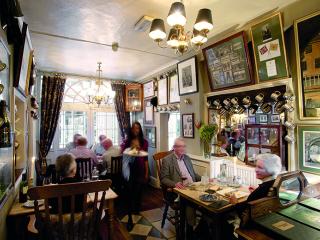
Nearby places to stay
View all (8)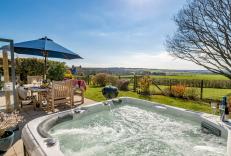






Nearby places to stay
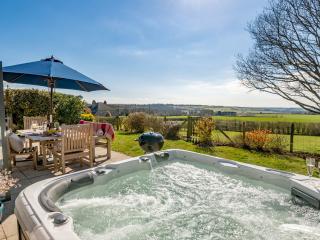
Teal Cottage
As well as being dog friendly, Teal Cottage offers guests accessible holiday accommodation. Bring the whole family, including the dog, and make memories to treasure at Wallops Wood. Tea...
Wallops Wood Cottages
Award winning converted cottages in tranquil location in the South Downs National Park, Wallops Wood is a year-round base for walking, cycling and sightseeing. The cottages incorporate ...
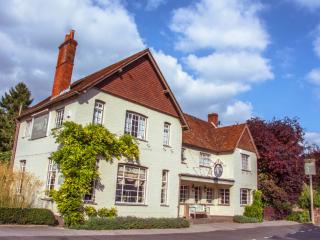
The Thomas Lord
The Thomas Lord is named after the founder of Lord's Cricket Ground who is buried in the nearby churchyard. It’s a charming country pub with delightful gardens in the lovely village of ...
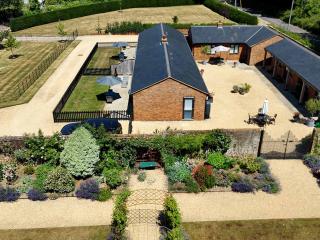
Tower Farm Garden Holiday Lets
Once forming the stable block of the nearby manor house, these beautifully restored stables have been exquisitely transformed into elegant guest cottages. Each apartment has been though...
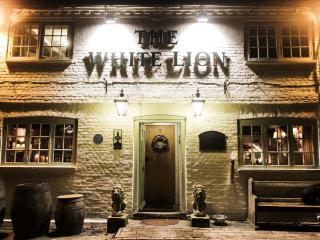
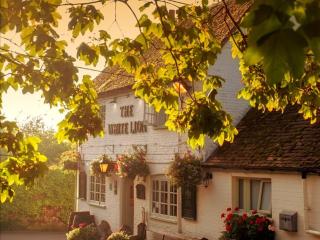
The White Lion
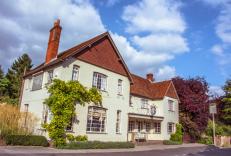
The White Lion is a traditional 17th-century country pub in the beautiful Meon Valley. The comfortably renovated rooms in the Grade II listed stables and coach house sympathetically ble...
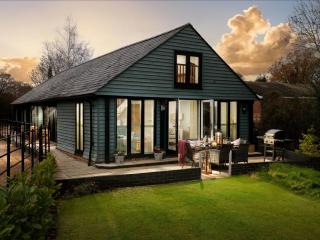
The Cart House
The Cart House is a beautiful, spacious barn conversion on the edge of the South Downs National Park, near the picturesque village of Bishop's Waltham with fabulous views of the adjoini...
The Cart House
The Cart House is a beautiful, spacious barn conversion on the edge of the South Downs National Park, near to the picturesque village of Bishop's Waltham with fabulous views of the adjo...
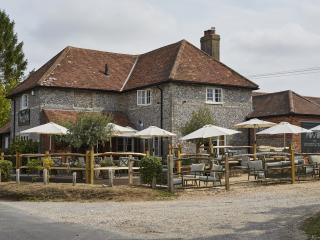
The Woolpack Inn
An attractive country inn, tucked away in Hampshire's Candover Valley, offers a traditional atmosphere and bags of character. The flint and brick building dates back to 1880 and many or...