Roydon Common National Nature Reserve
Recommended by


Overview
Roydon Common NNR is the largest remaining area of heathland and valley mire in Norfolk and is a mixture of dry and wet heath, valley mire, rough pasture and woodland habitats. At least 15 species of dragonfly occur at Roydon, including the rare black darter, for which this is one of only two breeding sites in Norfolk. More than 30 species of butterfly have been seen including white admiral, brown argus, and both green and purple hairstreak. Around 450 species of moth have been recorded and the impressive minotaur beetle is also found. Reptiles, including the adder, are also present. Numerous rare and interesting plants occur, but perhaps the greatest spectacle occurs in August and early September when the extensive stands of heather are in flower. Many birds frequent the common, with nightjars and woodlarks nesting in good numbers. In winter there is usually a small roost of hen harriers, and the occasional merlin is seen.
About the area
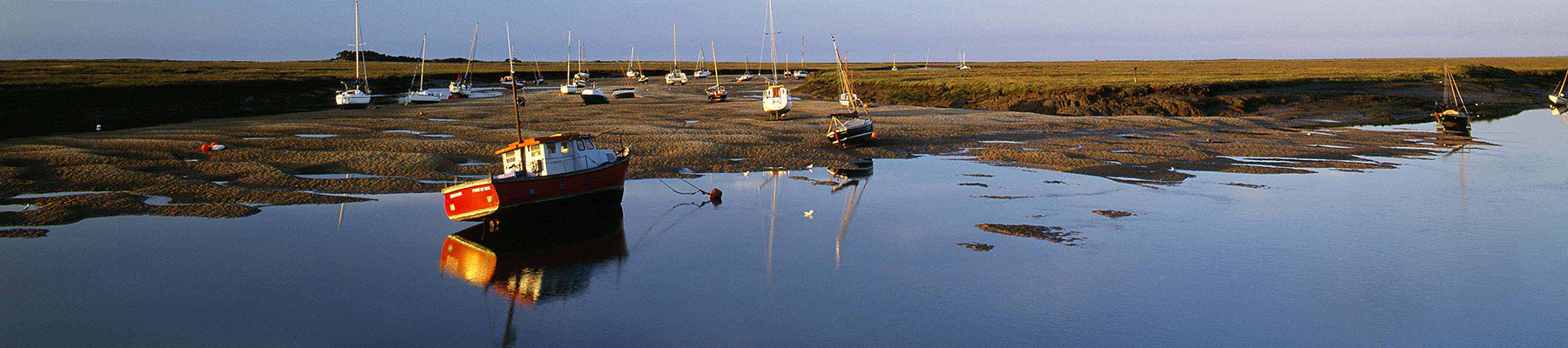
The North Norfolk Coast is designated an Area of Outstanding Natural Beauty and probably the finest of its kind in Europe. Here you’ll find a string of quaint villages and small towns – Holkham, Wells-next-the-Sea and Cley next the Sea are 21st-century favourites, while Sheringham and Cromer are classic examples of a good old-fashioned seaside resort where grand Victorian hotels look out to sea.
Places to eat nearby View all

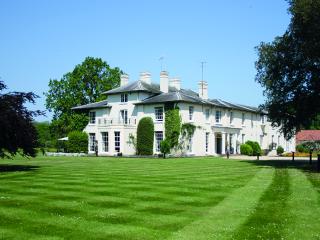

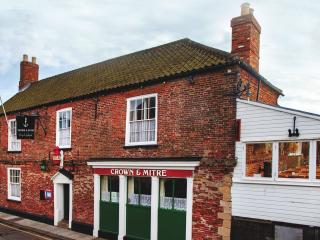
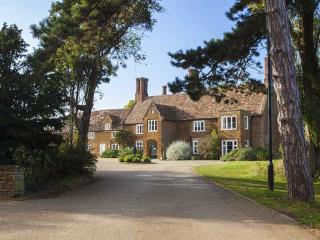
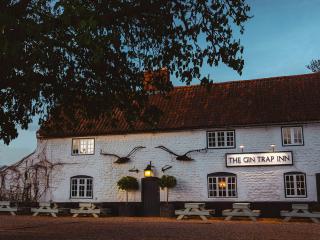
Nearby places to stay
View all (8)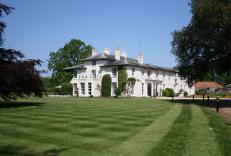




Nearby places to stay
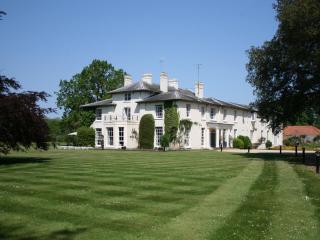
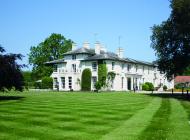
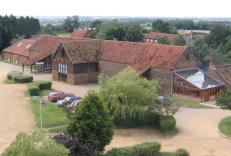
Congham Hall Country House Hotel
Congham Hall is an elegant 18th-century Georgian manor set amid 30 acres of mature, landscaped grounds and surrounded by parkland. The inviting public rooms provide a range of tastefull...
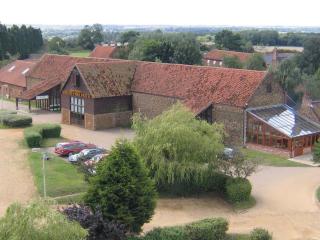
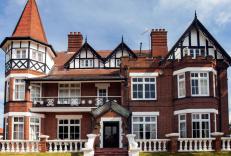
Knights Hill Hotel & Spa
The Knights Hill Hotel complex is situated on the outskirts of Kings Lynn close to historic Sandringham & Castle Rising, with views of the Wash and rural Norfolk. The village complex in...
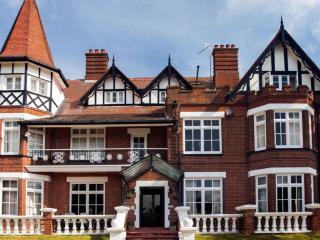
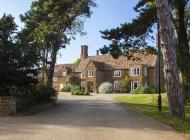
Grange Hotel
Expect a warm welcome at Grange Hotel, an Edwardian house situated in its own grounds in a quiet residential area. Public rooms include a comfortable lounge bar and homely dining room. ...
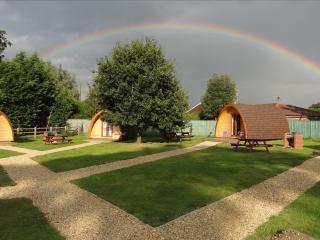
King's Lynn Caravan and Camping Park
Set in approximately 9 acres of parkland, this developing camping park is situated on the edge of North Runcton, just a few miles south of the historic town of King's Lynn. The three ve...
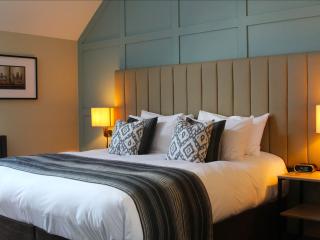
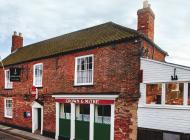
The Coach & Horses
Established in 1845, The Coach & Horses is set in the Norfolk countryside in the beautiful village of Dersingham, less than a mile from the Sandringham Royal Estate. The Coach & Horses ...
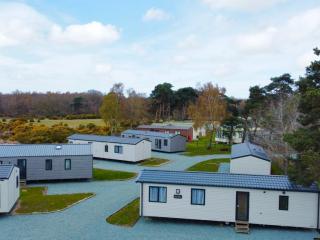
Pinecones Caravan and Camping
Created from a former council picnic area by the Bennett family, Pinecones is a very popular touring park, well located just off the Dersingham bypass between King's Lynn and Hunstanton...
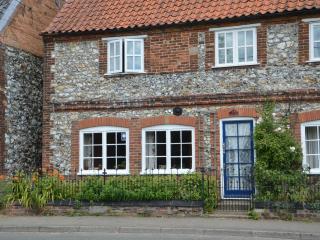
Primrose Cottage
Attractive traditional Norfolk spacious flint cottage situated in quiet idyllic surroundings. South facing it overlooks one of the many greens and ponds. The kitchen overlooks the large...
Primrose Cottage
Attractive traditional Norfolk spacious flint cottage situated in quiet idyllic surroundings. South facing it overlooks one of the many greens and ponds. The kitchen overlooks the large...