Holme Dunes National Nature Reserve
Recommended by


Overview
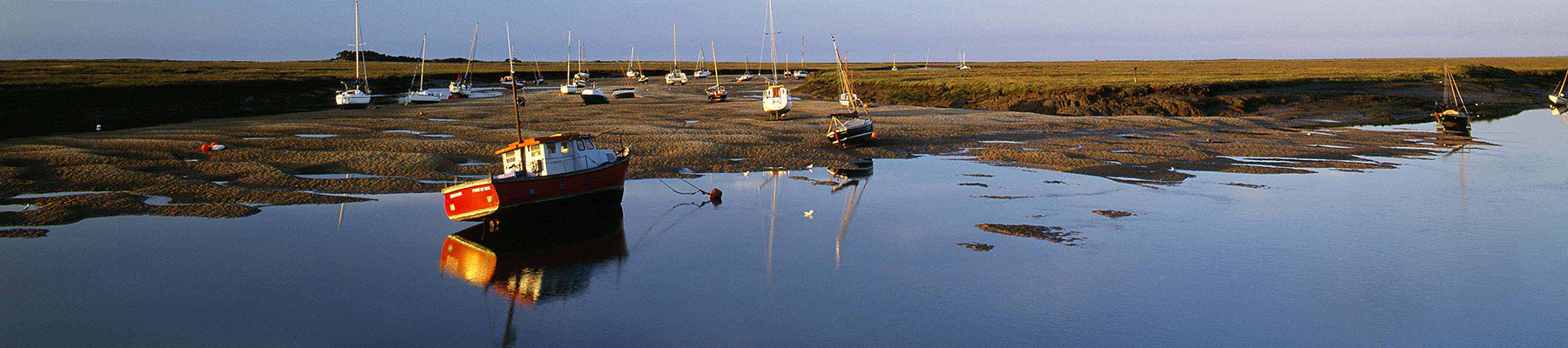
Holme Dunes NNR, in Norfolk’s northwest corner where The Wash meets the North Sea, is superbly located to attract migrating birds. In spring, wheatears and warblers are common, with large numbers of finches and thrushes in the autumn. Scarce migrants such as wryneck, yellow-browed warbler and barred warbler are also seen. Holme Dunes is made up of a range of coastal habitats including intertidal sands and mud, sand and shingle bars, saltmarsh, sand dune, freshwater and salty pools and grazing marshes. These important habitats support numerous other wildlife species including natterjack toads, butterflies and dragonflies, as well as a large number of interesting plants. Holme is also a good place to watch seabirds. In the right conditions gannets, skuas, terns and divers can be watched passing by the coastline in their hundreds. Holme Dunes was the site of the discovery of a well-preserved Bronze Age timber circle, which became known as ‘Seahenge’, in 1998.
About the area
The North Norfolk Coast is designated an Area of Outstanding Natural Beauty and probably the finest of its kind in Europe. Here you’ll find a string of quaint villages and small towns – Holkham, Wells-next-the-Sea and Cley next the Sea are 21st-century favourites, while Sheringham and Cromer are classic examples of a good old-fashioned seaside resort where grand Victorian hotels look out to sea.
Places to eat nearby View all
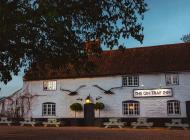
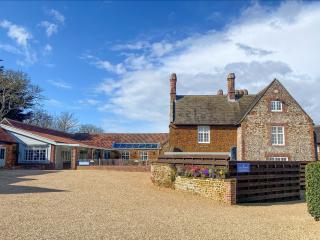
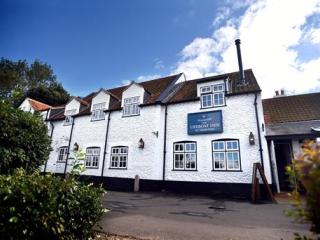
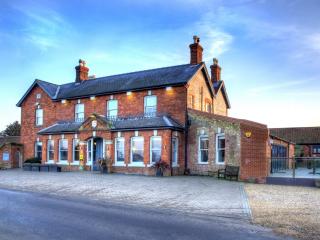
Nearby places to stay
View all (8)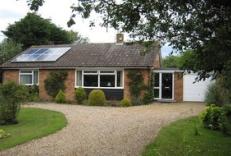
Nearby places to stay
Brook Bungalow
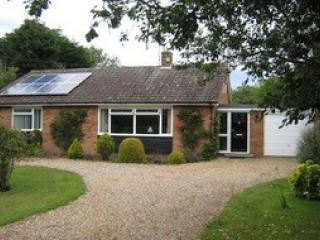
Brook Bungalow is a large secluded well-appointed holiday home in a delightful north Norfolk coastal village. It's situated on a country lane leading directly to the sea and miles of un...
Brook Bungalow
Brook Bungalow is a large secluded well-appointed holiday home in a delightful north Norfolk coastal village. It's situated on a country lane leading directly to the sea and miles of un...
St. Crispins Garden Apartment
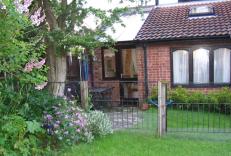
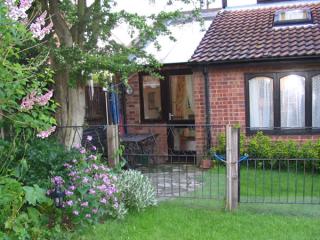
St Crispins is a 1990s annex with its own entrance and a small, enclosed garden. The annex has a view of a much larger garden well grazed by deer, who wonder through from the back field...
St Crispins Garden Apartment
St Crispins is a 1990s annex with its own entrance and a small enclosed garden. An old smugglers’ path leads down to the wide sandy beach, and Hunstanton is only about a mile off. There...
Caley Hall Hotel
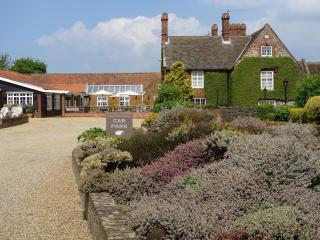
A short walk from the seafront, Caley Hall Hotel offers tastefully decorated bedrooms in a series of converted outbuildings. Each is smartly furnished and thoughtfully equipped. Public ...
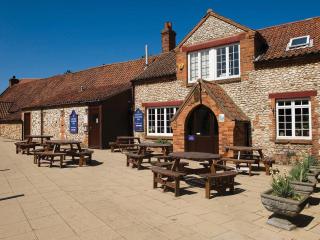
Le Strange Arms Hotel
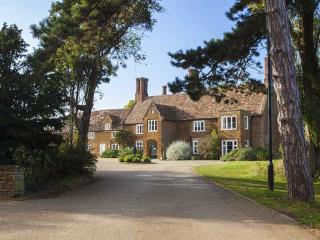
Le Strange Arms is an impressive hotel with superb views from the wide lawns down to the sandy beach and across The Wash. Bedrooms in the main house are individually decorated. Public r...
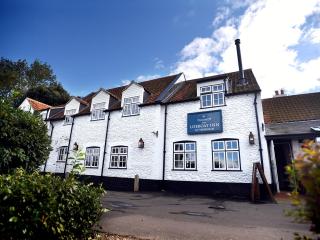
The Lifeboat Inn
A cosy, traditional inn, set in the sleepy village of Thornham. Stylish and very comfortable bedrooms with neutral colour palettes are on offer; each room is named after a crew member o...
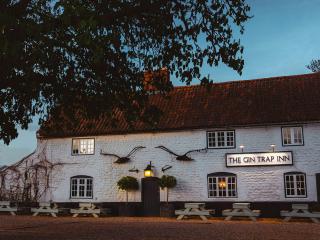
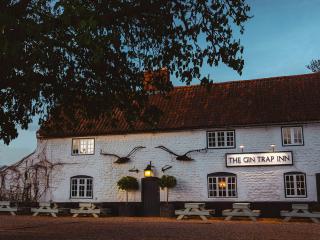
The Gin Trap Inn
The Gin Trap dates back to 1668 and retains many original features. Among the public areas are a bar and a range of eating areas that include outside dining and terraces. The individual...