Dersingham Bog National Nature Reserve
Recommended by


Overview
Dersingham Bog NNR is part of the Sandringham Royal Estate and includes the largest, most intact example of an acid valley mire in East Anglia. It is also one of the last remaining fragments of lowland heathland in southern England. The low-lying mire is dominated by sphagnum bog mosses. Several rare plants are present including round-leaved sundew, oblong-leaved sundew, cranberry, bog asphodel and white beak-sedge. Dersingham Bog NNR supports nationally important numbers of breeding nightjar, and up to 28 churring males have been recorded. Other notable breeding species include woodlark, grasshopper warbler, tree pipit and stonechat. The Greensand escarpment acts as an important route for migrating birds during the autumn, when large flocks of pink-footed geese move between The Wash and the inland fields to feed. Also look out for flocks of small birds such as crossbills, siskins and redpolls and a wide variety of fungi, like fly agaric, birch boletus and the distinctive common stinkhorn.
About the area
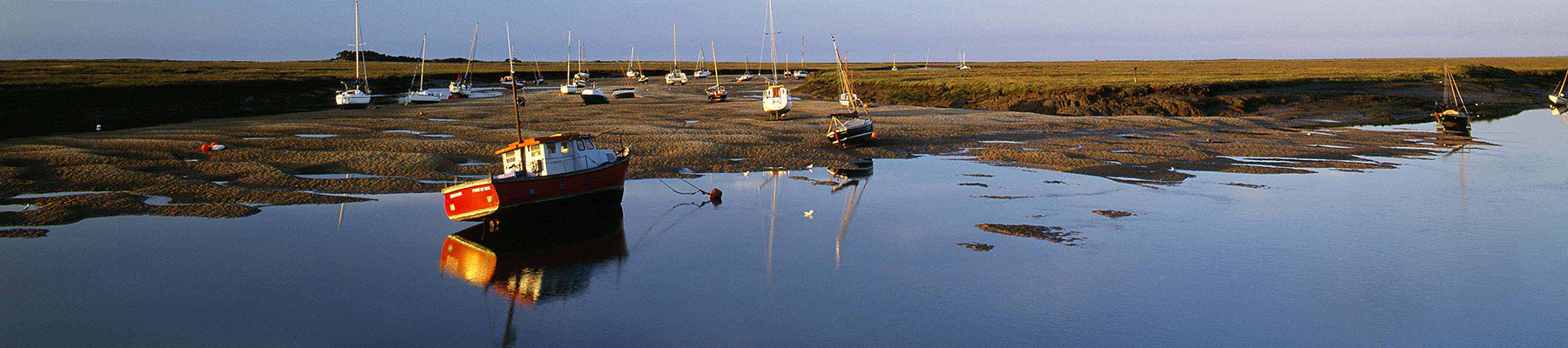
The North Norfolk Coast is designated an Area of Outstanding Natural Beauty and probably the finest of its kind in Europe. Here you’ll find a string of quaint villages and small towns – Holkham, Wells-next-the-Sea and Cley next the Sea are 21st-century favourites, while Sheringham and Cromer are classic examples of a good old-fashioned seaside resort where grand Victorian hotels look out to sea.
Places to eat nearby View all


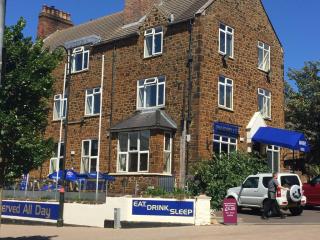
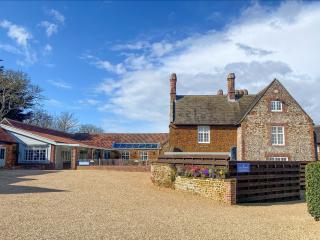
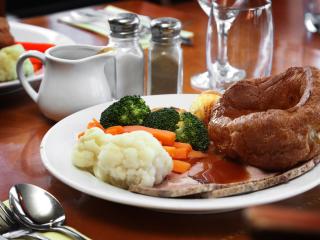
Nearby places to stay
View all (8)

Nearby places to stay
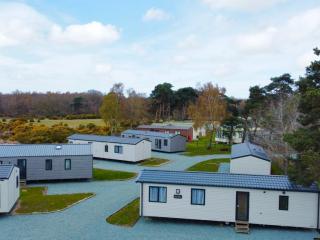
Pinecones Caravan and Camping
Created from a former council picnic area by the Bennett family, Pinecones is a very popular touring park, well located just off the Dersingham bypass between King's Lynn and Hunstanton...
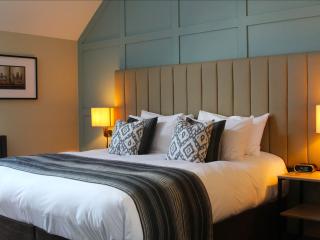
The Coach & Horses
Established in 1845, The Coach & Horses is set in the Norfolk countryside in the beautiful village of Dersingham, less than a mile from the Sandringham Royal Estate. The Coach & Horses ...
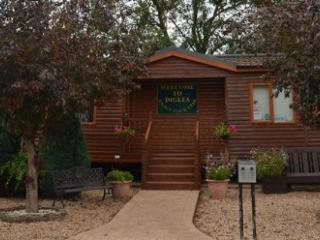
Diglea Caravan Park Ltd
Diglea Park is a campsite situated on the beautiful Norfolk coastline. There’s a holiday option for everyone, from camping to seasonal pitches, to privately owned statics. There is also...
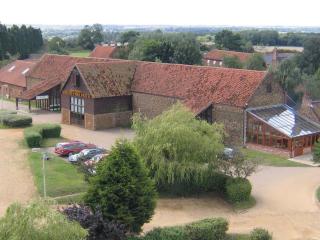
Knights Hill Hotel & Spa
The Knights Hill Hotel complex is situated on the outskirts of Kings Lynn close to historic Sandringham & Castle Rising, with views of the Wash and rural Norfolk. The village complex in...
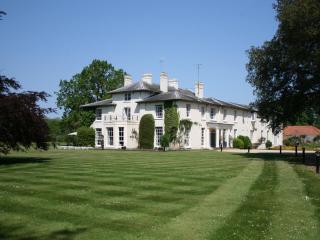
Congham Hall Country House Hotel
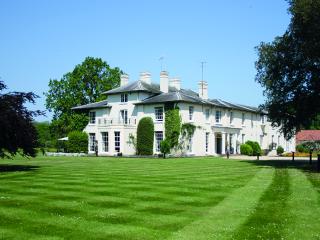
Congham Hall is an elegant 18th-century Georgian manor set amid 30 acres of mature, landscaped grounds and surrounded by parkland. The inviting public rooms provide a range of tastefull...
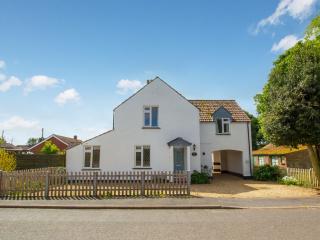
Holly House
Unwind in style, you are in for a treat when you stay at Holly House. This beautifully presented property has been meticulously put together by the owners, to ensure that families or fr...
Holly House
Unwind in style, you are in for a treat when you stay at Holly House. This beautifully presented property has been meticulously put together by the owners, to ensure that families or fr...
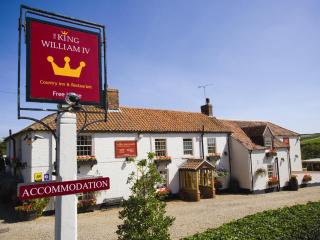
The King William IV Country Inn & Restaurant
Tucked away in the village of Sedgeford, close to Norfolk's beautiful coastline, The King William IV Country Inn & Restaurant is one of the Coaching Inn Group's latest additions to thei...