Lower Derwent Valley National Nature Reserve
Recommended by


Overview
The Lower Derwent Valley NNR is made up of a series of flood meadows, pastures and woodlands, supporting a rich diversity of plants and large populations of breeding and over-wintering birds. Spring is a vibrant time on the reserve. As winter flood waters recede, the rich meadows begin to grow plants such as marsh marigold and cuckooflower. Waders such as lapwing, redshank and curlew start to raise their young, while flotillas of young ducks scoot into the overhanging willows around the pools. Late June sees the meadows at their best, with some of the best areas supporting up to 25 plant species per square metre. In the autumn, the meadows start to flood and the impressive expanses of open water attract a spectacle of over 40,000 ducks, geese and waders use the Lower Derwent Valley each winter. Spring and autumn can be exciting as migrant waders, terns and raptors pass through. Spotted crake, water rail and willow tit all breed here, along with many common waders and ducks. Marsh harrier, hobby and peregrine are all seen regularly, with the chance of an osprey or black tern during migration.
Features
- Opening Times
- Open all year
About the area
North Yorkshire, with its two National Parks and two designated Areas of Outstanding Natural Beauty, is England’s largest county and one of the most rural. This is prime walking country, from the heather-clad heights of the North York Moors to the limestone country that is so typical of the Yorkshire Dales – a place of contrasts and discoveries, of history and legend.

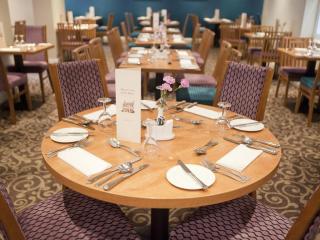
Places to eat nearby View all


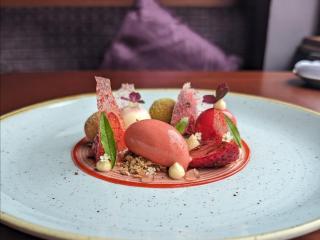
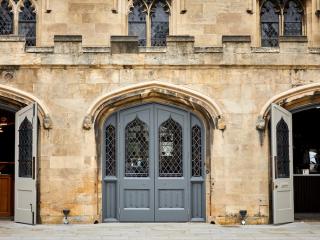
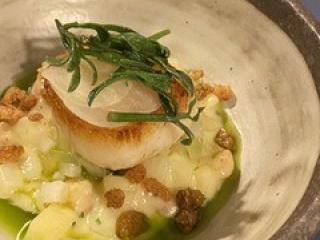
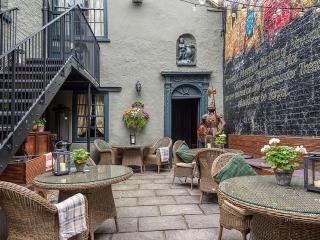

Nearby places to stay
View all (8)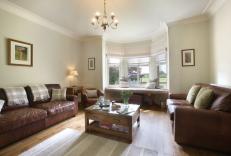



Nearby places to stay
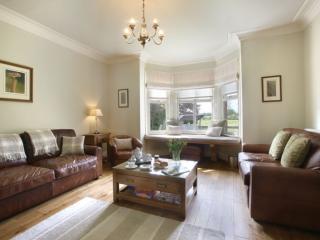
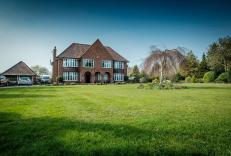
Clock Farm House
Clock Farm House is a beautifully renovated farmhouse, just 10 minutes from the centre of York. The 5 large bedrooms easily accommodate 10 with the versatility of super king or twin bed...
Clock Farm House
Clock Farm House is a beautifully renovated farmhouse, just 10 minutes from the centre of York. The 5 large bedrooms easily accommodate 10 with the versatility of super king or twin bed...
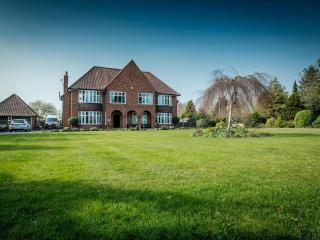
Westergate House
This owner-run guest house is ideally located on the outskirt of the city of York and within a short distance of York Designer Outlet. A bus stop is located near the house. A range of m...
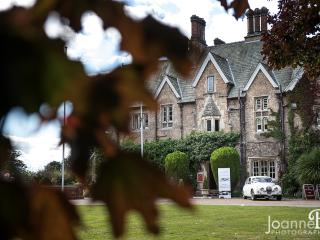
The Parsonage Hotel & Spa
This 19th-century former parsonage has been carefully restored and extended, and is situated in six acres of gardens. Bedrooms are smartly appointed and well equipped for both business ...
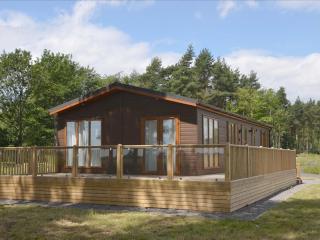
Hollicarrs Holiday Park
Hollicarrs is set within the beautiful and historic Escrick Park Estate and perfectly situated to easily access all what Yorkshire has to offer. Recent enhancement of the holiday park h...
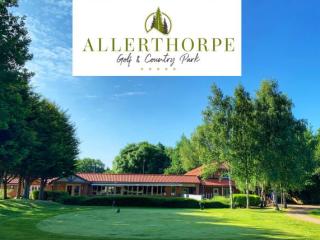
Allerthorpe Golf and Country Park
Awaiting description....
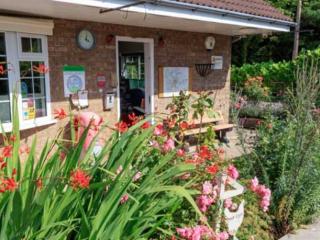
Naburn Lock Caravan Park
Ideally situated near the River Ouse and within four miles of York's city centre, Naburn Lock Caravan Park is a friendly park ideal for adults seeking countryside breaks and is managed ...
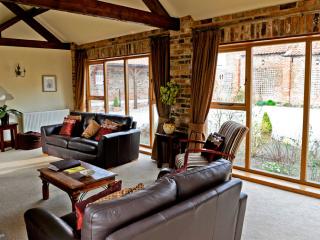
The Courtyard & Ruxpin Cottage
The Courtyard & Ruxpin Cottage are located at High Catton Grange, surrounded by peaceful countryside at the foot of The Yorkshire Wolds. The cottages are furnished and equipped to a hig...