St Mary's Abbey (Blanchland Abbey Church)
Recommended by


Overview
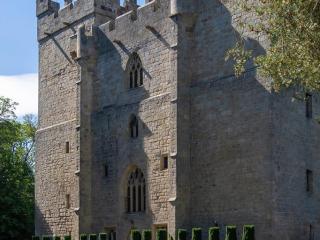
St Mary’s Church is all that remains of a Premonstratensian priory founded here in 1165 by Walter de Bolbec. It stands on the estate purchased by Lord Crewe, Bishop of Durham from 1675–1721. The church was in ruins when John Wesley stopped here to preach in 1747, and he had to stand on a stone in the graveyard to be heard. The church was restored and partially rebuilt in the 19th century, and its interior is plain and almost severe. Stonework from the rest of the dismantled buildings may be seen incorporated in the village houses, and the Abbot’s lodging became an inn (now The Lord Crewe Arms Hotel).
Features
- Opening Times
- Open all year
- Opening Times: Open all year daily 10–4
- Facilities
- Parking onsite
- Parking nearby
About the area
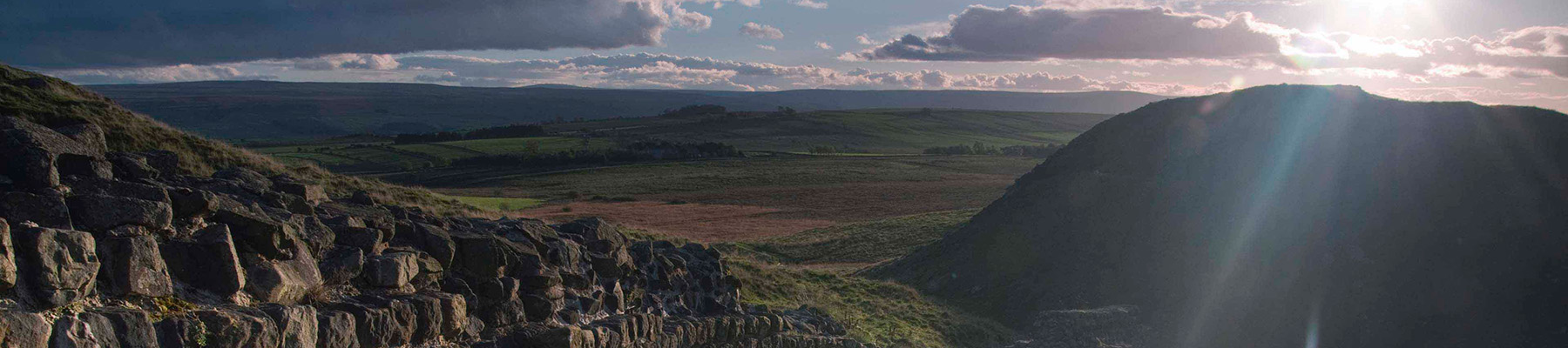
If it’s history you’re after, there’s heaps of it in Northumberland. On Hadrian’s Wall you can imagine scarlet-cloaked Roman legionaries keeping watch for painted Pictish warriors while cursing the English weather and dreaming of home.
Places to eat nearby View all
Nearby places to stay
View all (8)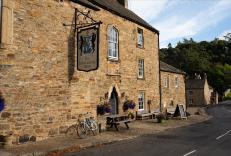


Nearby places to stay
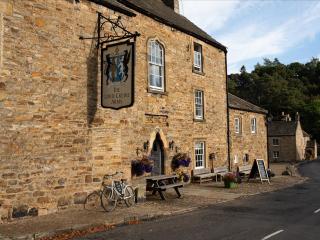
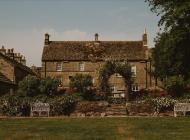
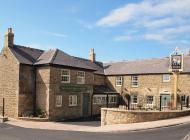
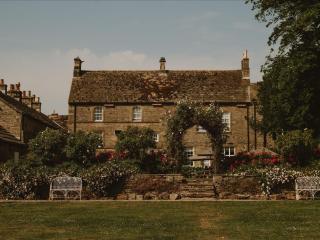
Lord Crewe Arms
Lord Crewe Arms is set in the tranquil and picturesque Northumbrian countryside and dates back to the 12th century when it was built as the abbot's priory. The building has plenty of ch...
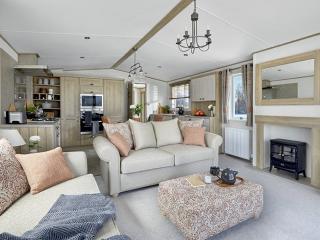
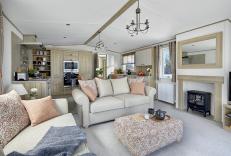
Springhouse Country Park
A countryside retreat on the outskirts of the North Pennines, Springhouse Country Park also benefits from being situated close to Northumberland National Park. With nearby market towns ...
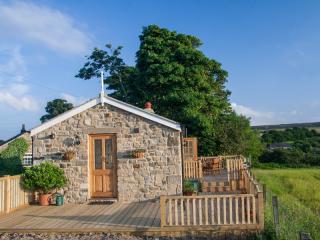
Derwent View Cottage
Relax and unwind at our beautiful self-catering cottage for 2 on the Durham-Northumberland Border. Offering open plan living accommodation with a well-equipped kitchen and patio doors o...
Derwent View Cottage
Relax and unwind at our beautiful self-catering cottage for 2 on the Durham-Northumberland Border. Offering open plan living accommodation with a well-equipped kitchen and patio doors o...
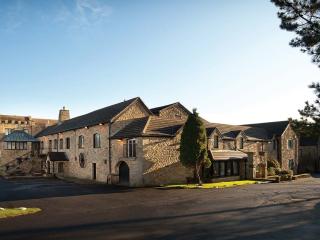
Derwent Manor Boutique Hotel
Derwent Manor enjoys an elevated position overlooking the Derwent Valley. Set in 20 acres of peaceful grounds, it is within easy distance of both Newcastle and Durham with a wealth of v...
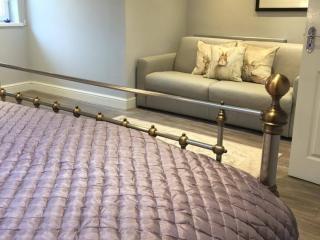
Bonners Lodge
Beautiful County Durham countryside is on the doorstep at Bonners Lodge for walkers and cyclists and there is fishing in nearby Tunstall Reservoir. Birdwatchers can relax in the lounge ...
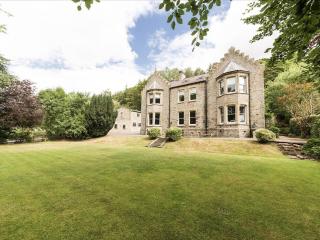
Fairfield House
Fairfield House is a luxurious holiday home for large groups that looks and feels like a boutique hotel. Guests get the exclusive use of the house, grounds, games room, tennis court, ho...
Fairfield House
Fairfield House is a luxurious holiday home for large groups that looks and feels like a boutique hotel. Guests get the exclusive use of the house, grounds, games room, tennis court, ho...