Dorchester Abbey
Recommended by


Overview
The abbey in this small village dates to Norman times, with decorative additions including the chancel added in the 14th century, but the site has older links to the earliest Christians. In AD 635 Cynegils, the Saxon King of Wessex, was baptised here by the missionary bishop Birinus. The bishop’s remains were interred here in a wooden church, but later moved to Winchester for safe-keeping. An Augustinian abbey was established in the 12th century, with supposed relics of Birinus making it a popular pilgrimage site. The remarkable Tree of Jesse window, with its ‘bent’ stone mullions, on the chancel’s north wall dates from this wealthy time. After the Dissolution, the building remained as a parish church, gaining a tower in 1602, and then undergoing restoration by William Butterfield in the 19th century. Further notable features include the Norman lead font, the 14th-century frescoes, and the Victorian Great East Window with its medieval glass. You can find out more about the history of the building in the Cloister Gallery, a modern extension constructed in 2001. The church celebrates its US connections, and owes much of its 20th-century restoration to the efforts of Edith Gratia Stedman and the American Friends of Dorchester Abbey. A museum in the Cloister Gallery tells the history of the church through its carved stonework (free, open daily May–Sep, 2–5).
Features
- Opening Times
- Open all year
- Opening Times: Open daily all year, 8am to dusk
- Facilities
- Parking nearby
About the area
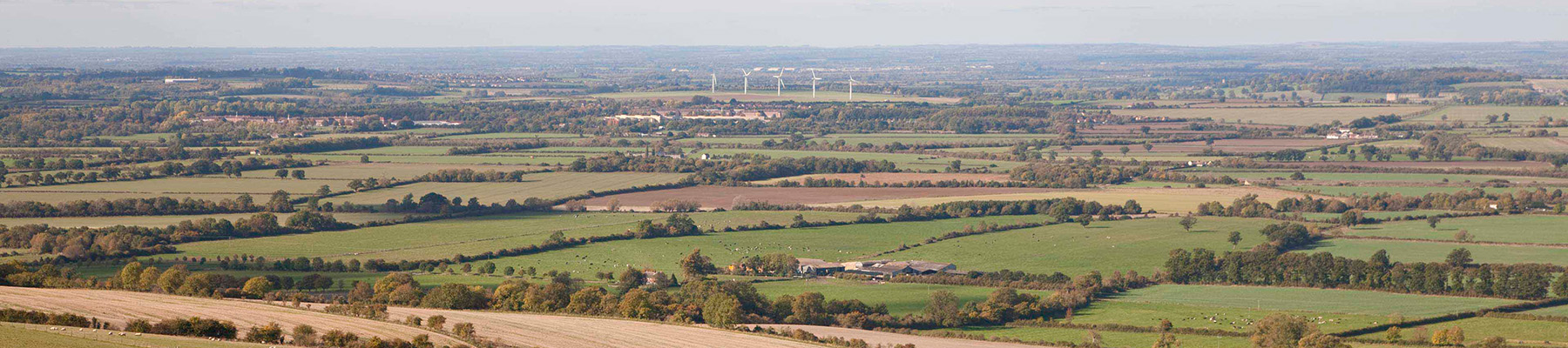
Located at the heart of England, Oxfordshire enjoys a rich heritage and varied scenery, with Oxford’s elegant streets a highlight for visitors. The landscape encompasses open chalk downland, picturesque rivers and attractive villages, while northwest of Oxfordshire is home to the sleepy backwaters of Abingdon, Wallingford, Wantage, Watlington and Witney that reveal how Oxfordshire’s old towns evolved over the centuries.
Places to eat nearby View all






Nearby places to stay
View all (8)



Nearby places to stay
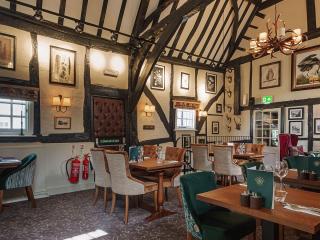
The George
Recently refurbished to a very high standard, The George blends contemporary comforts with the intrinsic character of its 15th-century coaching inn origins. Bedrooms and bathrooms are v...
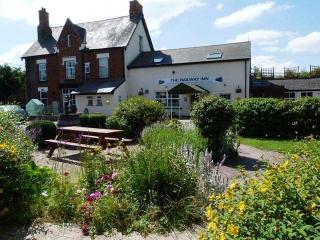
The Railway Inn
The Railway Inn is traditional family-run Inn located beside Culham Railway Station and is the perfect base to explore Abingdon-on-Thames, Didcot and Oxford. The inn offers a choice of ...
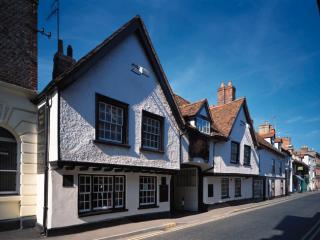
The George
Old world charm and modern facilities merge seamlessly in this former coaching inn. Bedrooms in the main house have character in abundance. Those in the wing have a more contemporary st...
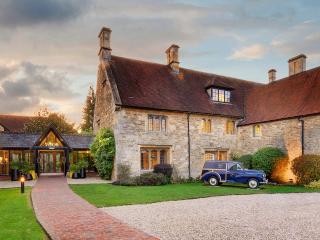
voco Oxford Thames by IHG
Set within 30 acres of manicured parkland on the banks of the Thames, voco Oxford Thames seamlessly blends 12th-century heritage with contemporary luxury. Guests can discover the charmi...
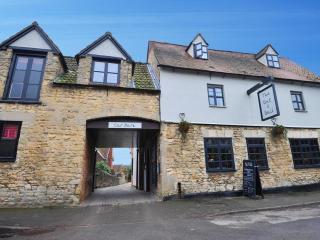
The Bat & Ball
Located in the picturesque village of Cuddesdon, Oxfordshire, The Bat and Ball is a community pub, reopened in January 2025 as part of The Montgomery Group, a family-run business known ...
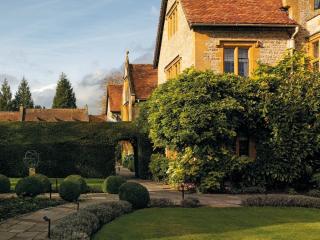
Le Manoir aux Quat'Saisons, a Belmond Hotel
Le Manoir aux Quat'Saisons is currently closed for redevelopment and will reopen in 2027. Even though Le Manoir is very much part of the British scene, celebrating its 40th year, its i...
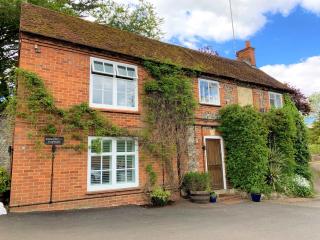
The Beetle and Wedge
Located at the water's edge of a picturesque section of the River Thames, lies The Beetle and Wedge Riverside Inn & Restaurant. It's a charming inn, steeped in history, with a warm team...

B&B Rafters
Set amid immaculate gardens, B&B Rafters is built in a contemporary style and offers spacious accommodation together with a warm welcome. Bedrooms are nicely furnished and equipped in a...