RSPB West Sedgemoor
Recommended by


Overview
West Sedgemoor is part of England's largest remaining wet meadow system. Set among the Somerset Levels and Moors, it has the largest lowland population of breeding wading birds, such as lapwings, snipe, curlew and redshanks, in southern England. In winter, the controlled flooding on the wet meadows attracts birds in their thousands - ducks such as wigeons, teals, shovelers, pintails and mallards, and wading birds such as golden plovers, snipe and lapwings.
About the area
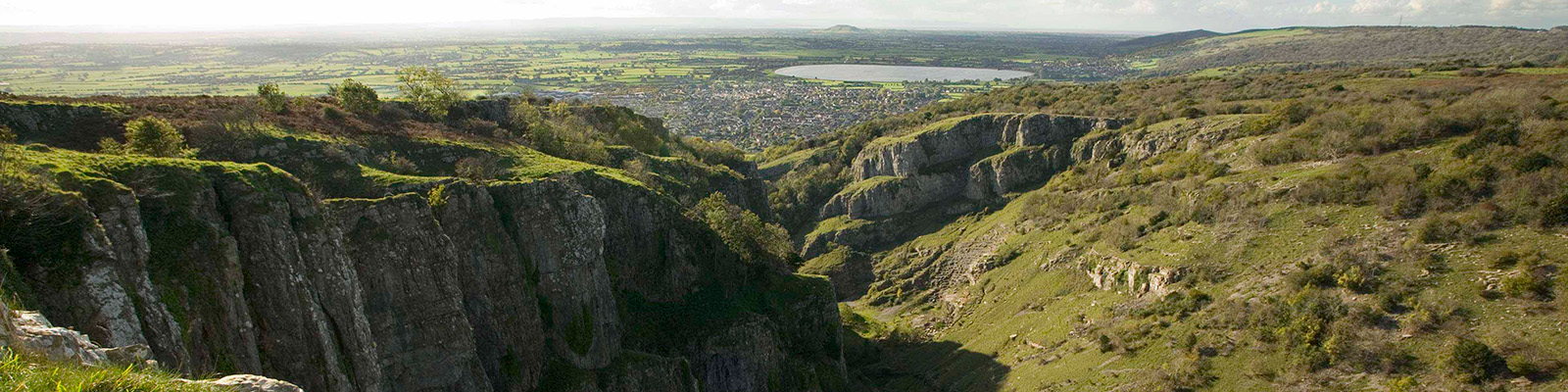
Somerset remains rural and unspoiled, and ever popular areas to visit are the limestone and red sandstone Mendip Hills rising to over 1,000 feet, and by complete contrast, to the south and southwest, the flat landscape of the Somerset Levels. Another popular spot, the Quantocks, once the haunt of poets Coleridge and Wordsworth, are noted for their gentle slopes, heather-covered moorland expanses and red deer.
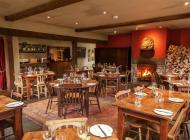
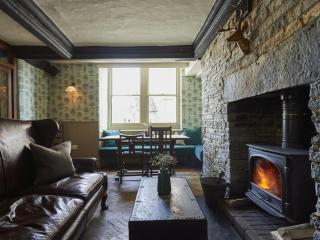
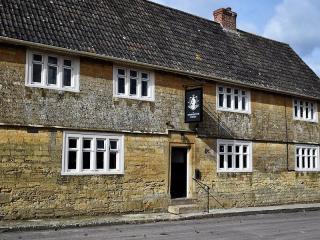
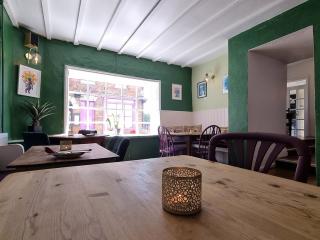
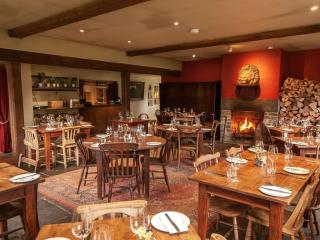
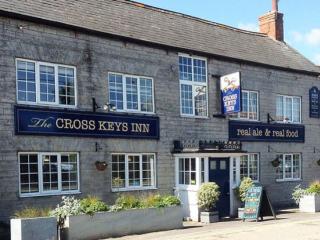
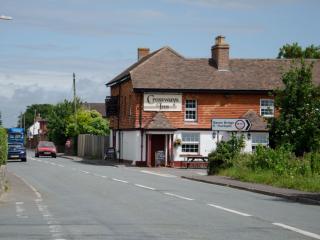
Places to eat nearby View all
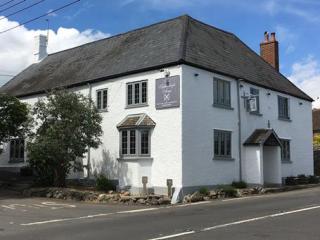
Nearby places to stay
View all (8)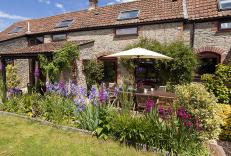


Nearby places to stay
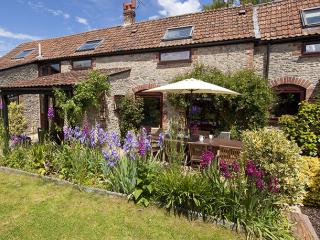
Walnut Arbour
There’s so much scope for relaxation at Walnut Arbour that you might not want to go anywhere. An indoor pool, sauna, games room and a huge lounge, all in the kind of place where you cou...
Walnut Arbour
There’s so much scope for relaxation at Walnut Arbour that you might not want to go anywhere. An indoor pool, sauna, games room and a huge lounge, all in the kind of place where you cou...
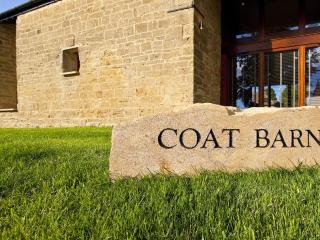
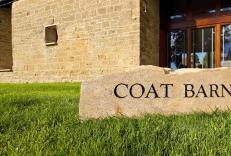
Coat Barn
Sleeping up to 18 and with eight bedrooms, Coat Barn surrounds a grassy courtyard, and is like a little village or neighbourhood to itself. Fill this with your friends and family, and y...
Coat Barn
Sleeping up to 18 and with eight bedrooms, Coat Barn surrounds a grassy courtyard, and is like a little village or neighbourhood to itself. Fill this with your friends and family, and y...
Southfork Caravan Park
A neat, level mainly grass park in a quiet rural area on the Somerset Levels, just outside the pretty village of Martock. Some excellent, spacious hardstandings are available. The facil...
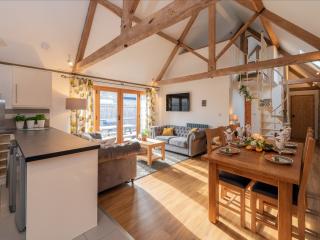
The Granary
The Granary is a beautiful converted barn with 2 ensuite bedrooms with a hot tub and an enclosed garden area....
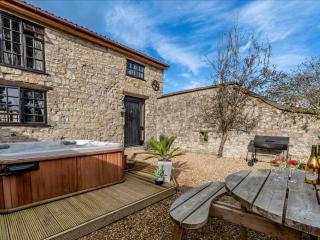
The Old Mill
The Old Mill is a self-catering converted barn with its own hot tub....
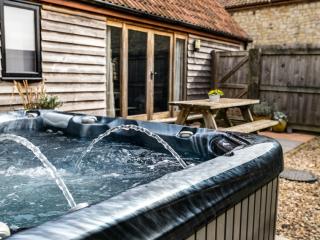
The Barn
Awaiting description...