Westleton Heath National Nature Reserve
Recommended by


Overview
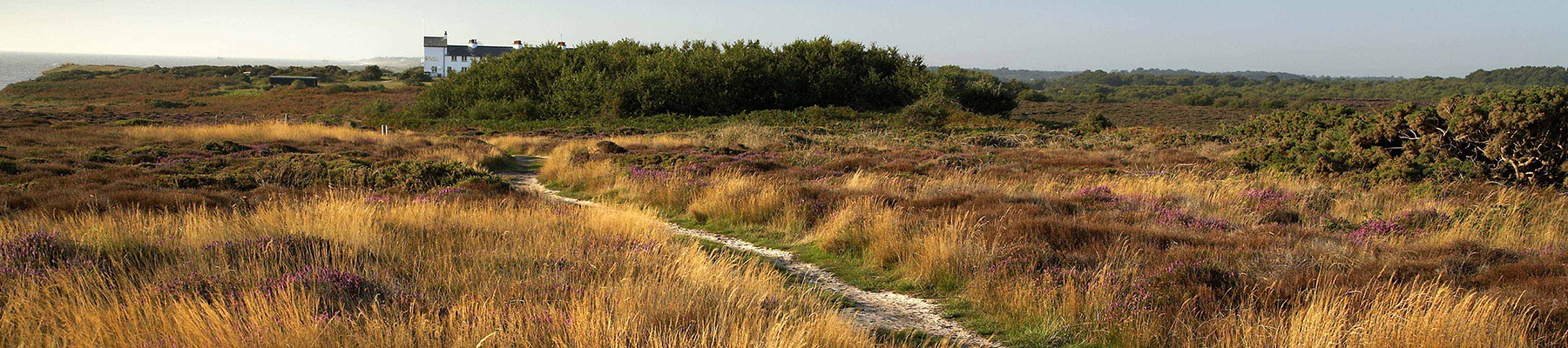
The Westleton Heath NNR is part of the best remaining tract of lowland heath in Suffolk. In medieval times a large area of heath known as the Sandlings (on account of its dry sandy soils) stretched along the Suffolk coast. Today only about 20 per cent of the heathland remains; the rest has been lost to modern farming and forestry. Birds of open heath and light scrub are well represented here and include tree pipit, Dartford warbler, stonechat and nightjar. The woodlands support nightingale and woodcock. The local flora is typical of acid soil, with species such as harebell, tormentil, heath bedstraw and mossy tiliea on the grassheath. Cross-leaved heath may also be found in the damper areas. Of the heather species, common heather and ling predominate, and these, together with deep purple bell heather, provide an important nectar source for invertebrates such as the white admiral butterfly.
About the area
Suffolk is Constable country, where the county’s crumbling, time-ravaged coastline spreads itself under wide skies to convey a wonderful sense of remoteness and solitude. Highly evocative and atmospheric, this is where rivers wind lazily to the sea and notorious 18th-century smugglers hid from the excise men.
Places to eat nearby View all

Nearby places to stay
View all (8)


Nearby places to stay

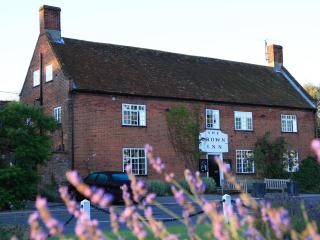
The Westleton Crown
The Westleton Crown is a charming coaching inn on the edge of a quintessential village green – the ideal place for a pint, a weekend break, or supper with family and friends. The landsc...
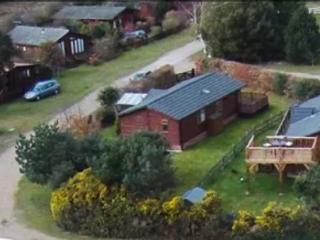
Cliff House Holiday Park
In 30 clifftop acres on the Suffolk Heritage Coast, with direct beach access, Cliff House Holiday Park is surrounded by heathland and woodland. Within easy reach are the RSPB’s Minsmere...
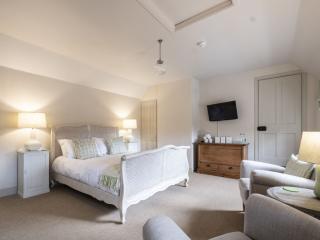
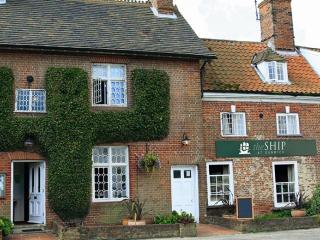
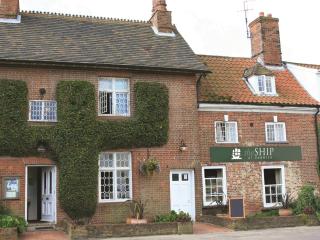
The Ship at Dunwich
The Ship at Dunwich is a delightful inn situated in the heart of a quiet village, surrounded by nature reserves and heathland, and just a short walk from the beach. Public rooms feature...
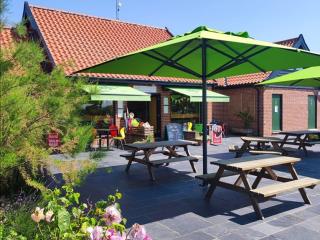
Haw Wood Farm Caravans and Camping
Haw Wood Farm Caravans and Camping is an unpretentious, family-orientated park set in two large fields and three smaller meadows, surrounded by hedges. The amenity block is appointed to ...
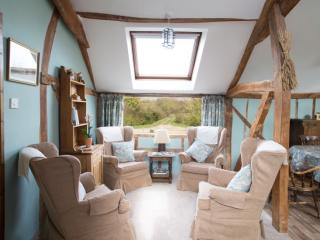
The Mallards
The Mallards and The Granary are located on family-run Priory Farm in Darsham, close to the Suffolk coast. Converted from traditional farm buildings each property retains its own indivi...
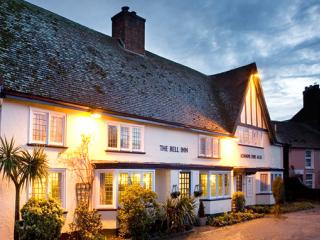
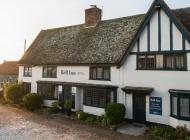
The Bell Inn
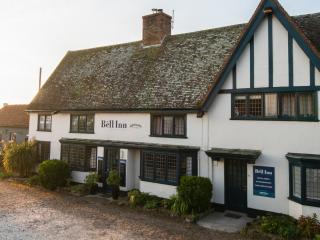
The Bell Inn is ideally situated adjacent to the village green, in the heart of Walberswick. Just a short walk from the beach, the property is 600 years old and the public areas retain ...
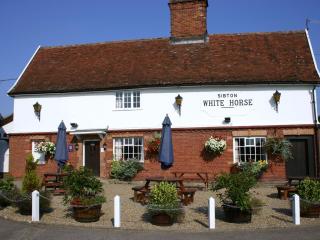
Sibton White Horse Inn
Sibton White Horse Inn is a delightful Grade II listed, 16th-century Tudor property set in open countryside, a few miles from the Suffolk coast. Public rooms include a traditional beame...

Castle Keep
Castle Keep is a luxurious, spacious large seaside holiday home in Southwold, Suffolk. Suitable for families or groups looking for accommodation close to the beach. It's dog friendly an...