Ebernoe Common National Nature Reserve
Recommended by


Overview
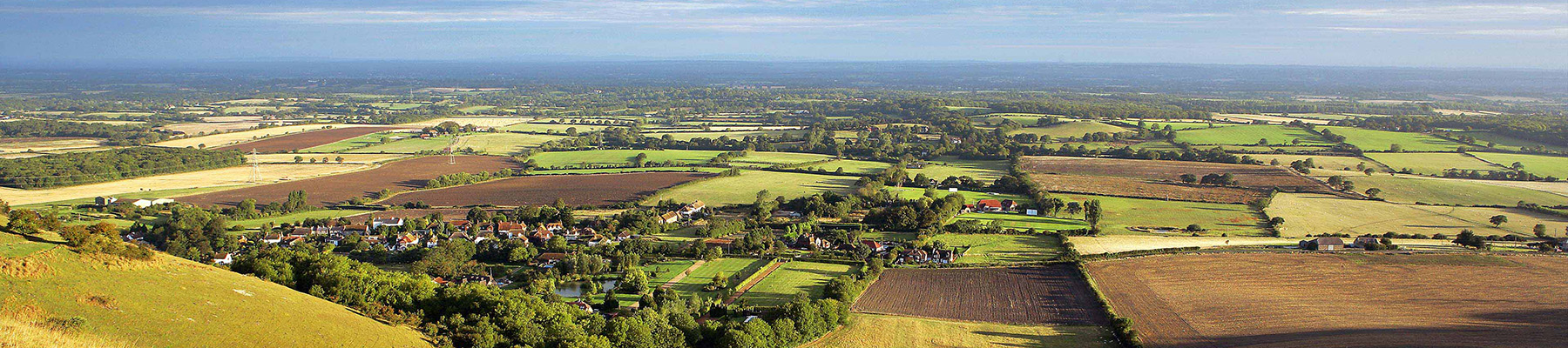
The Ebernoe Common NNR is a varied ancient wood pasture with ponds, streams, meadows and reclaimed arable land being converted back to woodland. It is a superb example of a Low Weald woodland with a history of traditional use. For centuries it was wood pasture, where commoners would turn out their cattle or pigs to graze and browse on young trees and scrub, beech mast and acorns, or on the grassy meadows in clearings. Purchased by the Sussex Wildlife Trust in 1980 when much of the woodland was under threat, repeated mowing and raking by volunteers has seen the return of a rich and varied flora which includes devil’s-bit scabious, adder’s tongue fern, many orchids, and the ancient woodland specialist, the yellow-flowered, spiky-leaved butcher’s broom. Other woodland and meadow wildlife found here includes nightingales, woodcock, purple emperor and silver-washed fritillary butterflies, some rare fungi including magpie fungus, lichens, and dormice and bats.
About the area
Divided from East Sussex back in 1888, West Sussex has a variety of landscapes and coastal scenery, but it is the spacious and open South Downs with which the county is most closely associated. There are plenty of walking routes in the South Downs National Park, cycling routes by the sea or visitors can explore the pretty town of Arundel with its historic castle and buildings.
Places to eat nearby View all


Nearby places to stay
View all (8)


Nearby places to stay
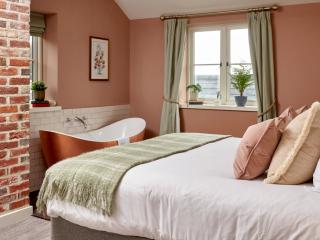
The Welldiggers Arms
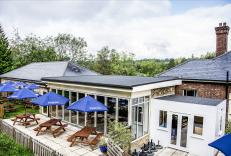
Situated just outside the historic town of Petworth, The Welldiggers Arms benefits from outstanding views of the South Downs and a quiet location. All bedrooms are stylishly decorated w...
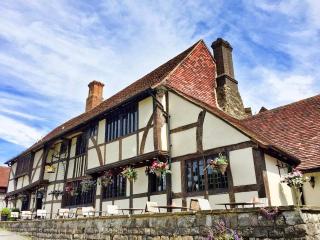
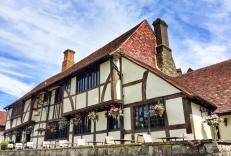
The Crown Inn Chiddingfold
Set in a tranquil location in a picturesque village, The Crown Inn Chiddingfold dates back to the early 13th century. This charming property offers stylish, modern accommodation that ha...
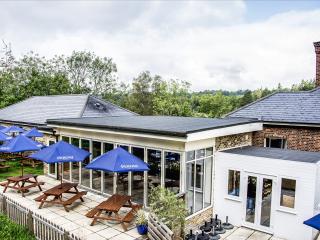
Harper's Haslemere
Harper's Haslemere is part of a small family of laid-back steak houses, fired up by the big, juicy stateside flavours from the best of east to west coast dining; from comforting to mind...
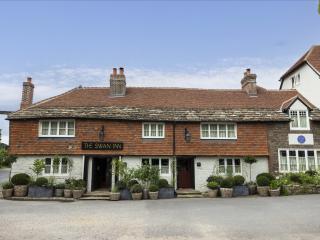
The Swan Inn
The Swan Inn in Fittleworth is a beautifully restored country inn where heritage meets modern comfort. Inside, you’ll find inviting spaces full of character, stylish bedrooms with thoug...
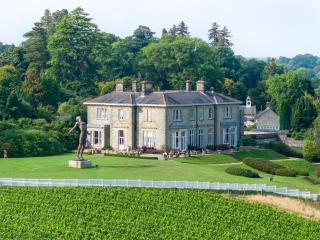
Restaurant Interlude
Restaurant Interlude boasts 10 unique and individually designed luxurious bedrooms in a beautifully restored, Grade II listed property set on a Grade I listed country estate. Enjoy unmi...
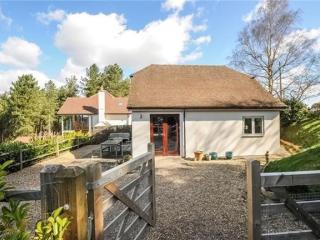
Long Meadow
The light and airy interior at Long Meadow perfectly complement the wide views over the Sussex countryside. There’s a sunny terrace and outside seating to make the most of these views o...
Long Meadow Cottage
The light and airy interior at Long Meadow perfectly complements the wide views over the Sussex countryside. There’s a sunny terrace and outside seating to make the most of these views ...
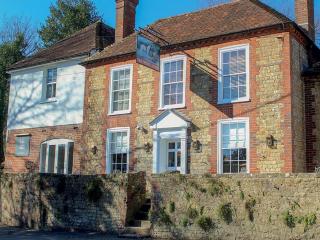
The White Horse Inn
The White Horse Inn is a beautifully restored 18th-century building is the heart of the village and South Down's National Park. The beds are handmade in Dartmoor and have deep, lavender...