Carmel National Nature Reserve
Recommended by


Overview
Carmel NNR, 5 miles southwest of Llandeilo, consists of a mosaic of habitats with a pattern of woodland blocks, with intervening grassland rides. The woodland is dominated by ash with much coppiced hazel and also spindle and hawthorn. There is a typical spring limestone flora including bluebell, dog’s mercury, wood anemone, wild garlic and hart’s-tongue fern. Scarcer plants include lily-of-the-valley and herb Paris. Parts of the reserve are covered in large areas of freely-draining species-rich neutral grassland which host different species including common knapweed, bird’s-foot trefoil and devil’s-bit scabious. The lower parts of this block are marshy grassland, and parts of the upper limestone ridge are covered in a scrubby layer of bracken and gorse, which provides a good habitat for reptiles. Dormice have been found in the southwestern corner of the reserve and a wide range of birds can be seen in the varied habitats, including willow tit, green woodpecker and great spotted woodpecker.
About the area
Carmarthenshire is the largest of the historic counties of Wales, and known to have been inhabited since prehistoric times. Carmarthen, its county town, with its Roman fort, claims to be the oldest town in Wales.
Places to eat nearby View all


Nearby places to stay
View all (8)



Nearby places to stay
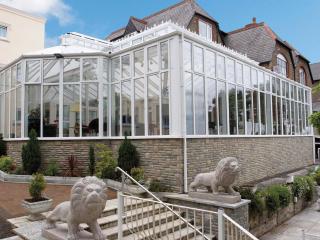
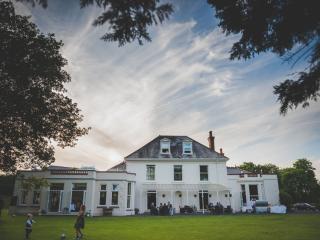
The Diplomat Hotel Restaurant and Spa
The Diplomat Hotel is a Victorian mansion, set in mature grounds, that's been extended over the years to provide a comfortable and relaxing hotel. The well-appointed bedrooms are locate...
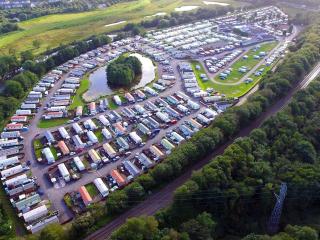
Riverside Caravan Park
A large and busy park close to the M4 but in a quiet location beside the River Taw. This friendly, family orientated site has a licensed club and bar with a full high-season entertainme...
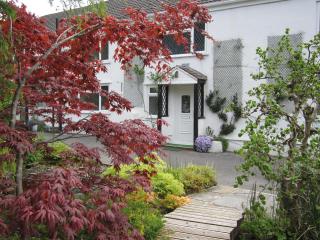
Cwmbach Cottages Guest House
This terrace of former miners' cottages has been restored to provide a range of thoughtfully furnished bedrooms, with one on the ground floor for easier access. Spacious public areas in...
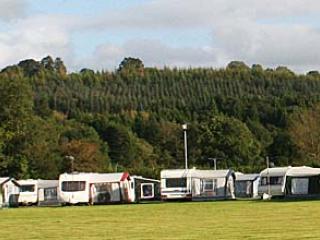
Llandovery Caravan Park
Within easy walking distance of the town centre and adjacent to the notable Llandovery Dragons Rugby Club, this constantly improving park is an ideal base for touring the Brecon Beacons...
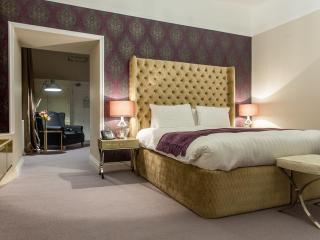
Mansion House Llansteffan
Mansion House has been lovingly restored by the current owners, and is set in five acres of grounds with enviable views over the Towy Estuary and Carmarthen Bay. While bedrooms differ i...
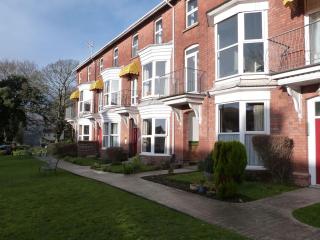
Hurst Dene Guest House
Hurst Dene Guest House has a private car park and provides 10 soundly maintained bedrooms, along with some self catering apartments. Just 10 minutes from the seafront and and ideal loca...
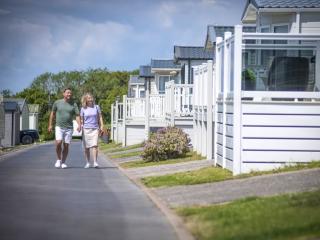
Llanrhidian Holiday Park
Set in an area of Outstanding Natural Beauty, Llanrhidian Holiday Park offers a wonderful base from which you can explore the stunning Welsh countryside. A well equipped site with outdo...
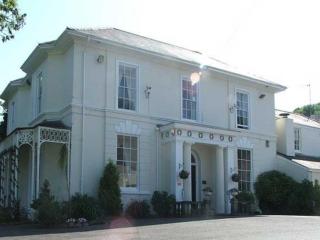
Norton House Hotel
Norton House Hotel is a quaint Georgian mansion house set in a central location of the Mumbles. As well as period charm, all the modern conveniences are on offer. Resident's bar a highl...